Budapest is two former cities facing each other across the Danube: hilly Buda with the castle and the views, and flat Pest with the parliament, the boulevards and most of the life. It is grand, inexpensive by western European standards, and has something no other European capital offers on this scale, which is a working culture of thermal bathing.
How long do you need?
Four nights. Three is enough for the main sights and four is what makes room for two bath visits, which is the part people wish they had done more of.
Which thermal baths should you choose?
Szechenyi is the large neo-baroque complex in the city park, mostly outdoors, sociable and open even when the air is freezing, which is when it is at its best. Gellert is the art nouveau one and the more beautiful indoors. Rudas and Kiraly are small Ottoman-era baths with domed roofs. Take flip-flops and a towel, and go early morning or late evening rather than midday.
What are the essential sights?
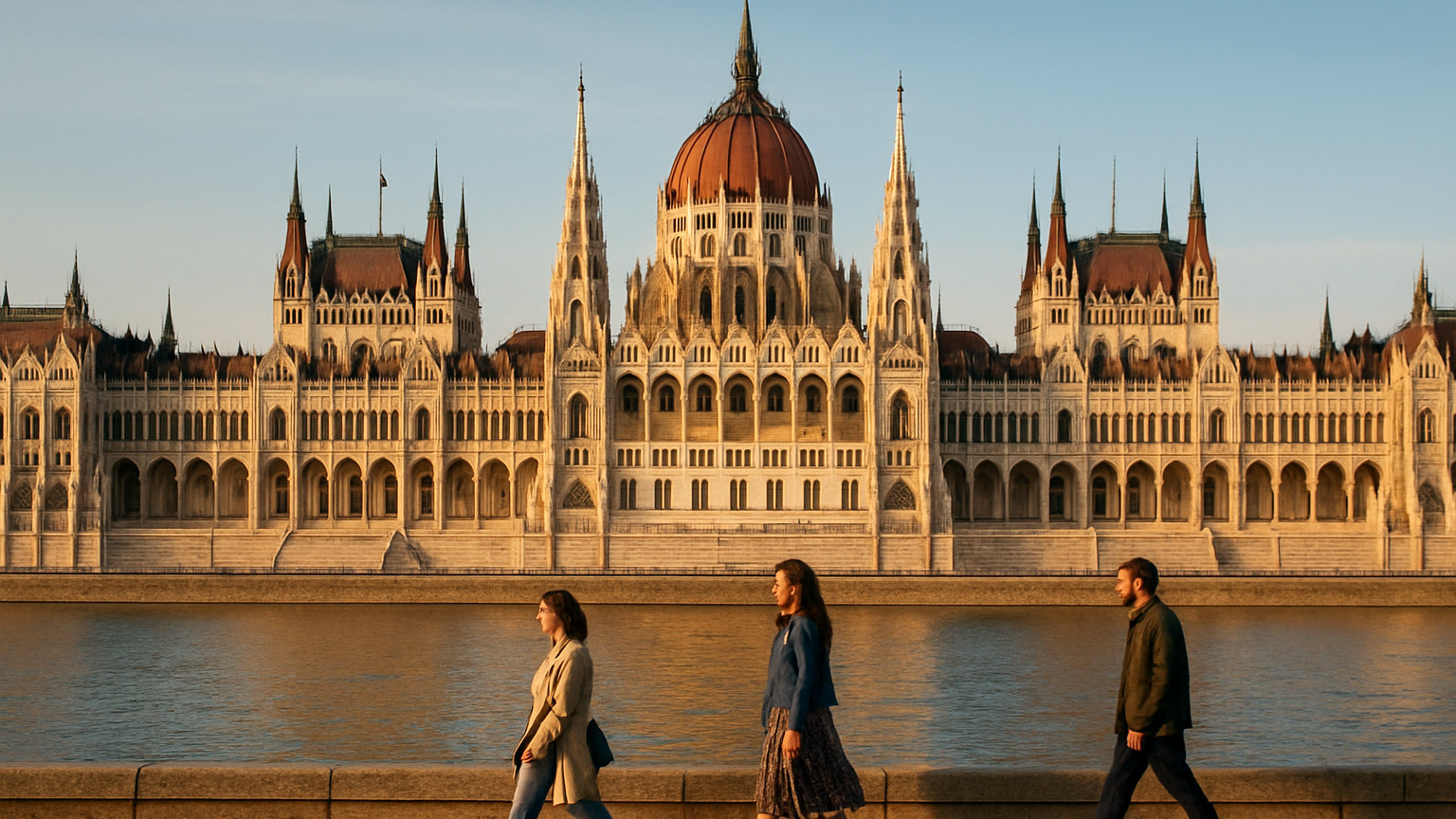
The Hungarian Parliament, which is best seen from the Buda side at night and can be toured inside with a booked ticket. Buda Castle, the Fishermans Bastion and the Matthias Church on the hill. St Stephens Basilica. The Great Market Hall for the building as much as the produce. The Shoes on the Danube memorial, which is small and devastating.
What are the ruin bars?
Bars built into abandoned buildings and courtyards in the old Jewish quarter, filled with mismatched furniture and installation art. Szimpla Kert is the original and is now a major attraction in its own right, which means it is packed. The surrounding streets hold dozens of smaller and better ones.
Where should you stay?
District VII, the Jewish quarter, for nightlife and central location, accepting the noise. District V for the smartest central option near the basilica and the river. District VI along Andrassy for grand buildings and the opera house. Buda for quiet and views, at the cost of a bridge crossing every time you go out.
How do you get around?
The metro includes the oldest underground line in continental Europe, and the network of trams and buses is cheap and thorough. Tram 2 along the Pest riverbank is one of the best-value sightseeing rides anywhere. Tickets must be validated and inspections are common.
When is the best time to visit?
May, June and September for the city. December for the Christmas markets, which are good, and for the baths, which are at their most atmospheric when it is freezing. July and August are hot and Budapest in a heatwave is uncomfortable.
What do people get wrong?
Currency. Hungary uses the forint, not the euro, and accepting the offer to be billed in pounds or euros at a card terminal costs noticeably more. Street exchange booths and airport counters give poor rates. The second is going to the baths at midday in summer, when Szechenyi is at its most crowded.
What is worth a day trip?
The Danube Bend, an hour north, taking in Szentendre, Visegrad and Esztergom, easily done by boat or train in a single day.
How much should you budget?
Budapest is among the best value capitals in the European Union. Accommodation, restaurants, transport and bath entry are all well below western European levels, and the main way to lose money here is on poor exchange rates rather than on prices. A comfortable trip costs roughly what a basic one costs in Vienna, three hours away.
Where are the best views?
The Fishermans Bastion and the Citadella on Gellert Hill for the classic panoramas across the river, and the terrace of St Stephens Basilica for the view back over Pest.
Anyone weighing this up will also want Berlin City Guide: History, Museums and Nightlife, along with the rest of the Destinations section.
The short answer
Four nights in District V or VII. Two bath visits, one early and one at night, the parliament seen from the Buda side after dark, tram 2 along the river, and everything paid for in forint.