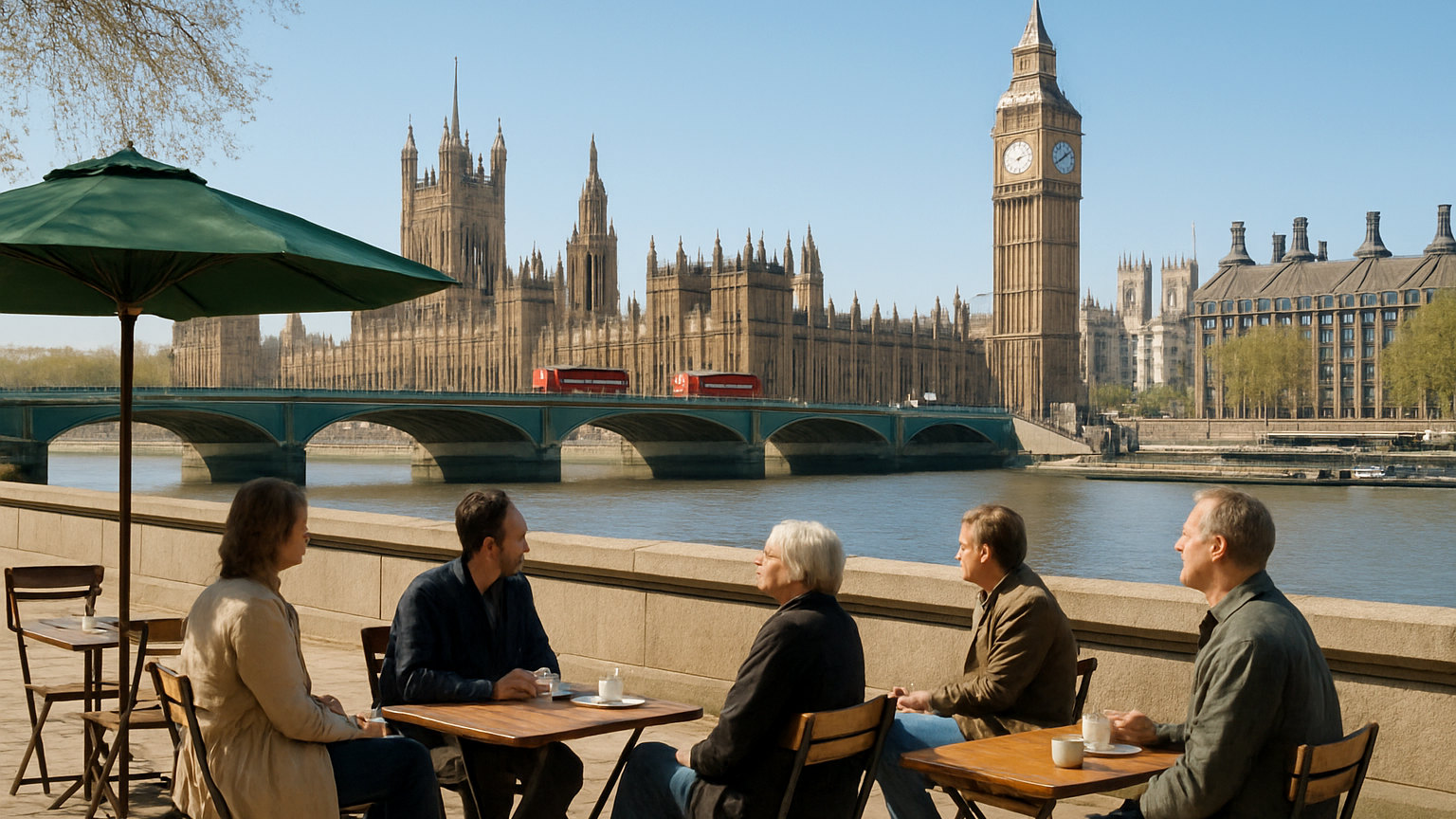
London divides sharply between what you pay to sleep in and what you pay to do. Accommodation is among the most expensive in Europe; the national museums are free, which makes a culture-led weekend cheaper than in almost any comparable city.
What are the free museums?
The British Museum, the National Gallery, the Natural History Museum, the Science Museum, the Victoria and Albert, Tate Modern and Tate Britain, and the National Portrait Gallery, among others. Permanent collections are free; special exhibitions charge.
This is unusual in Europe and worth building a weekend around.
Where does the money go?
Accommodation first and by a distance, then eating out, then any paid attraction. The observation wheels, towers and experiences are individually expensive and largely optional.
How do you save on accommodation?
Stay outside zone one but on a direct line in. Areas a few stops out cost considerably less for a journey of fifteen minutes, and London transport makes that entirely practical.
How does transport pricing work?
Contactless card or phone payment caps your spending daily and weekly, so you cannot pay more than the cap however many journeys you make. There is no need to buy a travelcard or a visitor pass in advance; tapping in and out is cheaper.
Buses are cheaper than the underground and have their own lower cap.
What is free besides museums?
The parks, the South Bank, Borough Market to walk through, the changing of the guard, Greenwich, the City churches, and the view from the Sky Garden with a free booking. Walking London is the main activity and costs nothing.
How do you see theatre cheaply?
Day seats released on the morning of performance, standing places at several theatres, the official discount ticket booth in Leicester Square rather than street sellers, and previews before a show officially opens.
How do you eat cheaply?
Markets, chains at lunch, and ethnic food away from the centre. Southall, Brick Lane, Peckham and Tooting all eat considerably better and cheaper than anywhere near a sight, and the city is at its strongest in exactly those places.
How much should you budget?
The bed dominates and the rest is flexible. A weekend using free museums, contactless caps, market food and a day seat costs a fraction of one with paid attractions and restaurant dinners, and the two are barely comparable.
When is it cheapest?
January and February, and midweek year round. Hotel rates fall noticeably outside the summer and the Christmas period.
Is a city pass worth it?
Rarely, because the best things are already free. A pass pushes you towards paid attractions to justify the cost, which in London is the wrong direction.
What about the airports?
Five serve London and they differ substantially in transfer cost and time. The cheapest flight into a distant airport can cost more overall once the train into the centre is added, so compare the total rather than the fare.
Are the parks worth planning around?
Genuinely. Hyde Park, Regent Park, Hampstead Heath and Greenwich are all free, large and among the better things in the city, and building a day around one costs nothing beyond the fare to reach it.
How far ahead should you book?
Accommodation as early as possible, since London rates rise steadily rather than falling. Theatre and any timed attraction can wait, and day seats are released on the morning, which rewards flexibility rather than planning.
Is street food worth it?
Among the best value in the city. Borough, Maltby Street, Broadway Market and the Southbank stalls all serve proper food at a fraction of restaurant prices, and eating standing up in a market is a legitimate London lunch.
See also Is Amsterdam Expensive for a City Break?, which covers a related part of the same decision, and our other Holidays guides.
The short answer
Accommodation is the whole cost and the rest is controllable. Stay outside zone one on a direct line, pay by contactless so the daily cap applies, use the free national museums, get day seats for theatre and eat away from the centre.