Riga is the largest of the Baltic capitals and the least visited of the three by most measures, which makes it quieter and cheaper than Tallinn or Vilnius in any season. Its climate follows the same pattern: a short warm summer and a long cold winter.
What are the best months?
June to August for warmth and daylight, with May and September as the quieter alternatives. Summer daylight is long, the parks and canal are used and the coast is within reach.
What is the midsummer festival?
Jani, around the summer solstice in late June, and the most important festival in the Latvian calendar. People leave the city for the countryside, light bonfires, wear flower crowns and stay up through the short night.
Many businesses close for the holiday, so the city is quiet while the countryside is not.
Is the coast worth it?
Jurmala, a long sandy beach resort thirty minutes by train, is the standard summer escape. The Baltic is cold and the beach is enormous, backed by pine woods and wooden villas.
What is the architecture?
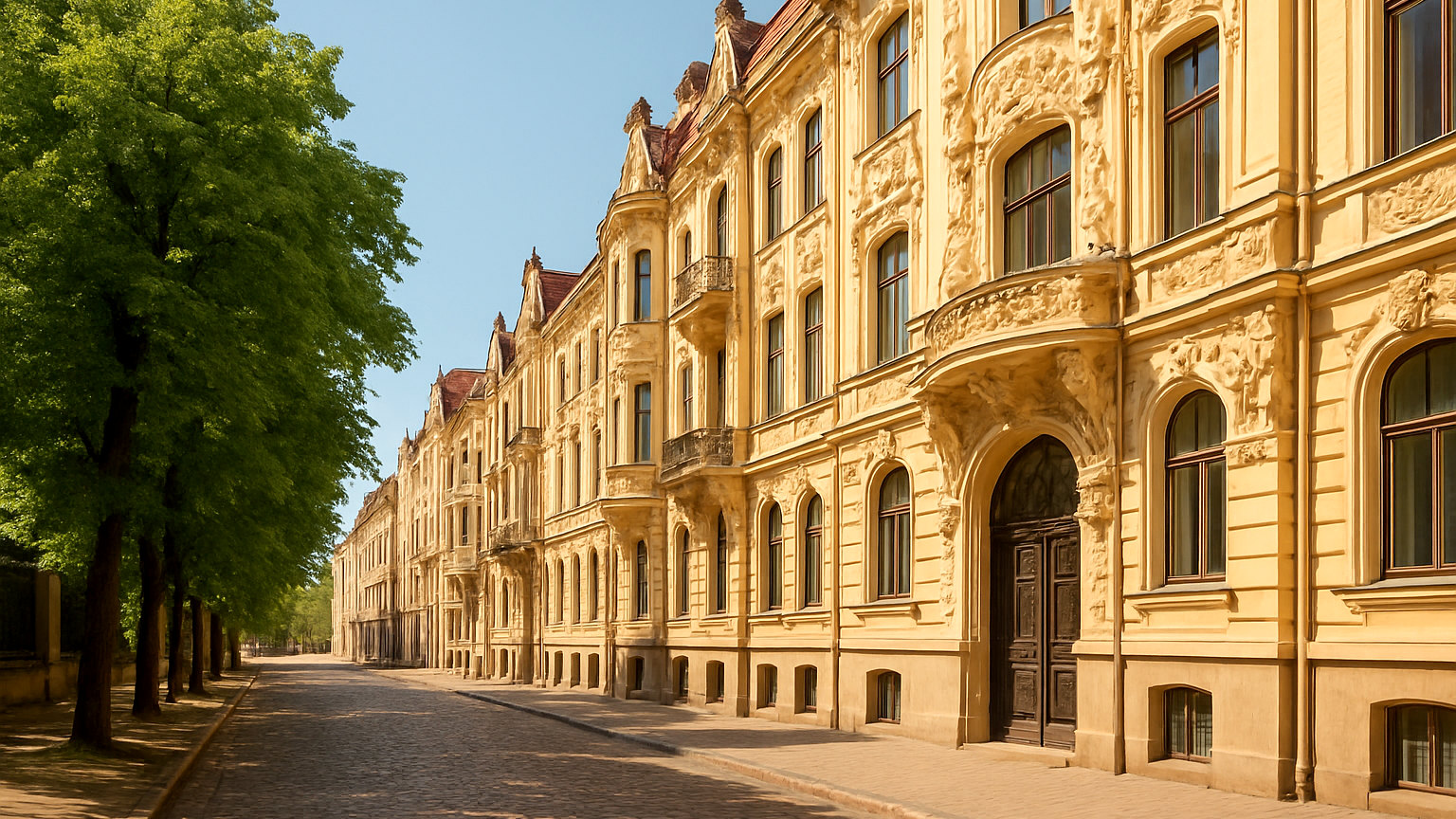
Riga has one of the largest concentrations of art nouveau buildings in the world, mainly in the quarter north of the old town. It is free to see, it is the city strongest asset and it works in any season.
What is winter like?
Cold, with temperatures well below freezing, snow and short daylight. The central market in its converted zeppelin hangars, the museums and a strong cafe culture carry it, and prices are at their lowest.
Is there a Christmas market?
Yes, in the old town, smaller and less crowded than Tallinn or the German markets. Riga claims one of the earliest recorded decorated Christmas trees, which the city marks in the Town Hall Square.
When is it cheapest?
January to March, when rates fall to their lowest. Riga is inexpensive year round and these months are notably so.
How does it compare with Tallinn and Vilnius?
Larger and less immediately picturesque than Tallinn, with a bigger city feel and better art nouveau. Cheaper and quieter than both. All three can be combined by bus in a week.
How long do you need?
Two or three nights, including the art nouveau quarter, the central market and a half day at Jurmala in summer.
What about the daylight?
Around seventeen hours in June and around six in December, which is a substantial swing. Winter sightseeing needs to be concentrated into the middle of the day.
Which month would you choose?
June for the light, the festival and the coast, or September for mild weather, autumn colour and fewer people.
Where is the art nouveau quarter?
Mainly along Alberta and Elizabetes streets north of the old town, where whole blocks were built in the style in the early twentieth century. There is a small museum in one apartment, and the buildings themselves cost nothing to walk past.
What about the central market?
Housed in former zeppelin hangars beside the station and among the largest markets in Europe. It is open year round, inexpensive and the best place to eat cheaply in the city.
How do you reach it?
Direct flights from several UK airports, with the airport around twenty minutes from the centre. Buses connect to Tallinn and Vilnius in four hours each, which makes a three-capital Baltic trip straightforward in a week.
Is summer busy?
Noticeably less than Tallinn, since Riga takes fewer cruise arrivals and the old town is larger, which spreads visitors out.
What is the food like?
Substantial and improving, with a strong bakery tradition, smoked fish and rye bread, and a growing modern restaurant scene. The central market is the cheapest way into it and works in any season.
Anyone weighing this up will also want Where to Go in Europe in January, along with the rest of the Seasons section.
The short answer
June to August for warmth, daylight and the coast at Jurmala, with September the quieter alternative. Jani in late June closes much of the city as people leave for the countryside. Winter is cold, dark and the cheapest, and the art nouveau quarter works year round.