Plovdiv: Europe Oldest City and Its Roman Theatre
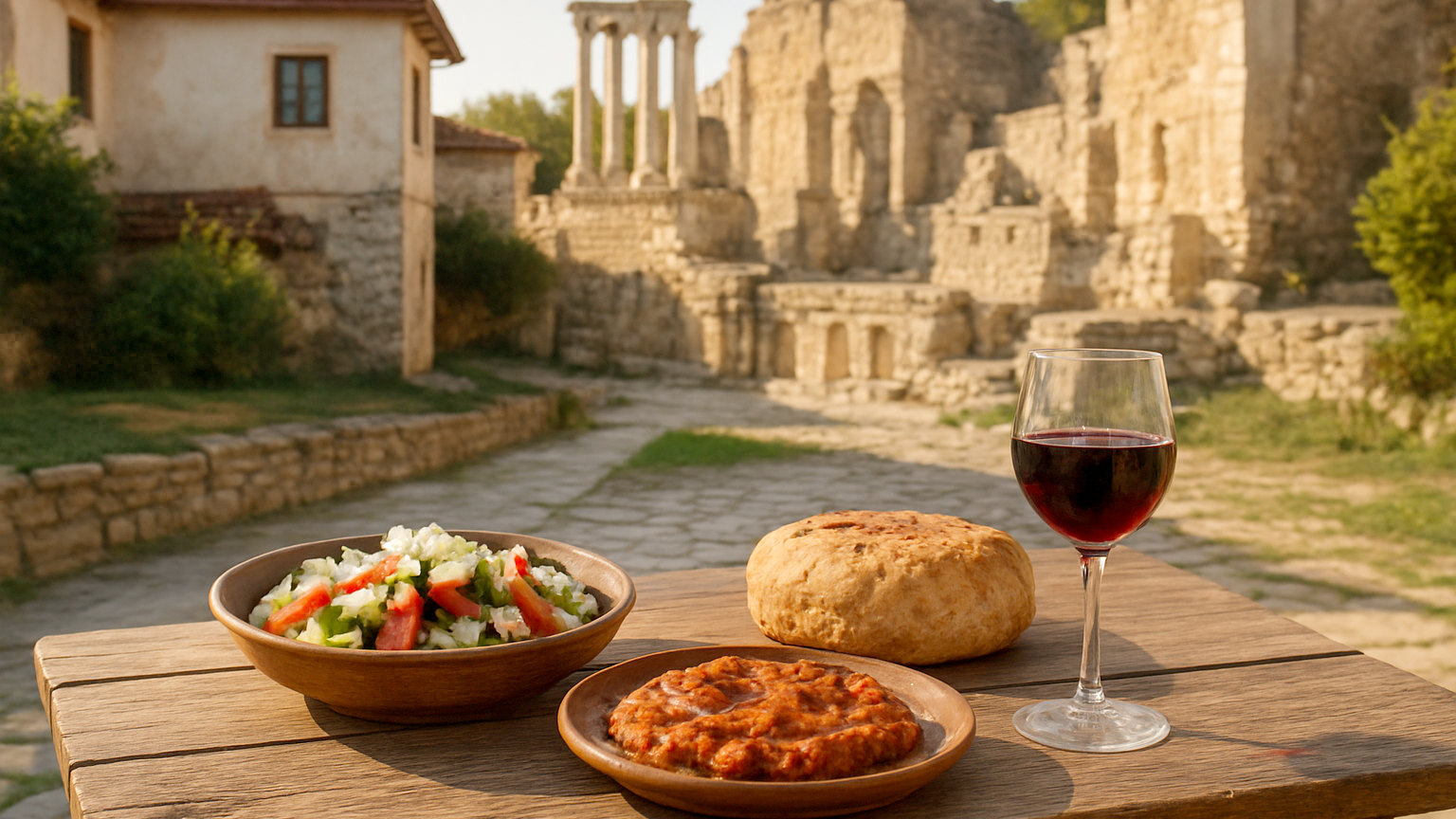
Plovdiv has been inhabited for eight thousand years, has a Roman theatre still used for concerts, and costs a fraction of western Europe.
Places that are quiet for a good reason and places that are quiet for no reason at all.
Plovdiv has been inhabited for eight thousand years, has a Roman theatre still used for concerts, and costs a fraction of western Europe.
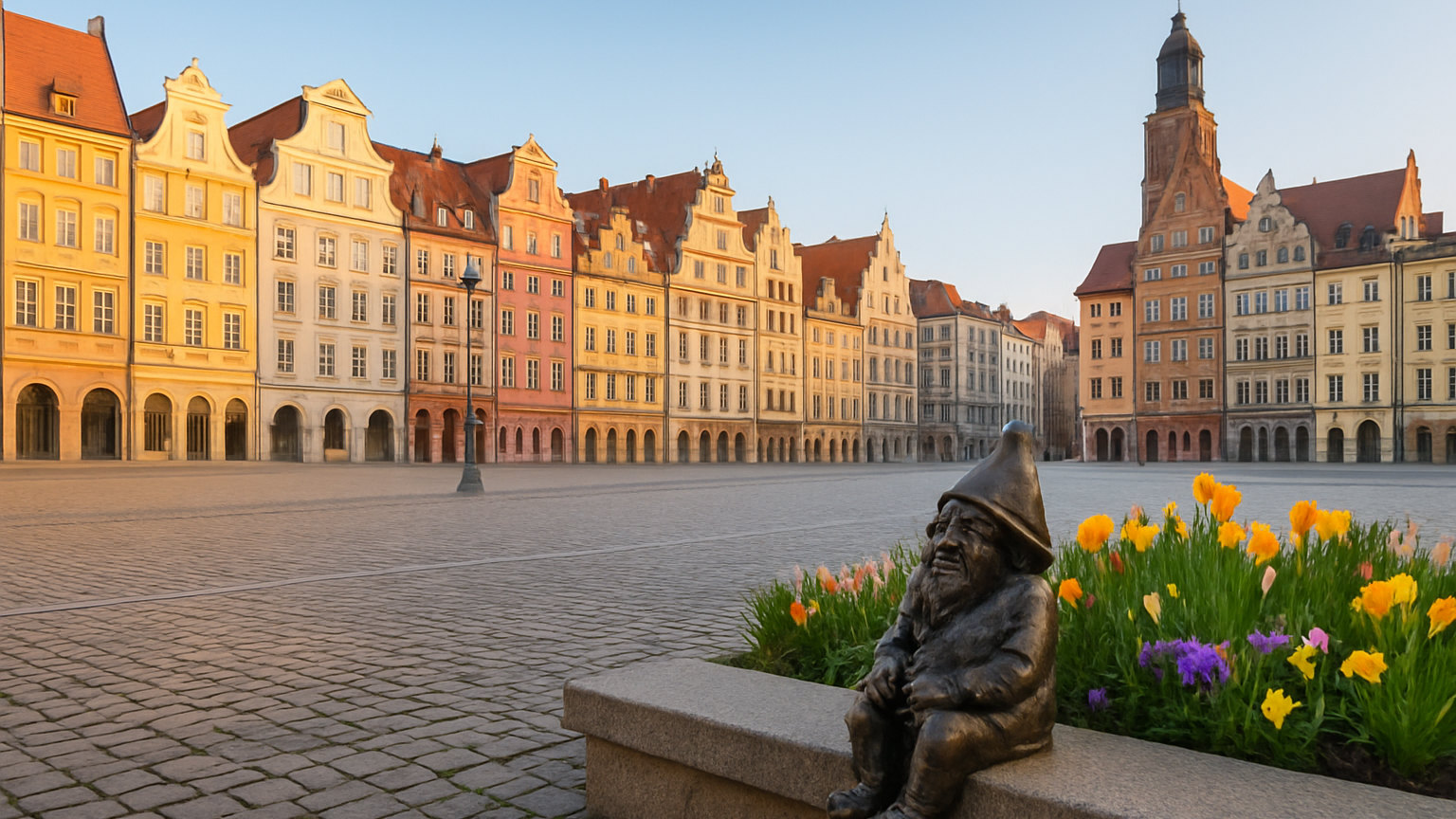
Wroclaw has a market square to rival Krakow, a hundred bridges and several hundred small bronze dwarfs hidden around the city.
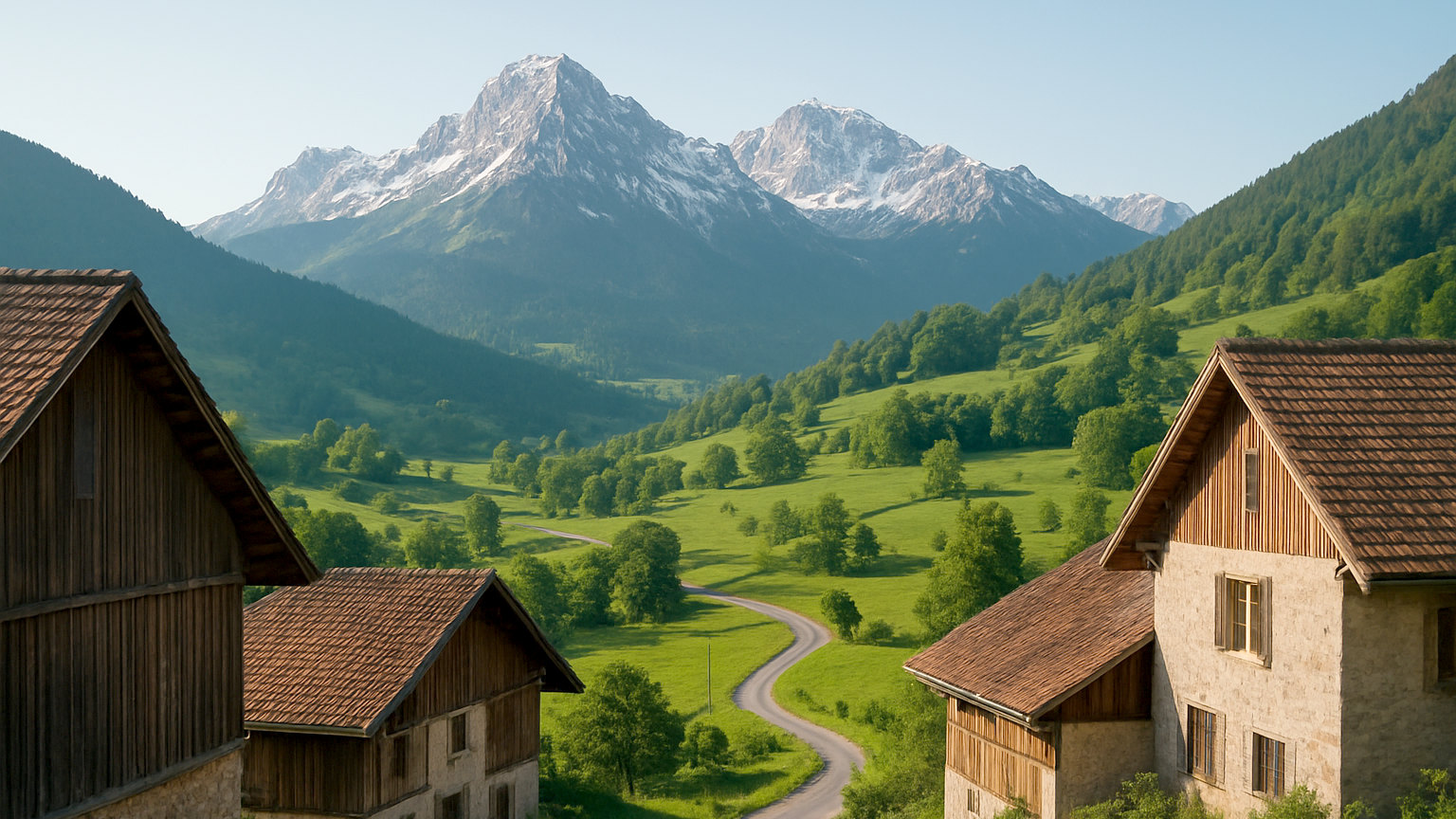
Annecy has the cleanest lake in Europe, a canal-threaded old town and mountains rising straight out of the water, and it is an hour from Geneva.
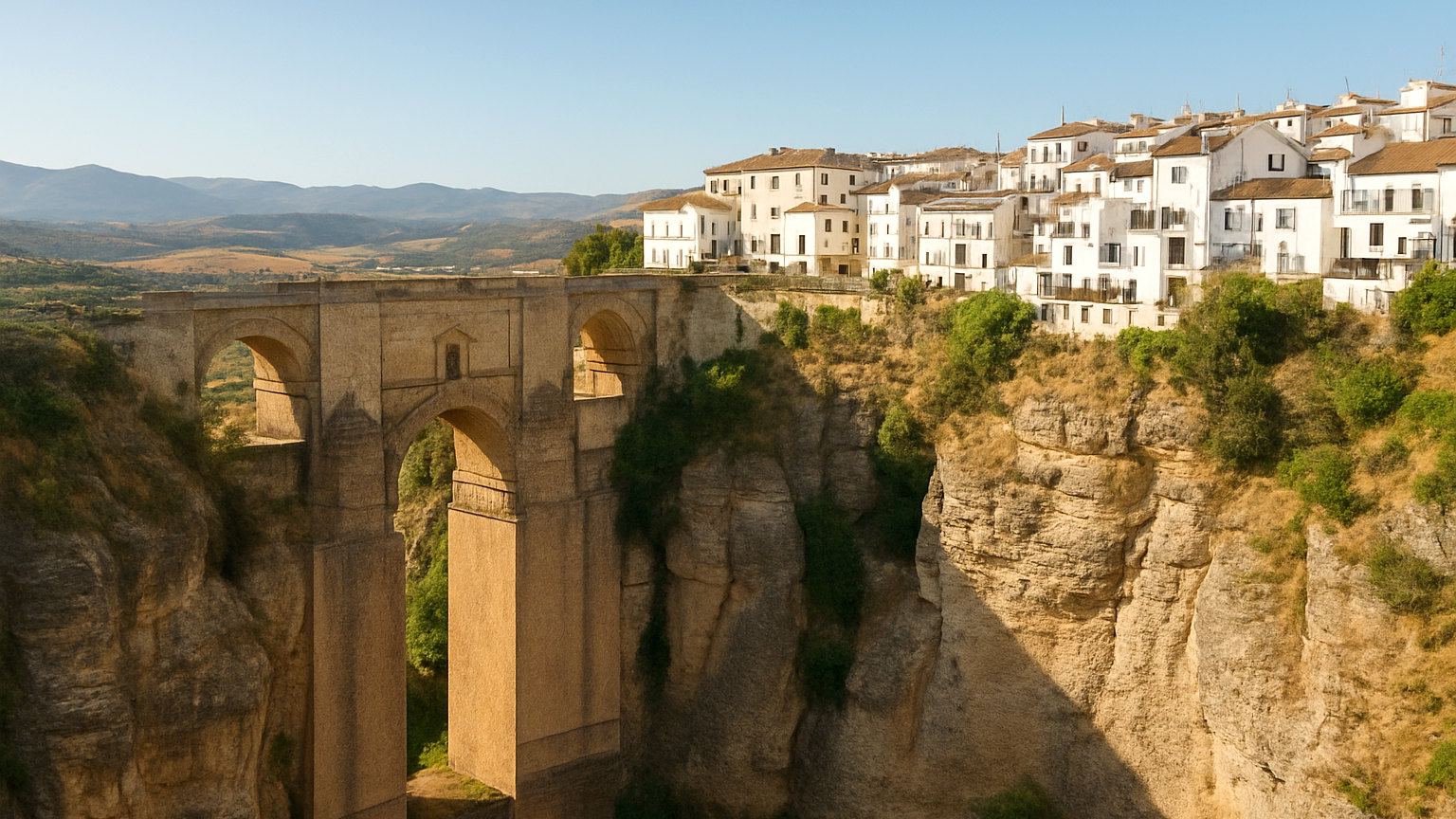
Ronda is split in two by a hundred-metre gorge with a bridge across it, and it empties completely once the afternoon coaches leave.
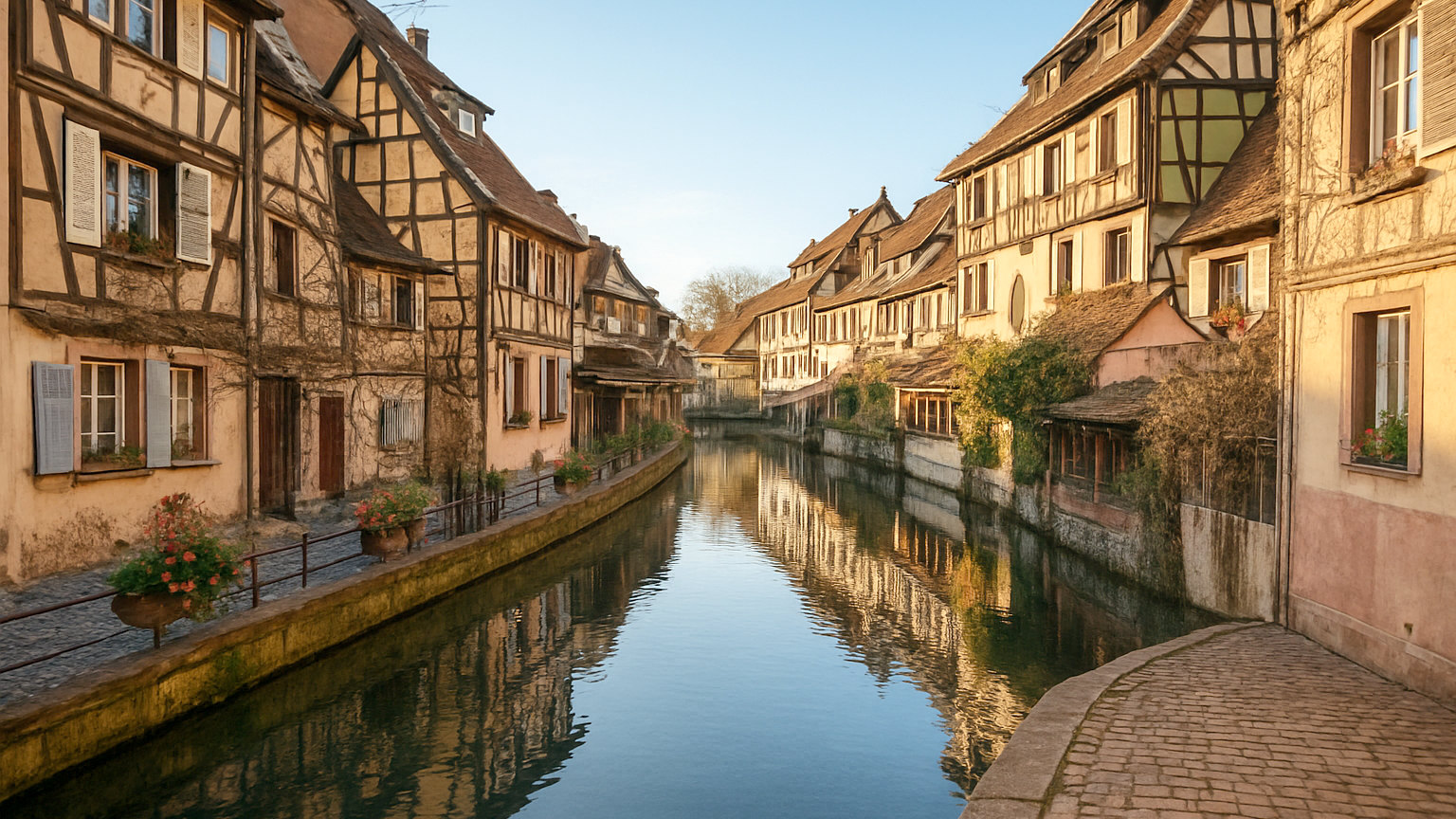
Colmar is a half-timbered town on the Alsace wine route that looks assembled for a film set, and the villages around it are quieter and just as good.
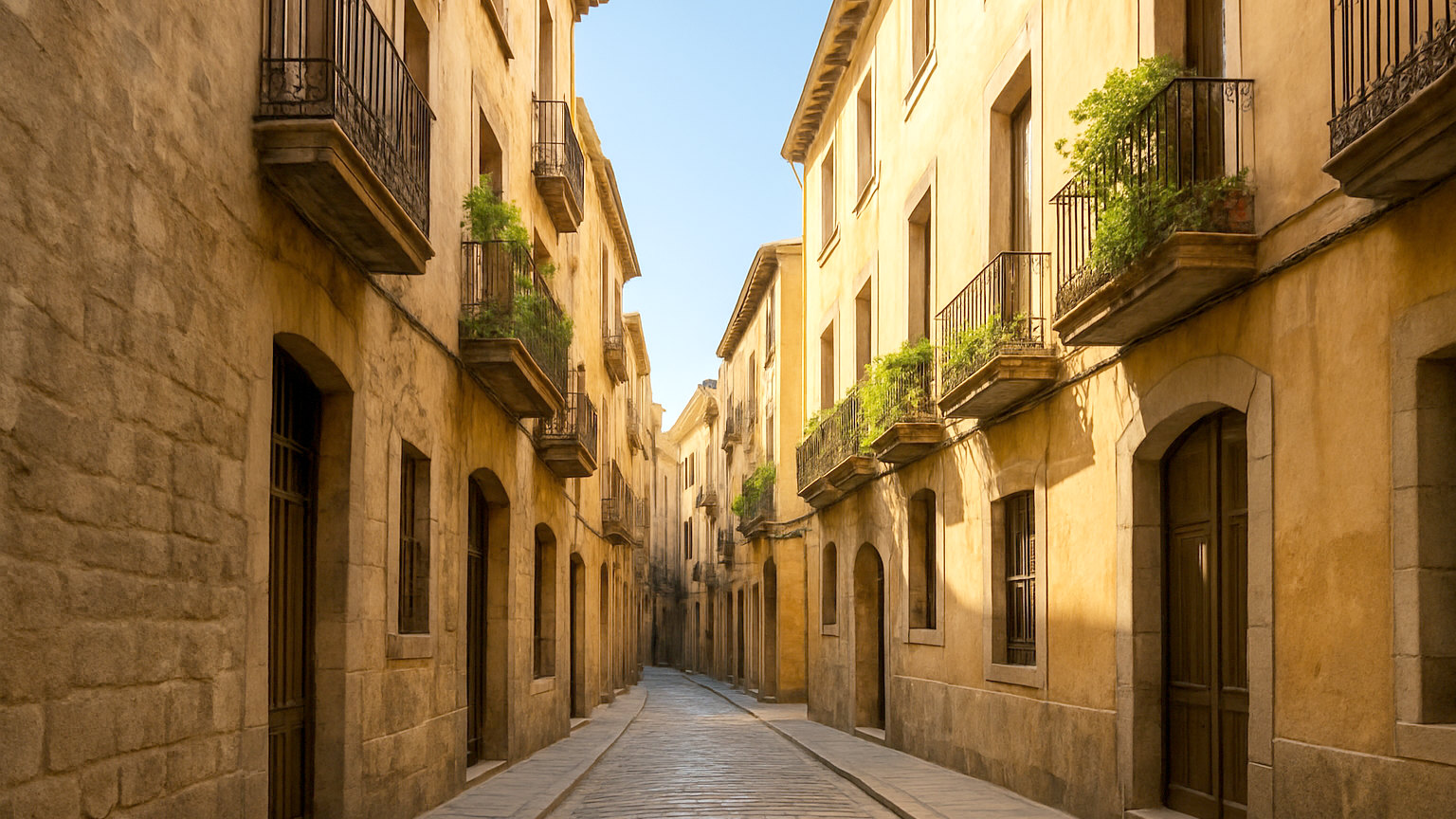
Girona has Roman walls you can walk, one of the best preserved Jewish quarters in Europe and painted houses over a river, thirty-eight minutes from Barcelona.
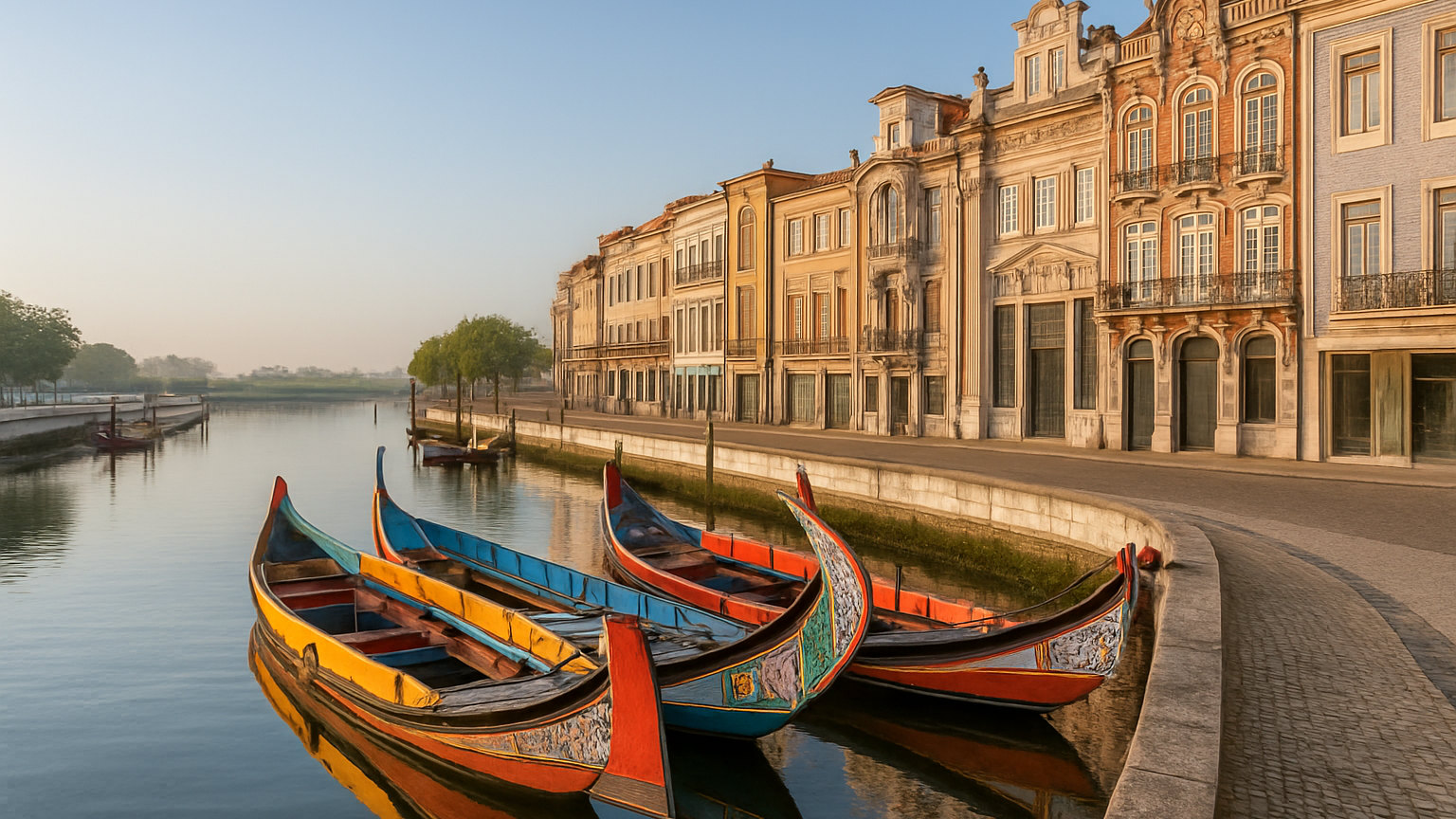
Aveiro is an hour south of Porto, has working salt pans, art nouveau facades and a beach town of striped houses ten minutes away.
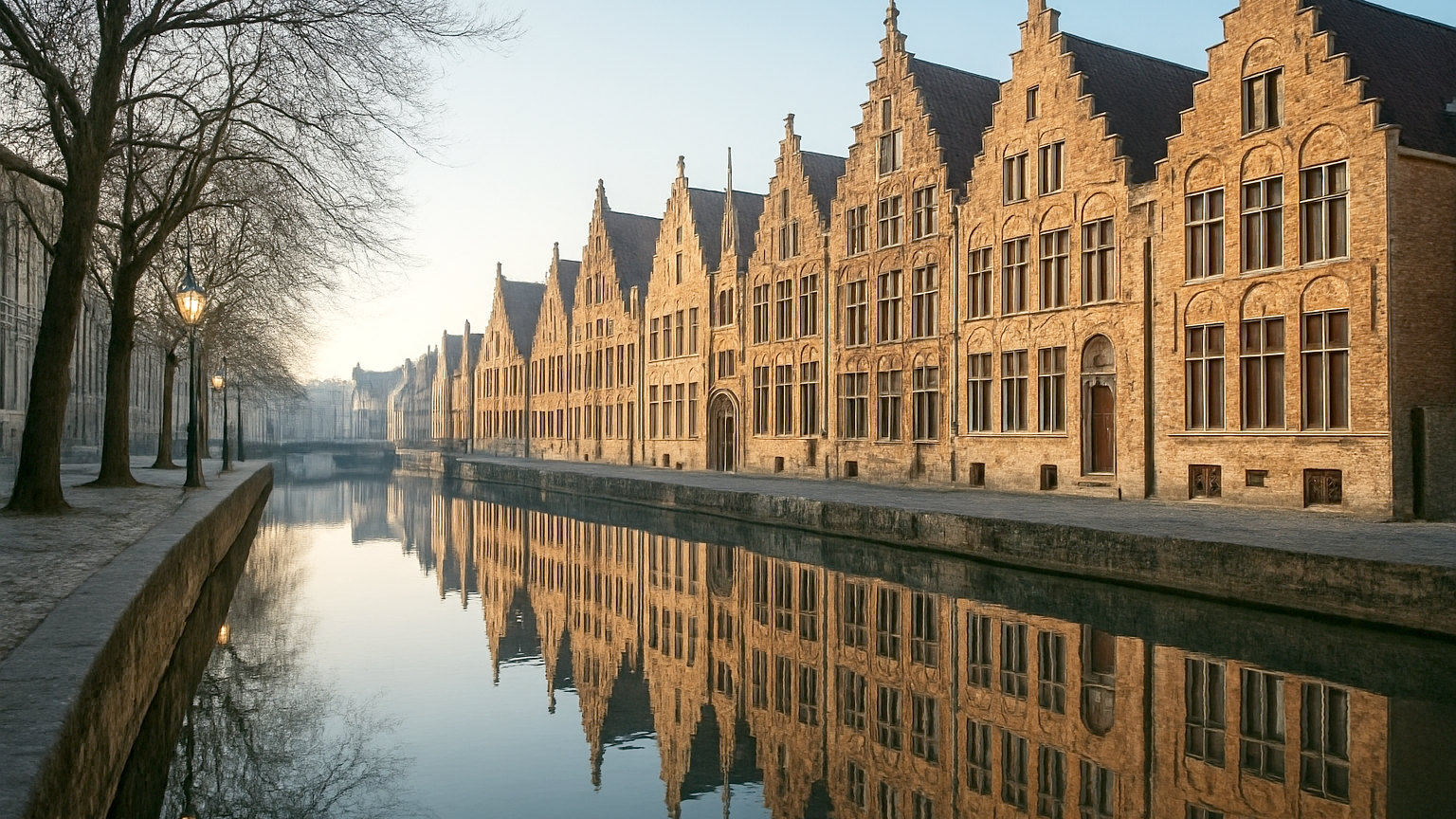
Ghent has the same medieval architecture as Bruges, a university population that keeps it alive in the evening, and a fraction of the day visitors.
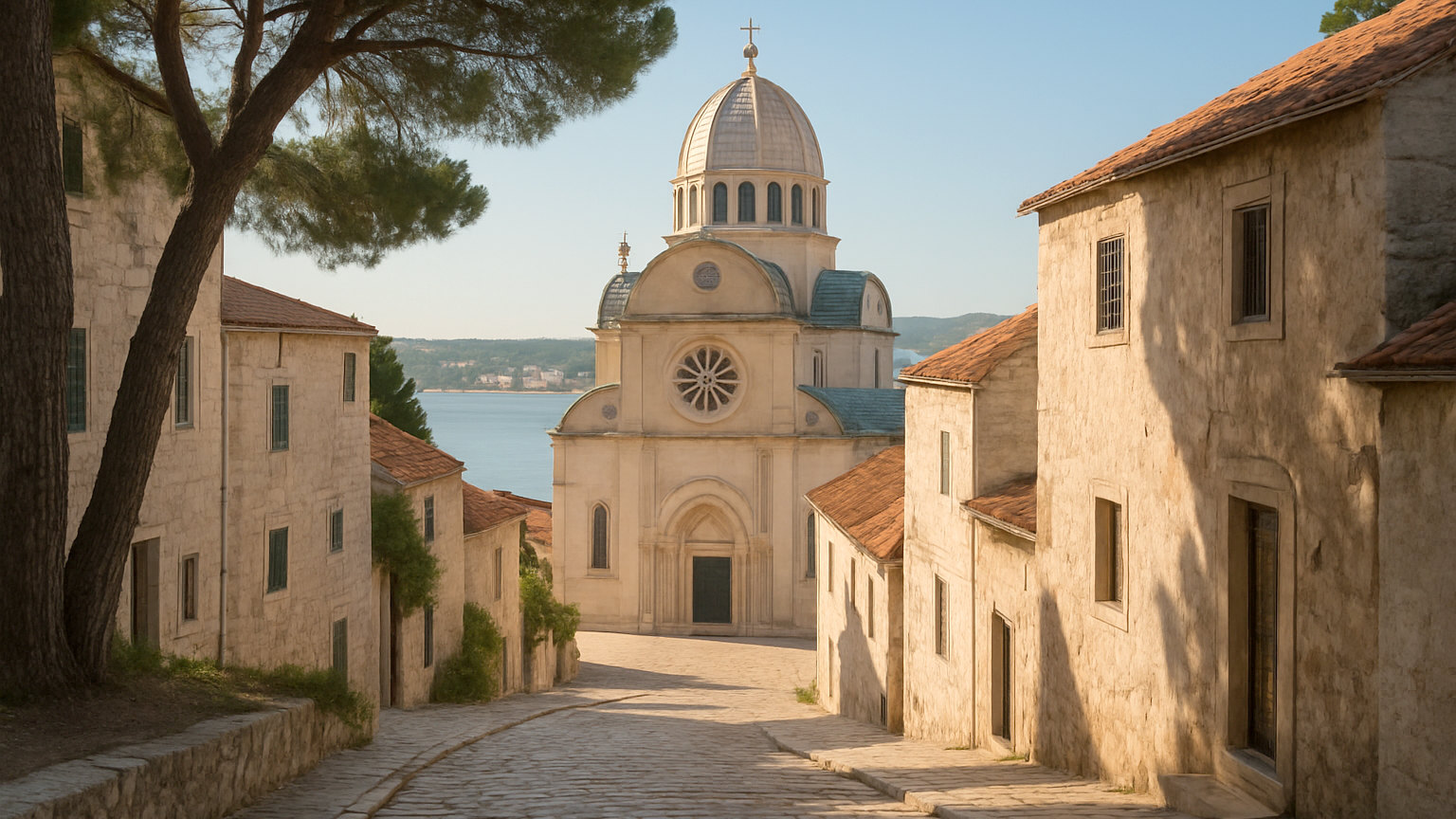
Sibenik sits between Zadar and Split with a UNESCO cathedral, four fortresses and none of the crowds either of its neighbours gets.
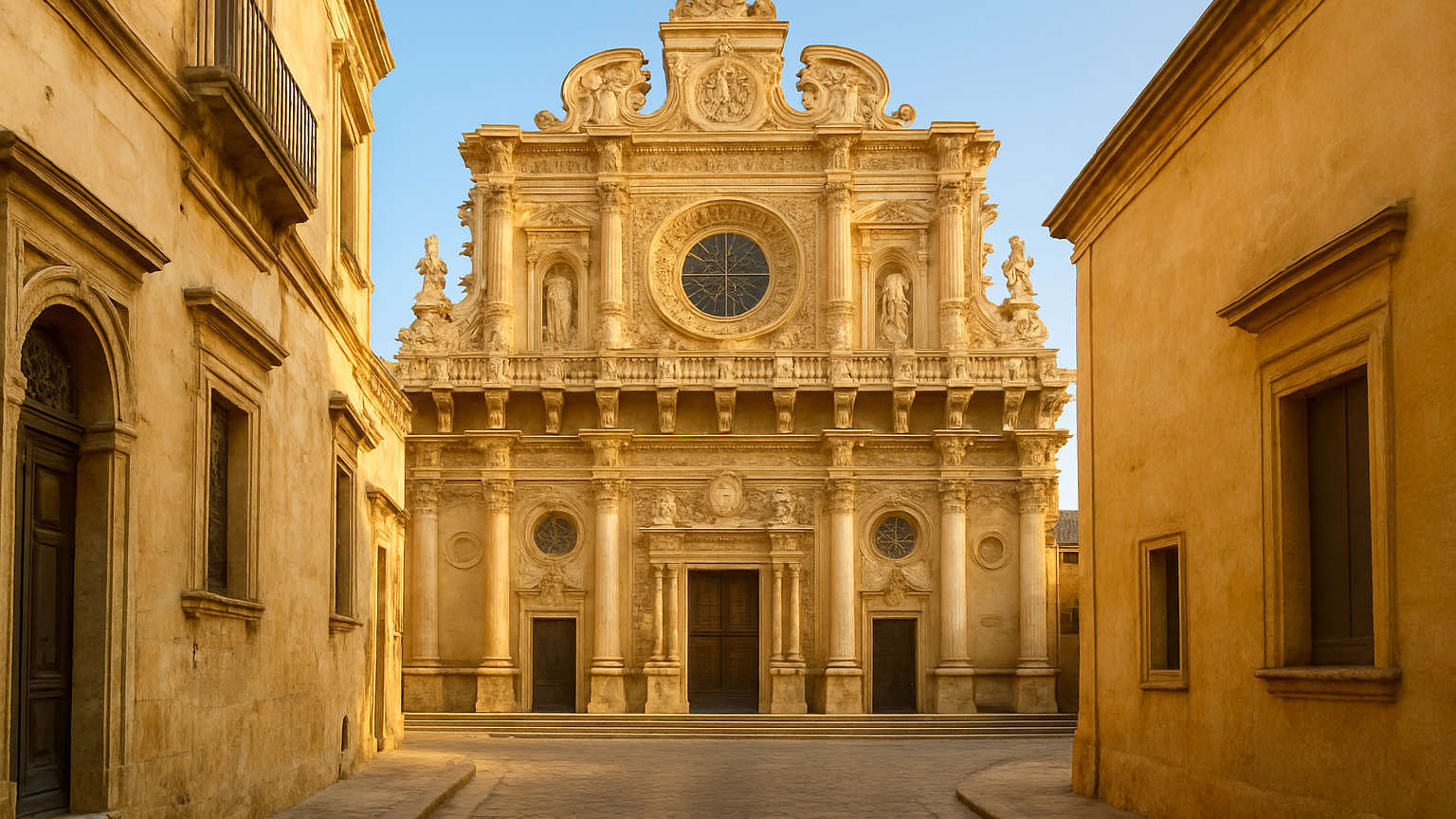
Lecce is built from a soft golden stone that could be carved like wood, which is why its baroque facades are the most elaborate in Italy.
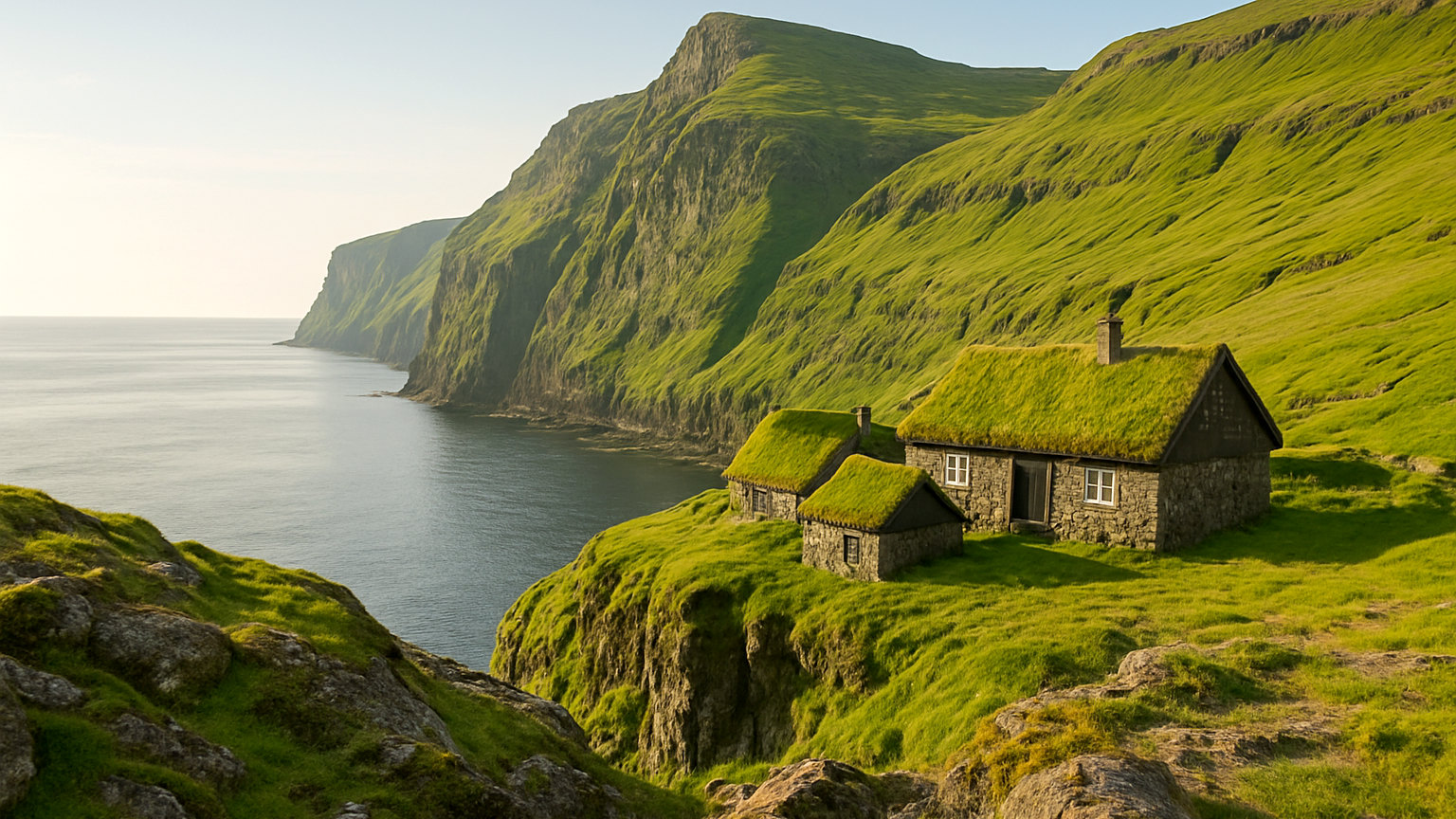
Eighteen islands in the North Atlantic with grass-roofed houses, sea cliffs and weather that changes every twenty minutes. What to plan around.
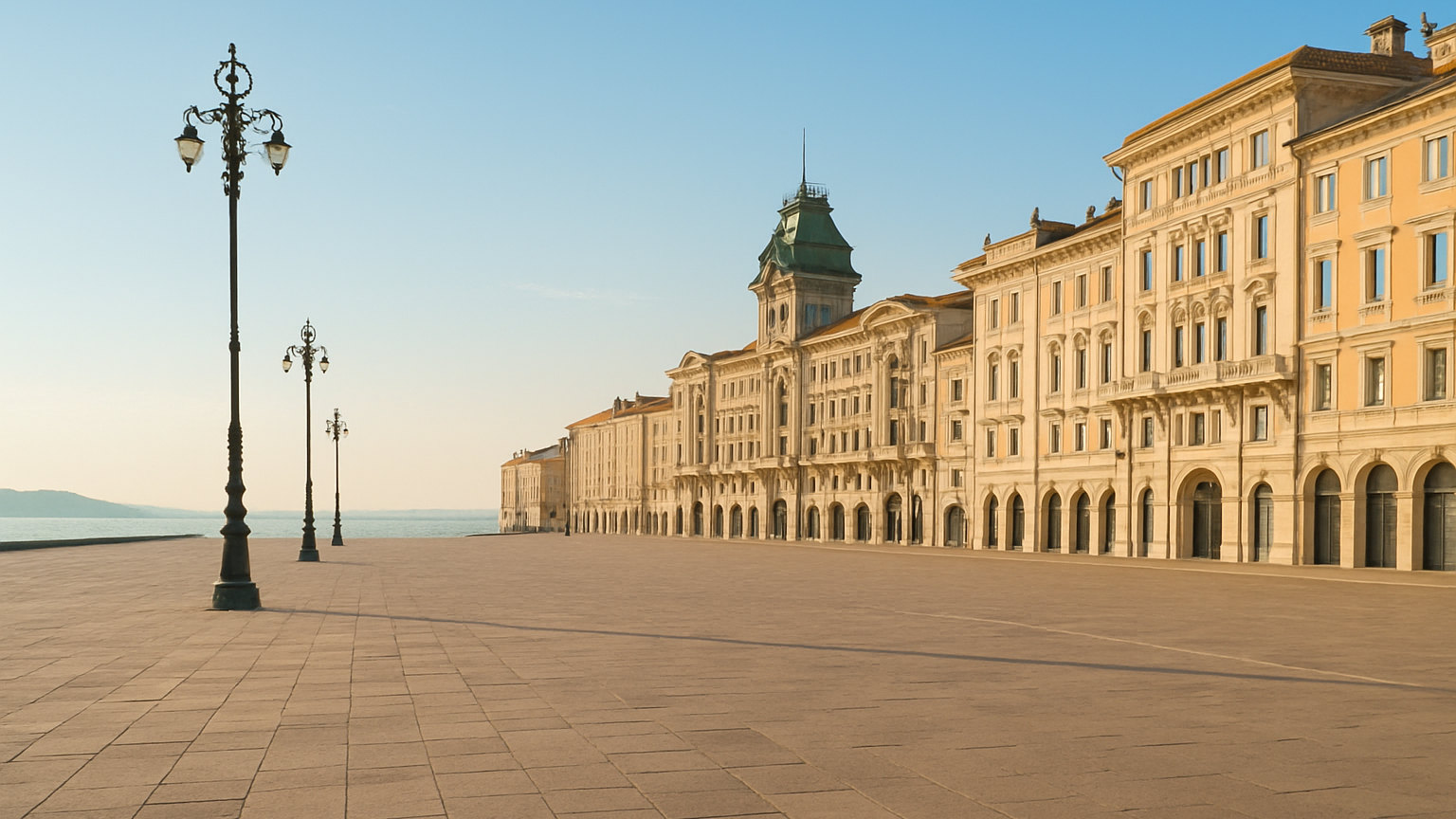
Trieste was the port of the Habsburg empire and still looks it, which is why it feels like Vienna with a seafront and almost no visitors.