What to See in Sicily: Coast, Etna and Ancient Ruins
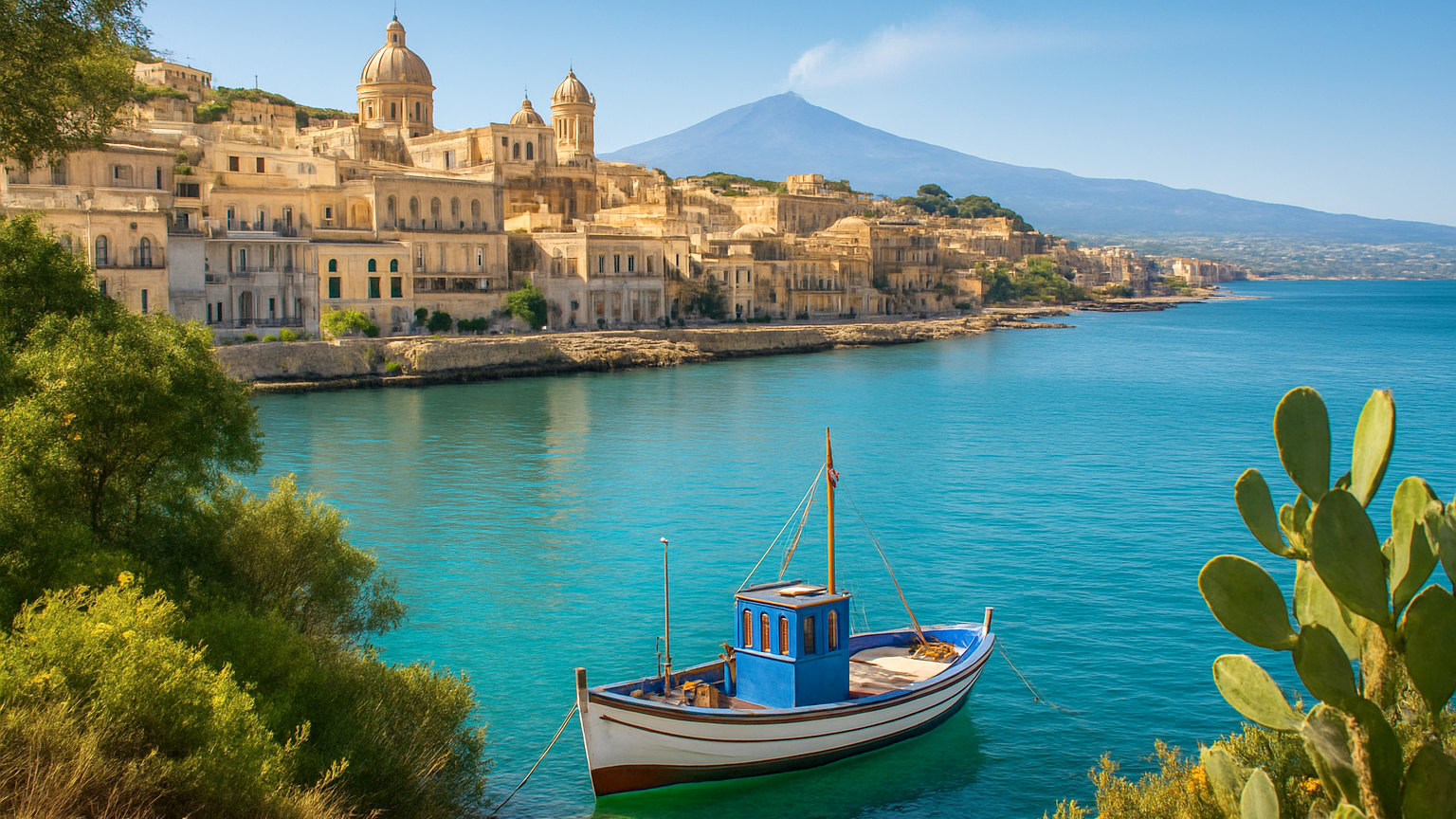
Sicily has better Greek temples than Greece, an active volcano and three distinct coasts, and it is too large to see properly in a week.
Greek, Balearic, Canary, Croatian and beyond — which island suits which kind of holiday.
Sicily has better Greek temples than Greece, an active volcano and three distinct coasts, and it is too large to see properly in a week.
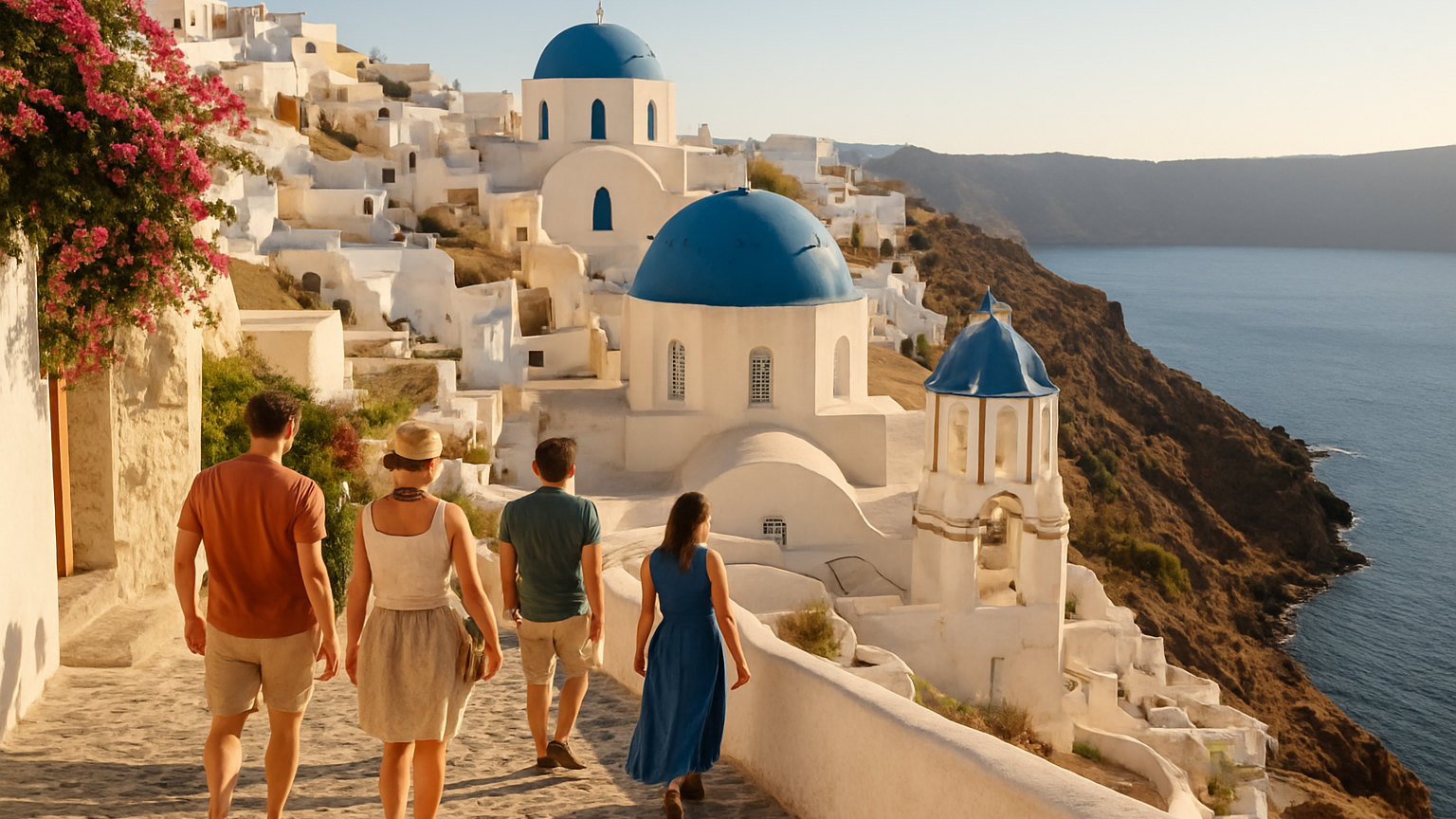
Santorini is the most crowded island in Greece and the caldera view is still worth it. How to see it without spending the day in a queue.
Corfu is the greenest Greek island and the one least affected by the August wind, which makes it the safest family choice in high summer.
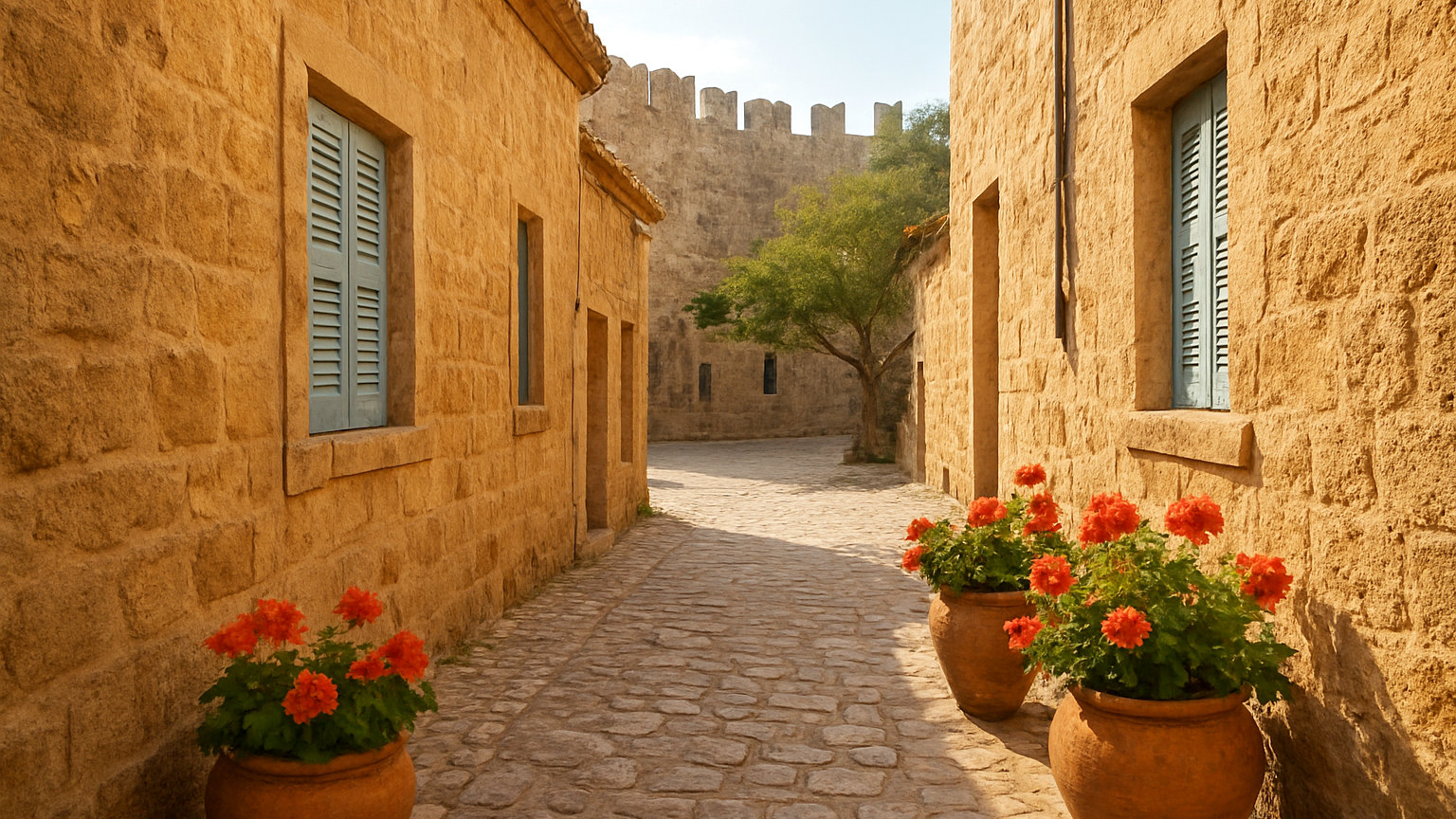
Rhodes has the best preserved medieval walled town in Europe and a beach season running into late October, which very few Greek islands manage.
Crete is large enough that choosing the wrong end of it means a four-hour drive to the thing you came for. Which region suits which trip.
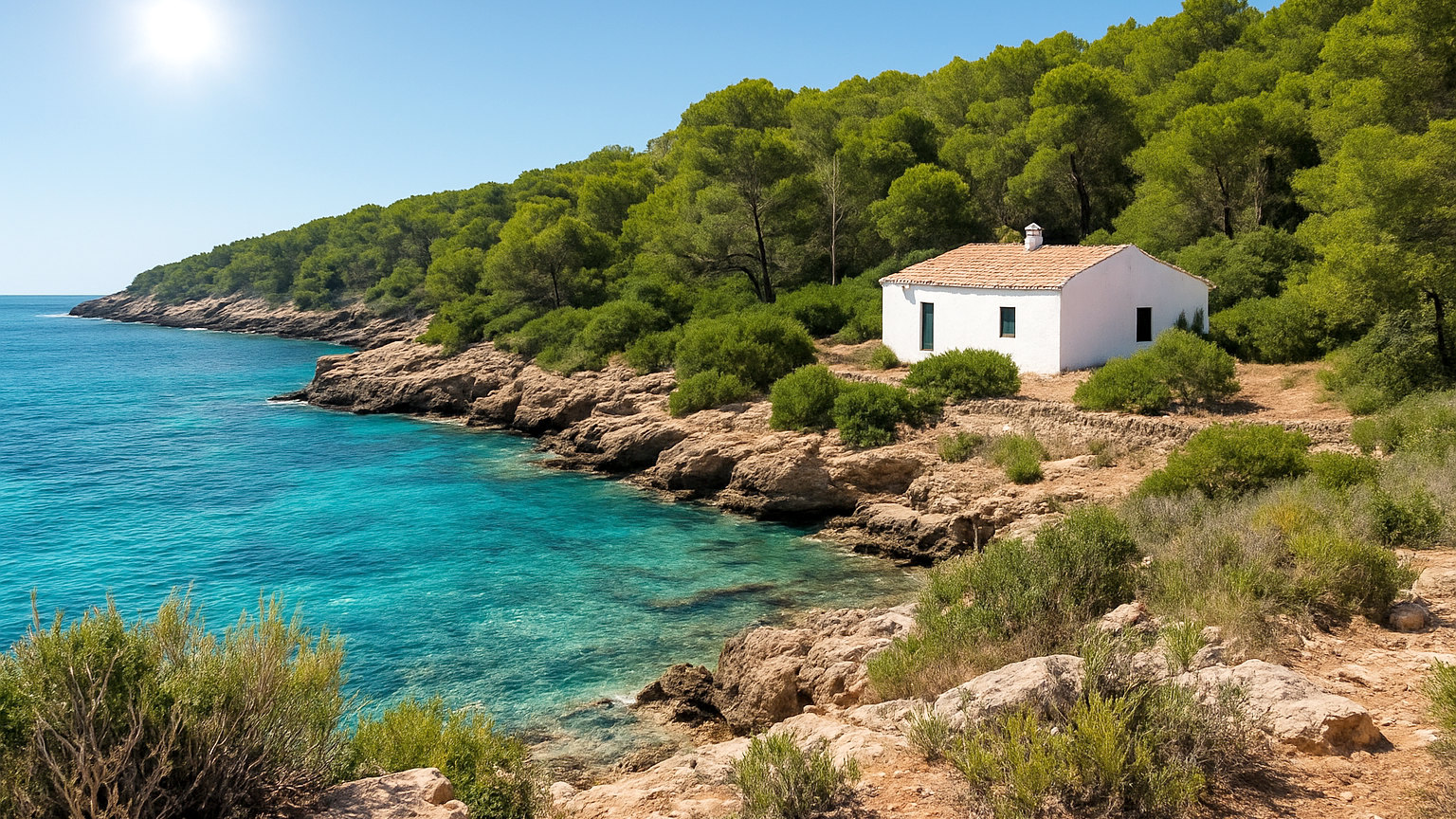
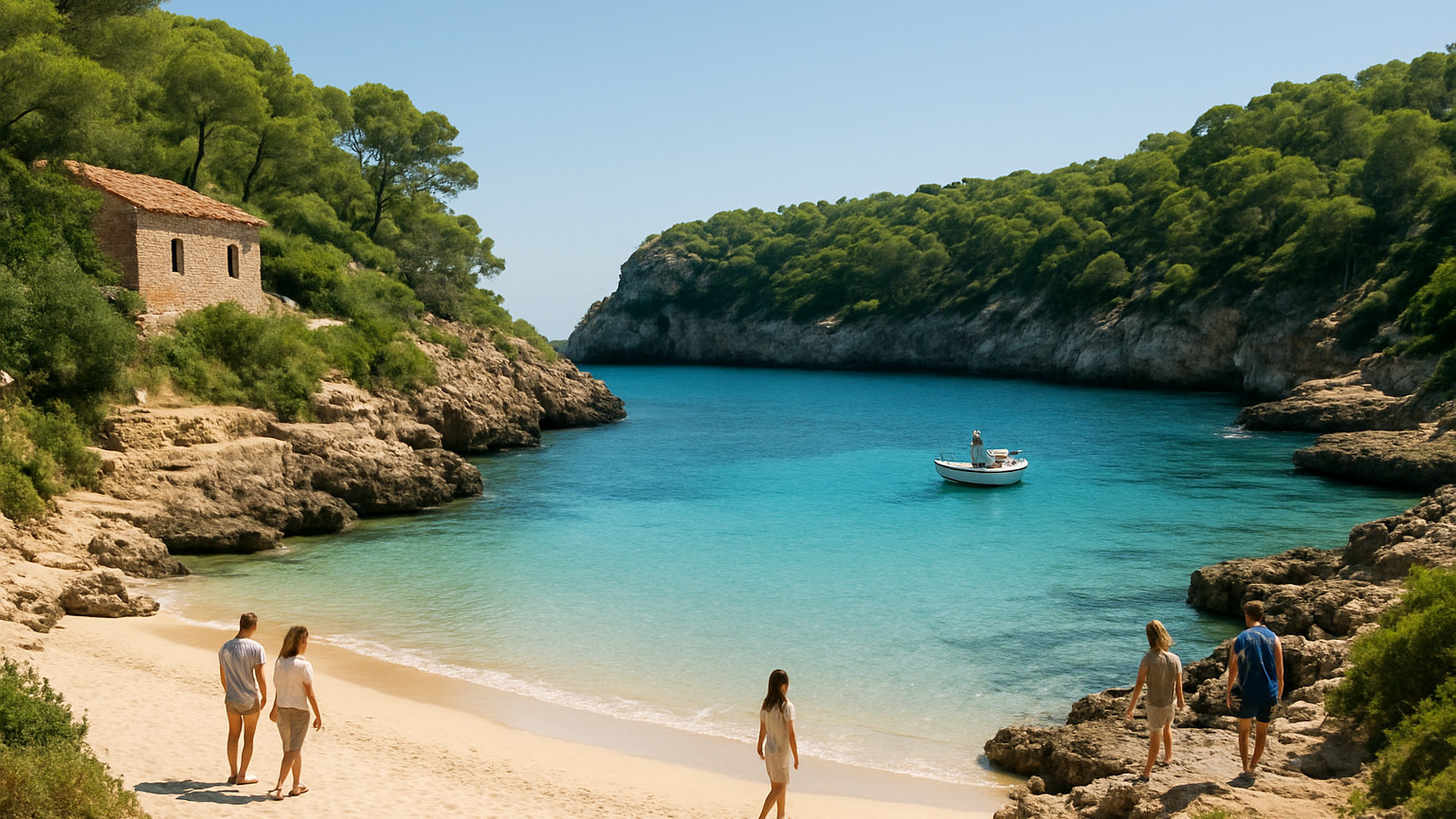
Two thirds of Ibiza is quiet pine forest, empty coves and a UNESCO old town, and the club scene occupies a small and avoidable corner of it.
Menorca is the quiet Balearic, with building restrictions that have kept the coast low-rise and a coastal path running the whole way round.
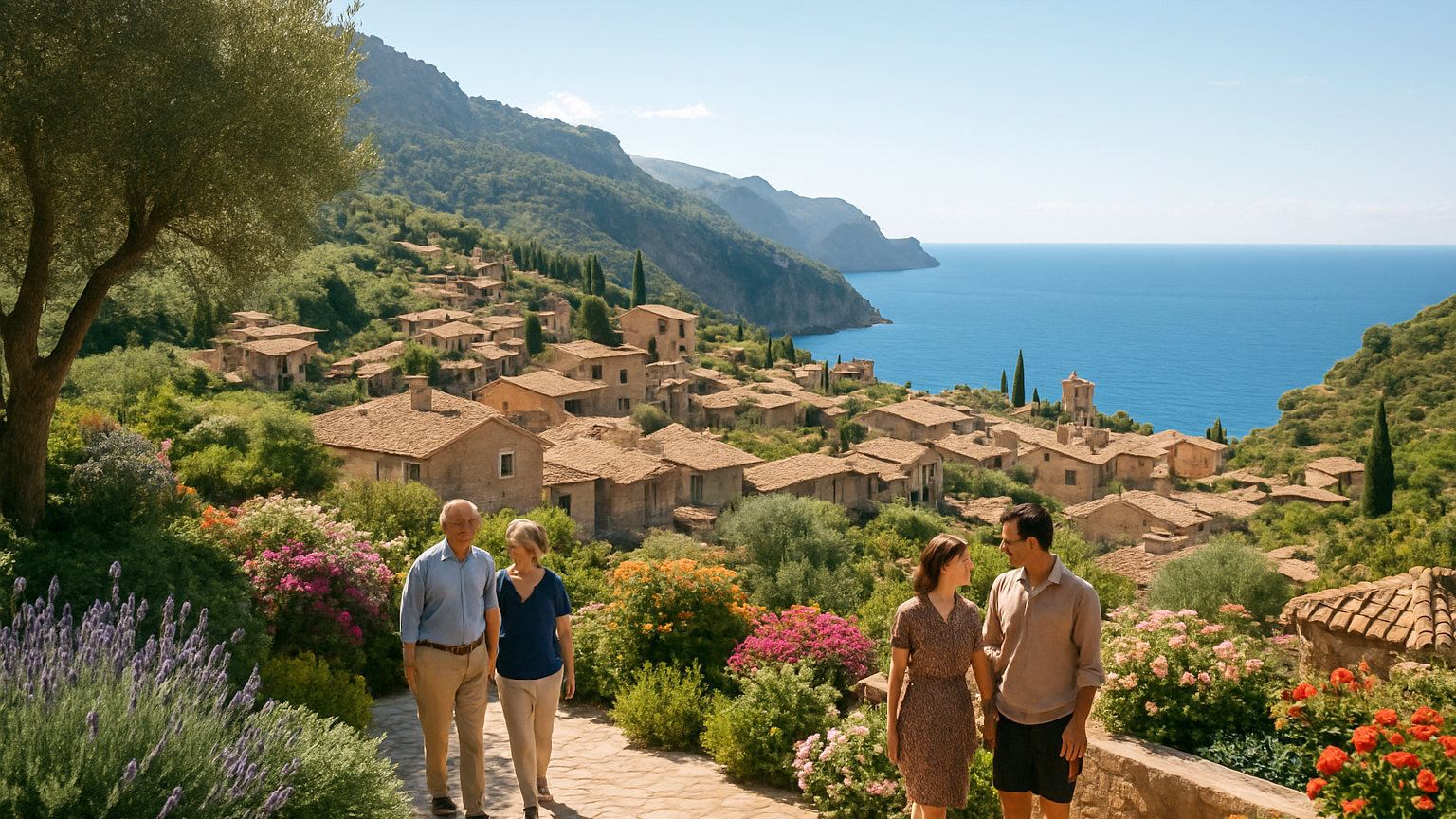
Majorca has a mountain range, a cathedral city and hill villages, and the resort reputation obscures all three. Where to go instead.
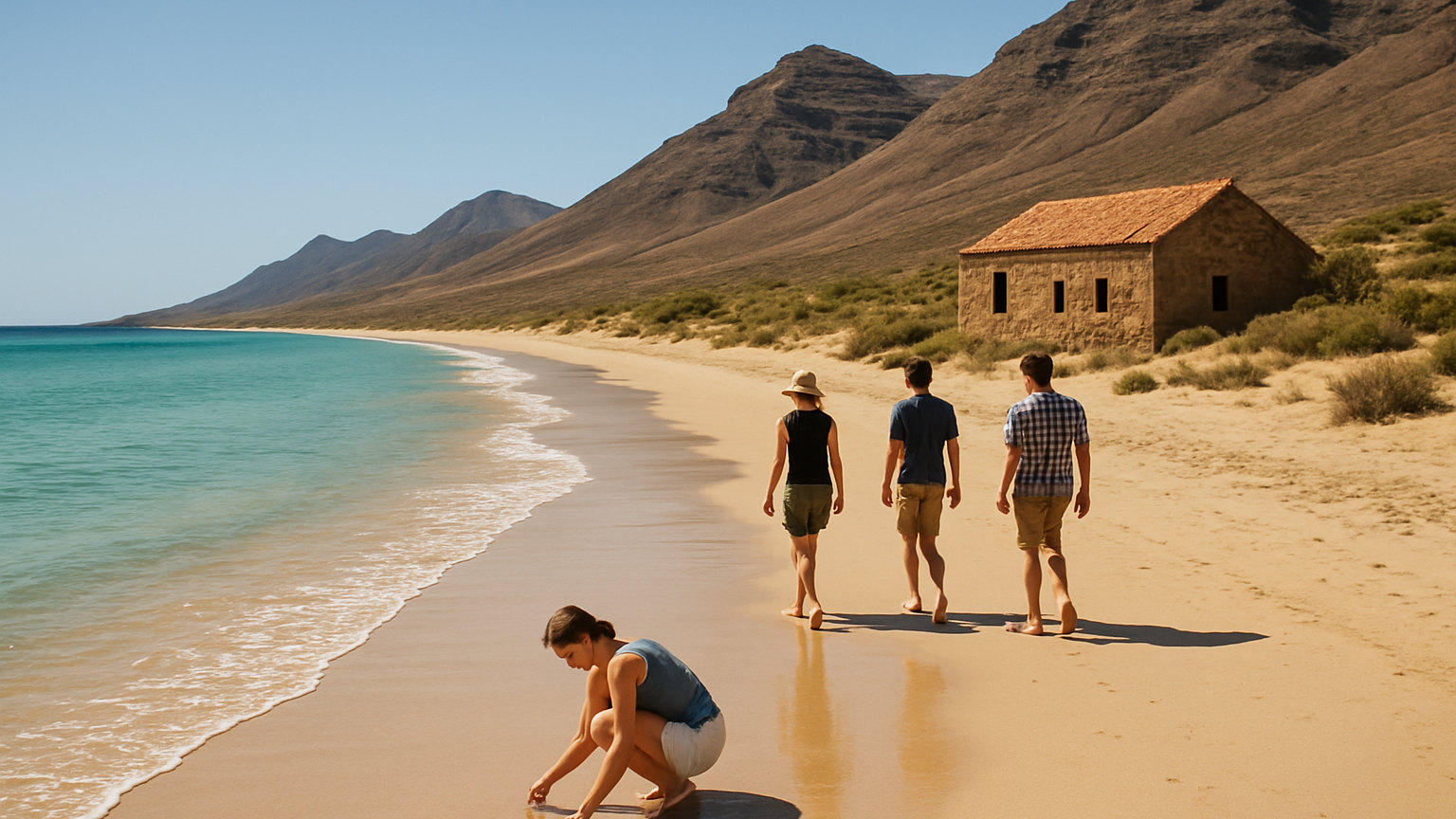
Fuerteventura has the best beaches in the Canaries and the least to do, which is exactly why some people return to it every year.
Gran Canaria is called a continent in miniature and largely earns it, with desert dunes in the south and pine forest and gorges in the centre.
Lanzarote looks like nowhere else in Europe because one architect spent forty years making sure of it. What to see beyond the resorts.
Tenerife is really two islands with different weather, and choosing the wrong side is the mistake that ruins more holidays here than any other.