When Does the Ski Season Start and End?
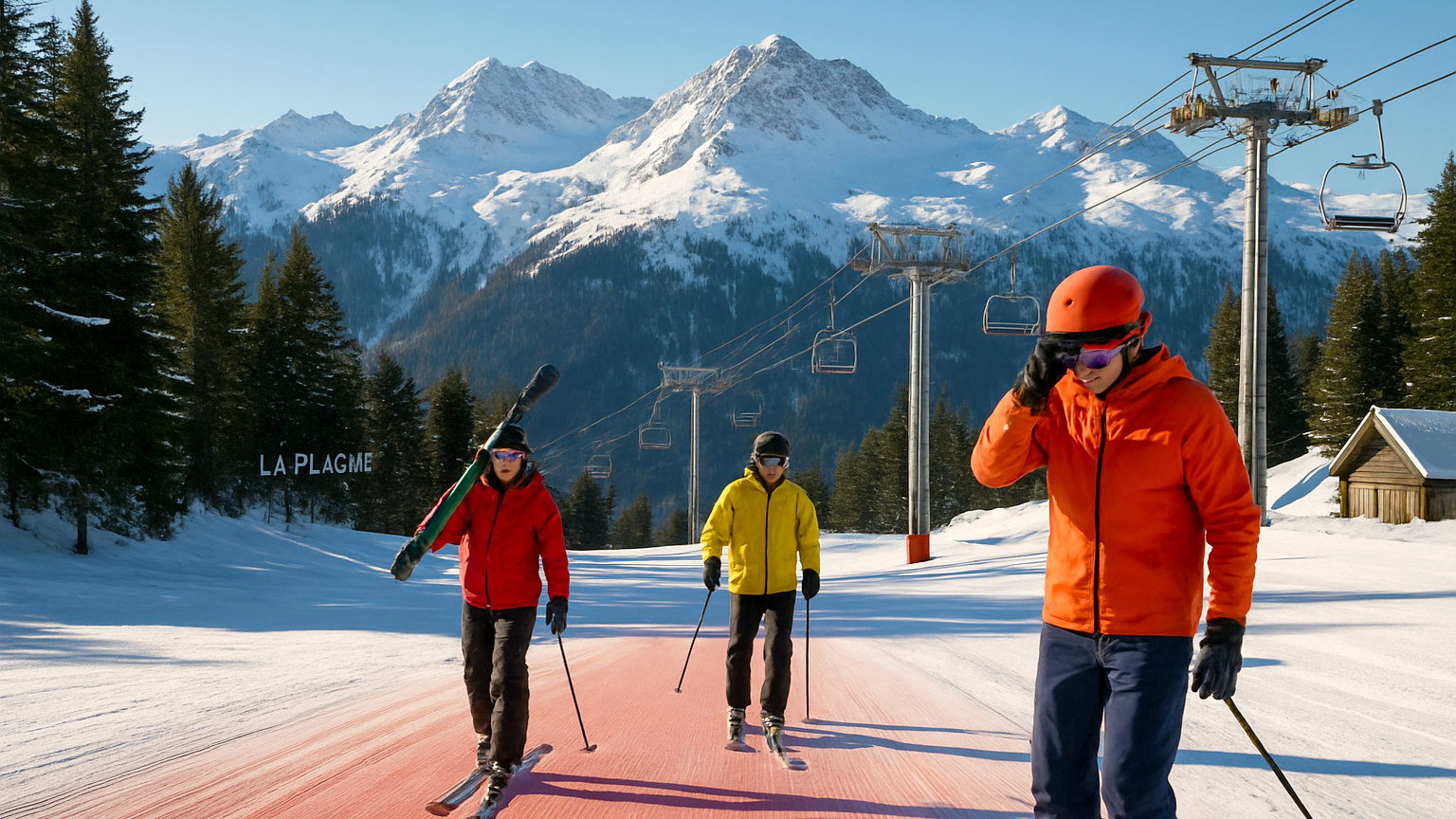
The season runs from December to April on paper and considerably shorter in practice at most resorts, with altitude deciding the difference.
By European Destinations Team
13 Aug 2026

Resorts by ability and budget, when the snow is reliable, and what a ski week really costs.
The season runs from December to April on paper and considerably shorter in practice at most resorts, with altitude deciding the difference.
Piste grading is set locally rather than to a European standard, so a red in one resort can be easier than a blue in another.
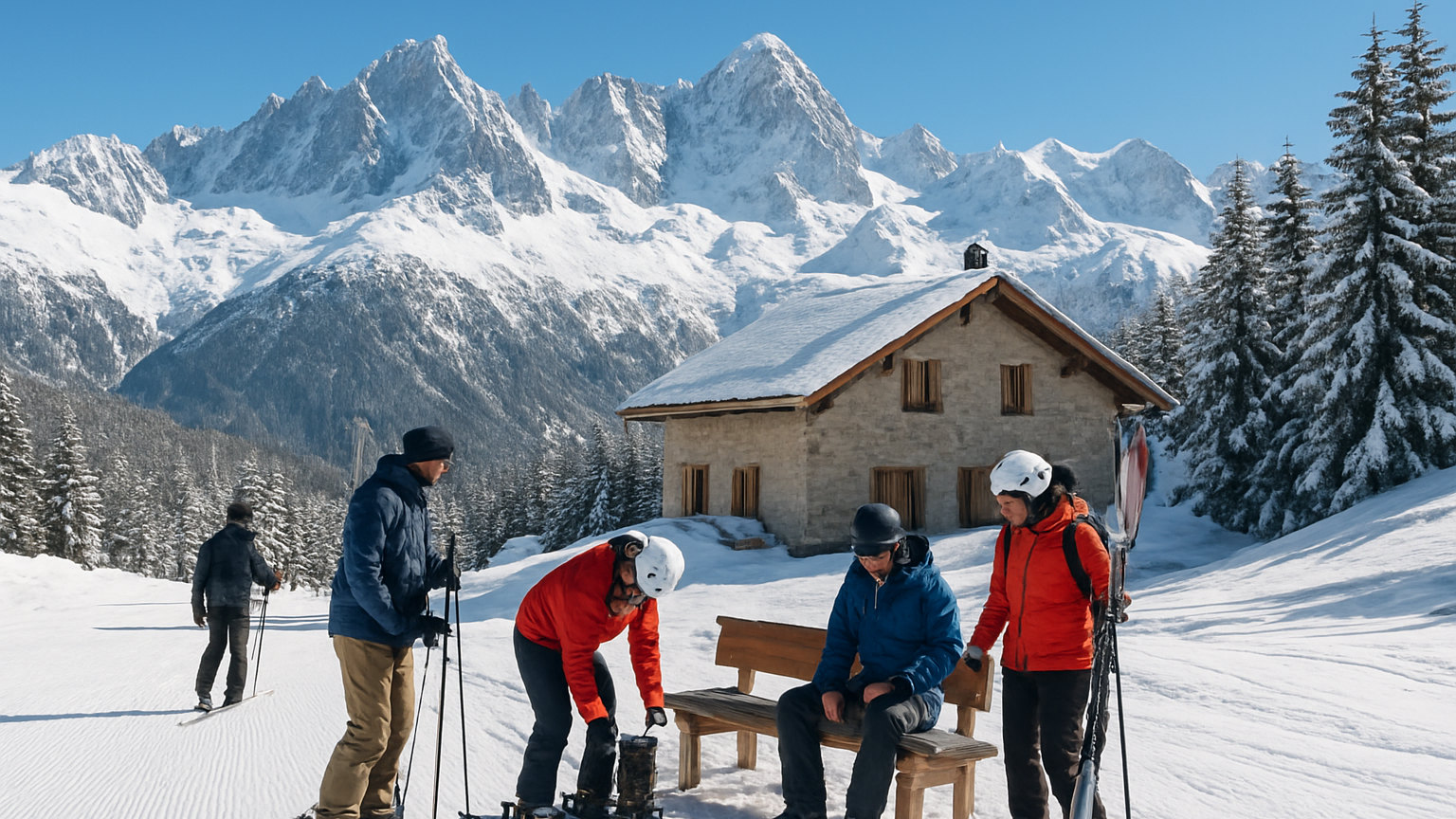
Hiring wins for almost everyone except on boots, which are the one piece of equipment worth owning from your second season.
Off-piste means unpatrolled and unsecured terrain, and the difference between it and a marked run is not difficulty but avalanche risk.
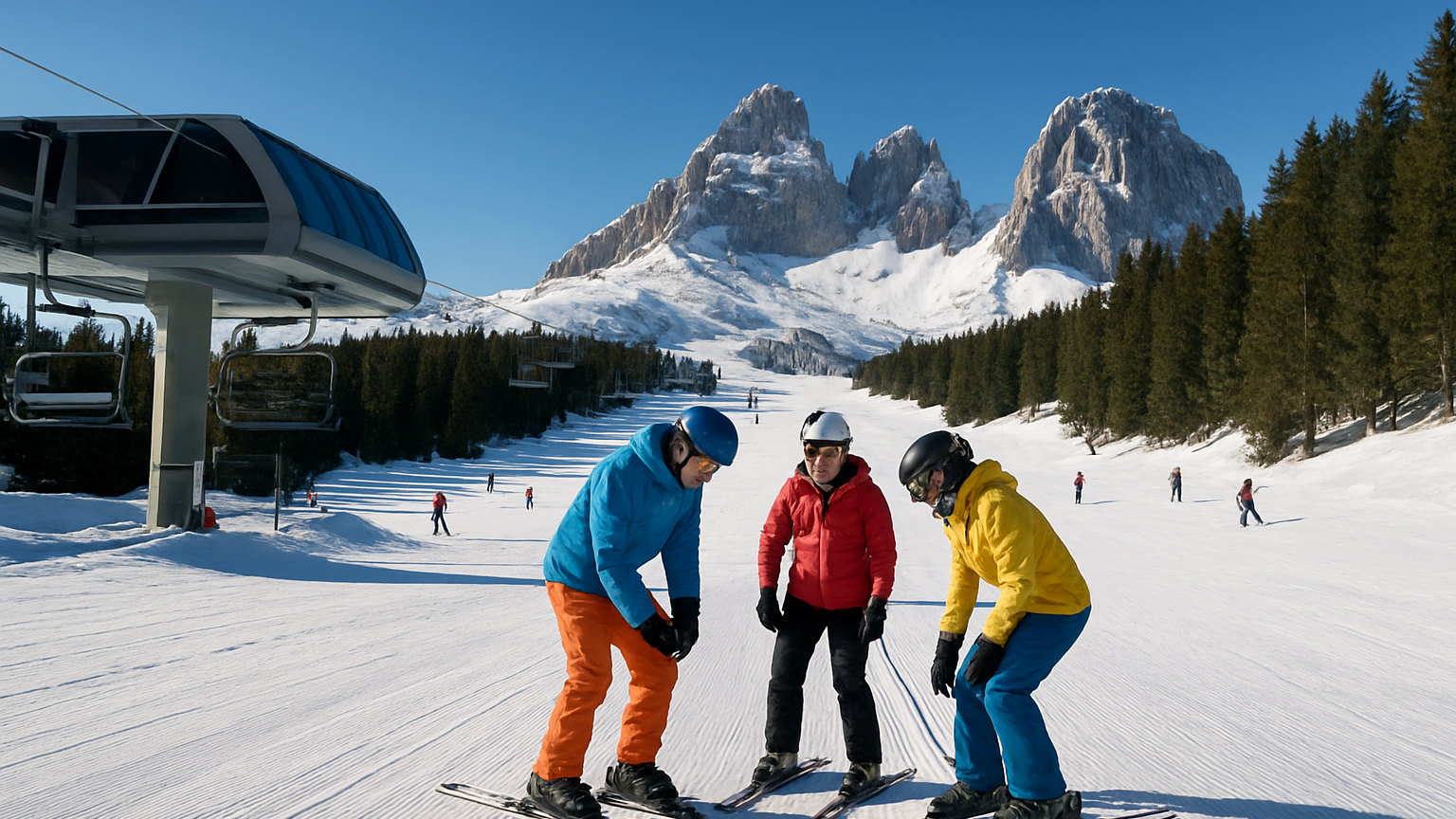
Most people stop having lessons far too early, which is why so many skiers spend years repeating the same intermediate faults.
The Alps are among the easiest places in Europe to reach by train, and several resorts have a station in the village itself.
Snow reliability is mostly a question of altitude and aspect, and the resorts that struggle are predictable from the map before you book.
A ski resort can be an excellent week without ever putting on skis, provided you choose one with a village rather than a lift station.
A ski holiday has six separate costs and the flight is rarely the largest, which is why budgets set on the package price consistently fall short.
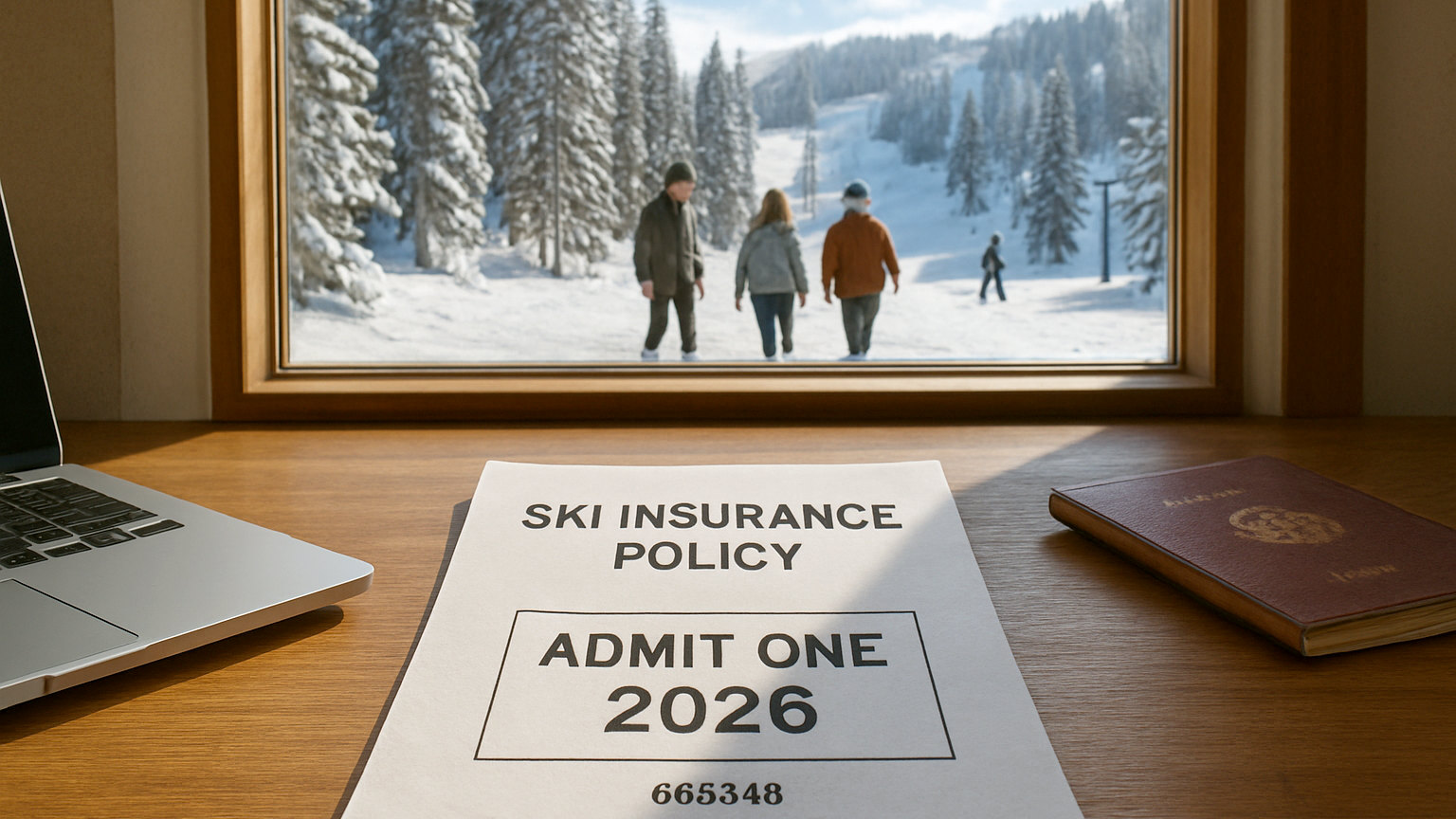
Standard travel insurance usually excludes skiing, and mountain rescue in the Alps is a cost worth understanding before you need it.
Beginners need a good nursery area and a good ski school, and almost everything else a resort advertises is irrelevant for a first week.
The six main European ski countries differ in cost, style and terrain more than the brochures suggest, and the cheapest is not always the right answer.