Which Island Beaches Are Worth the Journey?
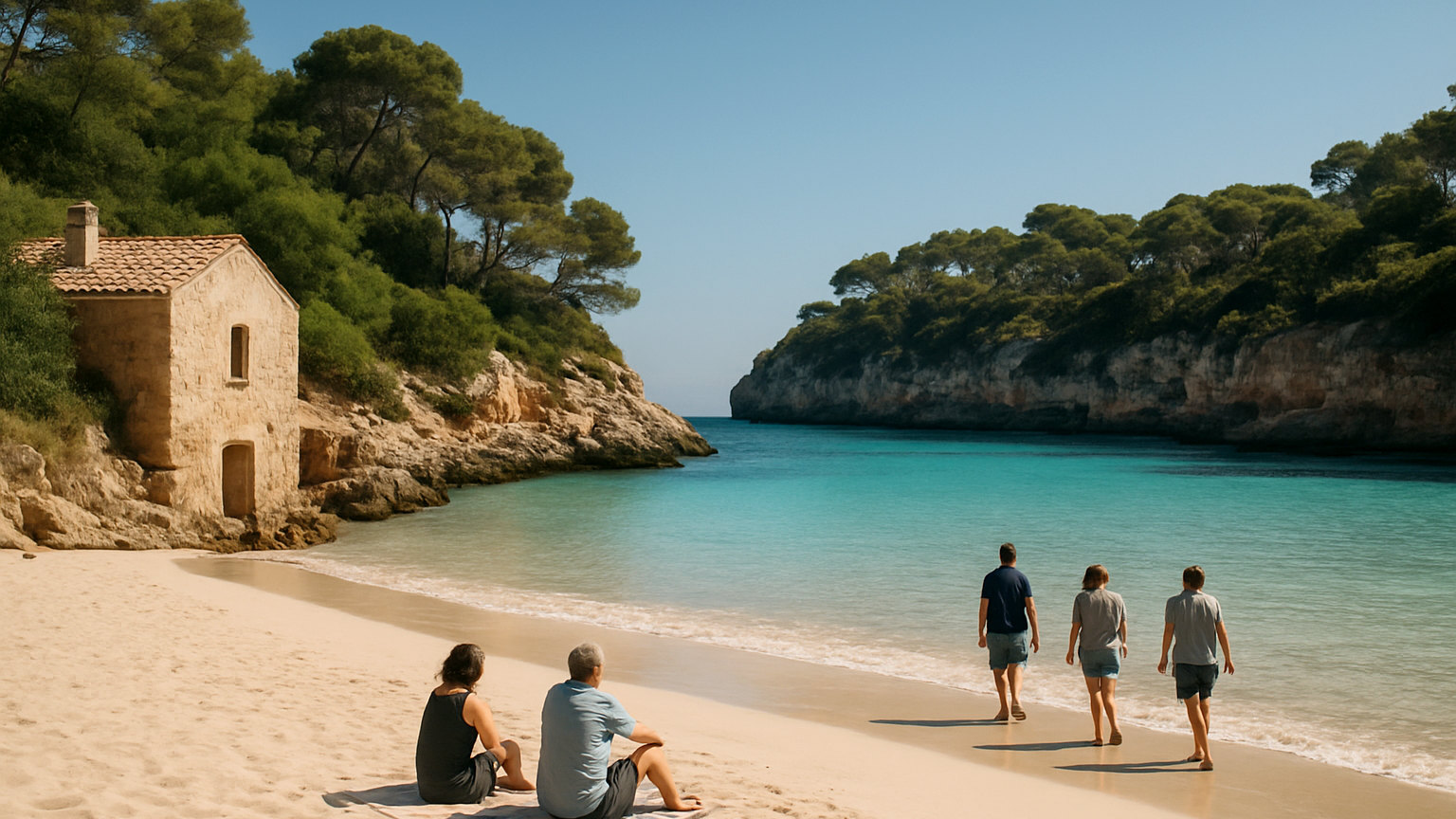
The best beaches in Europe are mostly on islands, and the ones without an airport are consistently the best of those.
By European Destinations Team
16 Aug 2026

Europe’s best beaches by country and island — sand, water, shade, parking and crowds.
The best beaches in Europe are mostly on islands, and the ones without an airport are consistently the best of those.
Most beach incidents in Europe involve currents, sun or misplaced confidence, and all three are largely preventable.
A beach out of season is a different place and frequently a better one, provided you know what closes.
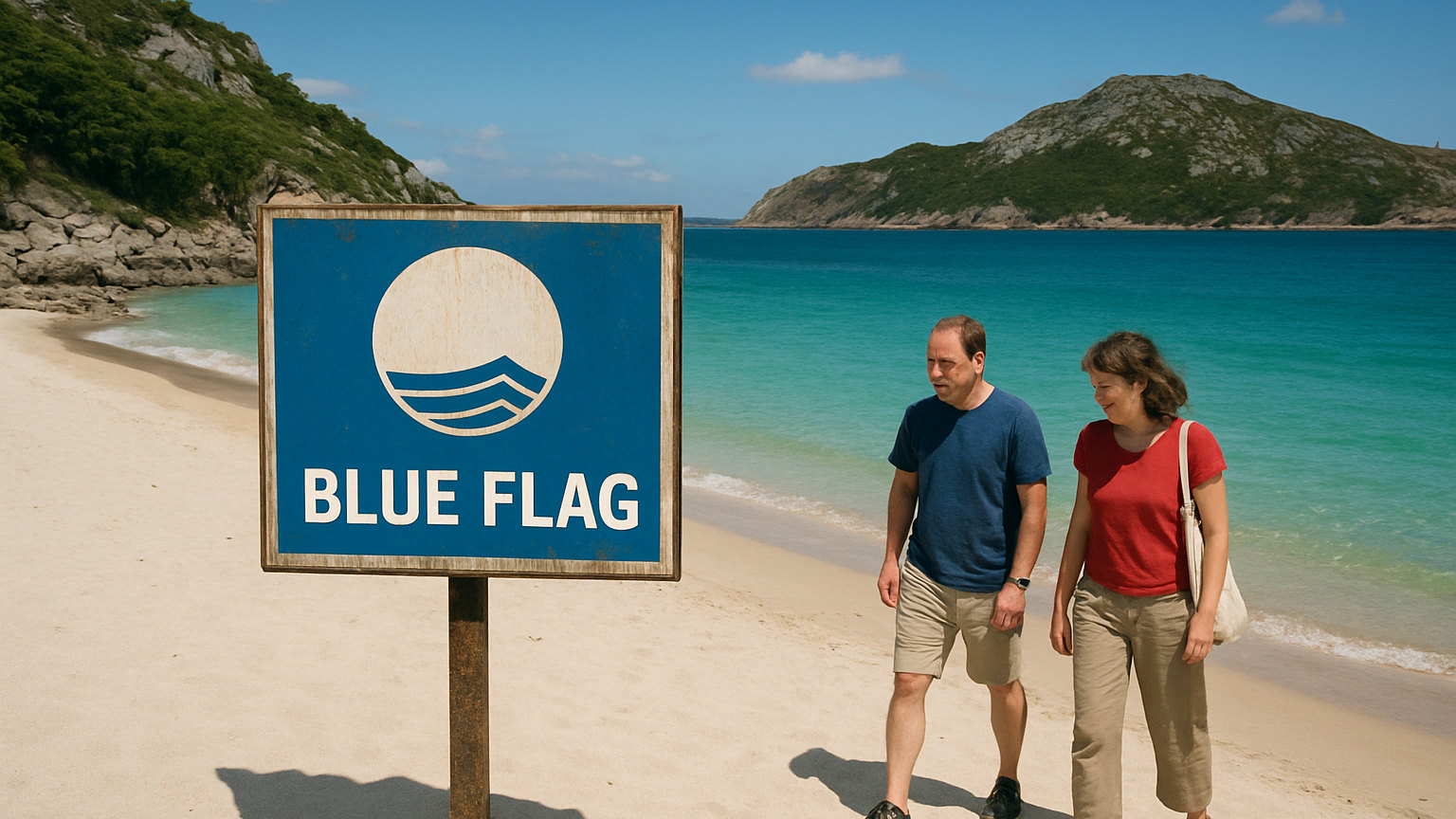
The Blue Flag certifies water quality, facilities and management, and it says nothing about whether a beach is beautiful.
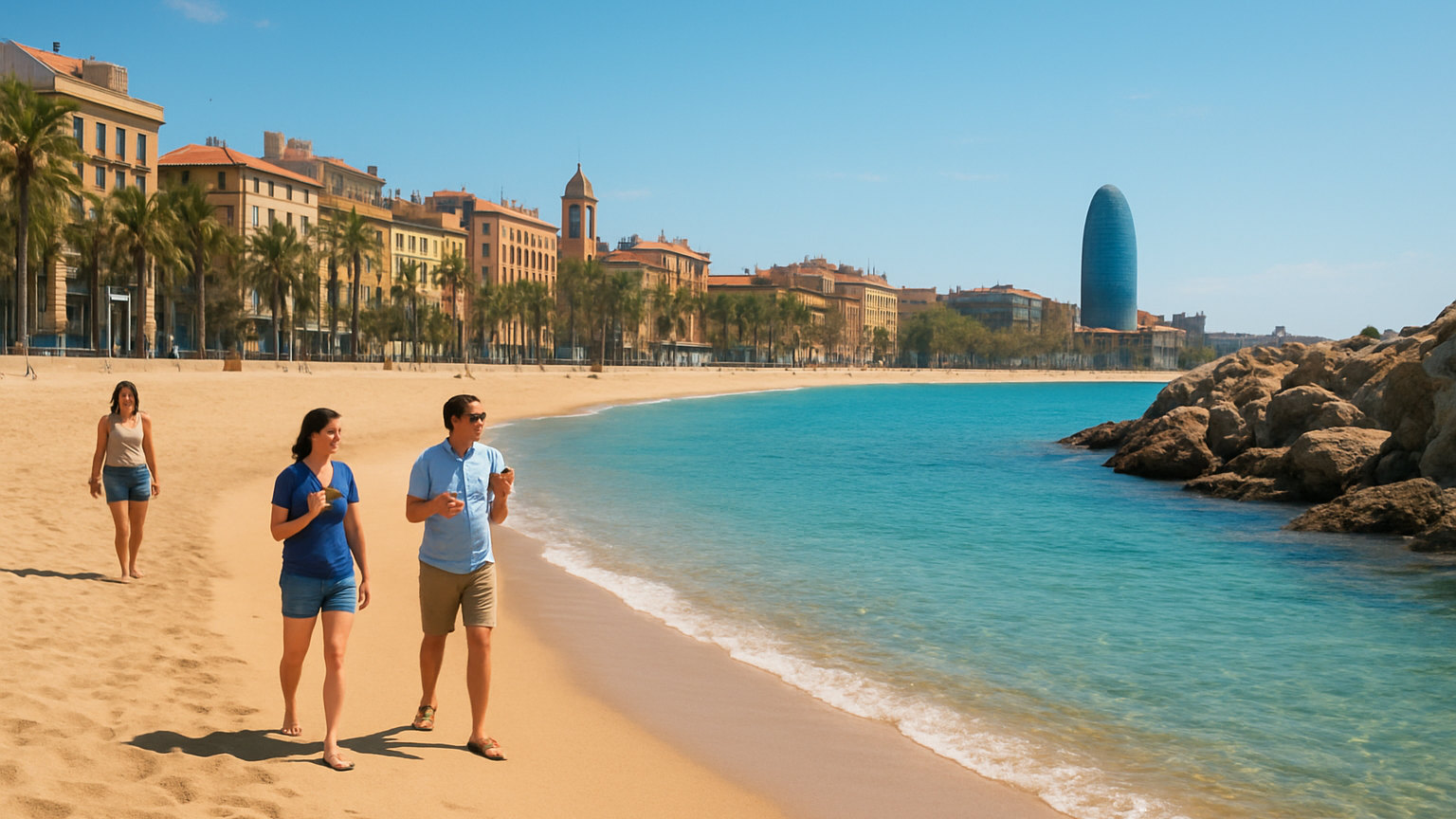
Several European cities have proper beaches within reach of the centre, which changes what a city break can be.
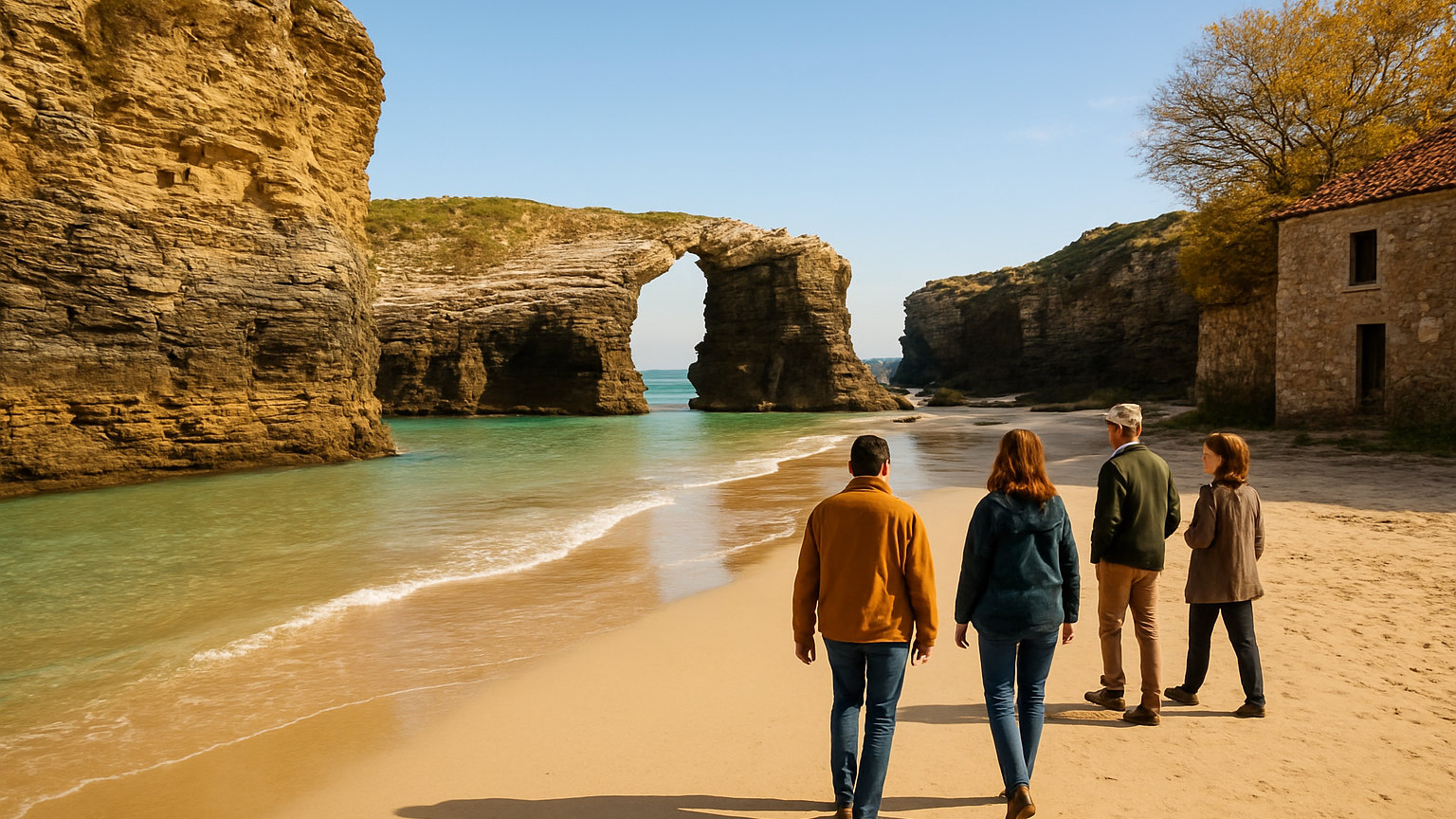
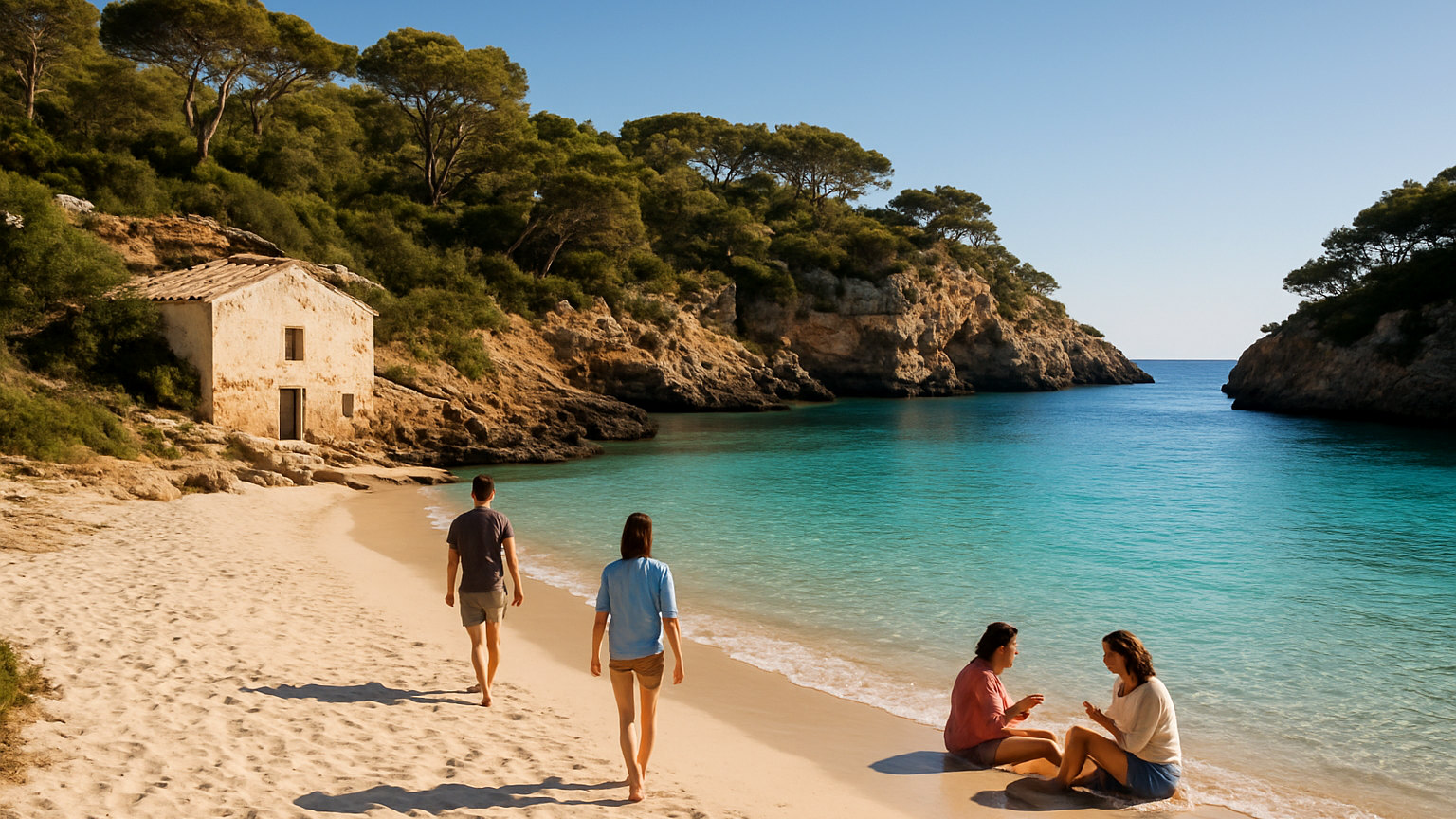
Empty beaches exist in peak season in predictable places, and most of them are a short distance from very full ones.
The sea lags the air by about two months, which is why September swimming is warmer than June almost everywhere in Europe.
Twenty minutes on foot removes ninety per cent of the people from almost any European beach, which is the best value effort in travel.
The best swimming beaches have calm clear water and a sheltered aspect, which rules out most of the dramatic ones.
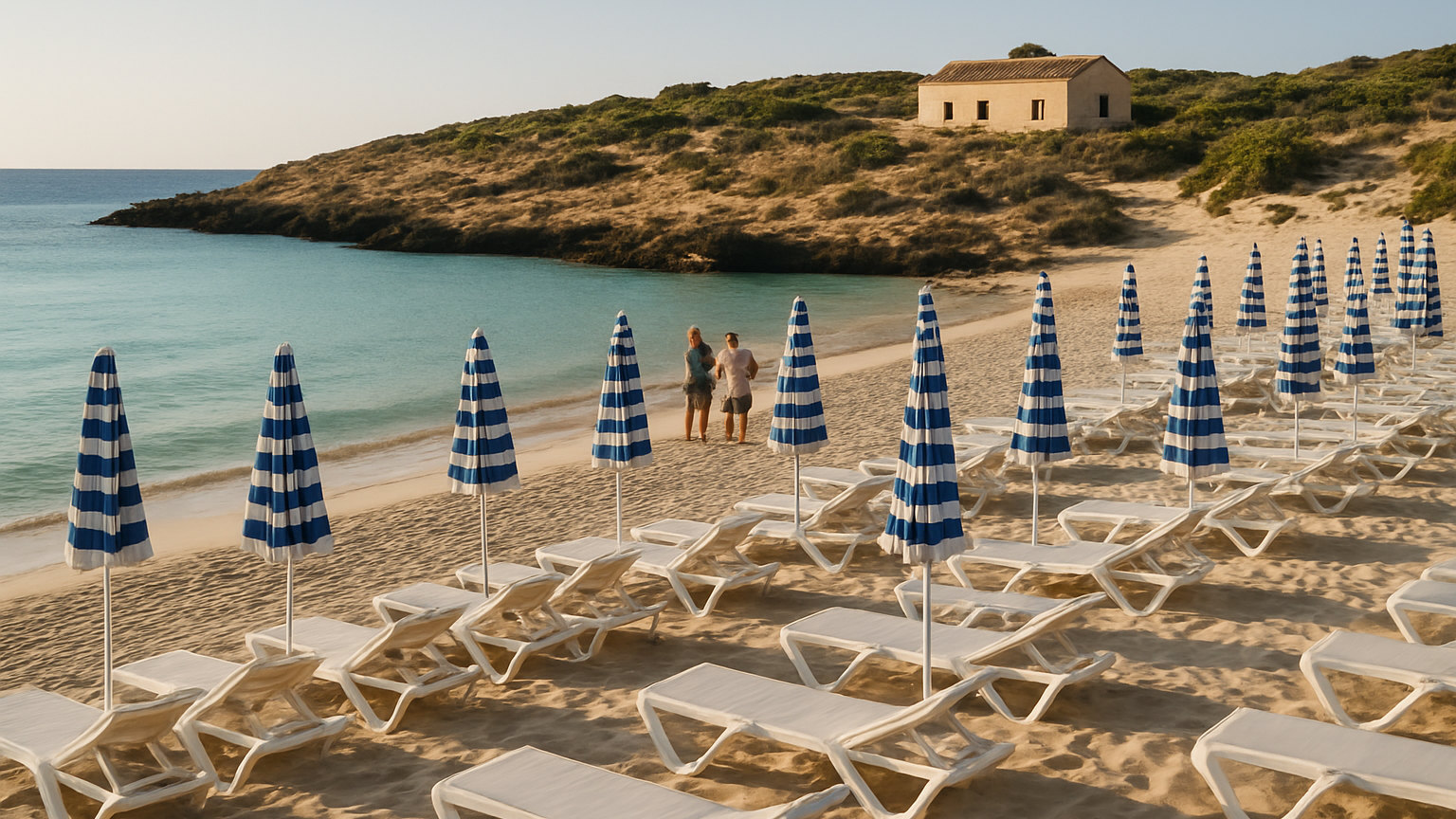
Large stretches of Italian and Spanish coast are run as concessions, and knowing how they work saves money and confusion.
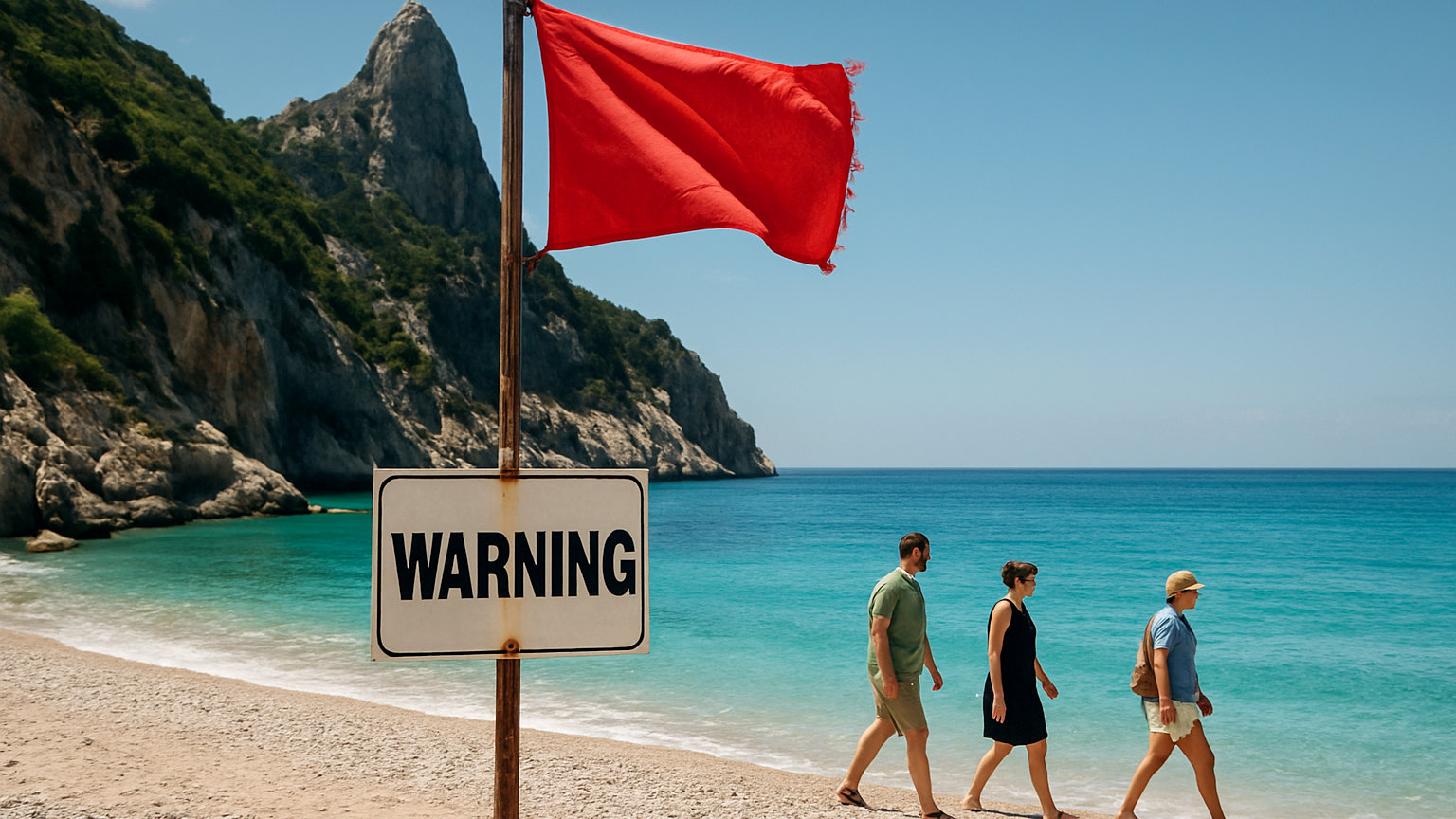
The flag system is broadly standard across Europe and widely ignored, and red means the sea is genuinely dangerous that day.
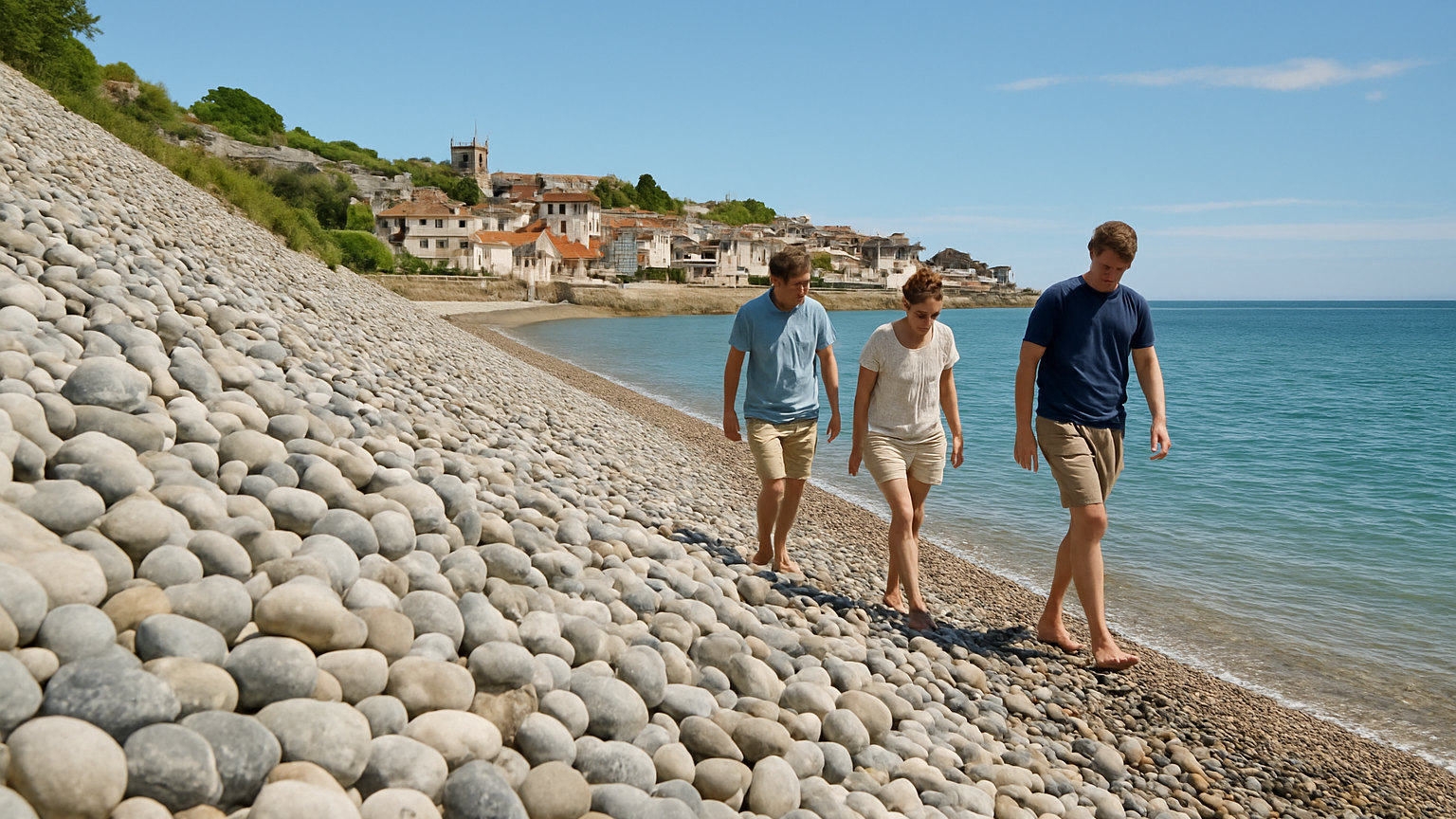
Pebble beaches have clearer water, less sand in everything and no crowds, and they require one piece of equipment.