When Does the Summer Season Start and End?
The summer season begins and ends on different dates depending on whether you mean the weather, the sea, the crowds or the opening hours.
By European Destinations Team
12 Aug 2026

June to August — where to go when everyone else is going too, and how to avoid the worst of it.
The summer season begins and ends on different dates depending on whether you mean the weather, the sea, the crowds or the opening hours.
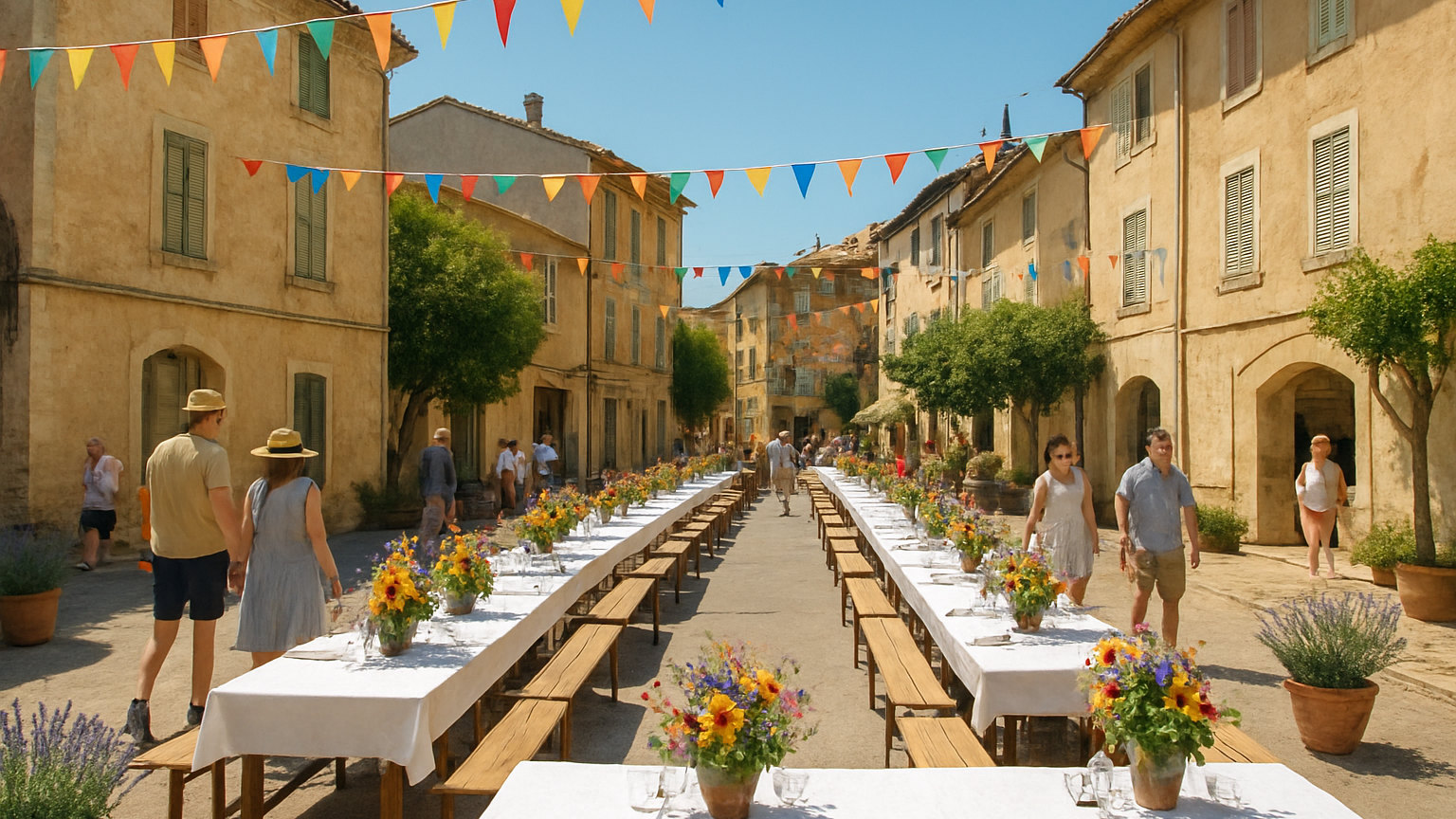
A handful of European summer events are worth building a trip around, and a similar number are worth deliberately avoiding.
Inland southern Europe is the hottest part of the continent, and the places within it that stay comfortable are all high, wooded or beside water.
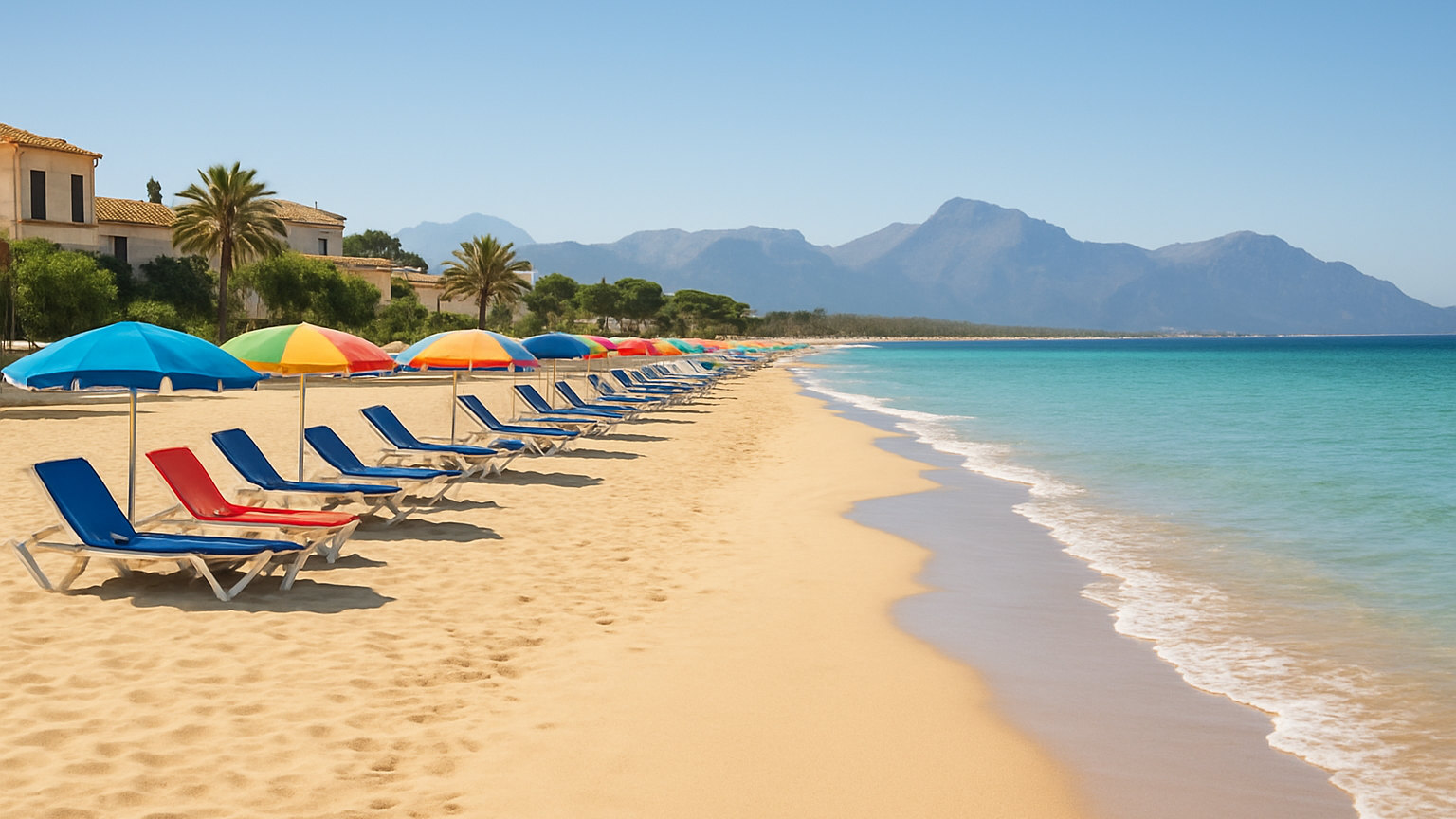
Crowds in Europe are concentrated in predictable places at predictable hours, and most of them can be avoided by moving twenty minutes or two hours.
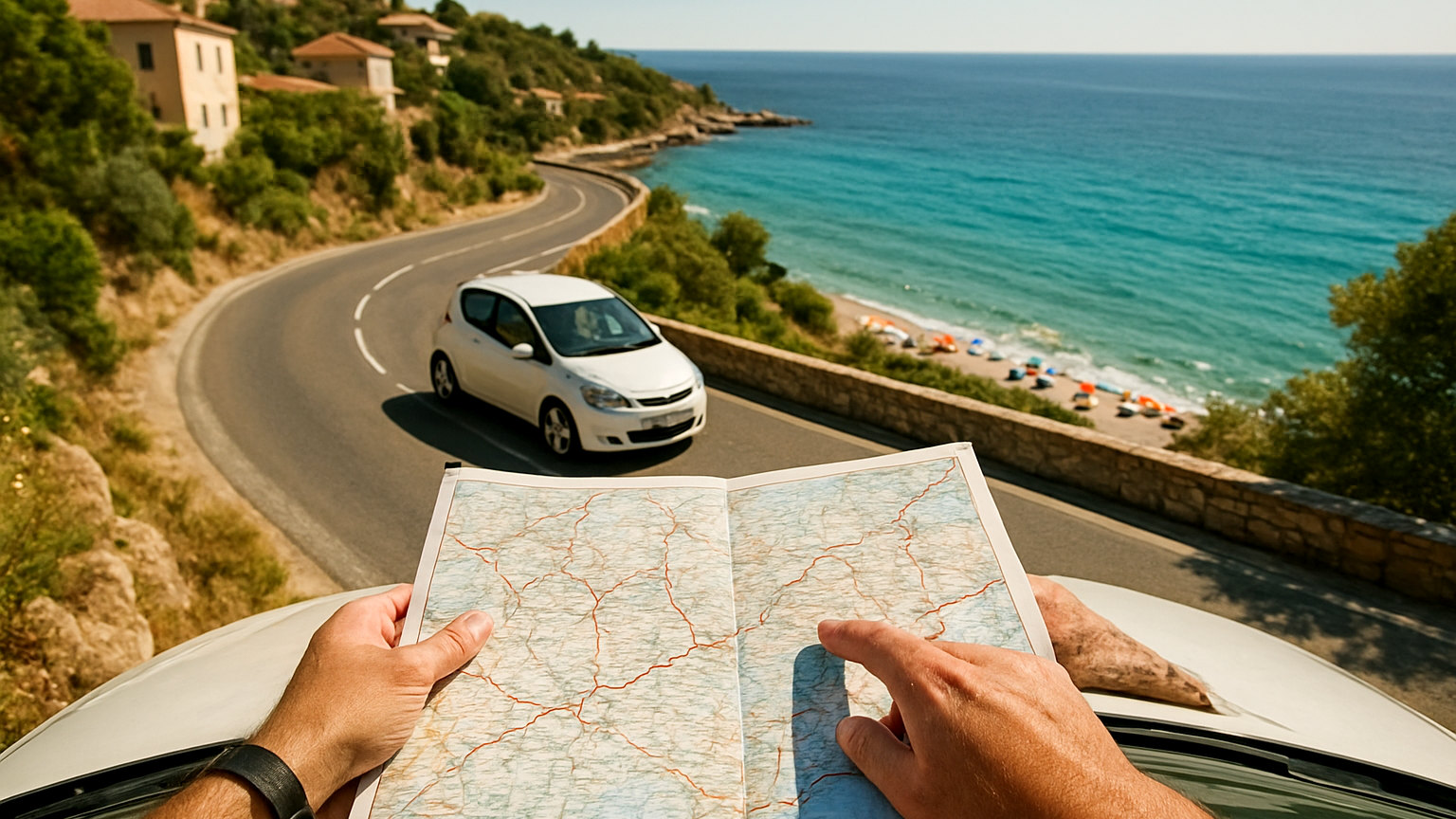
A European road trip is a planning problem rather than a driving one, and the mistakes are tolls, city restrictions and covering too much ground.
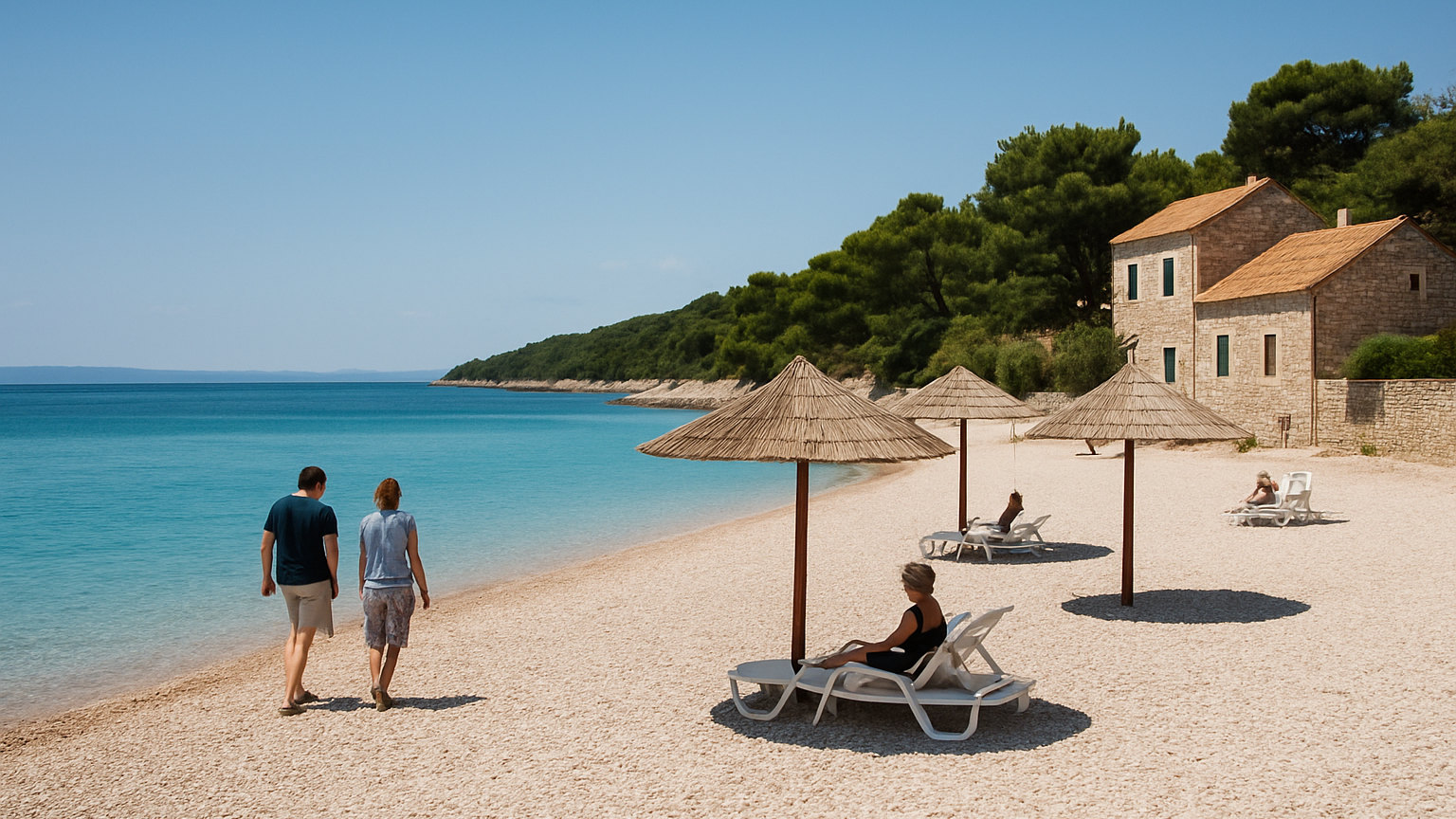
A summer holiday does not have to involve sand, and the alternatives are cheaper, cooler and considerably less crowded.
Some of the best places in Europe are open for eight weeks a year, which makes them crowded in that window and unreachable outside it.
A surprising number of European lakes reach twenty-four degrees in summer, and swimming in them is the best answer to a heatwave inland.
Peak summer costs more, delivers worse conditions in the south and is still the right choice for several kinds of trip.
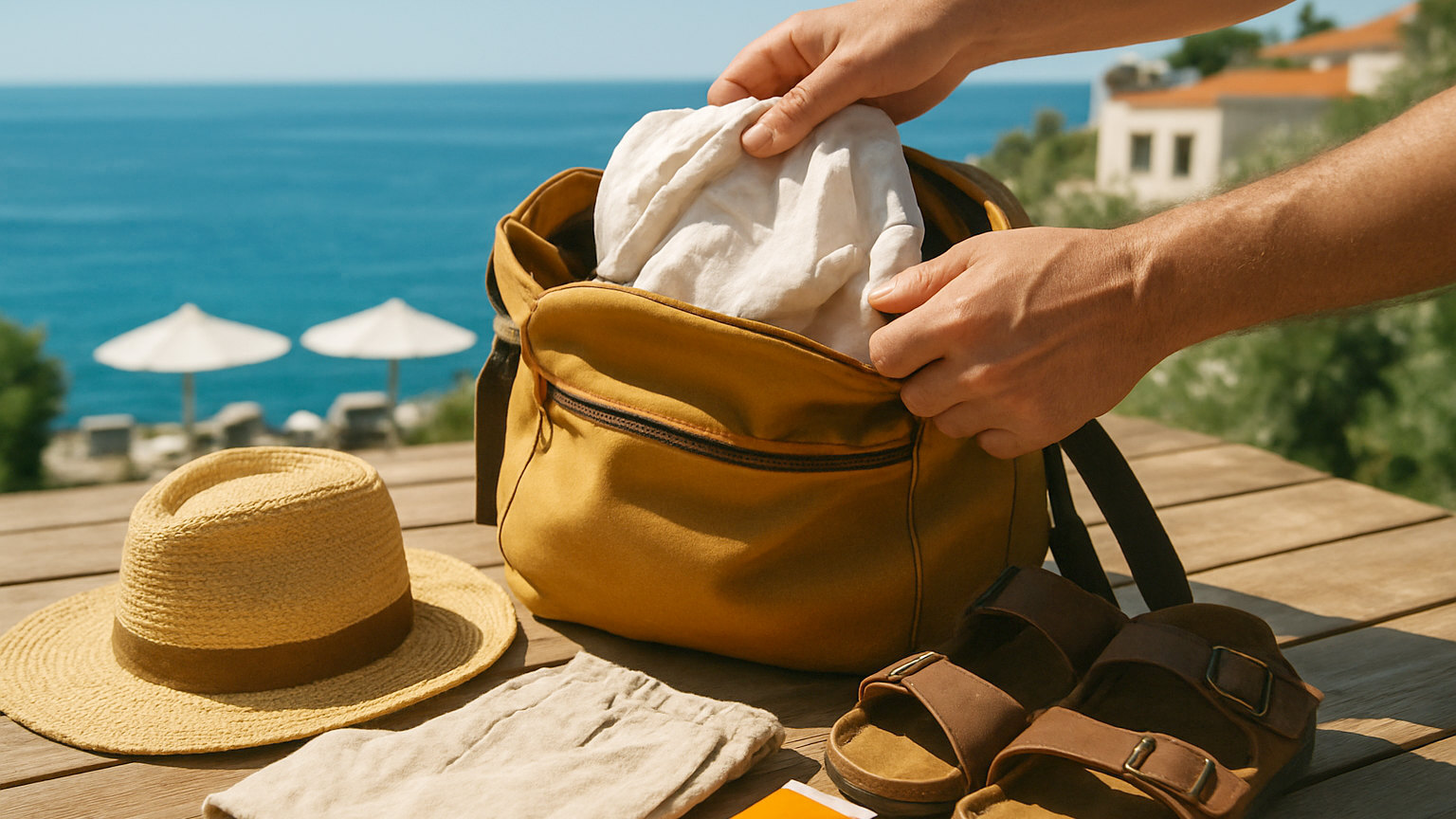
Summer packing errors are predictable: too many clothes, the wrong shoes and nothing for the two situations that always arise.
Everyone tied to school dates pays a premium and gets the crowds, and the destinations that handle both well are a specific list.
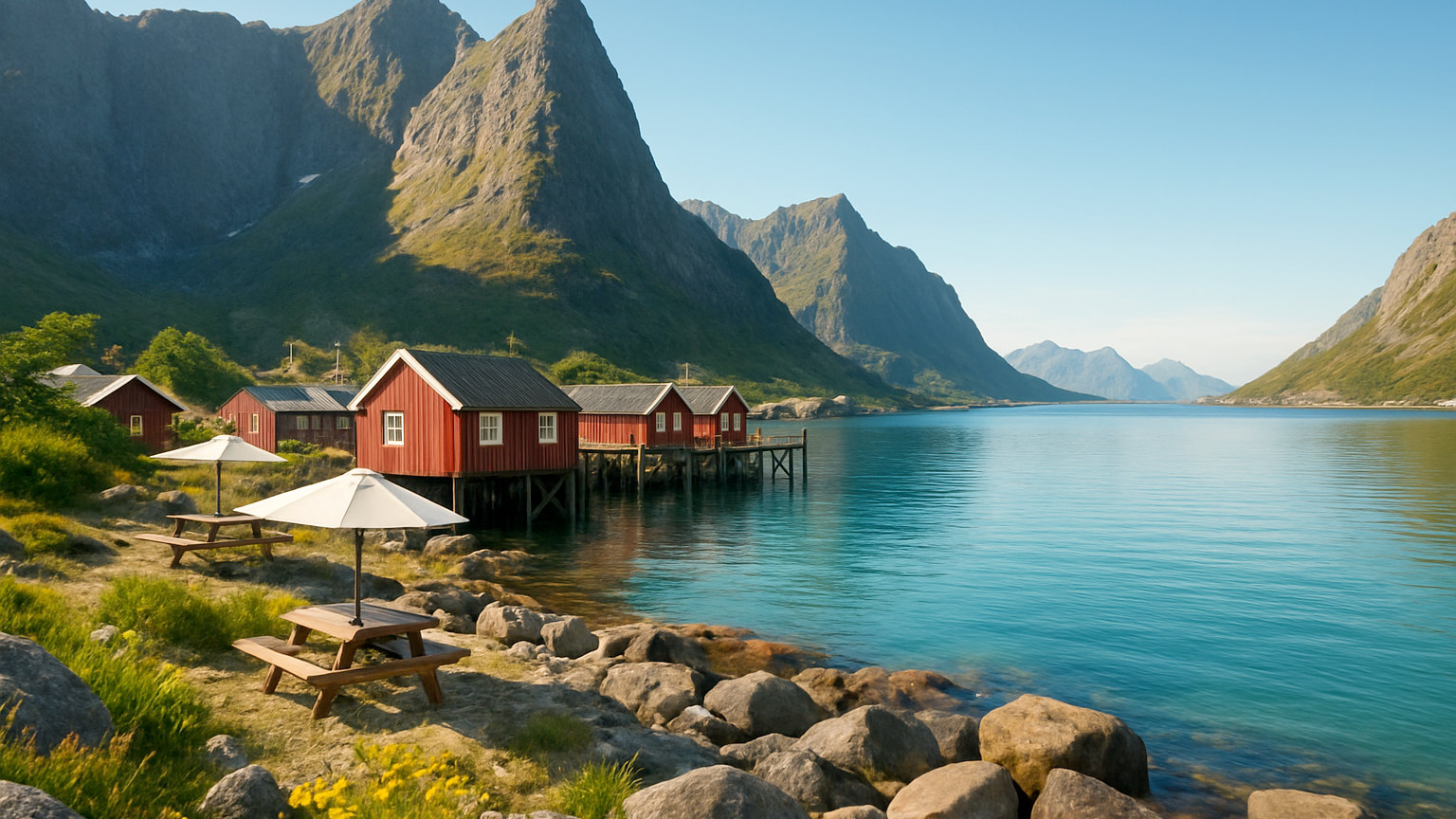
In July and August the north has better weather than the south for most purposes, which reverses the assumption most British travellers start from.