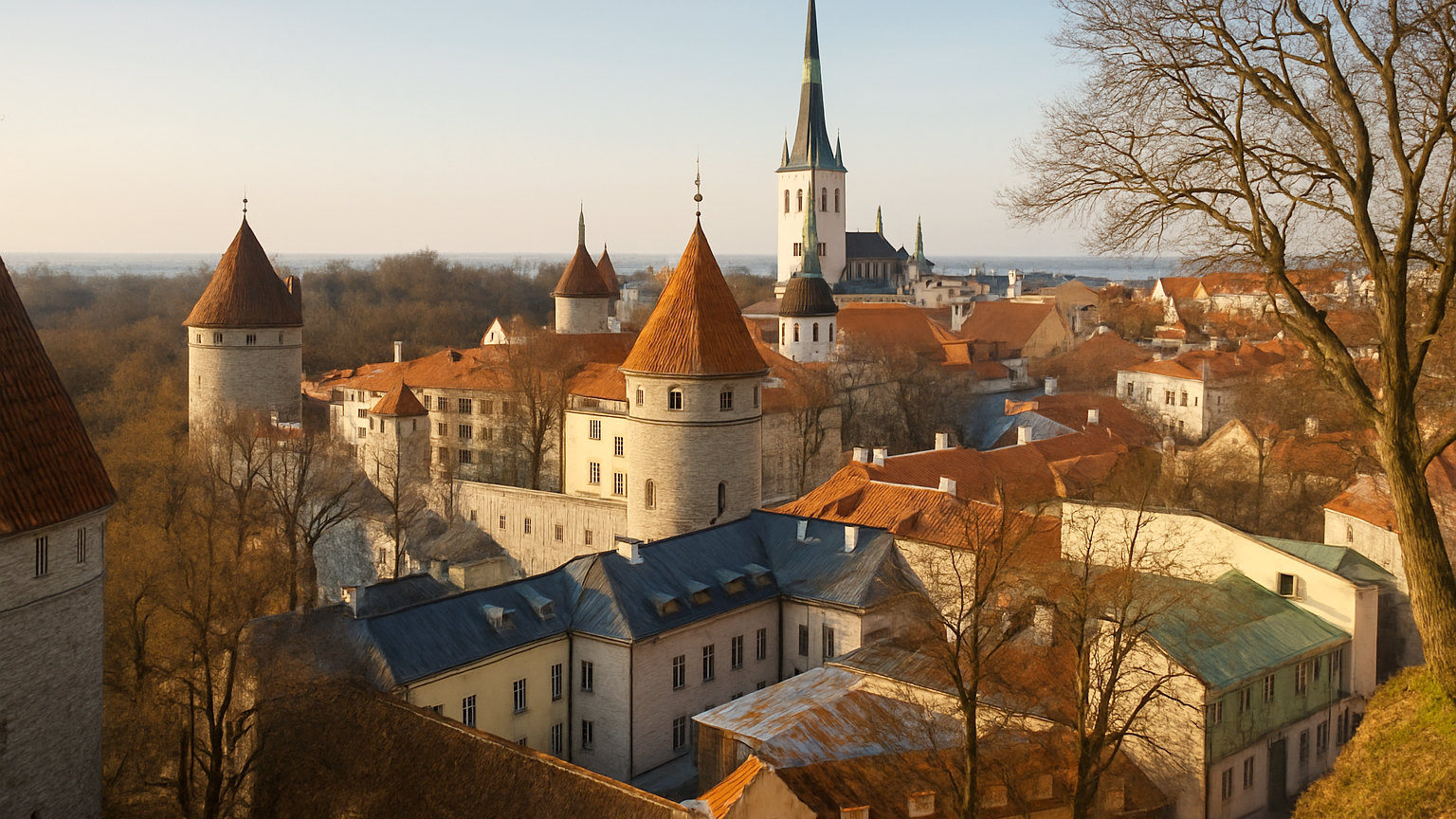
Tallinn has one of the best preserved medieval old towns in Europe and it is small. That combination means the season matters more here than in a larger city, because a few thousand cruise passengers fill it completely.
What are the best months?
May, June and September. Long daylight, mild weather, everything open and noticeably fewer visitors than the July and August peak.
How bad are the cruise crowds?
Significant from roughly May to September, when ships call from the Baltic circuit and several thousand people walk the old town between mid morning and late afternoon. The streets are narrow and it is immediately obvious.
Arriving early or staying overnight, when the ships have left, transforms the experience.
What is summer like?
Pleasant and short, usually around twenty degrees with very long daylight in June. The city has outdoor terraces, a coastline and parks, and Estonians make the most of the season.
What about winter?
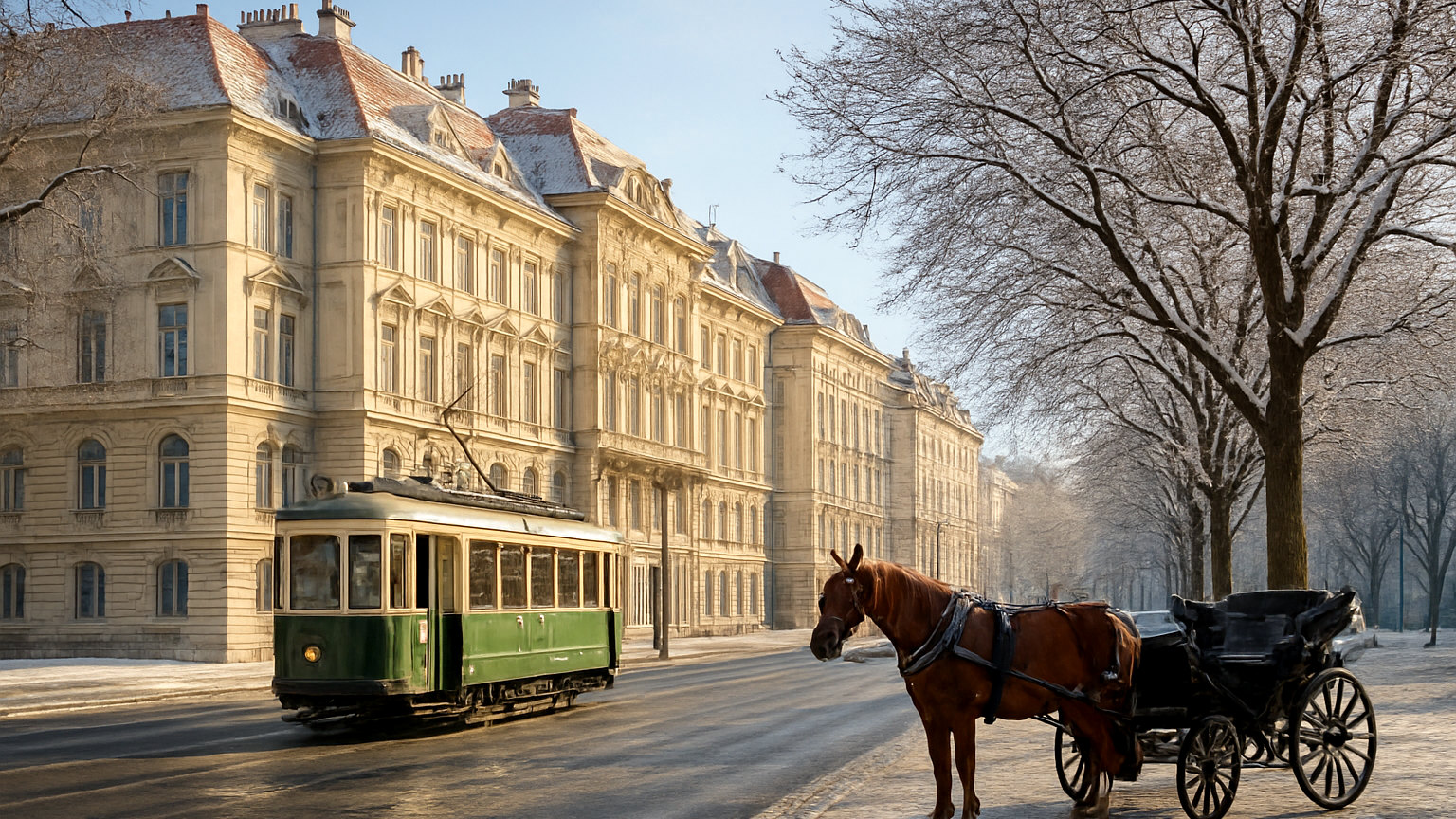
Cold, with temperatures well below freezing and snow cover likely. The old town under snow is genuinely beautiful and almost empty, and prices are at their lowest.
Is the Christmas market worth it?
It has a strong reputation and sits in the medieval town hall square, which is the right setting. It runs through Advent and brings the one winter period when the city is busy and prices rise.
How short is the daylight?
Around six hours in December, with dark by mid afternoon. Sightseeing needs to be concentrated into the middle of the day, and the compensation is a long atmospheric evening.
When is it cheapest?
January to March after the Christmas period. Estonia is inexpensive by northern European standards and these months are the lowest of all.
What is there beyond the old town?
Kalamaja, the wooden house district with a strong food and cafe scene. The Telliskivi creative quarter. The seaplane harbour museum. These are where the city actually lives and they are quiet in any season.
How long do you need?
Two nights. The old town is a morning, Kalamaja and Telliskivi an afternoon, and the museums fill the rest. Staying overnight rather than visiting on a day trip from Helsinki is the main recommendation.
What about the ferry from Helsinki?
Two hours across the gulf, frequent and inexpensive, and it runs year round. It is why Tallinn receives so many day visitors, and why staying the night gives you a different city.
Which month would you choose?
September, for mild weather, long enough days, autumn colour and the cruise season tailing off. May is the other strong choice.
Is it a good day trip or an overnight?
An overnight, clearly. The day-trip window from Helsinki coincides exactly with the busiest hours, and the old town in the early morning and the evening, when the ships have gone, is the version worth seeing.
What about the wider country?
Lahemaa national park, an hour east, for forest, bogs and coastline, and Tartu inland as a university city. Both are quiet in any season and easy by bus or car.
How does the weather compare with Helsinki?
Slightly milder, being further south across the gulf, with a similar pattern of short warm summers and long cold winters. Snow cover is usual from December to March and the old town handles it well.
When do the ships stop calling?
Broadly from October, which is when the old town becomes quiet again for the winter.
How cheap is it?
Noticeably below the Nordic capitals across the water and comparable with the other Baltic states. Accommodation and eating out are both reasonable, which makes an overnight stay easy to justify over a day trip.
When Is the Best Time to Go to Riga? is the natural next read, alongside the wider Seasons section.
The short answer
May, June and September are best, with September the pick. The old town is small and fills with cruise passengers between mid morning and late afternoon from May to September, so stay overnight rather than visiting for the day. Winter is cold, snowy, cheap and very quiet.