How Do You Find Cheap Accommodation in Europe?
Accommodation is usually the largest line in a holiday budget, and the biggest savings come from where you stay rather than from hunting for deals.
Where a week in Europe still costs less than a week at home, and how to keep it that way.
Accommodation is usually the largest line in a holiday budget, and the biggest savings come from where you stay rather than from hunting for deals.
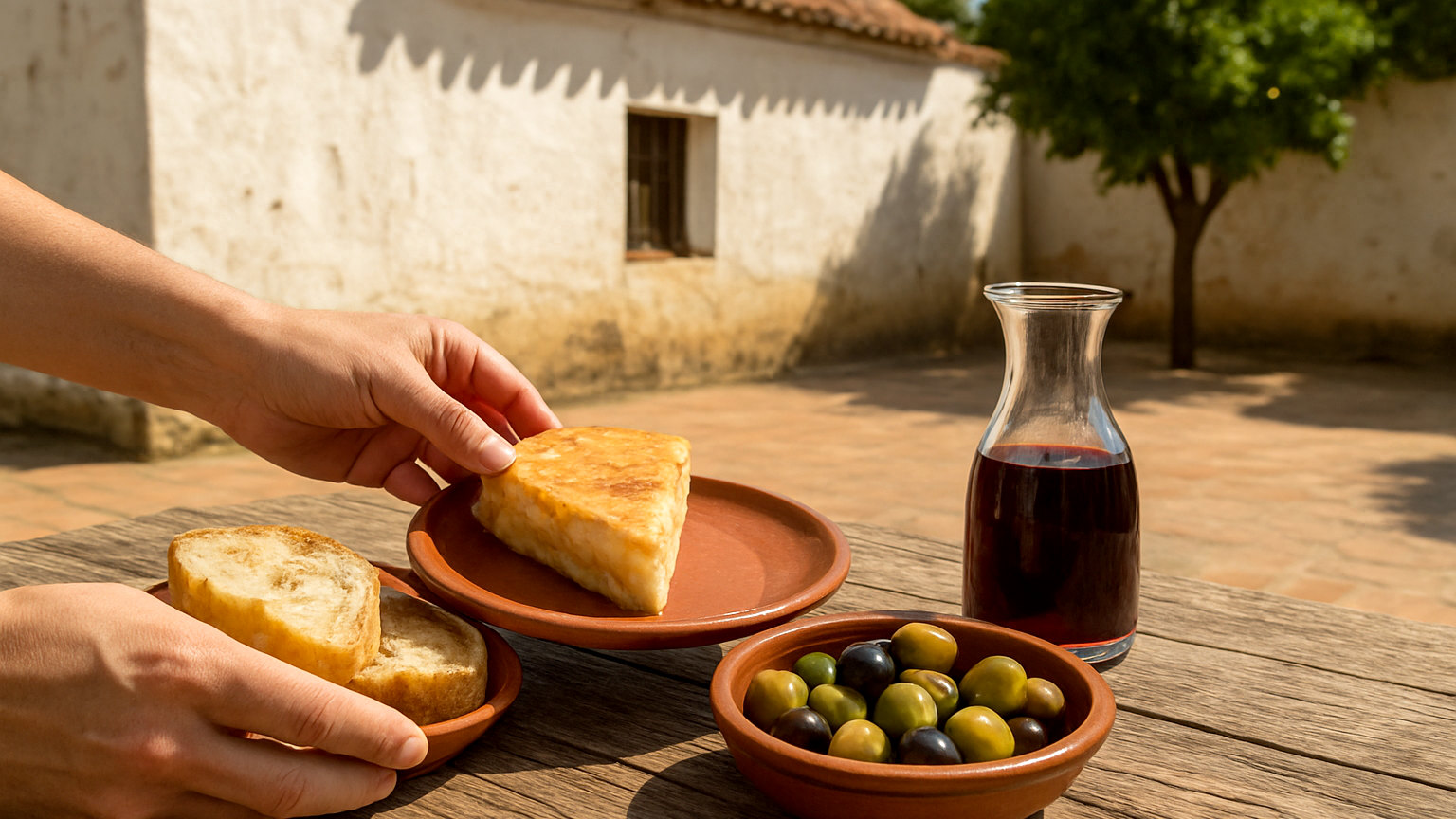
Eating cheaply abroad is mostly about eating like a resident rather than eating less, and the best value meals are often the most local.
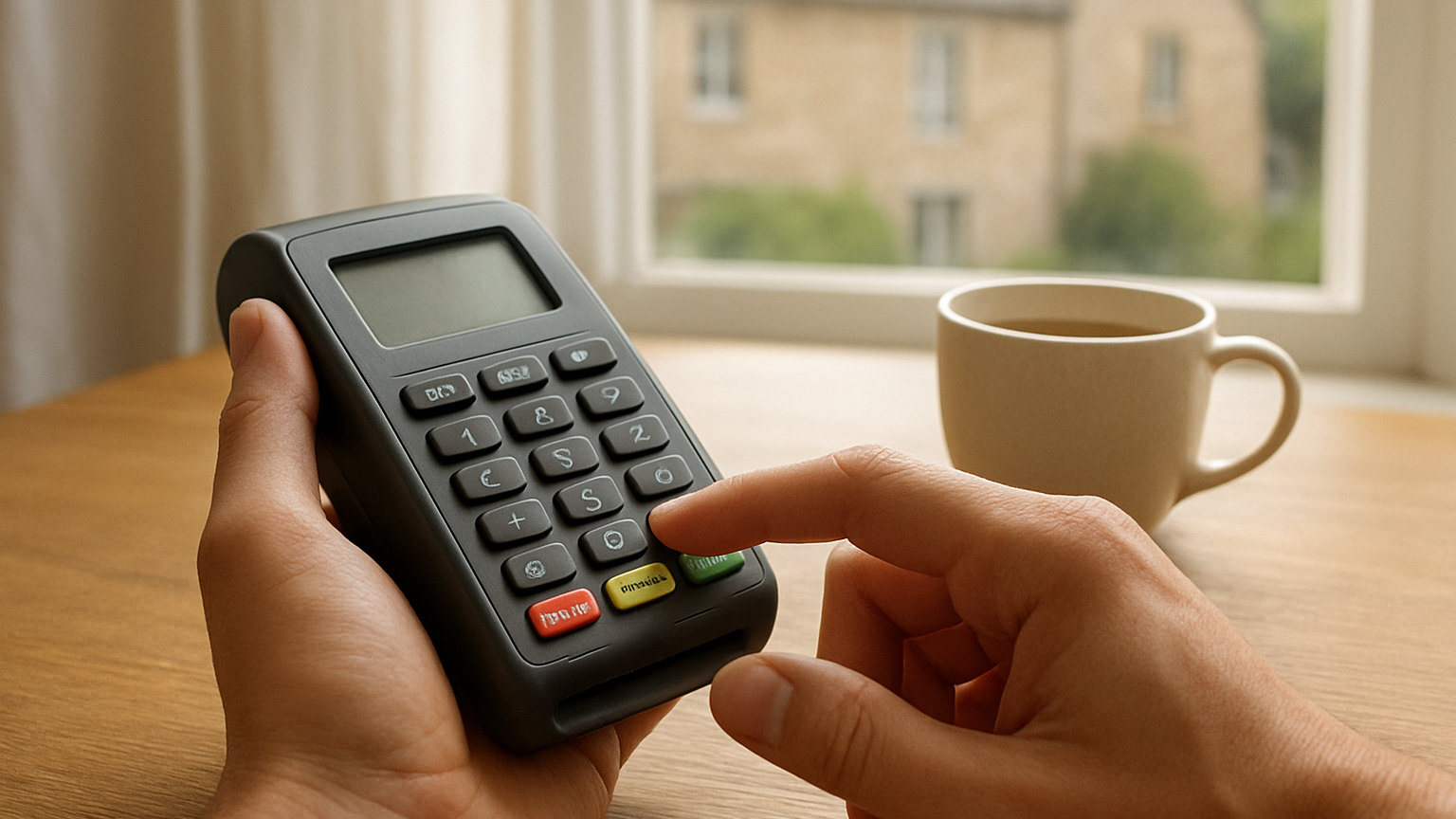
Foreign transaction fees, poor exchange rates and one specific question at the card machine quietly add several per cent to a holiday.
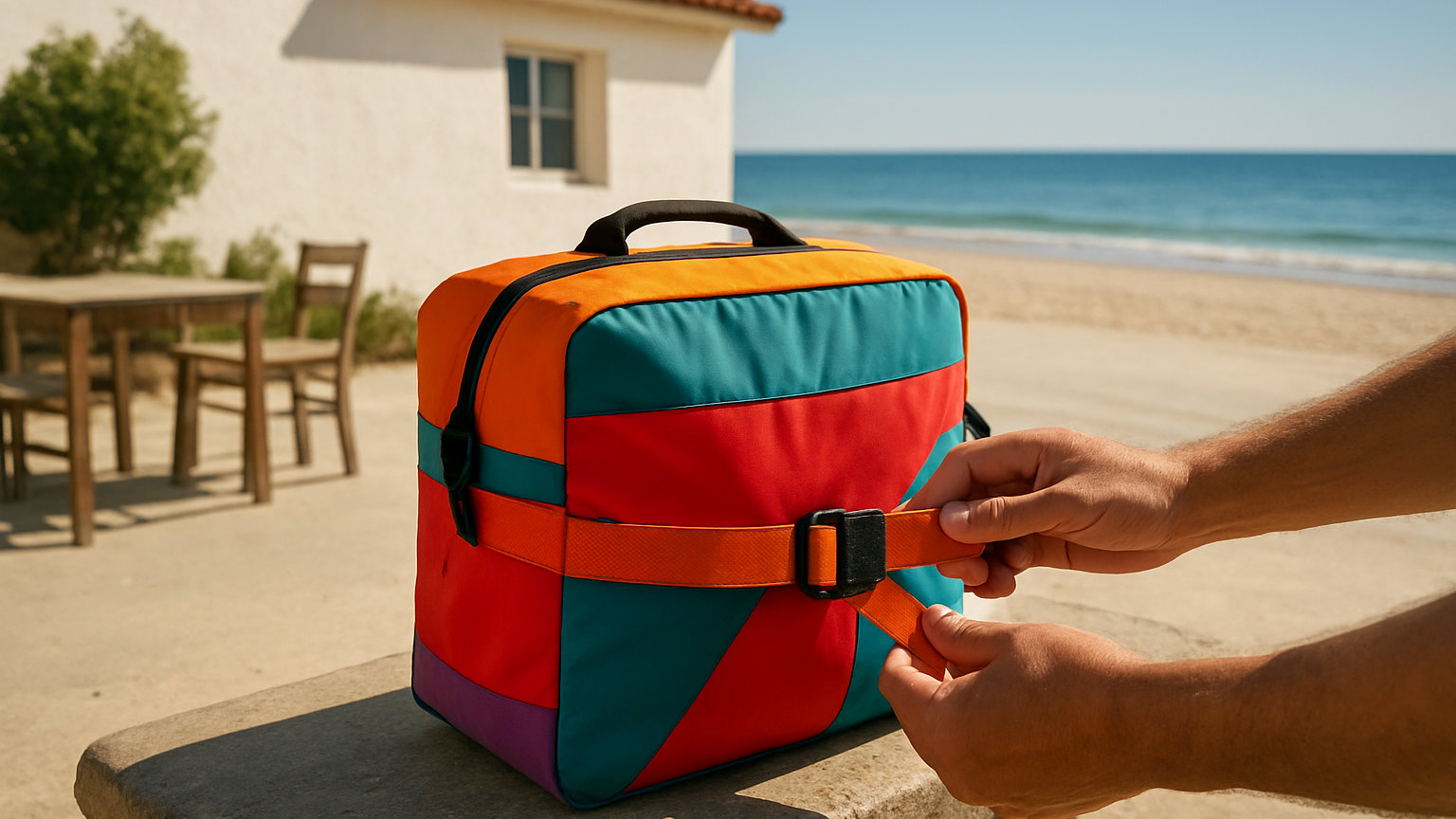
Low-cost carriers make their money on the add-ons, and a few of them are genuinely worth buying while most are not.
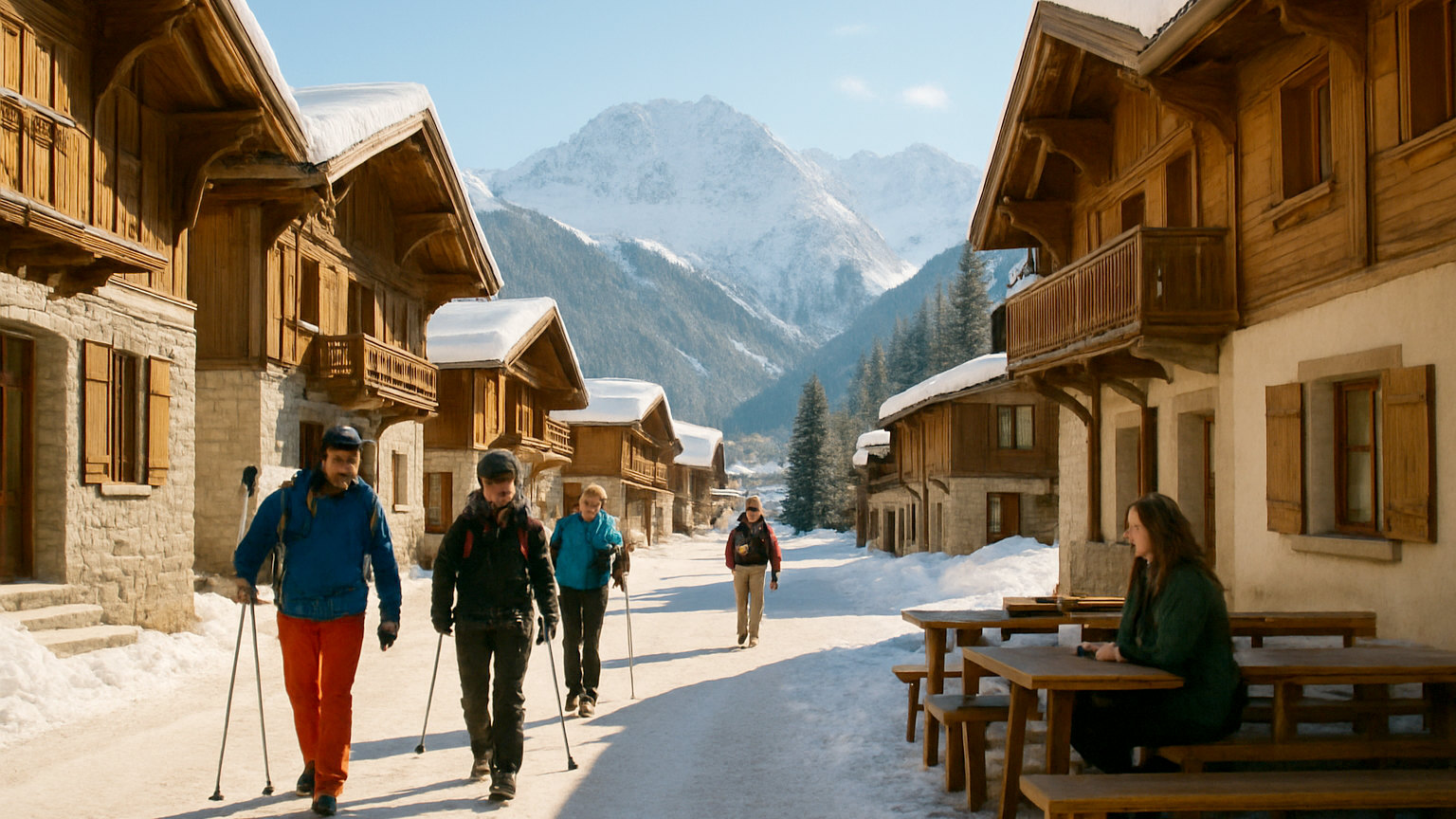
A week in the Alps and a week in the Balkans can differ by a factor of three for the same amount of skiing, and the cost sits in four separate lines.
City passes save money for a specific kind of traveller and lose it for everyone else, and working out which you are takes about five minutes.
Airport transfers are one of the easiest places to overpay, and in most European cities the cheap option is also the fastest.
Family holiday costs scale with the number of people in ways that individual travel does not, and a few structural decisions change the total more than any deal.
European rail can be cheaper than flying or several times the price, and the difference is almost entirely about when you buy and which ticket type you hold.
January and November are the cheapest months in Europe, and what you can usefully do in them depends entirely on which half of the continent you choose.
Food is usually the second largest line in a holiday budget and varies more between countries than accommodation does.
Everyone tied to school dates pays a premium, and the size of that premium varies enormously depending on where you choose to pay it.