January after the first week is the cheapest and quietest month in Europe. Flights are at their annual floor, city hotels can be half their May rate, and museums that require a booked slot in July can be walked into. What you can usefully do divides into three: cities, skiing, and the short list of places that are genuinely warm.
Where is it warm?
The Canary Islands, which sit around twenty to twenty-two degrees every month and are the only dependable European winter beach destination. Madeira is mild and green with almost no beaches. Southern Spain, Cyprus and Malta are around fifteen to eighteen degrees, which is comfortable for walking and cold for swimming.
Which cities work?
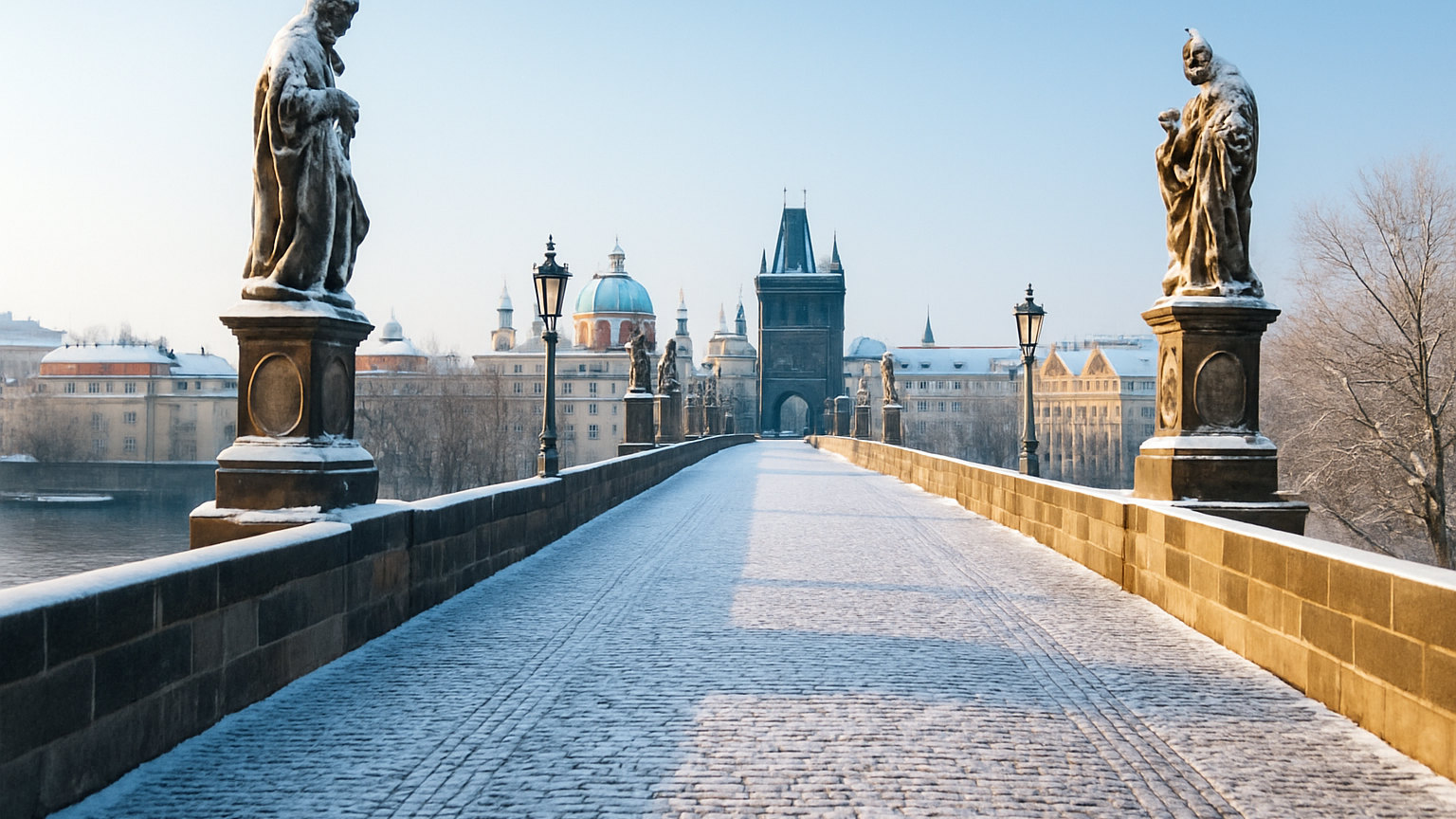
The indoor-heavy ones. Vienna, Budapest, Prague and Berlin are all at their best in cold weather, with coffee houses, museums and, in Budapest, thermal baths that are most atmospheric when the air is freezing. Rome, Seville, Lisbon and Athens are the mild options, warmer than a British spring and perfectly walkable.
What about skiing?
January after the New Year week and before the February half term is the cheapest period of the ski season and frequently has the best snow. Accommodation and lift passes fall sharply once the holiday crowds leave, and the slopes are quiet. Conditions at altitude are generally reliable across the Alps, the Dolomites and the Pyrenees.
What is closed?
Most Mediterranean coastal resorts, smaller Greek and Croatian islands, and a great deal of rural tourism infrastructure. Some museums close for annual maintenance in January and February. Ferry schedules reduce. Always check what is open before booking anywhere coastal.
What is on?
The Vienna ball season, which runs from January into February and is a genuine spectacle. Epiphany celebrations across Spain and Italy in the first week, when the Three Kings parades are larger than Christmas Day in much of the south. The winter sales across France and Italy, which are regulated and start in early January.
How short are the days?
The main limitation in the north. Copenhagen, Stockholm and Edinburgh have useful light from around nine to three, which suits museums and restaurants rather than walking. Southern cities keep noticeably more daylight, with Seville and Athens getting around nine and a half hours.
How much cheaper is it?
Substantially, and the saving is largest exactly where the summer premium was largest. City hotel rates commonly sit at half their peak level, and short-haul flights outside the New Year week are at their lowest. Car hire in Mediterranean destinations can be a third of the August price.
What should you avoid?
The first week, which carries New Year pricing and widespread closures across Europe as businesses take a holiday. Coastal towns and small islands, which are quiet and largely shut. And planning a walking-led trip in northern Europe, where the light runs out at three.
What should you pack?
Waterproof shoes, which matter more than a heavier coat, since European cities are walked on wet stone. Layers rather than one thick garment, because museums, cafes and trains are heated aggressively. And something for the afternoon once the light goes, which in the north arrives at three.
Is it a good month for a first trip?
For a city break, yes, and for very little else. The combination of low prices, no queues and empty museums makes January one of the easiest months to visit a major capital, and one of the worst to see the countryside or the coast.
What about the weather risk?
Real in the north, where snow and fog cause flight and rail disruption, and modest in the south, where January is mild and merely wet. Building slack into travel days is sensible, and travel insurance covering delay is worth more this month than in July.
If you are planning further, Where to Go in Europe in February covers the next part of the decision, and there is more in our Seasons guides.
The short answer
Go to the Canaries for warmth, Vienna or Budapest for a winter city break, or the Alps for the cheapest good skiing of the season. Travel after the first week, avoid anywhere coastal in the Mediterranean, and expect the lowest prices of the year.