Is Spring or Autumn Better for a Holiday?
The two shoulder seasons look similar on a temperature chart and differ enormously in practice, and the sea is the deciding factor.
By European Destinations Team
17 Aug 2026

March to May — warm enough for the coast, cool enough for the cities, cheaper than both in summer.
The two shoulder seasons look similar on a temperature chart and differ enormously in practice, and the sea is the deciding factor.
Families get two spring windows, Easter and the May half term, and neither delivers a sea warm enough for children to swim in.
Spring carries some of the most spectacular events in Europe, and several of them fill their cities entirely for a week.
Spring is the best walking season in southern Europe and the worst in the mountains, where snow persists on high routes well into June.
Spring is when the northern European cities come back to life and the southern ones are still comfortable, which makes it the broadest season for a city break.
Spring prices rise in steps rather than smoothly, and Easter creates a moving spike that can land on almost any week.
Easter moves by up to a month, closes large parts of Europe for several days and produces some of the most remarkable events on the continent.
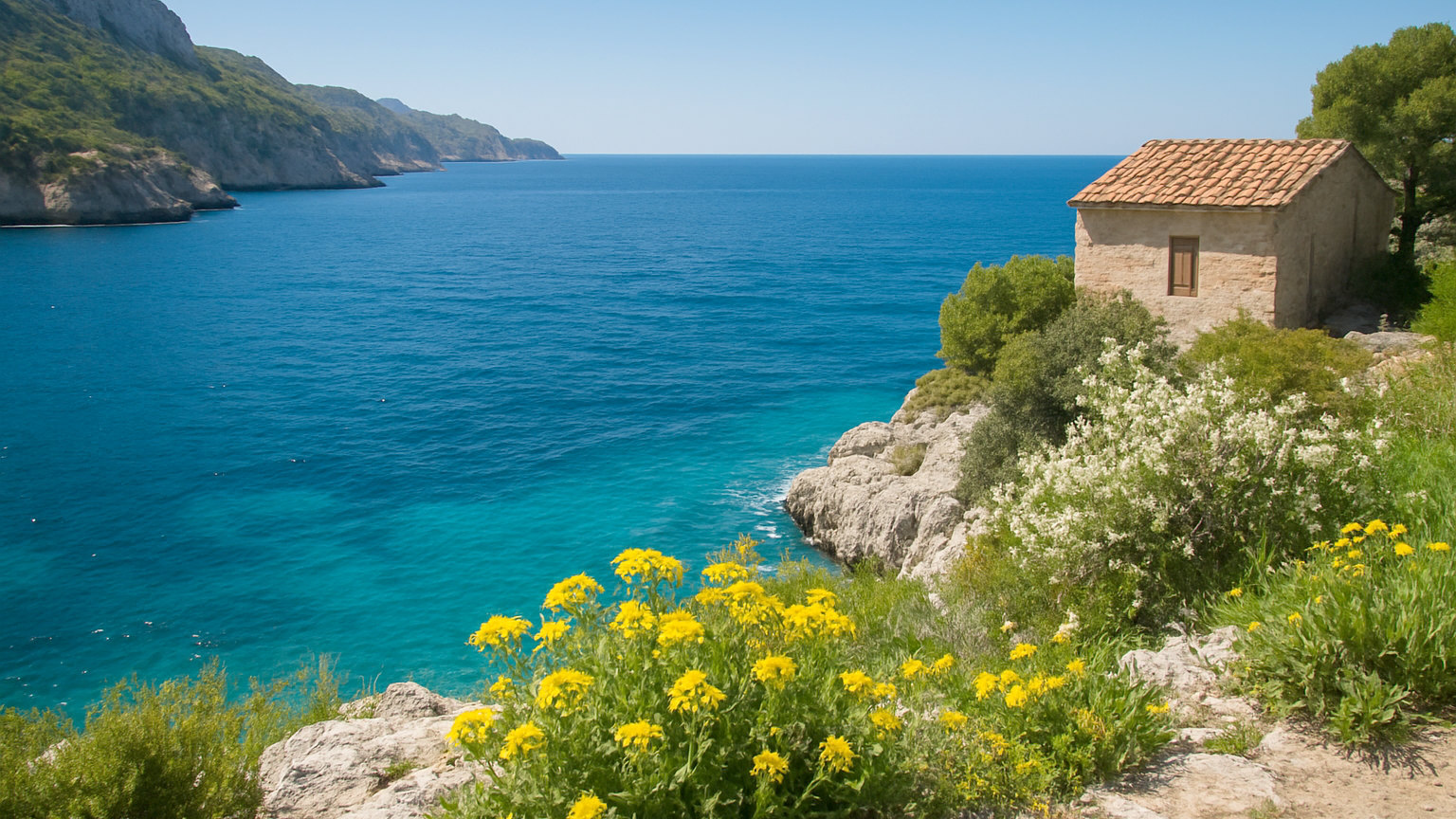
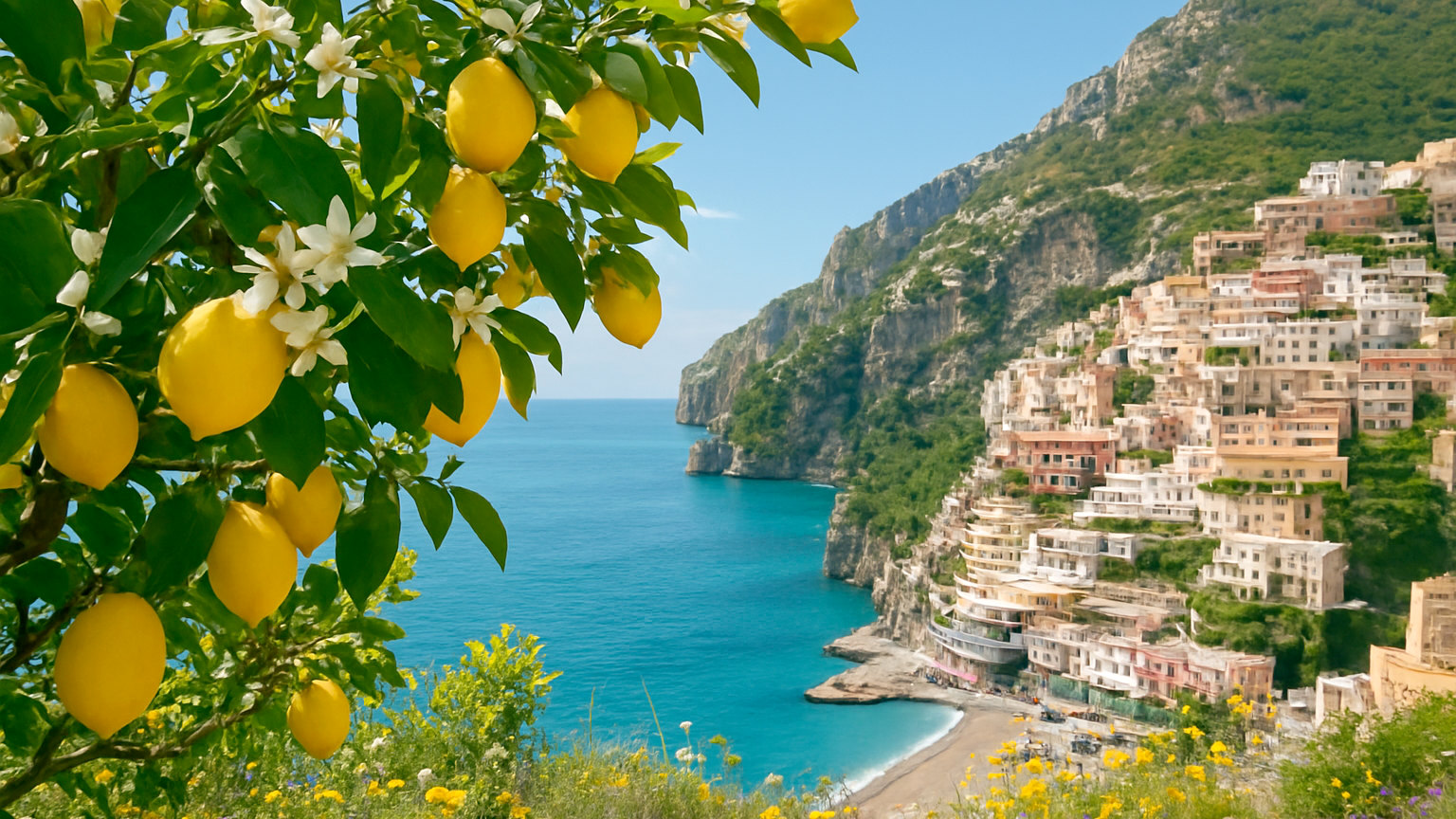
The Mediterranean is at its coldest in March and does not become comfortable until June, which catches out a great many spring bookings.
Spring is the most variable season in Europe, and April in particular carries a real chance of a wet week almost everywhere north of Andalusia.
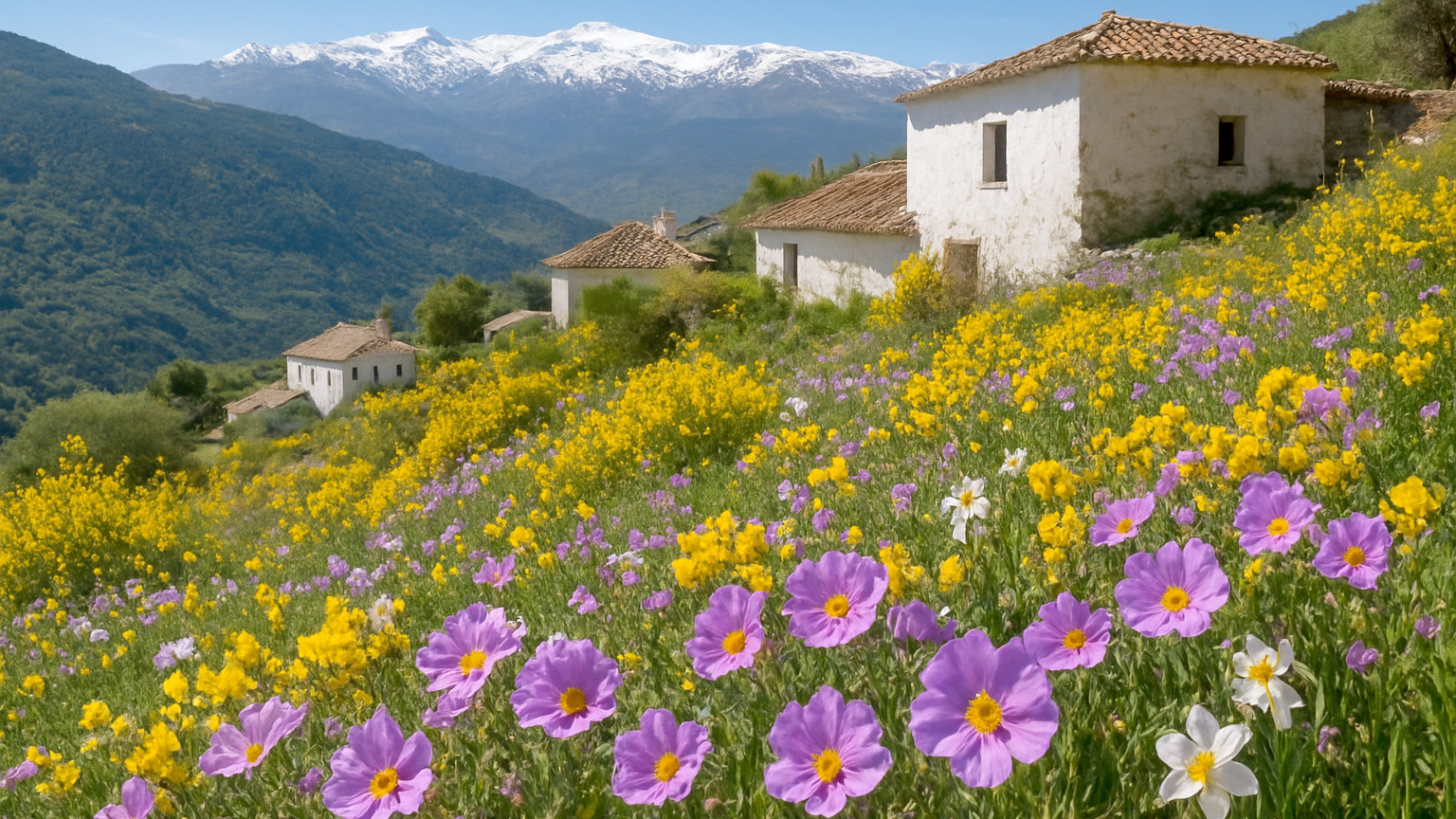
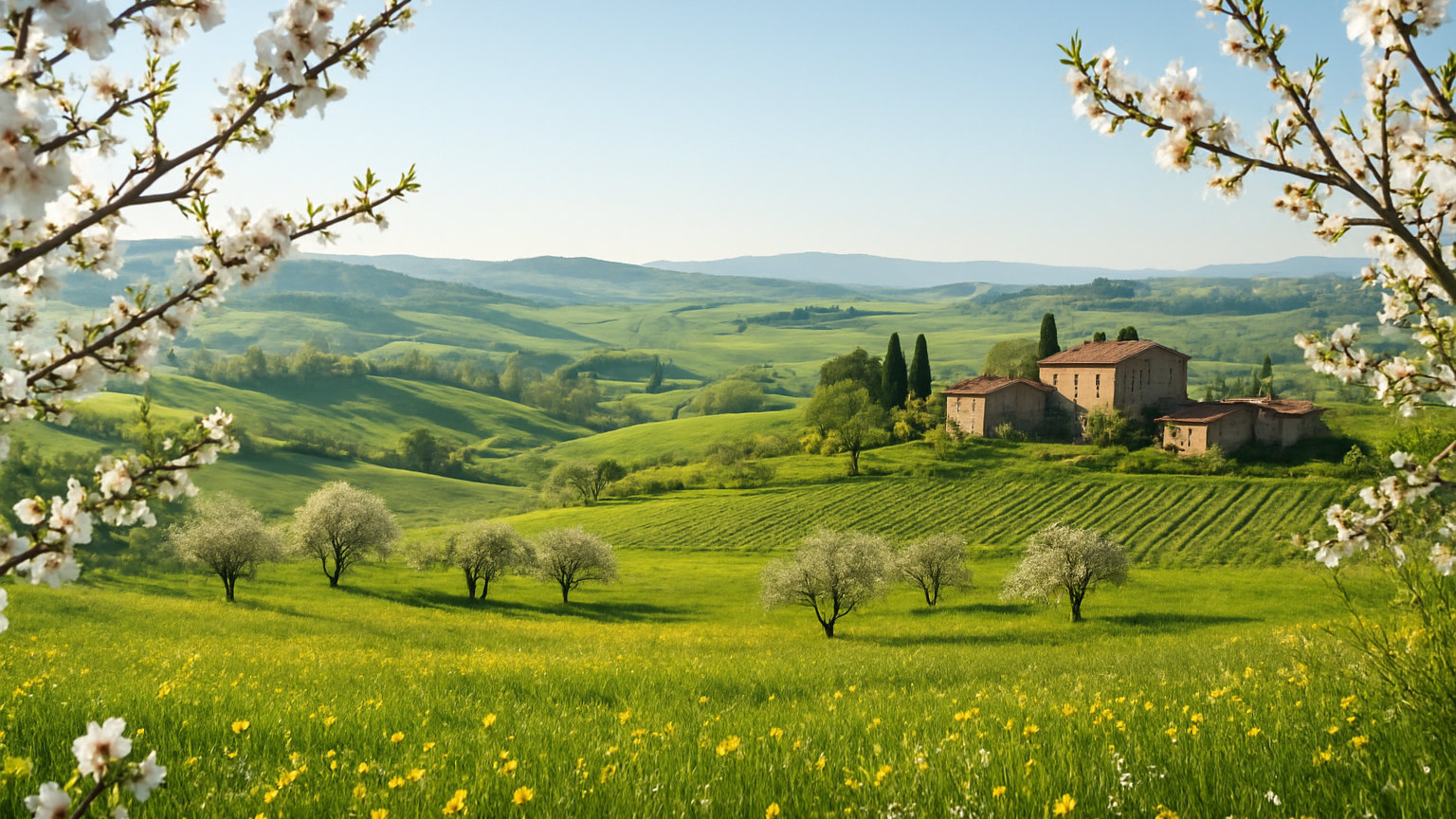
Mediterranean wildflowers peak for a few weeks between February and May, and the display moves north and uphill as the season goes on.
Spring reopening is staggered over three months, and a destination can be warm and sunny in March with almost nothing trading.
Spring gives you green landscapes, lengthening days and low prices, and it does not give you a sea worth swimming in.