The Picos de Europa: Spain Overlooked Mountains
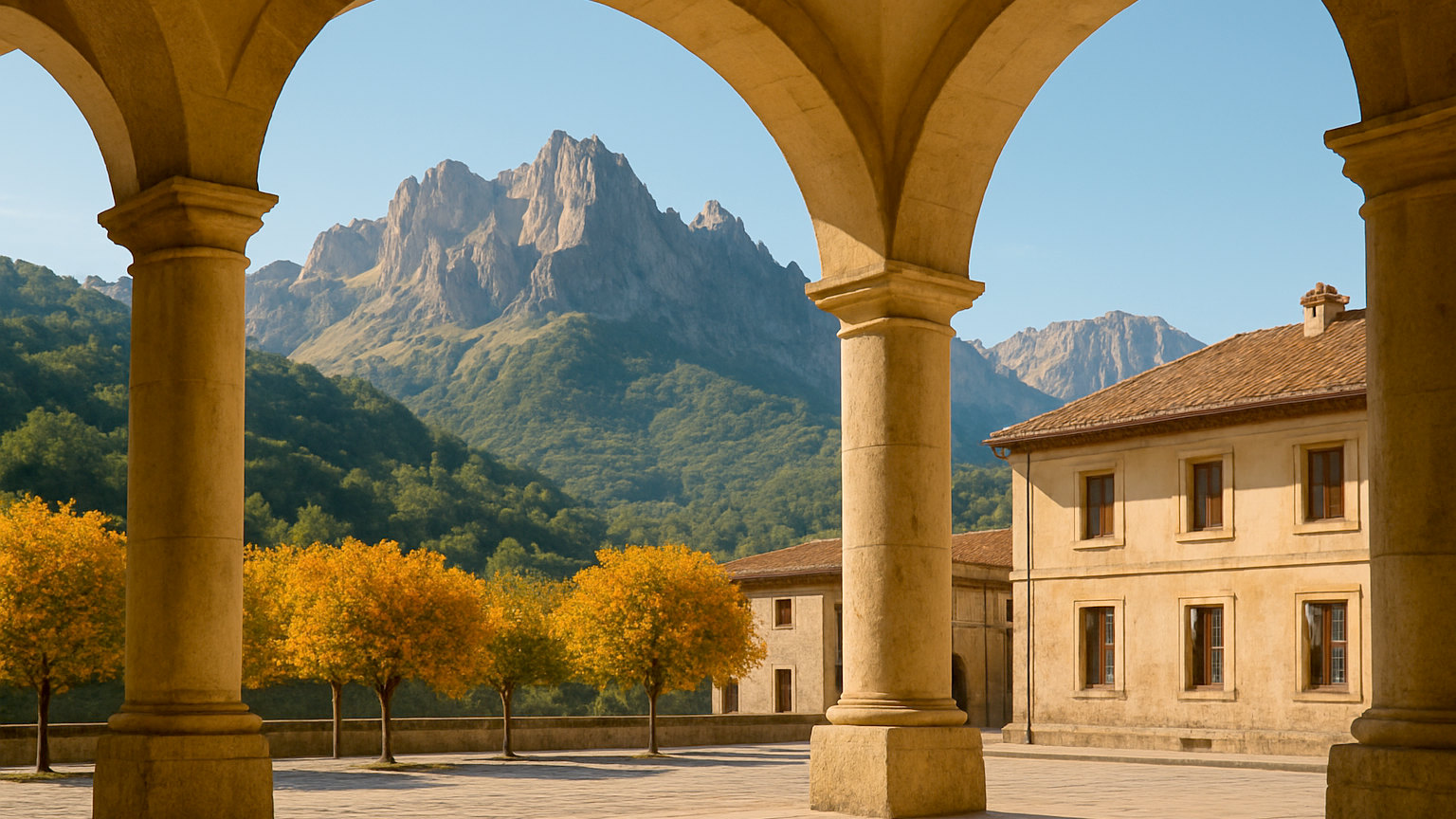
Limestone peaks rising to two and a half thousand metres twenty kilometres from the Atlantic, in the green north of Spain that almost no foreign visitor reaches.
The Alps, the Dolomites, the Italian and Austrian lakes — summer walking and winter snow.
Limestone peaks rising to two and a half thousand metres twenty kilometres from the Atlantic, in the green north of Spain that almost no foreign visitor reaches.
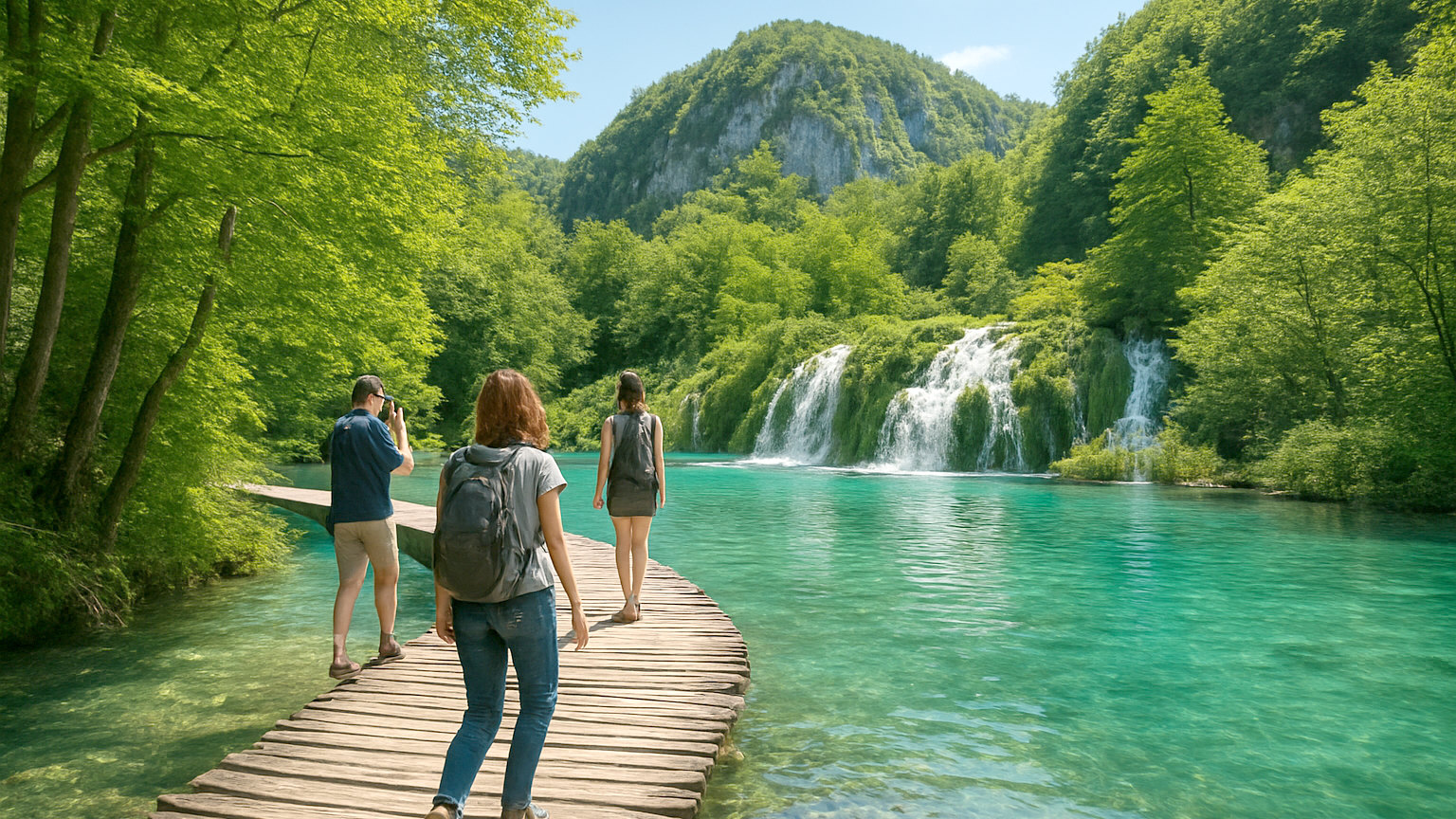
Sixteen terraced lakes joined by waterfalls, walked on boardwalks, and a ticketing system that determines whether the day is wonderful or miserable.
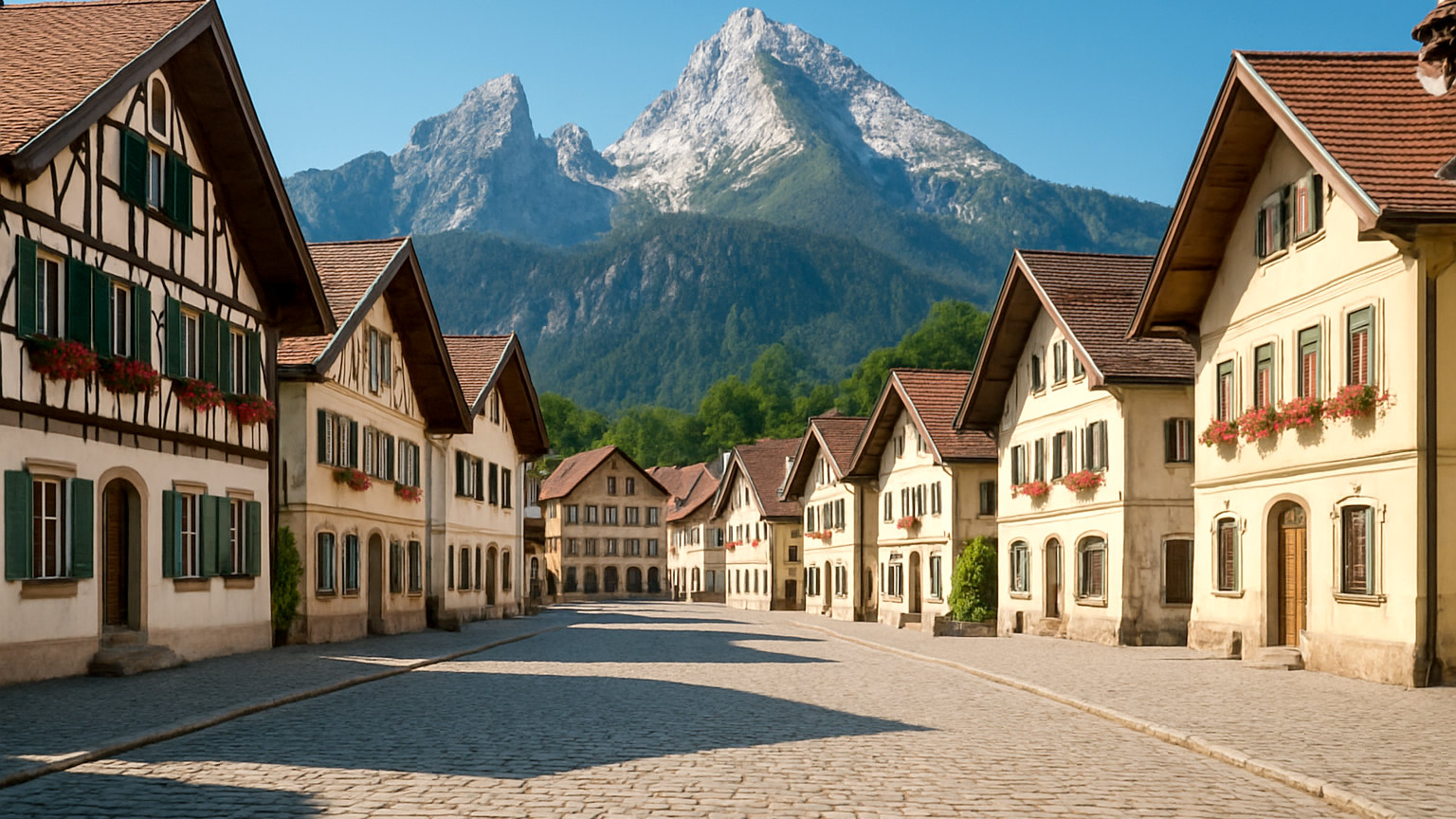
A wedge of Bavaria surrounded on three sides by Austria, with a fjord-like lake crossed by electric boats and a difficult wartime history.
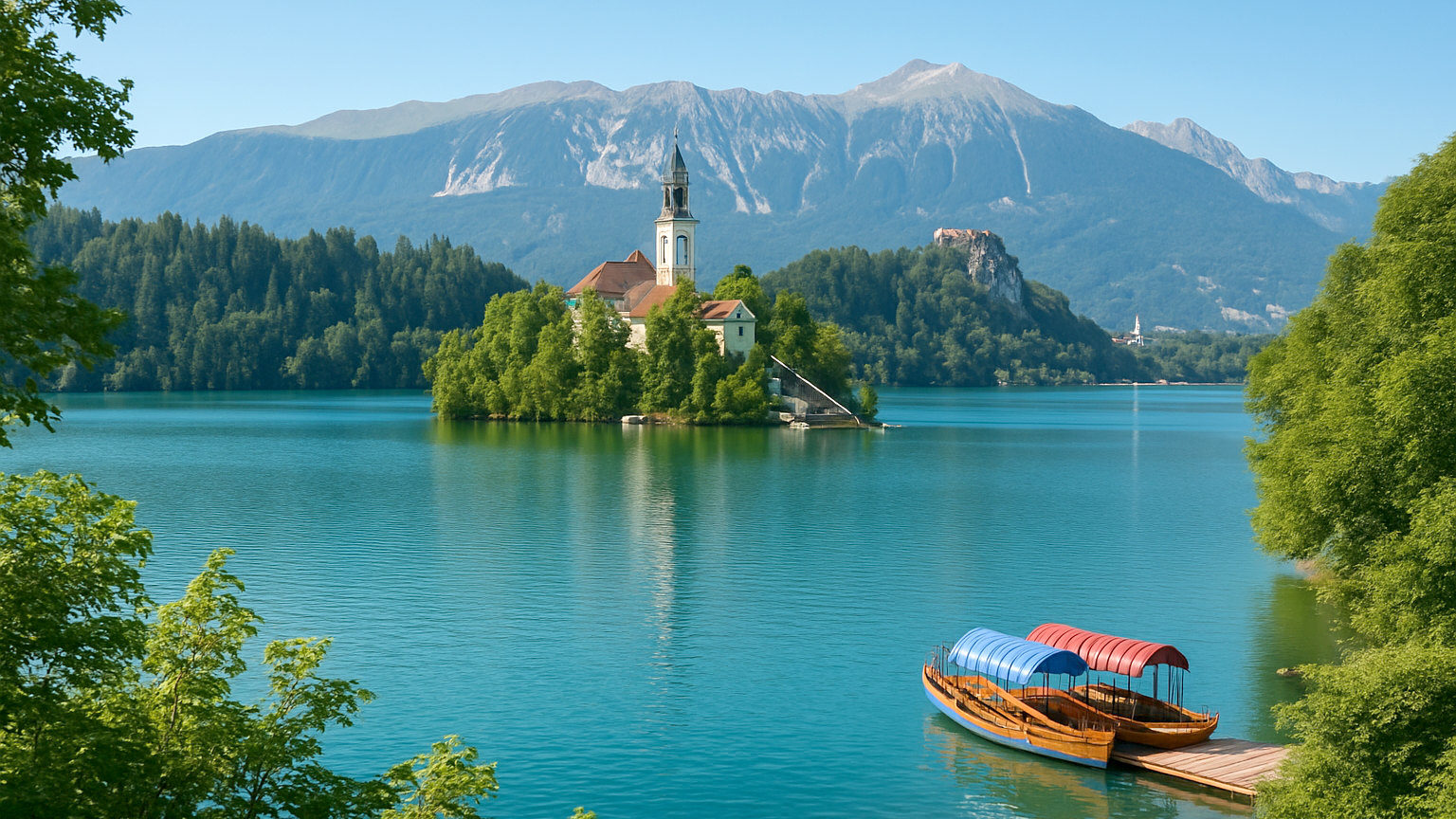
Bled is the famous one with the island church and the crowds. Bohinj is twenty minutes further, three times larger and almost empty by comparison.
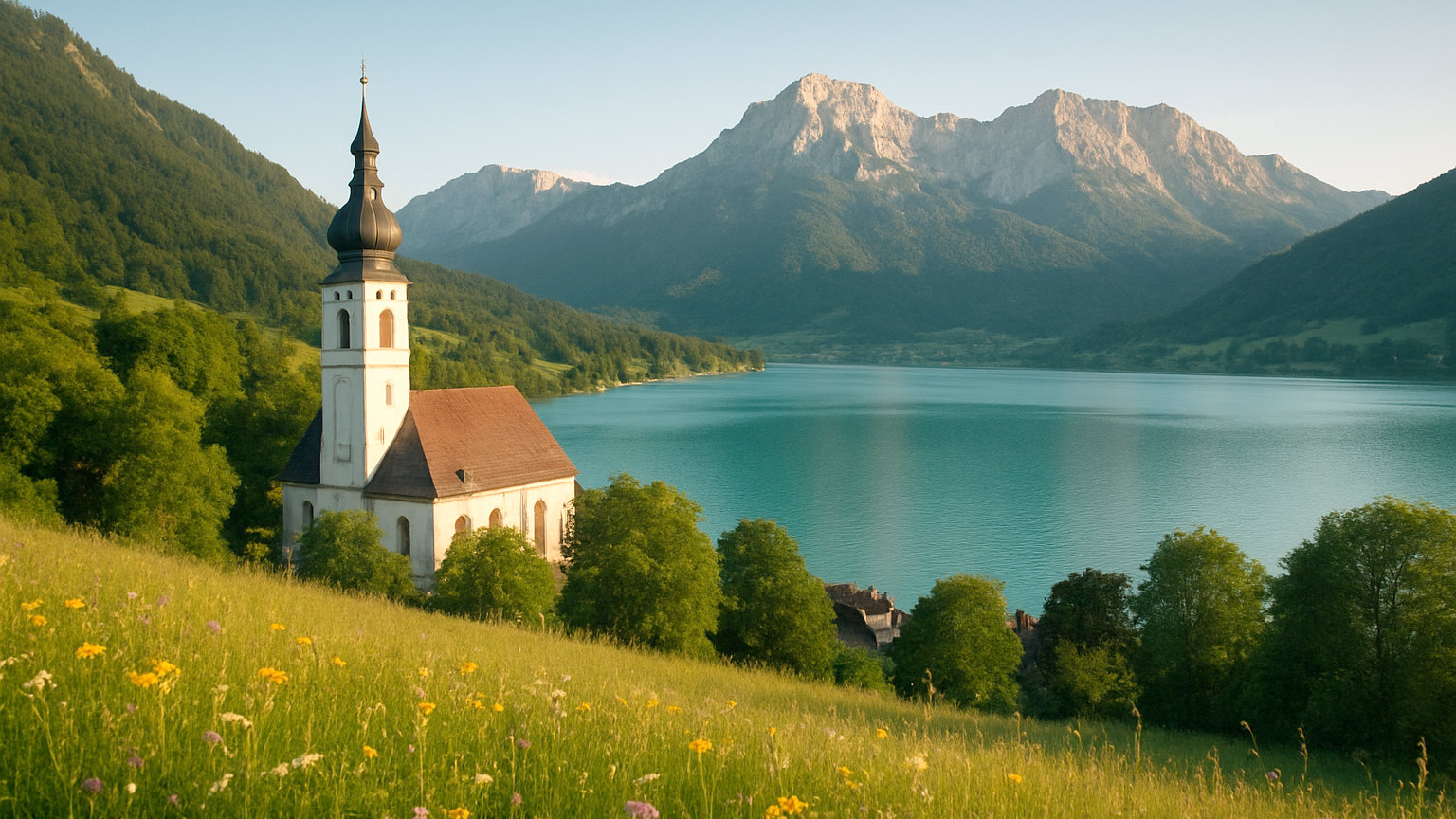
Seventy-odd lakes east of Salzburg below limestone peaks, warm enough to swim in summer, and one very small village that receives most of the visitors.
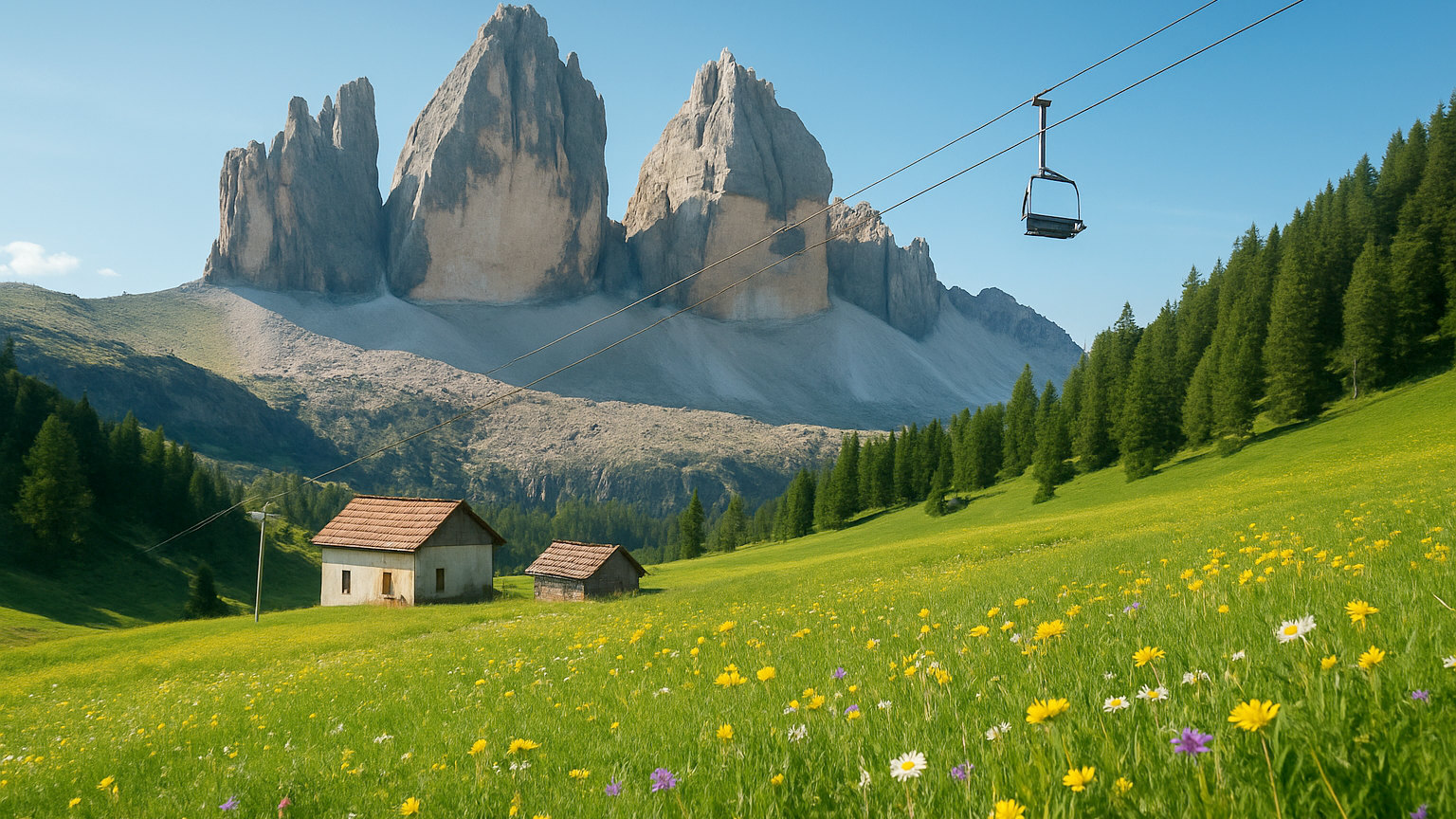
The Dolomites are the most striking mountains in Europe and feel Austrian rather than Italian, and the lifts decide what you can reach.
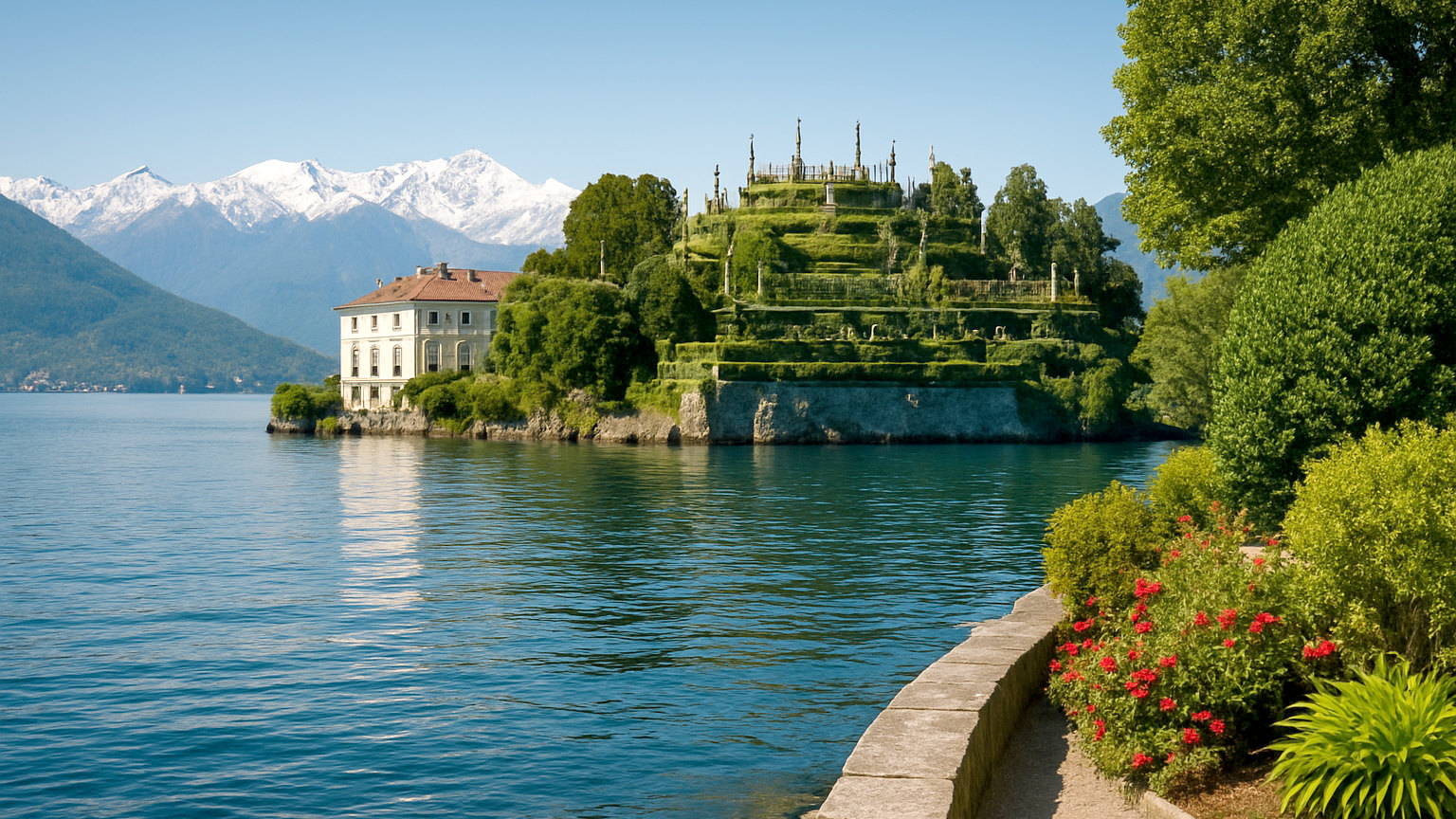
Maggiore has three island palaces, a botanical climate and a fraction of the visitors Como gets, and half of it is in Switzerland.
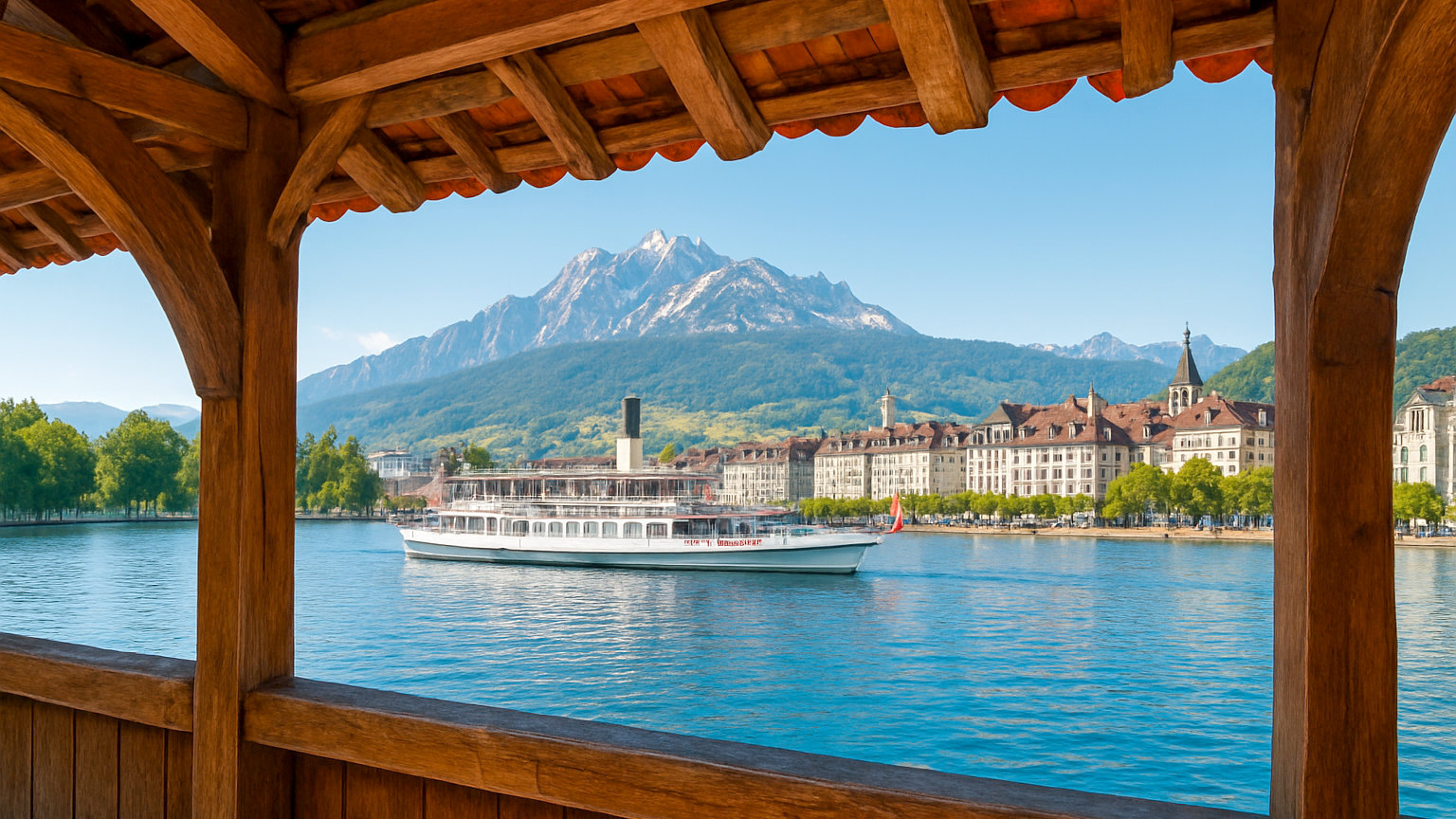
Lucerne is the best-placed city in Switzerland, with a medieval centre, a lake of paddle steamers and three mountains reachable in a morning.
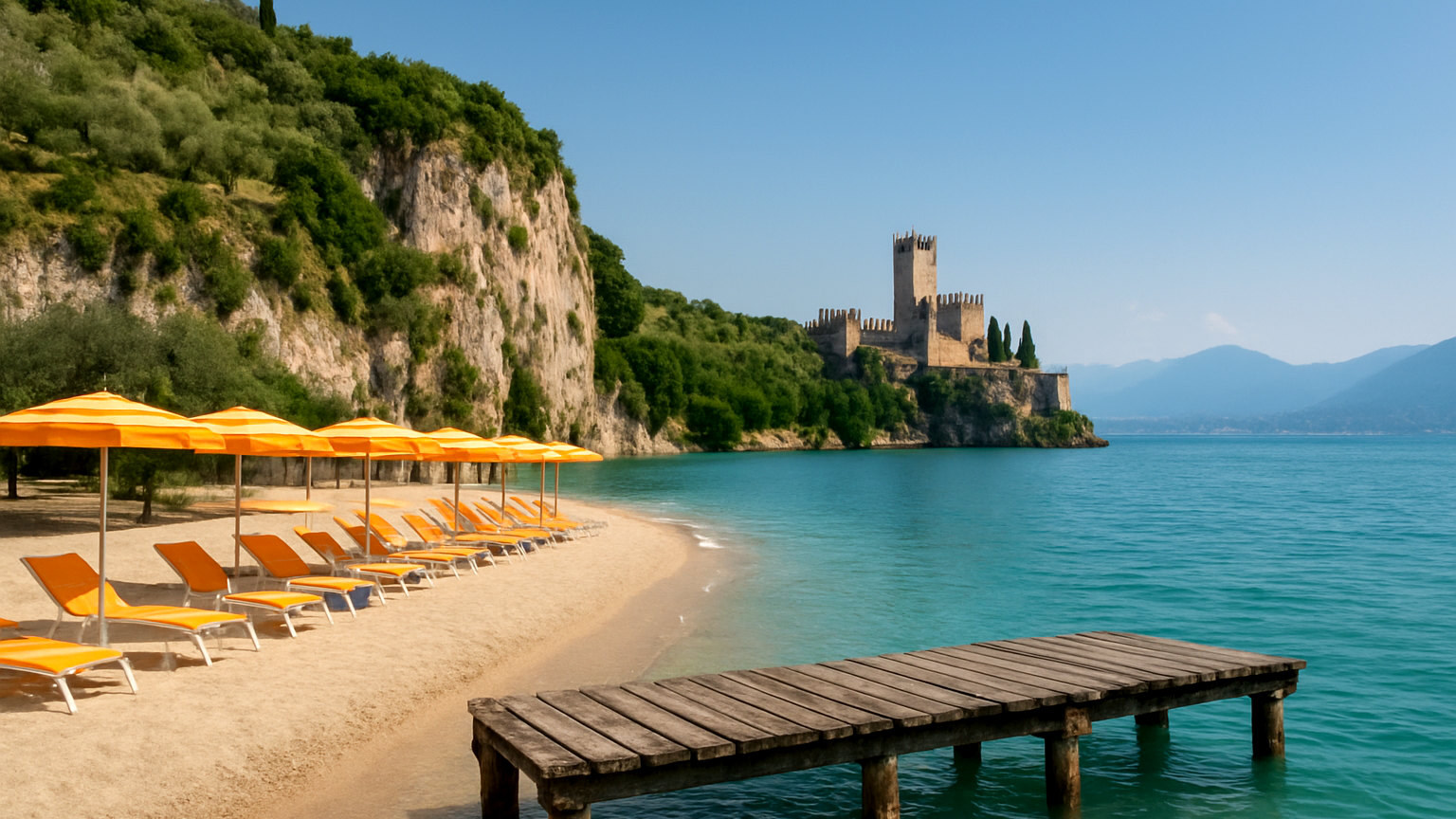
Garda is the largest Italian lake and its two ends are different holidays: mountains and windsurfing in the north, beaches and theme parks in the south.
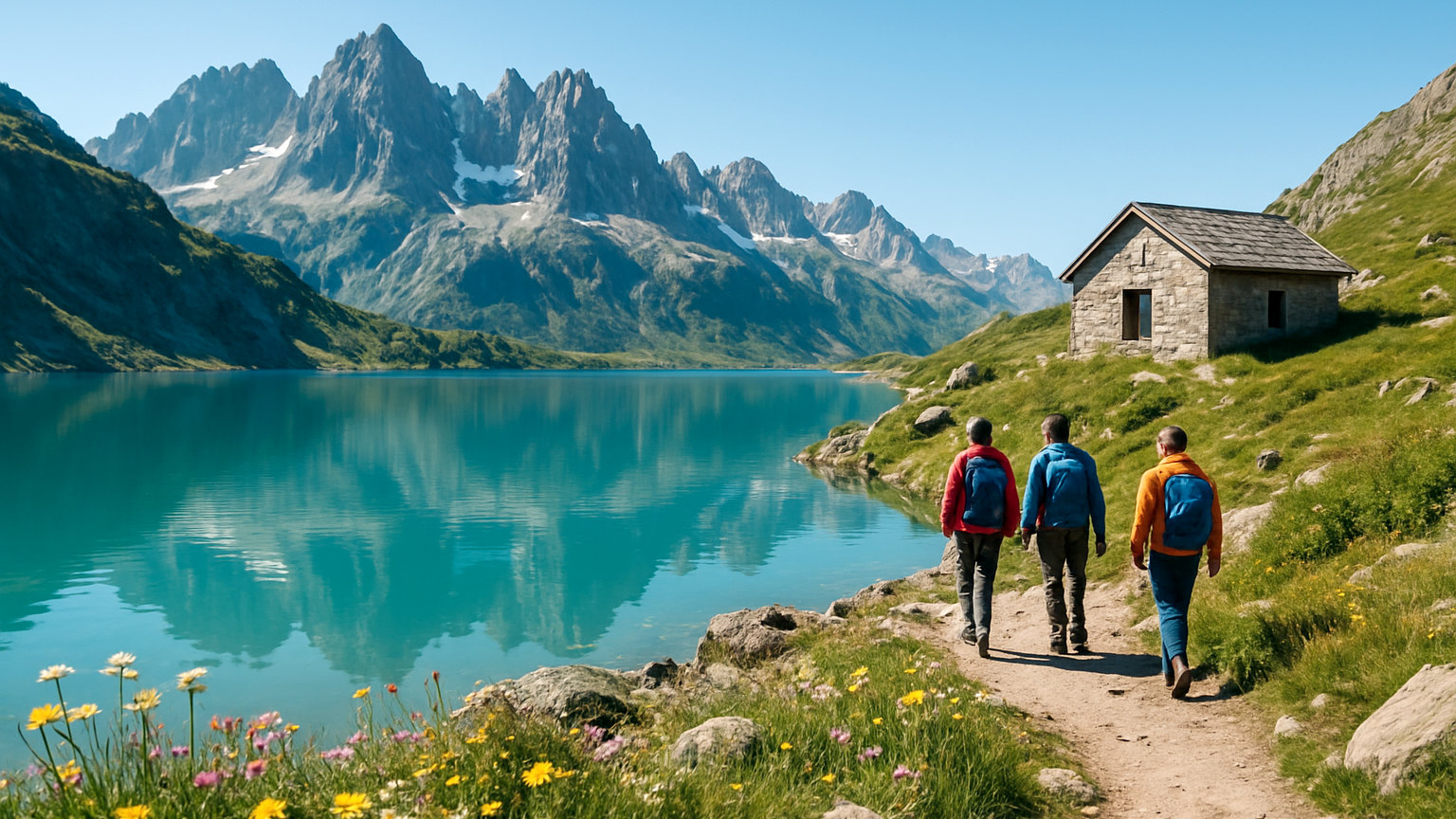
Chamonix is known for skiing and is arguably better in summer, when the lifts open onto glacier viewpoints and one of the great walking regions of Europe.
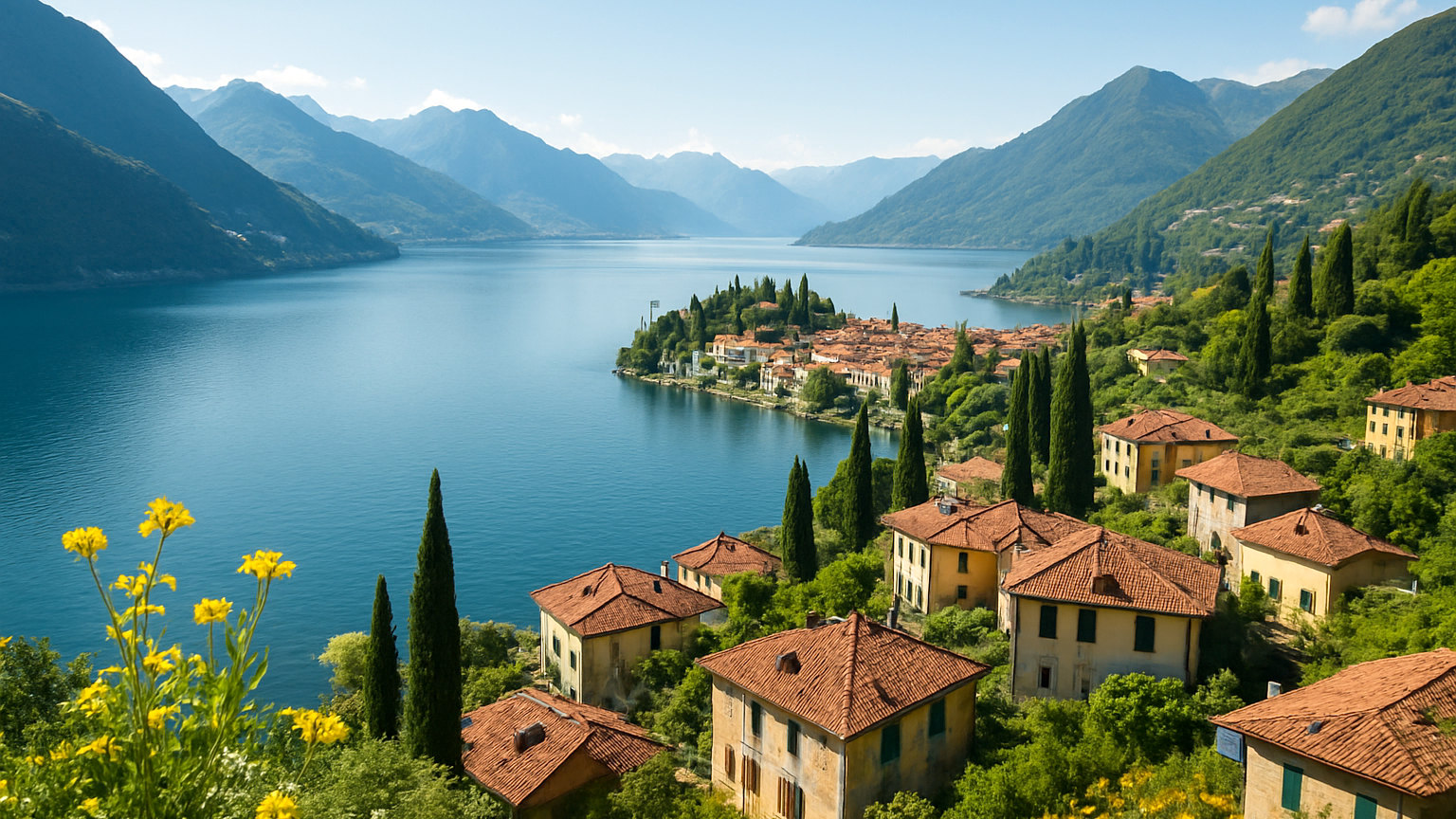
Lake Como is shaped like an inverted Y and the town you pick decides the whole holiday, because the roads are slow and the ferries are not.