
A first trip abroad is not the moment for a place that rewards experience. What matters is that the journey is short, the transport is legible, somebody at the desk speaks English, and a mistake costs you an afternoon rather than the holiday. Judged on those four things rather than on scenery, the shortlist looks different from the usual one.
What actually makes a country easy?
Flight length is the first filter, and it matters more than people expect. Under three hours you arrive with the day intact and you are not committed to a long trip to justify the travel. Second is arrival friction: how far the airport is from where you are staying, and whether getting between the two involves a decision. Third is whether the country runs on cards. Fourth is signage and language, which is really a question of how easily you can recover when something goes wrong.
Which countries meet all four?
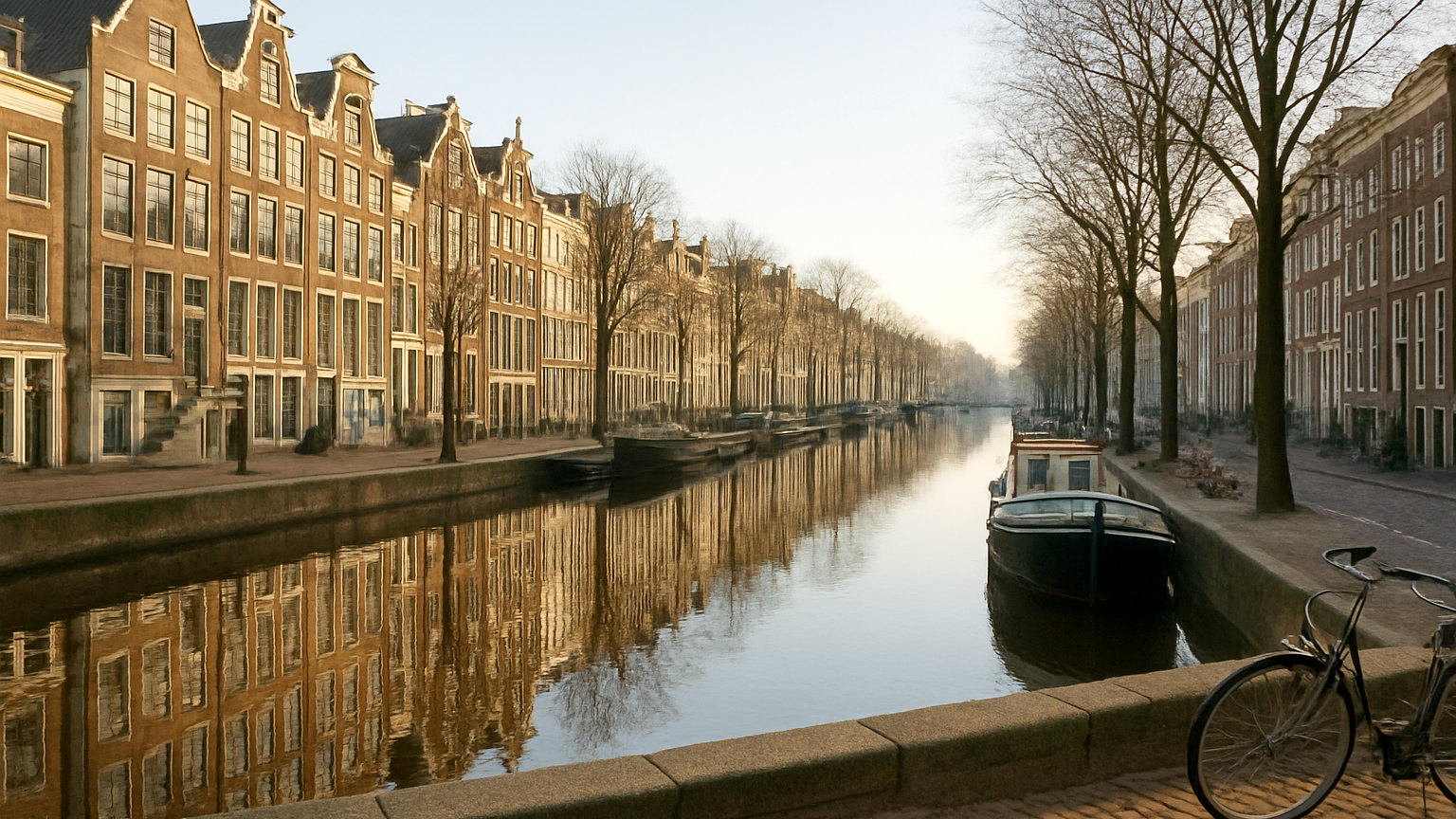
The Netherlands is the strongest answer and the least glamorous one. Schiphol has a train station underneath the terminal, the train to Amsterdam takes a quarter of an hour, English is close to universal, and the whole country is small enough that day trips need no planning. Nothing about it is difficult, which is exactly the point on a first trip.
Ireland removes the language question entirely and keeps the flight under ninety minutes from most of the UK. Dublin is walkable, the bus and rail network reaches the coast easily, and the currency is the euro so the exchange habit gets learned without any of the rest being unfamiliar.
Portugal is the best of the warm options. Lisbon and Porto are both compact, English is spoken widely in anywhere you are likely to eat or stay, and the country is noticeably cheaper than Spain or Italy once you are past the airport. The flight is longer, at around two and a half hours, but nothing after landing is hard.
Spain is the default answer and it earns the place, with the caveat that the answer depends heavily on where you go. Barcelona, Madrid, Seville and the Costa resorts are straightforward. Rural Andalusia and the northern coast are wonderful and considerably less forgiving.
Why not Italy or France first?
Both are superb and neither is the easiest. Italy asks more of a visitor than its reputation suggests: train ticket validation catches people out, restaurant charges are structured differently, and Rome in particular rewards knowing what you are doing. France is easy in Paris and less so outside it, where English is patchier and lunchtime closing is genuinely enforced. Save both for a second or third trip, when the small frustrations are funny rather than stressful.
How long should a first trip be?
Four nights is the sweet spot. Three loses a day to each end of the journey and leaves two real days. A week in one city on a first trip is usually a day or two too long unless the city is Rome, Paris, Barcelona or Berlin. Four nights gives you three full days, which is enough to relax into the place and not enough to run out of it.
What is worth booking in advance?
The first night of accommodation, the airport transfer if it is not a train, and any single attraction you would be disappointed to miss. Everything else can wait. Overbooking is the commonest first-trip mistake, because a schedule built at home does not survive contact with jet lag, heat or a place you like more than you expected.
What about travelling with children on a first trip?
The same filters apply with the tolerances tightened. A flight under two and a half hours is the practical ceiling before the return leg becomes the thing everyone remembers, and a transfer of more than forty minutes on arrival undoes the benefit of a short flight. This is where the Netherlands and Ireland pull ahead of the warmer options. If the trip has to be a beach, choose the resort by the transfer time and worry about the hotel second.
See also How Many Days Do You Need in Italy?, which covers a related part of the same decision, and our other Destinations guides.
The short answer
The Netherlands if you want nothing to be difficult, Ireland if the language question is the worry, Portugal if you want warmth and value, Spain if you want the widest choice. Pick on flight length and arrival friction first, and treat the scenery as a tie-breaker rather than the starting point.


