
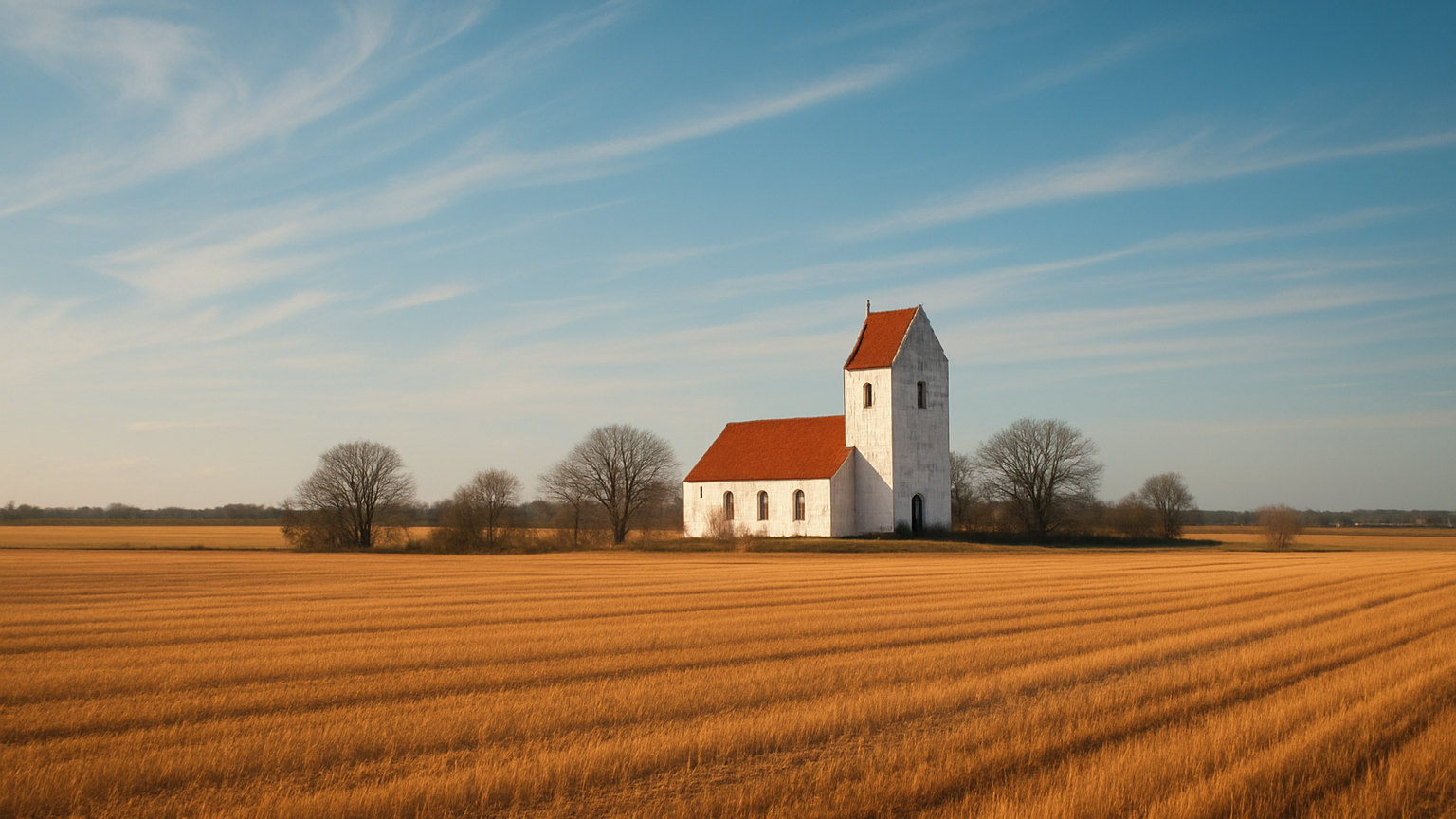
Denmark is the smallest and flattest of the Nordic countries and by some distance the easiest to travel. Almost the entire country is within three hours of Copenhagen by train, which makes it unusual among European destinations: you can add the rest of the country to a city break without changing the shape of the trip.
How long does Copenhagen need?
Three nights. Nyhavn, the Tivoli Gardens, the Design Museum and the alternative district of Christiania cover the obvious list, and the city rewards a day spent simply cycling it. Copenhagen has more genuinely good restaurants for its size than almost any European capital, and the ones worth the money are not always the famous ones.
What is worth a day trip?
Three things, all under an hour by train. Kronborg Castle at Helsingor, the Elsinore of Hamlet, sits facing Sweden across a narrow strait. The Louisiana Museum of Modern Art at Humlebaek is among the best-sited galleries in the world, with sculpture gardens running down to the sea. Roskilde has a Viking ship museum and a cathedral holding the Danish royal tombs.
Is Aarhus worth staying in?
Two nights, and it is the most underrated city in Scandinavia. The ARoS art museum has a circular rainbow walkway on its roof, Den Gamle By is an open-air town of relocated historic buildings, and the city is young, walkable and far cheaper than the capital.
What is the coast like?
Enormous and empty. The west coast of Jutland runs for hundreds of kilometres of wide sand and dune, with Skagen at the northern tip where two seas meet visibly. The water is cold and the wind is constant, so this is a walking, cycling and summer-house coast rather than a swimming one. Danes holiday here in large numbers and foreign visitors almost never do.
What about the islands?
Bornholm, out in the Baltic closer to Sweden than to Denmark, has round churches, smokehouses, cliffs and the best weather in the country. Funen, between Zealand and Jutland, holds Odense and the Egeskov castle. Both need a car or a bicycle and reward the extra travel.
Is Denmark expensive?
Yes, broadly in line with Sweden and below Norway. Copenhagen accommodation is the largest cost and staying in Aarhus or Odense instead cuts it substantially. Eating out in the evening is expensive; bakeries, smorrebrod lunches and street food markets are where the value sits. Denmark uses the krone rather than the euro.
When is the best time to visit?
May to September, with June and July the warmest and longest. Tivoli reopens for Christmas in November and December and the capital is at its most atmospheric then, though the daylight is very short. February and March are cold, grey and cheap.
Should you cycle?
Yes, and it is the single best decision a visitor makes here. Copenhagen has more bicycles than cars, the infrastructure is separated and unambiguous, and the whole country is flat enough that distance is rarely the limiting factor. Hire is cheap and available everywhere.
How does Denmark combine with its neighbours?
Extremely easily. Copenhagen to Malmo in Sweden takes about thirty-five minutes by train across the Oresund bridge, which makes a two-country trip almost effortless. Hamburg is under five hours south by rail, and there are ferry routes to Norway from both Copenhagen and Hirtshals. Denmark works well as the first or last leg of a wider Scandinavian trip rather than as an isolated destination.
What do people get wrong?
Assuming Copenhagen is all there is, and paying capital prices for the whole stay. The second is underestimating the wind on the west coast, which is relentless enough to change what a beach day means. The third is expecting to pay in euros, which is generally refused outside a few tourist businesses.
Where to Visit in Finland: Lakes, Lapland and Helsinki is the natural next read, alongside the wider Destinations section.
The short answer
Three nights in Copenhagen with the Louisiana museum and Kronborg as day trips, then two nights in Aarhus if you have a week. Add the Jutland coast or Bornholm in summer, and hire a bicycle wherever you are.


