
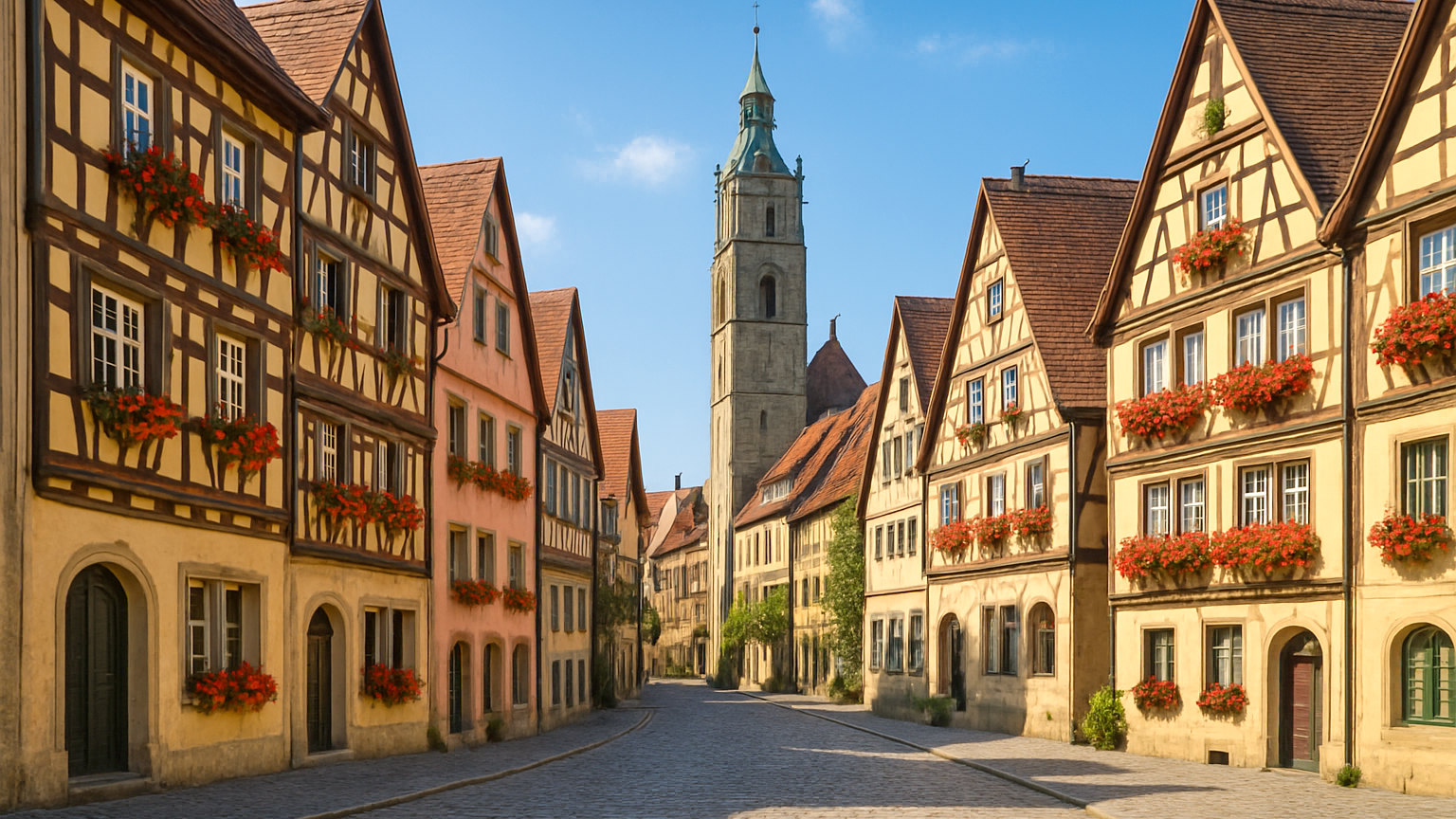
Germany is large, extremely well connected and far more regionally varied than its reputation suggests. Bavaria in the south, which supplies most of the images people associate with the country, is not representative of anywhere else in it. Picking one region and staying there produces a much better trip than a national tour.
Berlin or Munich?
Berlin for modern history and for a city unlike any other capital in Europe, with the Brandenburg Gate, the Reichstag dome, the Berlin Wall Memorial, Museum Island and the Holocaust Memorial. Four nights is not too many, and it is the cheapest major city in western Europe by a clear margin.
Munich for Bavaria, the Alps on the doorstep, the beer gardens and the Residenz. Munich works best as a base rather than a destination, since Neuschwanstein castle, the Zugspitze and Salzburg over the Austrian border are all day trips from it.
What is worth seeing beyond the two big cities?
Hamburg, for water, warehouses, the Elbphilharmonie and the best food scene in the country. Dresden, rebuilt after the war and startlingly beautiful. Cologne for its cathedral, the single most impressive Gothic building in Germany. Nuremberg for its old town and the documentation centre on the rally grounds.
Which rural regions repay a week?
The Rhine gorge between Bingen and Koblenz, where castles sit above the river and a boat trip is the best way to see them. The Mosel valley, quieter and better for wine, with Cochem and Bernkastel as the bases. The Black Forest for walking, spa towns and the drive along its ridge road. The Bavarian Alps around Garmisch and Berchtesgaden for mountains without Swiss prices.
Are the Christmas markets worth planning around?
They are the country at its best and its busiest. Nuremberg, Dresden, Cologne and the smaller markets across Bavaria and the Rhineland run from late November until shortly before Christmas. Accommodation prices in the market cities rise sharply and weekends sell out months ahead, so a midweek visit is both cheaper and far more pleasant.
How easy is it to get around?
Local transport is excellent everywhere, with frequent, well-signed trams, buses and underground networks. Long-distance rail is fast and comfortable and its punctuality is poor enough to be a national joke, so any journey with a connection should carry slack rather than a tight transfer. Tickets are bought before boarding and validated where a machine is provided, and inspections are frequent and unsympathetic.
How long do you need?
Three or four nights for Berlin, three for Munich with day trips, and a week for a river valley or the Alps.
When is the best time to visit?
May to September for warmth and for the outdoor culture that makes German cities pleasant, with beer gardens and river swimming. Late November and December for the markets. January to March is cold, grey and quiet, which suits museums and low prices.
What do people get wrong?
Carrying no cash. A great many restaurants, bakeries and smaller museums remain cash only, and foreign credit cards are refused more often than in neighbouring countries. The other is Sunday, when almost every shop closes by law, which catches out anyone in self-catering accommodation with an empty fridge.
Is Germany expensive?
Mid-range and good value for what you get. Accommodation is cheaper than France or Italy in comparable cities, eating out is reasonable and beer is inexpensive. The main exception is Munich during Oktoberfest, when room rates multiply and book out months ahead.
Which city suits a first visit?
Berlin, if you want the history and the lowest prices, or Munich if you want the Alps and the Bavaria of the postcards within reach. They are the two ends of the country in every sense, and choosing between them decides more about the trip than anything else will.
It is worth reading alongside What to See in the Netherlands Beyond Amsterdam, which takes a different angle, and the wider Destinations guides.
The short answer
Berlin for history and value, Munich as a base for Bavaria and the Alps, Hamburg for the best food, and the Rhine or Mosel for a rural week. Carry cash, do not plan to shop on a Sunday, and choose one region rather than three.


