
Poland is large, cheap, well served by flights and considerably more varied than its profile as a Krakow weekend suggests. It is arguably the best value city break destination in Europe, and the country has a Baltic coast and a serious mountain range that almost no British visitor uses.
Is Krakow the right place to start?
Yes. The old town survived the war intact and has the largest medieval market square in Europe, with Wawel Castle above the river and the former Jewish quarter of Kazimierz alongside. Three nights is right. Auschwitz-Birkenau is ninety minutes away and is a full and difficult day that should not be combined with anything else, and the Wieliczka salt mine is the other main excursion.
What does Warsaw offer?
A different kind of city and an underrated one. The old town is a meticulous postwar reconstruction of a district destroyed almost completely, and knowing that changes how it reads. The Warsaw Rising Museum and the POLIN museum of Polish Jewish history are two of the best museums in central Europe. Two nights covers it.
Which other cities are worth it?
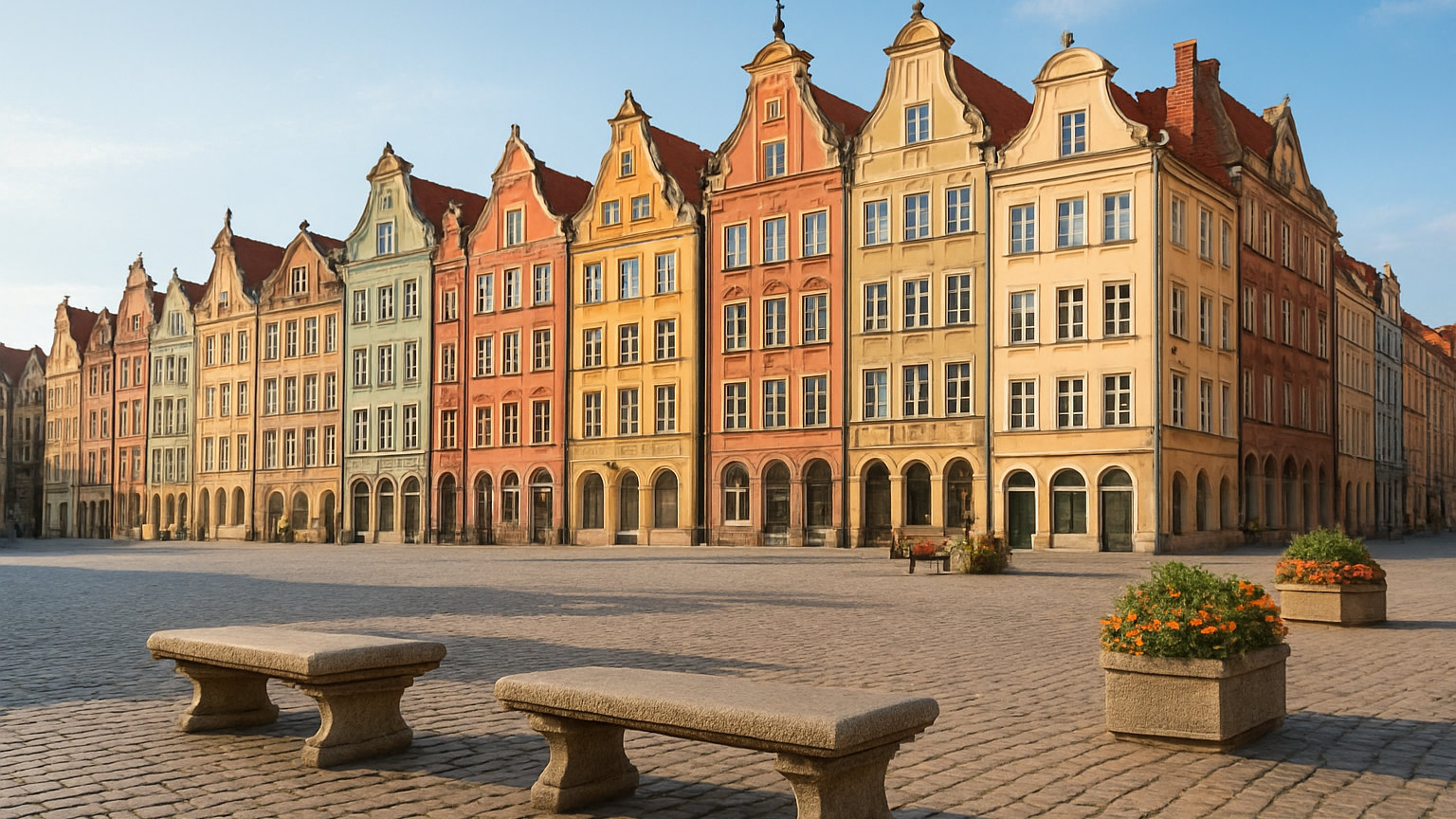
Gdansk on the Baltic, with a reconstructed merchant waterfront, the Solidarity story and the seaside resort of Sopot next door. Wroclaw for a beautiful market square, a hundred islands and bridges, and the small bronze dwarf statues scattered across the city. Both are cheaper and quieter than Krakow.
What is there beyond the cities?
The Tatra mountains in the far south, reached from Zakopane, which give genuine high alpine walking in summer and inexpensive skiing in winter. The Masurian lake district in the northeast for sailing and quiet. The Bialowieza forest on the eastern border, the last stretch of primeval lowland forest in Europe and home to wild bison.
Is the Baltic coast worth a summer week?
For a certain kind of holiday, yes. The beaches are wide, sandy and backed by dunes and pine, and they are far better than most people expect. The water is cold, rarely rising much above twenty degrees even in August, so this is a beach holiday for walking and sitting rather than swimming.
Is Poland good value?
It remains among the best value destinations in the European Union, and the saving shows most clearly in restaurants, taxis and museum entry rather than in hotels, where Krakow prices have risen towards the western European average. Poland uses the zloty rather than the euro, so carry a card with no foreign transaction fee and decline the offer to be charged in pounds at the terminal.
How long do you need?
Three nights for Krakow with one excursion. A week for Krakow and Warsaw, or Gdansk and Warsaw, linked by fast and inexpensive trains. Ten days to add the Tatras.
When is the best time to visit?
May to September for the cities, with June and September the most comfortable. December for the Christmas markets in Krakow and Wroclaw, which are excellent and much cheaper than the German equivalents. January and February are cold, often well below freezing, and suit the mountains rather than the cities.
What do people get wrong?
Booking Auschwitz too late, since entry is by timed ticket and the free slots go months ahead in summer. The other is assuming Poland is a single weekend destination, when the distance from Gdansk to Zakopane is comparable to the length of Britain.
Do you need a car in Poland?
Not for the cities. Intercity trains between Krakow, Warsaw, Gdansk and Wroclaw are fast, comfortable and cheap by western European standards, and all four city centres are walkable. A car is useful for the Masurian lakes and for reaching villages in the south, and unnecessary for Zakopane, which has a direct train and bus service from Krakow.
See also What to See in Turkey: Coast, Cappadocia and Istanbul, which covers a related part of the same decision, and our other Destinations guides.
The short answer
Krakow for three nights and a first visit, Warsaw for the museums, Gdansk for the coast and Wroclaw for the prettiest square. Book Auschwitz well ahead, and add the Tatras if you want mountains at half the alpine price.


