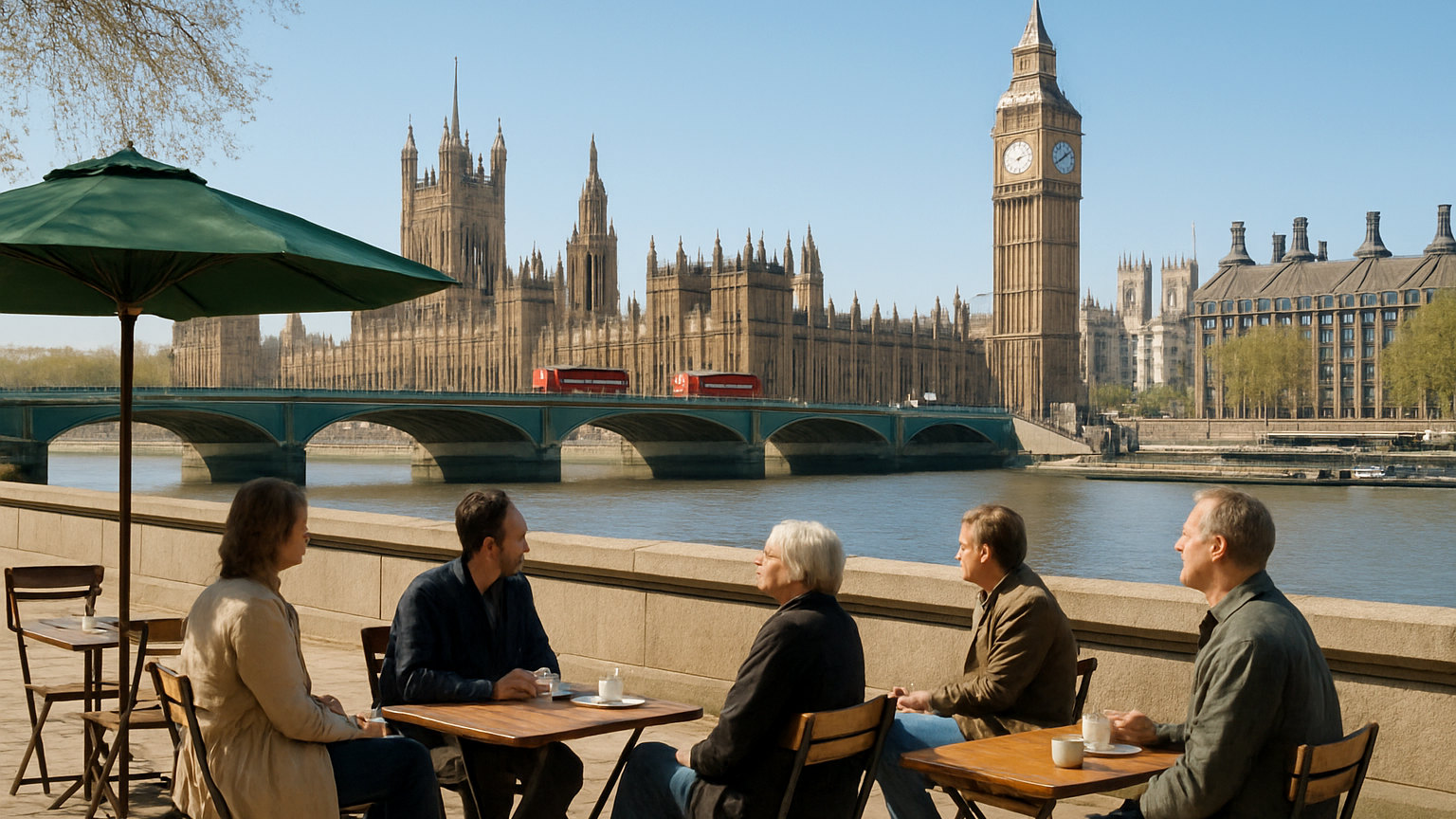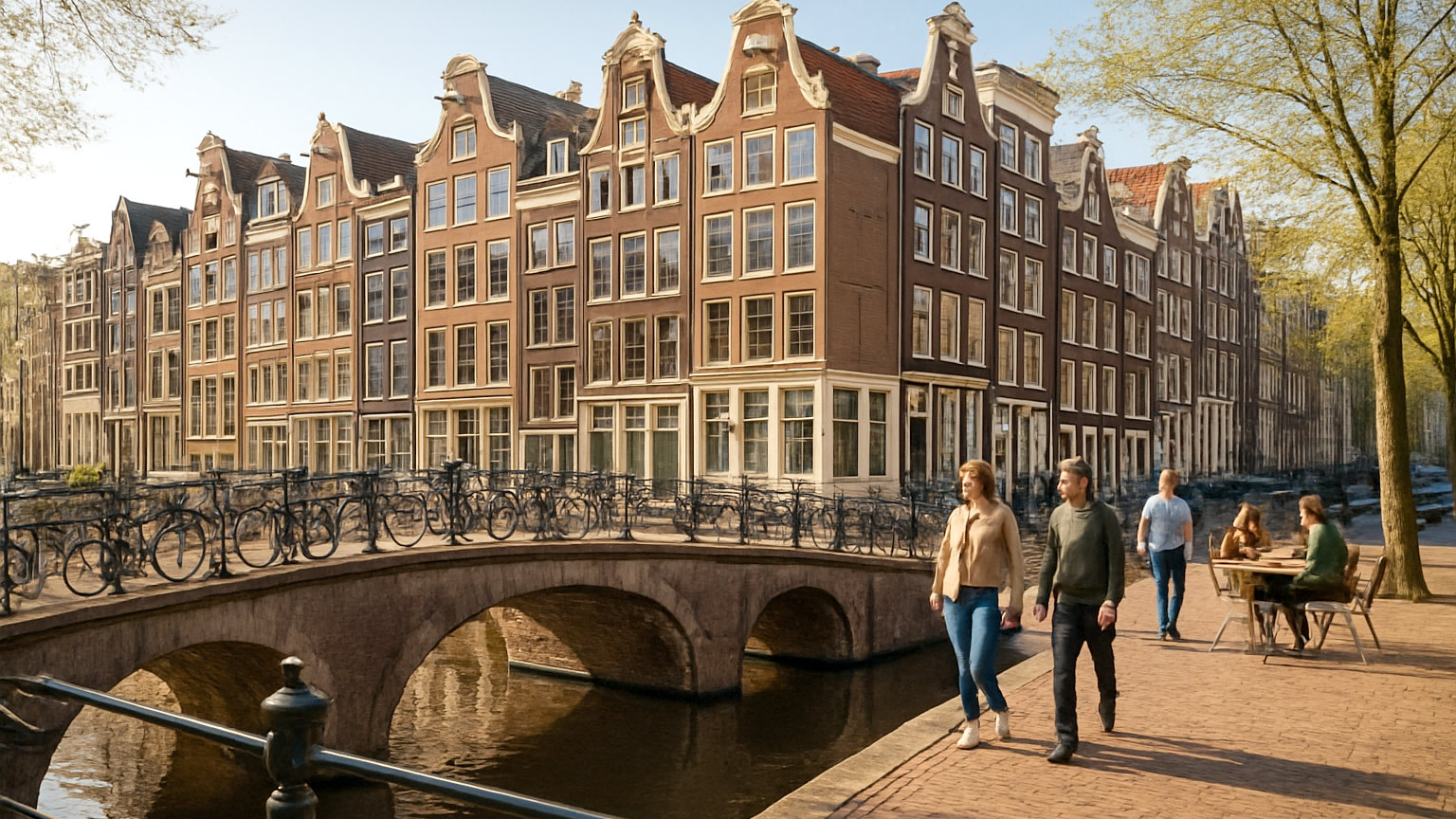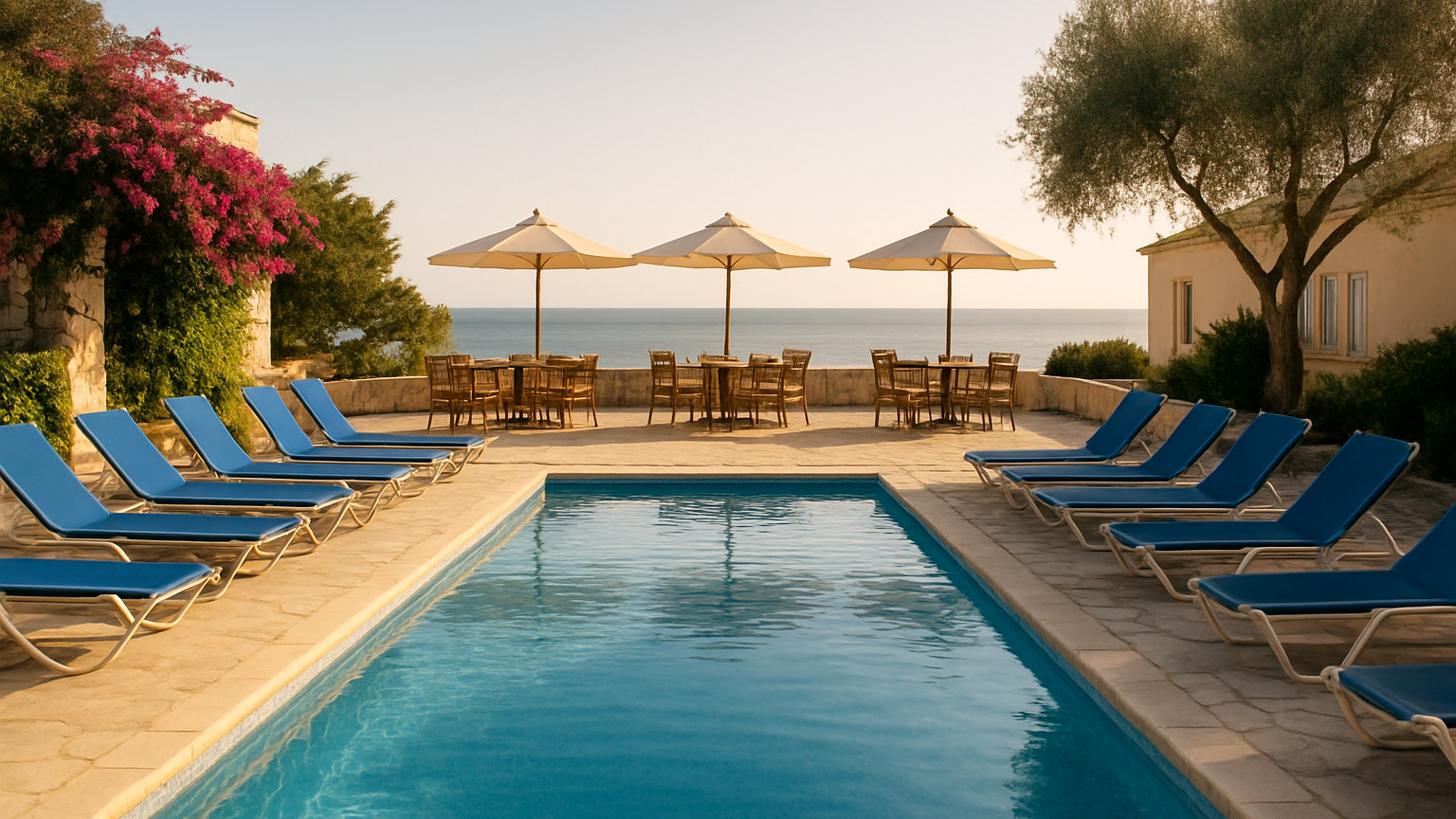
The usual objection to all inclusive is that people fly to a country and never see it. That is a fair description of some holidays and not of others, and the difference is decided almost entirely at the point of booking by where the hotel is rather than by what the guests intended.
What makes a resort a closed environment?
Being some distance from a town, having no pavement or safe route out, and having everything provided inside. Purpose-built resort complexes on an otherwise empty stretch of coast are designed this way, and leaving involves a taxi or an organised excursion. Once that is true, most guests stop leaving after the second day.
How do you choose one that is not?
Look at the hotel on a map rather than at the photographs. Check whether there is a town centre within a fifteen-minute walk, whether there is a pavement, and whether there is a bus stop. A hotel on the edge of a working town is a different holiday from one on a headland four kilometres away, whatever the board basis.
Which resorts manage both?
Those in or beside real towns. Alcudia and Puerto Pollensa in Mallorca, Protaras and Paphos in Cyprus, Hersonissos and Chania in Crete, Albufeira in the Algarve, and Los Cristianos and Puerto de la Cruz in Tenerife all have all inclusive hotels within walking distance of a town with its own life.
Does it make financial sense to leave?
This is the real reason people stay in. Having paid for food, going out for lunch feels like paying twice, which is a genuine cost and a psychological one. Half board sidesteps it neatly: breakfast and dinner included leaves the middle of the day free without any sense of waste.
If you know you want to explore, that board basis choice matters more than the hotel.
Are hotel excursions worth it?
Convenient and usually the most expensive way to see anything. The same boat trip or market visit booked locally is often half the price, and public buses reach most of what matters in the developed resort areas. Hotel excursions are worth it when the destination is genuinely awkward to reach independently.
What about hiring a car for two days?
The best answer for most all inclusive guests who want to see something. Hiring midway through the week for two days costs far less than a full week and reaches the villages, viewpoints and beaches that no excursion covers. Most resorts have local hire desks as well as the airport.
Is it a problem if you do not leave?
Not inherently, and the criticism can be snobbish. A family with young children, or anyone needing a genuine rest, may reasonably want a pool, a beach and no decisions for a fortnight. The mismatch is only a problem when someone books all inclusive expecting to explore and then finds the arrangement working against them.
What about the beach?
Worth checking separately from the hotel location, since a resort can be on a road with no public beach access nearby. Where the hotel has its own beach, leaving the grounds becomes less natural still. A public beach with a promenade and bars along it is the arrangement most likely to get people out of the resort.
How do you get out cheaply?
Local buses, which in the developed Mediterranean resort areas are frequent, cheap and reach the nearby towns and beaches. Reception will usually have a timetable, though they have no incentive to volunteer it. A day ticket on a resort bus network typically costs less than one hotel excursion, and in resorts such as Benidorm, Albufeira or Paphos the bus reaches most of what visitors want to see.
Which All Inclusive Resorts Suit Couples? goes into more detail on a closely related question, and the rest of our Holidays section covers the wider subject.
The short answer
Look at the map before booking and choose a resort within walking distance of a town if you want to explore. Consider half board instead, which removes the sense of paying twice, and hire a car for two days rather than booking hotel excursions.