The best-known surf spots in Europe are mostly unsuitable for learning. Beginners need small, consistent, slow-breaking waves over a sandy bottom, without strong currents, and water warm enough to stay in for two hours. Those conditions exist in specific places at specific times of year, and they are not the places that appear in surf films.
What makes a good beginner beach?
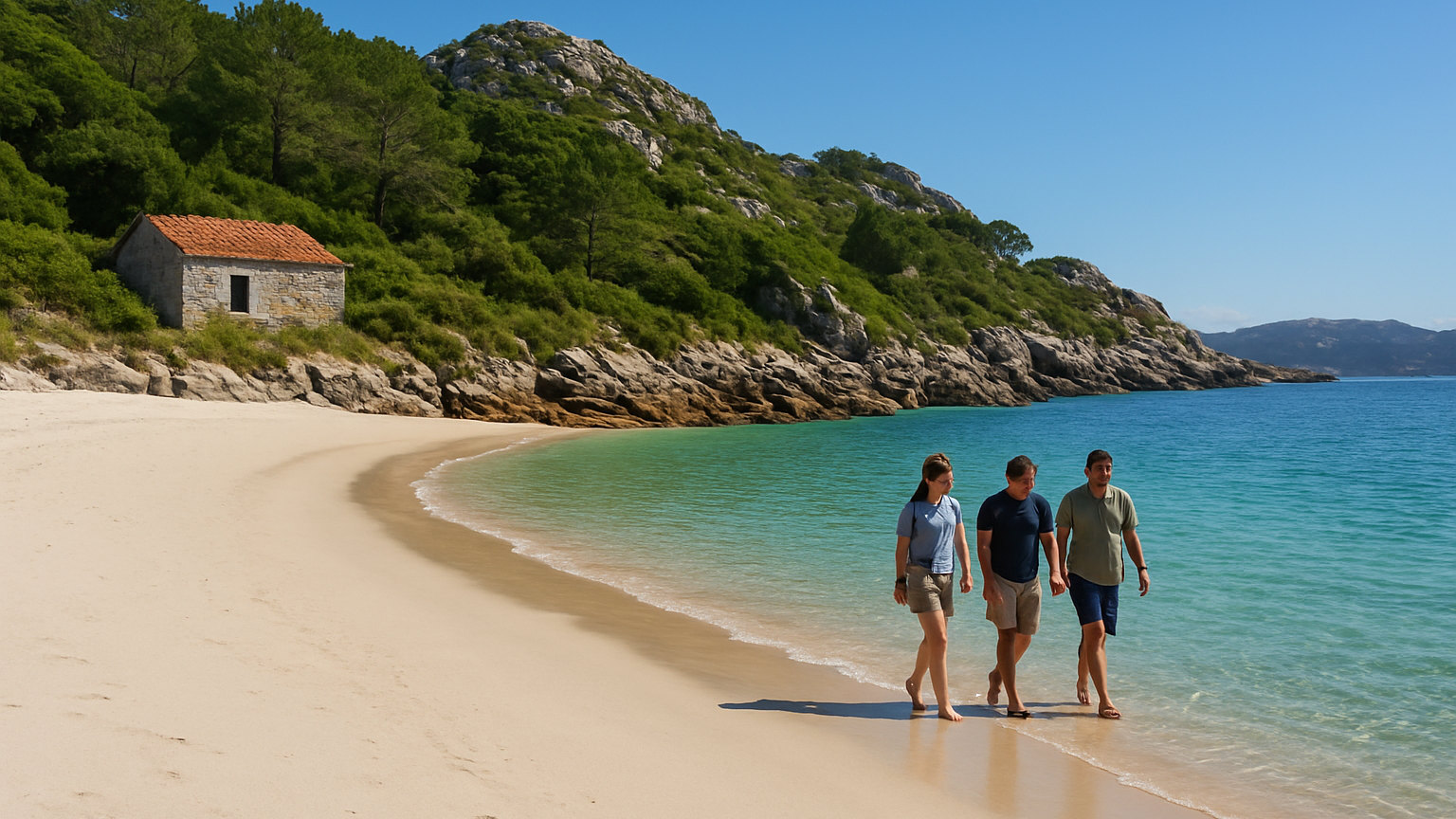
A gently shelving sandy bottom, so a fall does not hit rock. Waves in the waist to chest range that break slowly and roll rather than dump. A wide beach so the line-up is not crowded. Few rip currents, or at least clearly identified ones. And a school with enough instructors to watch everyone.
Where should you learn?
The southwest of France around Hossegor, Seignosse and Lacanau, which has long sandy beaches, a dense concentration of surf schools and warm enough water in summer. Biarritz itself, specifically Cote des Basques at the right tide, which has a long gentle break that is one of the classic teaching waves in Europe.
Portugal around Peniche, Ericeira and the Algarve west coast, which has reliable swell year round and a very large number of camps. Fuerteventura and Lanzarote in the Canaries, which combine warm water with consistent waves and a long season.
Newquay and the north Cornish coast, and Lahinch and Bundoran in Ireland, are the closest options to Britain and require a wetsuit in every month.
Which places should beginners avoid?
Nazare, obviously, which has the largest waves ever surfed. Mundaka in Spain, which breaks over a sandbar into a river mouth and is for experienced surfers. Hossegor in autumn, when the same beaches that teach in July produce heavy barrels. The rule is that a famous break is famous because it is difficult.
When should you go?
June to September in France and northern Spain, when the swell is smaller and the water is warmest. The Canaries work year round, with winter bringing bigger waves. Portugal is consistent all year, with summer the gentlest. Autumn and winter across the Atlantic coast bring larger, more powerful surf that suits improvers rather than first-timers.
What does a course involve?
Typically two hours, with a beach briefing on safety, paddling and the pop-up, then supervised time in the white water close to shore on a large soft-topped board. Most people stand up in the first or second lesson on a foam board in whitewater, and getting out to the unbroken wave takes considerably longer. A week of daily lessons gets most adults to a point of catching green waves.
Do you need a wetsuit?
Almost always, and it will be included. Atlantic water is cold even in August, and two hours of repeated immersion is a different proposition from a swim. A three-two millimetre suit is standard for a European summer and a four-three for spring and autumn.
Is a surf camp worth it?
For a first trip, usually. Camps bundle accommodation, lessons, board hire and transport to whichever beach is working that day, which matters because conditions move along the coast. They also solve the social side for anyone travelling alone. Booking a school day by day gives more flexibility and costs more per lesson.
How much does it cost?
A group lesson of two hours is modest almost everywhere, with a package of five typically cheaper per session. Board and wetsuit hire is inexpensive by the day. A week-long surf camp including accommodation, lessons and equipment costs considerably less in Portugal and the Canaries than in France, which is the main reason Portugal has become the default European learning destination.
How fit do you need to be?
Moderately. The paddling is the hard part and uses shoulders and back more than most people expect. Two hours is tiring for a first-timer, and the second day is usually harder than the first.
See also What Should You Check Before Booking a Beach Hotel?, which covers a related part of the same decision, and our other Holidays guides.
The short answer
Learn in southwest France, Portugal or the Canaries in summer, on a wide sandy beach with a school. Avoid the famous breaks, expect to need a wetsuit, and take a week of lessons rather than one if you want to progress past whitewater.