The cheapest months to travel in Europe are January after the first week, February, and November. Flights, accommodation and car hire all fall sharply, and in some cities the difference against June is a factor of two. The question is not when prices are lowest, which is easy, but what you can usefully do once you are there.
How much cheaper is low season?
Substantially. City hotel rates in February commonly sit at half of their May or September level, and short-haul flights outside half term are at their annual floor. Car hire in Mediterranean destinations can be a third of the August price. The saving is largest exactly where the summer premium was largest.
What can you do in January and February?
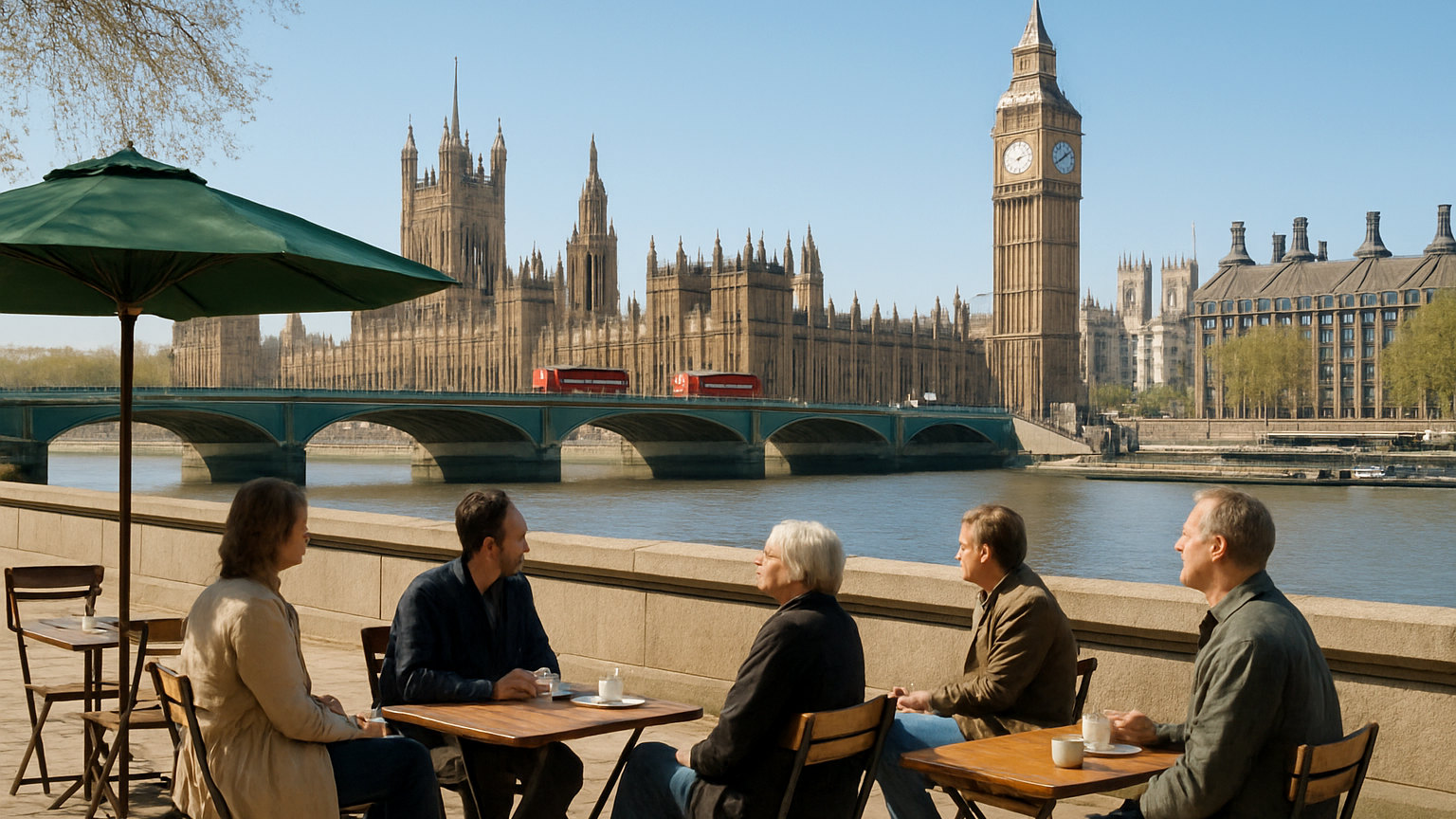
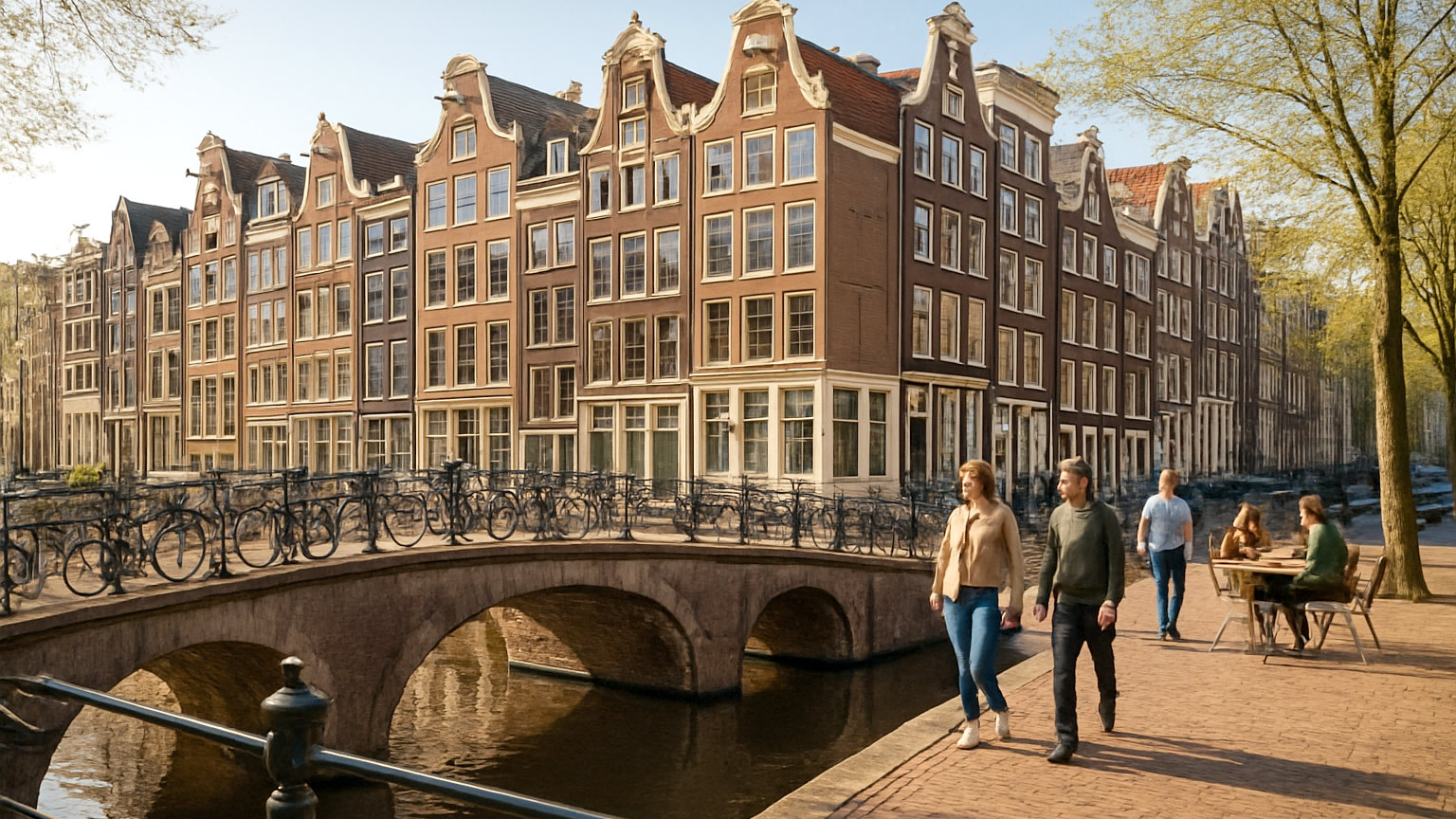
Cities, which is the honest answer and a better one than it sounds. Museums, galleries, restaurants, bars and thermal baths are all indoors and all quieter. Rome, Madrid, Vienna, Budapest, Berlin and Lisbon are all perfectly good in winter and considerably more pleasant without summer crowds and heat.
Skiing is the other January answer, and the weeks after New Year and before half term are the cheapest of the season with good conditions.
What about November?
The quietest month in Europe and the cheapest for many destinations. The weather is unreliable, the days are short and a good deal of coastal infrastructure has closed. It suits cities, spa towns and anywhere with a strong indoor culture, and it is the last chance for autumn colour in the wine regions and the mountains.
Late November is also when the Christmas markets open, at which point prices in the market cities rise again.
Where stays warm in winter?
The Canary Islands, which sit around twenty to twenty-two degrees every month and are the only reliable European winter beach destination. Madeira, mild and green with no real beaches. Southern Spain and Cyprus are mild rather than warm at around sixteen to eighteen degrees, which is comfortable for walking and cold for swimming.
What are the risks?
Closure, which is the main one. Smaller islands, coastal towns and mountain villages reduce or shut entirely, ferry schedules thin, and a resort with two restaurants open is a different holiday. Always check whether your accommodation and the surrounding area actually operate in the month you are travelling.
Weather is the other. Short daylight in northern Europe limits sightseeing, and Mediterranean winters are wetter than most people expect.
Which months are the best compromise?
Late April, May, late September and October. Prices are well below the summer peak, everything is open, the weather is good and the crowds are moderate. If the aim is value rather than the absolute lowest price, these four windows are better than the deep off season.
Does it vary by country?
Yes. Ski countries invert the pattern, with January and February as their peak and September as their cheapest month. Christmas market cities peak in December. Coastal Greece, Croatia and Italy are cheapest precisely when they are least functional.
What about Christmas and New Year?
The exception in the middle of the cheap season. Christmas market cities, ski resorts and the Canaries all peak sharply from mid-December to early January, and prices in those places are at their annual highest. The cheap window resumes around the second week of January.
Is the weather actually a problem?
In the north, the short daylight matters more than the cold, with useful sightseeing hours limited from November to February. In the Mediterranean, winter is mild and the main issue is rain rather than temperature, and most cities are perfectly comfortable for walking. Rome in January averages around thirteen degrees, which is warmer than London in April.
How Do You Cut the Cost of a Family Holiday? goes into more detail on a closely related question, and the rest of our Holidays section covers the wider subject.
The short answer
January after the first week, February and November are the cheapest months in Europe. Use them for cities, skiing or the Canaries, check what is open before booking anywhere coastal, and take May or October instead if you want value rather than the lowest possible price.