Eating cheaply on holiday is usually framed as eating less or eating worse, and neither is necessary. The cheapest food in most European countries is also the most local, and the expensive meals are frequently the ones aimed at visitors. Eating well on a budget is mostly a matter of eating the way residents do.
What is the single biggest lever?
Making lunch the main meal. Across southern Europe, restaurants serve a fixed multi-course midday menu at a fraction of evening prices, often including bread, a drink and sometimes coffee. The same kitchen, the same ingredients, half the price. Eating that and having something light in the evening changes the food budget more than any other single decision.
How do you spot a tourist restaurant?
Several reliable signals. A menu translated into six languages with photographs. Somebody outside inviting you in. A location directly facing a major sight. An enormous menu covering dishes from several regions, which means most of it is reheated. Empty tables at the local dinner hour.
The inverse signals are equally reliable: a short handwritten menu, a room full of people at the time residents actually eat, and staff who assume you speak the language.
How far do you need to walk?
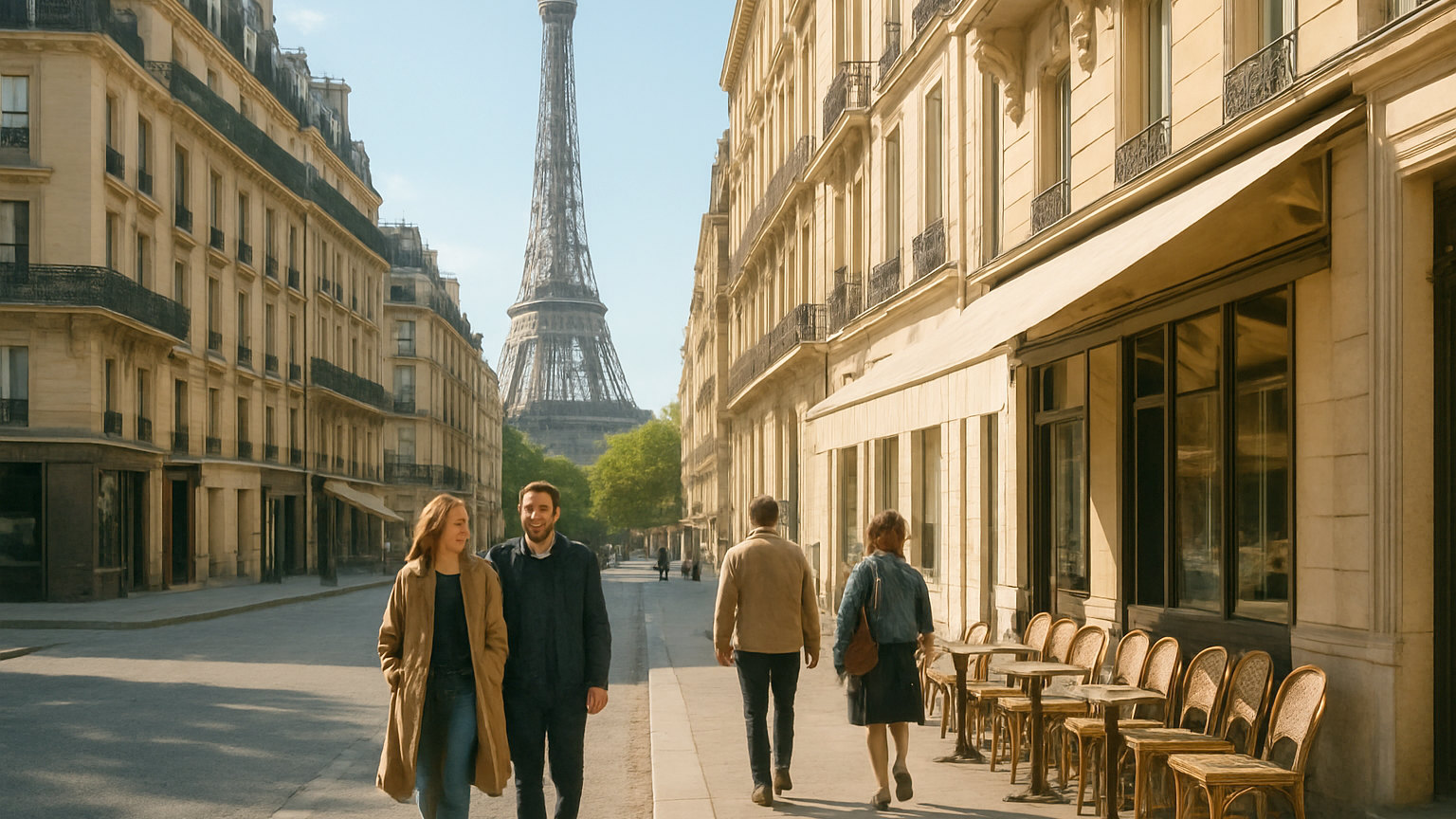
Ten minutes, usually. The price and quality gradient away from a major sight is extremely steep in European cities, and one or two streets back from a main square frequently halves the bill. This single habit is worth more than any app.
What about markets?
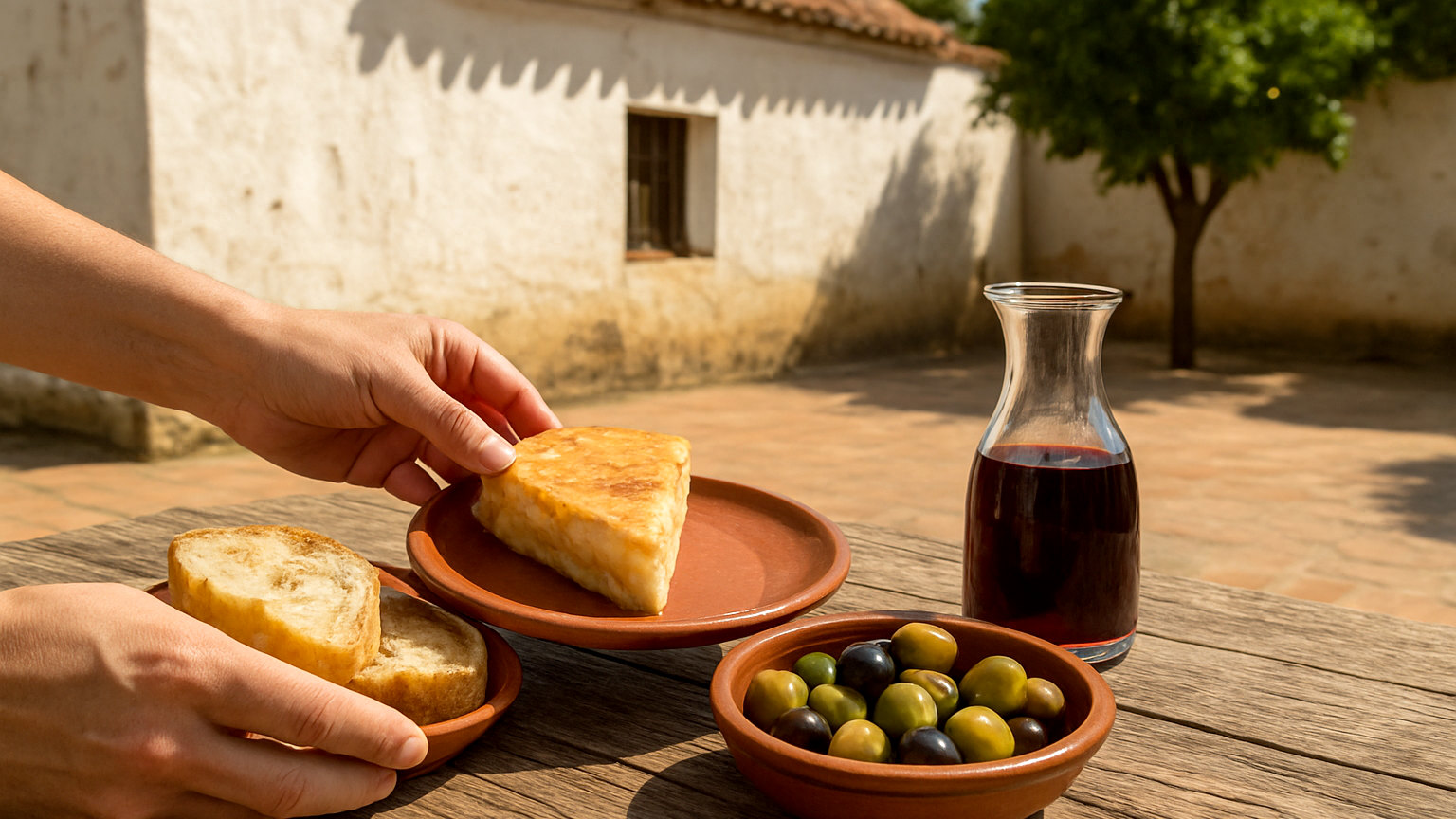
The best value eating in Europe and an activity in itself. Most city markets have stalls or small counters serving the traders, which are cheap and good. Buying bread, cheese, cured meat, fruit and olives for a picnic lunch costs very little and is normal rather than eccentric in France, Italy and Spain.
Which local institutions should you look for?
Milk bars in Poland, subsidised canteens serving full meals for very little. Pay-by-weight canteens in Latvia and Lithuania. Lokantas in Turkey, where you point at trays. Tascas in Portugal and tavernas in Greece away from the waterfront. Standing at the bar in Italy and Spain, where the same coffee or plate costs less than at a table.
What about street food?
Genuinely good in several countries and worth seeking out: borek and simit in Turkey, langos in Hungary, pastel de nata and bifana in Portugal, pizza al taglio in Rome, kebapche across the Balkans. Follow the queue rather than the sign.
How much does self-catering help?
A great deal, and the best version is partial. Breakfast and lunch from a supermarket or market with dinner out typically halves the daily cost without removing the enjoyable part. Supermarkets abroad are also one of the more interesting things to look at.
What about drinks?
House wine in a carafe in southern Europe is inexpensive and usually perfectly good. Beer is cheapest in central Europe and the Balkans. Bottled water is a real cost in Italy and Greece, where tap water is safe but rarely offered. Coffee standing at the bar costs a fraction of the seated price in Italy.
What about dietary requirements?
Easier than it used to be and still worth preparing for. Vegetarian eating is straightforward in Italy, Greece, Turkey and across the eastern Mediterranean, and harder in the Balkans and central Europe where meat dominates. Learning the phrase for your requirement in the local language, and carrying a written version, resolves most situations. Allergy cards printed in the local language are widely available and are worth taking for anything serious. Supermarkets are also the safest option when a requirement is complicated, since packaging carries full allergen labelling across the European Union.
Anyone weighing this up will also want How Do You Find Cheap Accommodation in Europe?, along with the rest of the Holidays section.
The short answer
Make lunch the main meal and take the set menu, walk ten minutes from the main sight, buy breakfast and lunch from markets, and look for the local canteen tradition wherever you are. None of that involves eating worse, and most of it involves eating better.