The word hostel still suggests a bunk room full of nineteen-year-olds, and across most of Europe that describes a shrinking part of the market. Many hostels now run private en-suite rooms alongside dorms, in central locations, at prices that undercut budget hotels while keeping a kitchen and a common area.
What has changed?
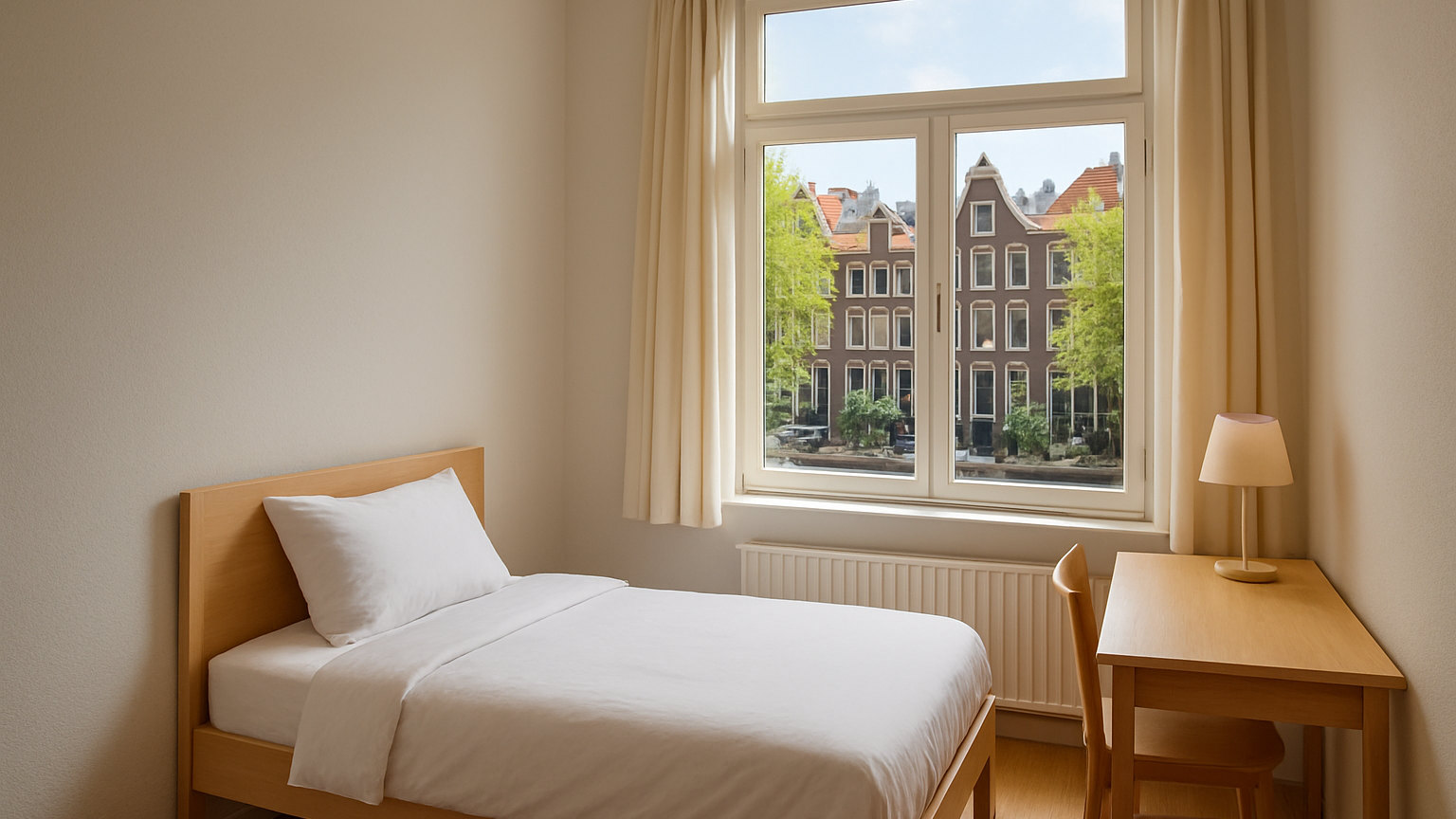
The sector split in two. At one end are party hostels, which are exactly what the reputation suggests. At the other are design-led properties with private rooms, decent bathrooms, a cafe and a laundry, often in converted buildings in city centres. The second group competes directly with budget chain hotels and frequently wins on location.
How much cheaper are they?
A private double in a good hostel typically sits well below a mid-range hotel in the same street, and a dorm bed is a fraction again. The larger saving is often indirect: a kitchen removes the cost of eating out twice a day, and a central location removes transport costs.
Who do they suit?
Solo travellers most of all, since hostels solve the two problems of travelling alone, which are the single supplement and having nobody to talk to. Couples on a tight budget, using private rooms. Groups of friends, who can often take a small dorm to themselves. Families, in the growing number of hostels with four and six bed private rooms.
They suit people who want silence at ten in the evening considerably less well.
What should you check before booking?
Whether the private room is en suite or shares a bathroom, which is the commonest surprise. Whether there is a bar on site and how late it runs, which tells you most of what you need to know about the atmosphere. Whether there is a lockable locker large enough for a bag. Whether breakfast is included or charged. And the age policy, since a few properties set an upper limit.
How do you judge the reviews?
Read for words rather than scores. Repeated mentions of atmosphere, social or events indicate a party hostel; quiet, clean and comfortable indicate the other kind. Recent reviews matter far more than older ones in this sector because ownership and management change often.
Which countries have the best?
Portugal has an unusually high standard, with Lisbon and Porto hostels regularly rated among the best in the world. Poland, Czechia and the Baltic states offer very good properties at low prices. Spain, Germany and the Netherlands are strong. Italy and France are weaker on average, with more older institutional properties.
What are the alternatives?
Guesthouses and pensions in southern and eastern Europe, which are family-run, often cheaper than hostels for a private room and quieter. Apartment rentals, which win for stays of several nights and for groups. Budget hotel chains, which are predictable and usually further from the centre.
Do you need to bring anything?
Linen is provided almost everywhere in Europe and sleeping bags are usually prohibited. A padlock for lockers, a towel in cheaper properties, earplugs and a small torch for dorms are the useful items. Flip-flops for shared bathrooms are worth the space.
What about safety and security?
Reputable hostels provide lockers and secure entry, and theft is uncommon, though a dorm is inherently a shared space. Use the locker for documents and electronics rather than leaving them on a bunk, take a padlock, and keep a photograph of your passport separately. A private room with a door lock removes most of the question.
Do they suit older travellers?
Many do, particularly the design-led properties with private rooms, where the average age is considerably higher than the reputation suggests. A few party-oriented hostels set an upper age limit, which is stated in their terms and is worth reading before booking.
Anyone weighing this up will also want Which Destinations Are Cheapest in School Holidays?, along with the rest of the Holidays section.
The short answer
Yes, for private rooms in good properties, which often beat budget hotels on both price and location. Check whether the room is en suite and whether there is a late bar, read recent reviews for atmosphere words, and look to Portugal and central Europe for the highest standards.