Oslo is consistently among the most expensive cities in Europe, and understanding why makes a trip considerably cheaper. The cost is driven by high wages, high consumption taxes and a strong economy rather than by tourist pricing, which means the savings are in specific categories rather than everywhere.
What costs the most?
Alcohol, by a wide margin, followed by eating out. Norway taxes alcohol heavily as public health policy, and a bar round in Oslo costs several times what it does in southern Europe. Restaurant meals carry high labour costs.
How do you reduce the drinks cost?
Buy from Vinmonopolet, the state off-licence monopoly, which is considerably cheaper than bars though still expensive by European standards. Opening hours are restricted and it closes early and on Sundays, which catches visitors out.
Supermarkets sell only low-strength beer, and there is a legal duty-free allowance worth using on arrival.
What about food?
Eat your main meal at lunch, when many restaurants run a cheaper menu. Bakeries, food halls and the Mathallen market are reasonable. Supermarkets are expensive relative to Europe but far cheaper than restaurants, and self-catering makes a real difference.
What is actually cheap?
Public transport is good value and the Oslo ferries to the islands in the fjord run on ordinary public transport tickets, which is the best value experience in the city. Tap water is excellent and free everywhere.
Is the Oslo Pass worth it?
Only if you visit several museums and use transport heavily, which suits an energetic two days. Do the arithmetic against what you would actually visit, since a pass that requires a forced march is not a saving.
What is free?
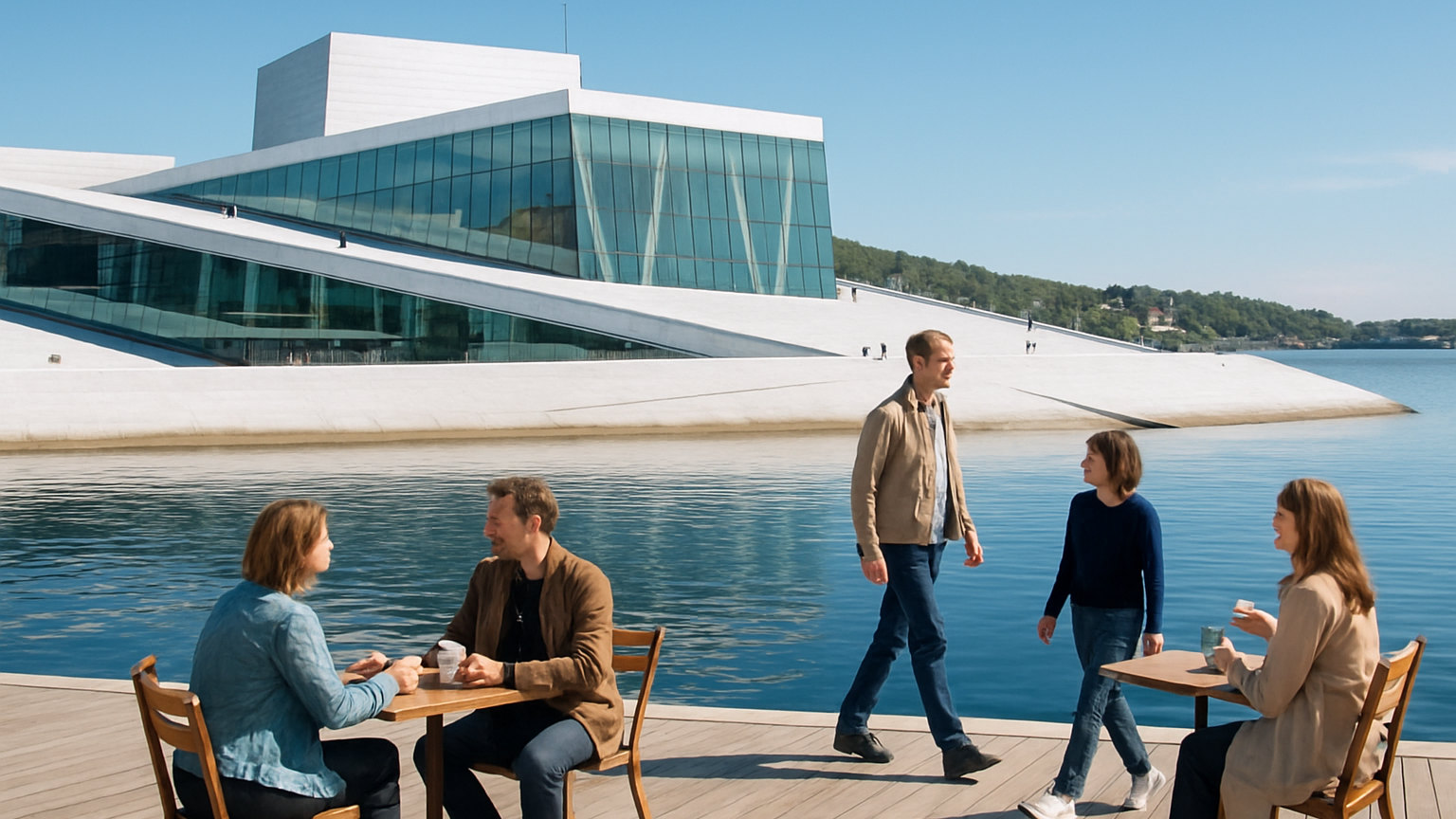
Vigeland sculpture park, which is among the best things in the city and costs nothing. The opera house roof, which you can walk up. The harbour and the Akerselva river walk. The Botanical Garden. Several churches.
Where does the money go unnoticed?
Taxis, which are very expensive, and the airport express train when a cheaper local service covers the same route. Coffee and small purchases add up faster than in other cities.
How much should you budget?
Considerably more than for southern Europe: a comfortable day in Oslo costs roughly what two or three would in Lisbon or Krakow. Accommodation dominates, and business hotels drop their rates at weekends, which is when to go.
When is it cheapest?
Weekends year round, since Oslo is a business city, and the winter months outside Christmas. Summer is peak for leisure and prices rise accordingly.
Is it worth the money?
For two or three nights, yes, particularly combined with the fjords rather than as a city break alone. The city is clean, walkable, well organised and beautifully sited, and the fjord is at the end of the tram line.
How do you keep the total down?
Self-cater breakfast, eat the main meal at lunch, buy alcohol at Vinmonopolet or not at all, walk rather than taxi, use the ferries on a transport ticket and build the trip around the free outdoor attractions.
Is Bergen or Tromso cheaper?
Not meaningfully. Norwegian prices are national rather than local, so the cost is similar across the country and the difference is what you get for it.
What about the fjord?
The Oslofjord starts at the city and the island ferries reach it on a standard transport ticket, which makes a half day on Hovedoya or Gressholmen among the cheapest good things to do in Norway. Swimming in summer costs nothing.
Is it worth combining with the fjords?
Almost always. The Bergen railway across the mountain plateau is among the great European train journeys and runs as an ordinary service, and Oslo works far better as one end of that trip than as a standalone city break.
How Much Does a Trip to Copenhagen Cost? is the natural next read, alongside the wider Holidays section.
The short answer
Yes, among the most expensive in Europe, driven by wages and alcohol tax rather than tourist pricing. Buy drinks at Vinmonopolet, eat the main meal at lunch, use the fjord ferries on an ordinary transport ticket and build the trip around Vigeland park and the harbour, which are free.