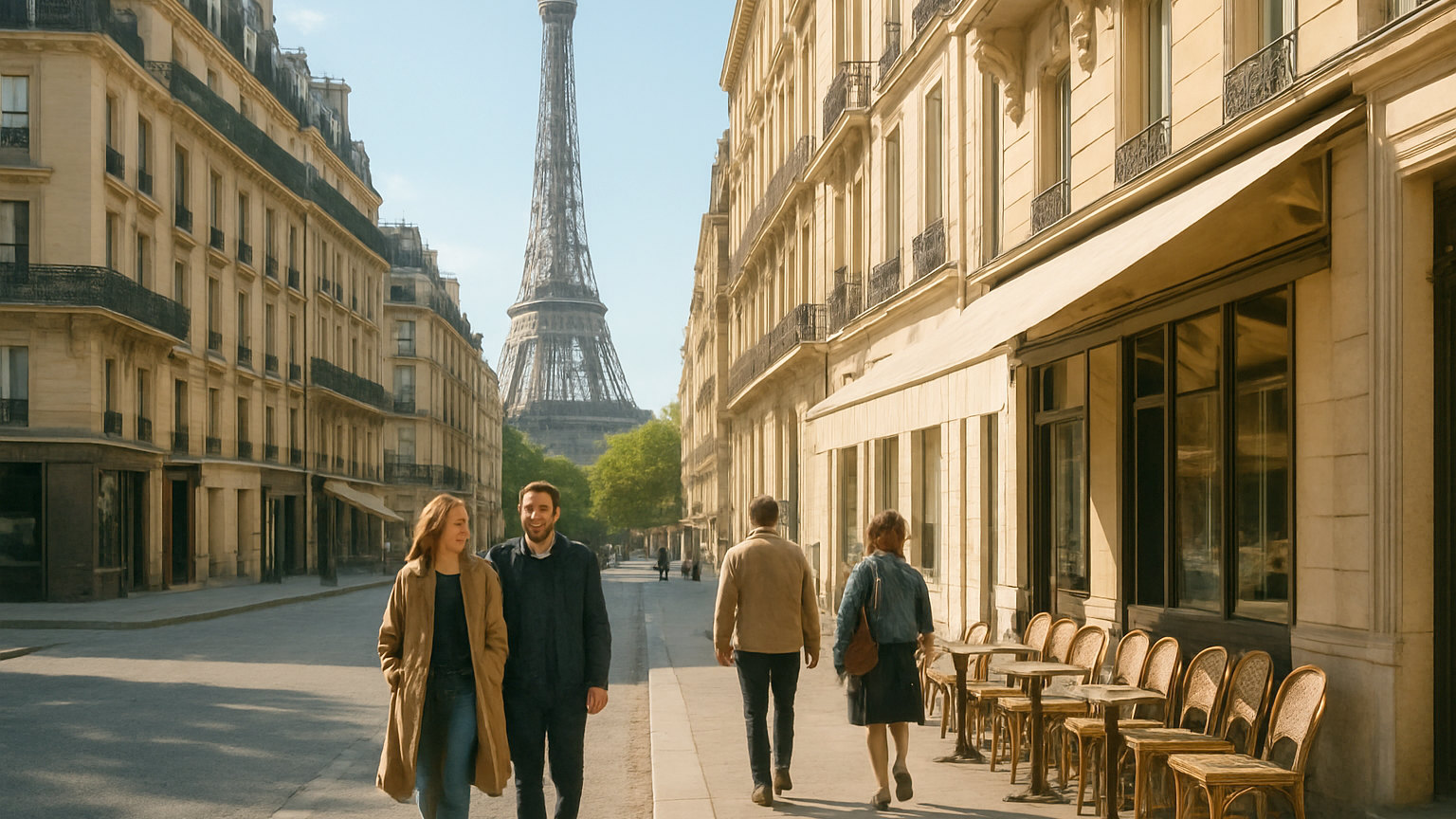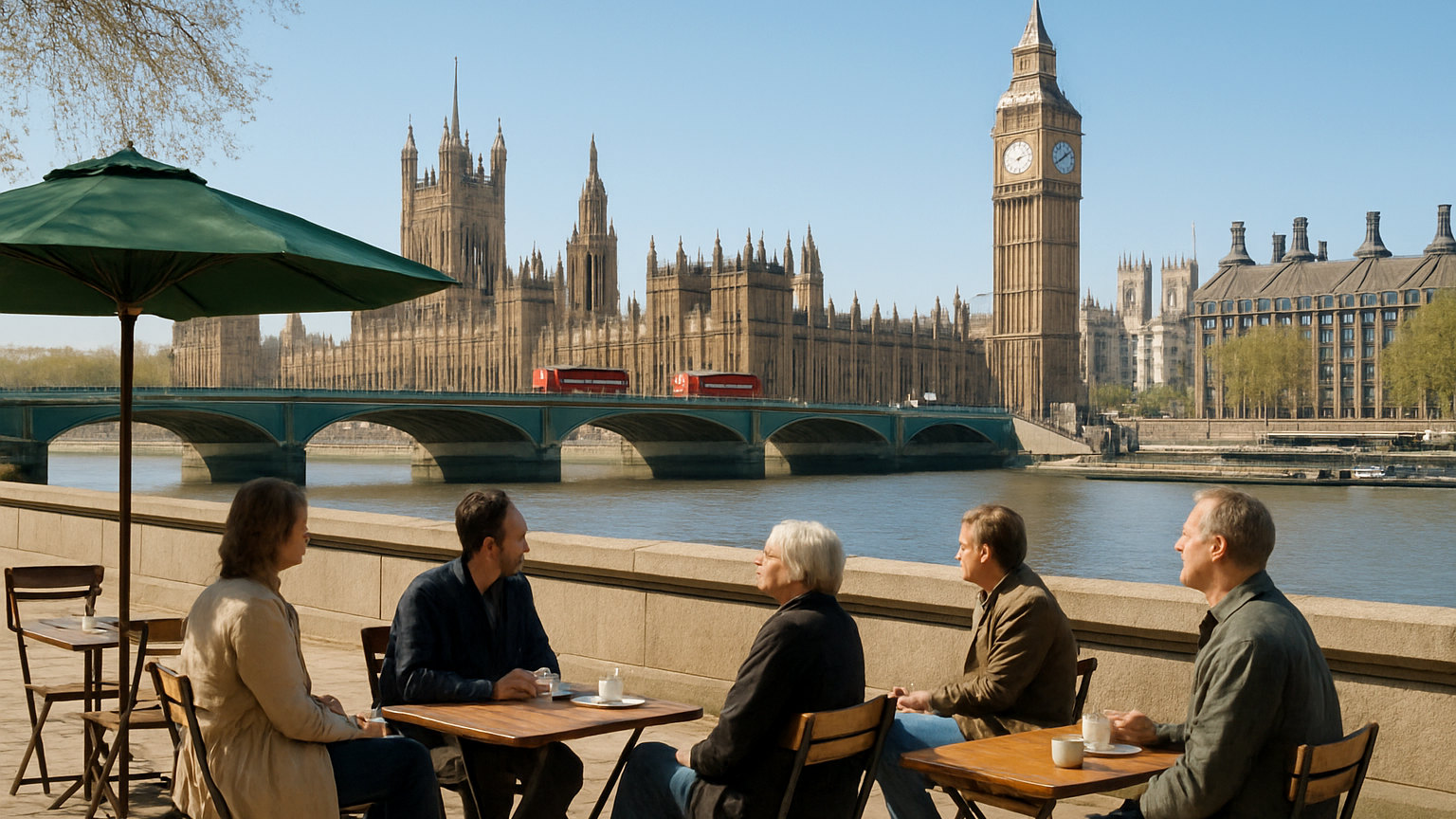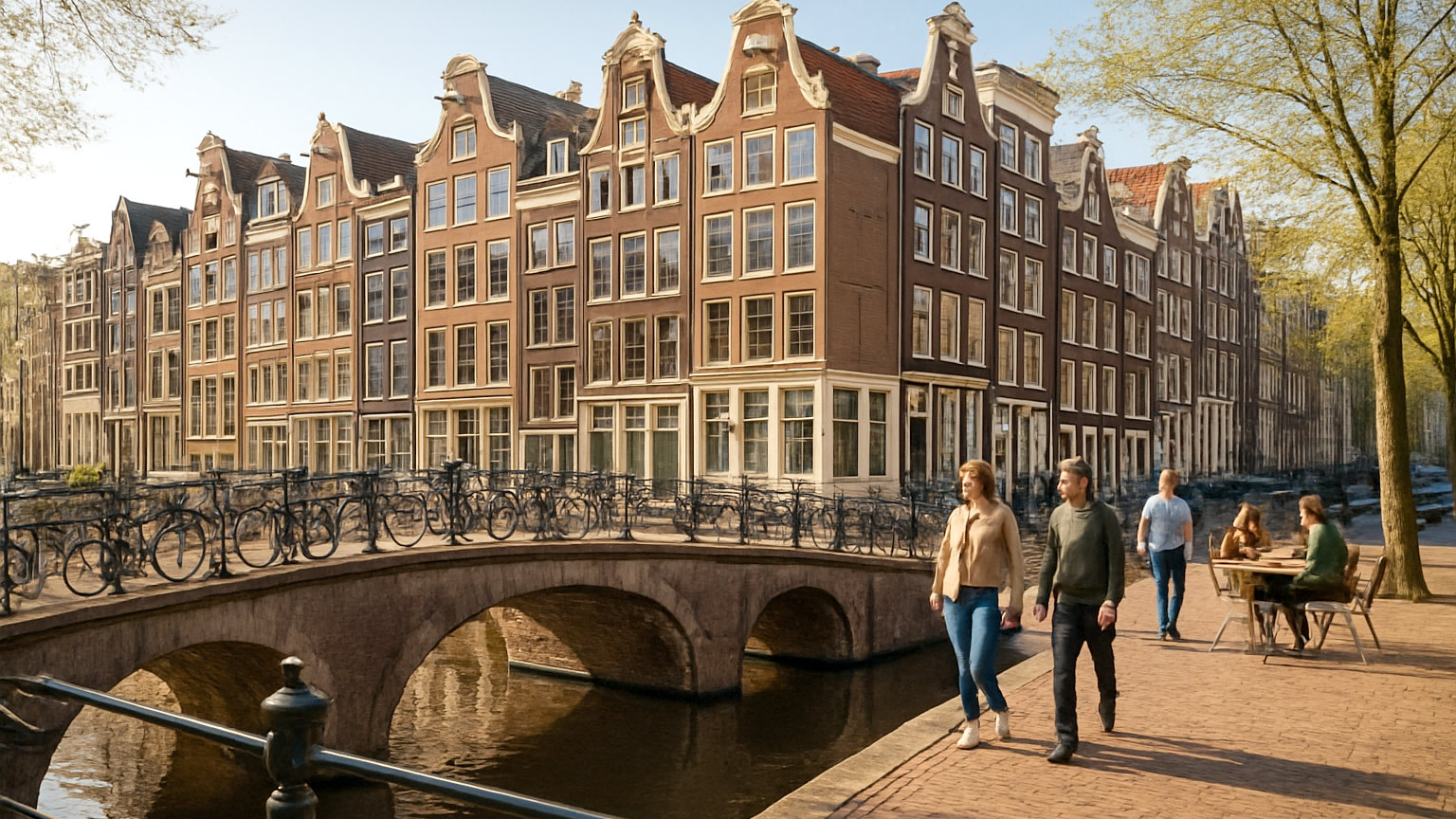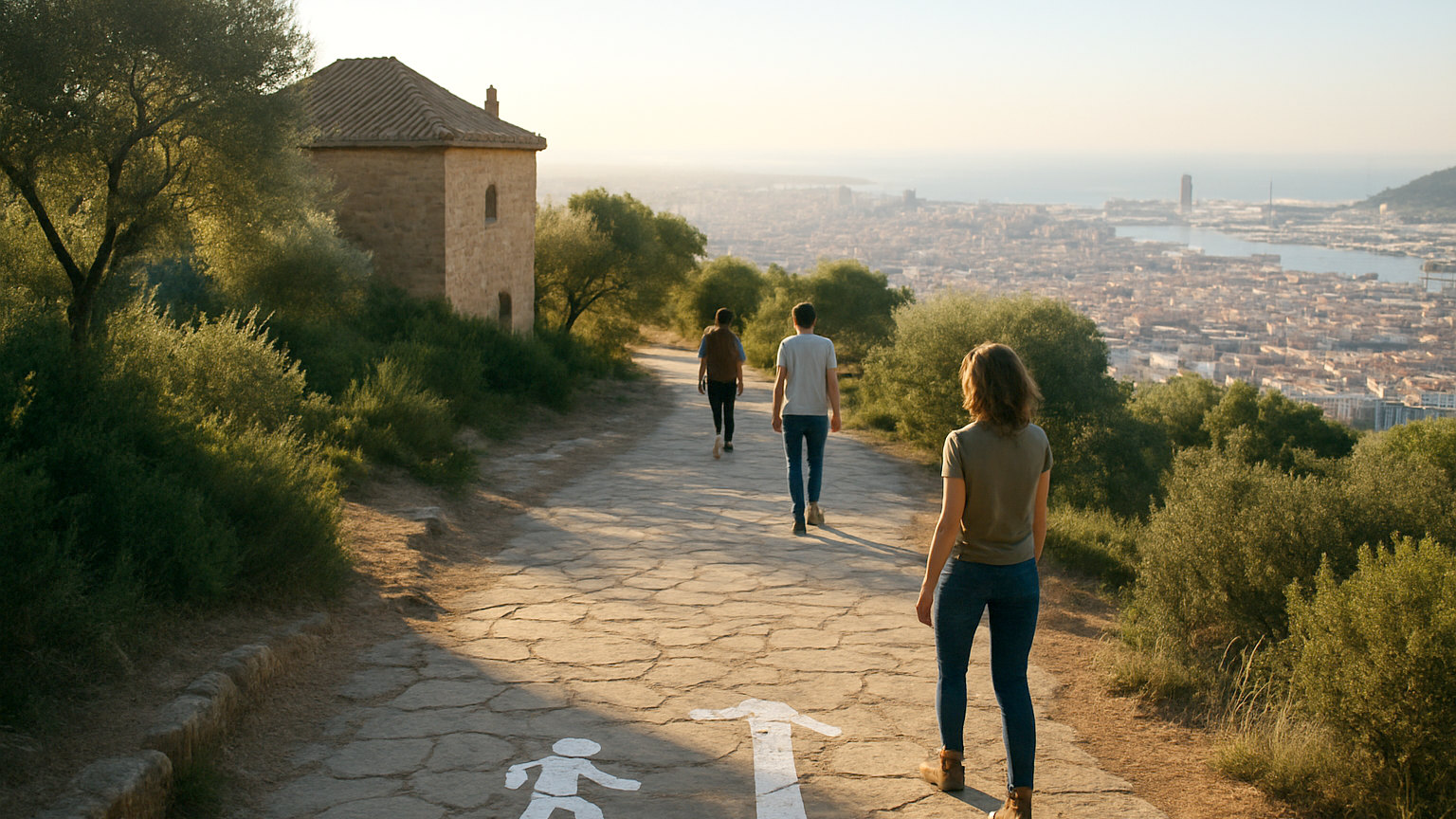
A walking tour on the first morning of a city break is one of the more reliably useful things you can do, because it gives you the shape of a place before you start exploring it. It is also an area where the free model is widely misunderstood.
Why take one at the start?
Orientation. Two or three hours walking a centre with someone explaining what you are looking at gives you a mental map, a sense of which districts are which, and a list of things you now want to return to. Doing it on the last day, which people often do, wastes most of that.
How do free walking tours work?
They are not free. Guides typically pay the company a fee per participant and earn only from tips, which means a guide with a group of twenty may be out of pocket if nobody pays. The expected contribution varies by city and is usually explained at the start. Treating it as genuinely free is the thing to avoid.
The model produces highly energetic guides who are very good at holding a crowd, and occasionally a performance rather than a history lesson.
Are paid tours better?
Often, for depth. A paid small-group tour with a licensed guide usually covers more substance and fewer crowd-pleasing anecdotes, and group sizes are capped. In cities with formal guiding qualifications, such as Italy, Spain and Greece, the difference between a licensed guide and an unlicensed one is real.
Which tours are worth choosing?
Specialist ones, once you have the general orientation. Food tours, which are among the best value ways to eat in an unfamiliar city. Jewish quarter and wartime history tours in central Europe, which cover things a general tour skims. Street art tours in Berlin, Lisbon and Athens. Architecture tours in Barcelona and Vienna.
What about audio guides and apps?
Good for going at your own pace and considerably cheaper. They suit people who dislike groups and lose the ability to ask questions, which is much of the value of a live guide. Several cities have excellent free municipal audio tours that are barely publicised.
How do you judge a guide quickly?
Whether they answer questions properly or deflect them, whether they distinguish between what is documented and what is legend, and whether the group can hear them. A guide who uses a small radio transmitter with earpieces in a large group is taking the job seriously.
Are they suitable for children?
General tours of two or three hours rarely hold anyone under about ten. Shorter family-specific tours exist in the larger cities and are usually better. A food tour often works better with older children than a history one.
What should you check before booking?
The duration, the group size, the meeting point and whether it ends where it started, which matters more than people expect at the end of three hours. Whether entry fees to any site are included. And for free tours, what contribution is customary in that city.
How long do they last?
General free tours typically run two and a half to three hours, which is longer than most people expect and involves continuous standing and walking. Paid small-group tours are often shorter and denser. Anything advertised at ninety minutes is a highlights walk rather than a full introduction.
Should you tip on a free tour?
Yes, and the amount varies by city. Guides pay the company per head and rely entirely on tips, so a contribution comparable to what a modest paid tour would cost is the convention in most western European cities, and less in the east.
Are they worth it in every city?
Most useful where the history is complicated or invisible: Berlin, Krakow, Belfast, Sarajevo, Athens and Rome all benefit enormously from a guide. Less necessary in small, legible towns such as Bruges or Ljubljana, where walking with a map covers it.
Which Cities Are Best for a Long Weekend From the UK? goes into more detail on a closely related question, and the rest of our Holidays section covers the wider subject.
The short answer
Take a general tour on the first morning for orientation and a specialist one later for depth. Understand that free tours run on tips and budget accordingly, choose licensed guides where the country has a system, and check where the tour ends.