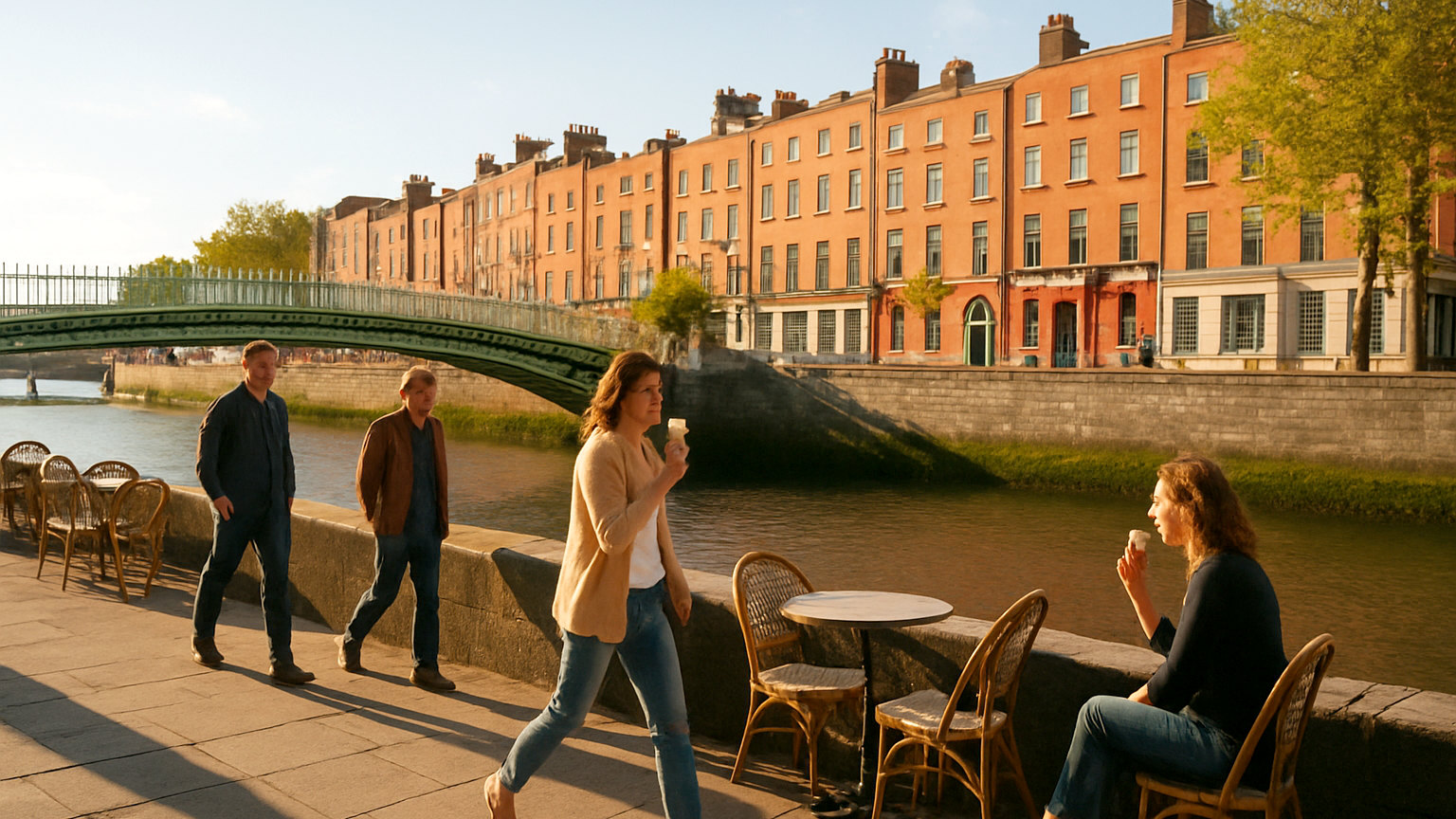
Dublin has become one of the more expensive city break destinations in Europe, and the cost is concentrated in one place. Accommodation is the problem; a great deal of the rest of the city is reasonable and some of the best of it is free.
Why is accommodation so expensive?
Constrained supply against strong demand from tourism, business and events, in a city with a wider housing shortage. The result is hotel rates well above comparable European cities, and rates that spike sharply around concerts, rugby internationals and conferences.
What else costs more than expected?
Drinks, particularly in Temple Bar, where a pint costs substantially more than a few streets away. Eating out is moderately expensive and broadly in line with other western European capitals.
What is genuinely cheap?
The museums. The National Museum of Ireland across its sites, the National Gallery and the Chester Beatty Library are all free and all excellent, which is unusual in Europe and is the strongest argument for the city.
Is the Guinness Storehouse worth it?
Expensive and popular, with a pint at the top included. Whether it is worth the price is a matter of taste, and the Jameson distillery and several smaller brewery tours cost less. Book ahead either way.
How do you avoid the Temple Bar premium?
Drink elsewhere. Temple Bar is where visitors go and prices reflect it; pubs ten minutes away in Stoneybatter, Portobello or around Camden Street charge considerably less and have better atmosphere.
What is free outdoors?
Phoenix Park, one of the largest enclosed city parks in Europe with wild deer. St Stephen Green. Walking the Liffey quays. Trinity College grounds, with only the Book of Kells charging.
What is nearby and cheap?
The DART coastal railway to Howth or Dun Laoghaire, which costs a normal fare and gives a cliff walk, a harbour and seafood. It is the best value half day from the city.
When is it cheapest?
January to March excluding St Patrick weekend, and midweek. Check the city events calendar before fixing dates, since a single concert or match can double hotel rates.
Is Belfast cheaper?
Noticeably, across accommodation and drinks, and it is two hours away by train in a different country and currency. Some visitors base there and take a day in Dublin.
How much should you budget?
More than for most western European capitals, with accommodation dominating. A day using free museums, a pub lunch and the DART costs relatively little; the bed is where the money goes.
Is it still worth going?
Yes, with the dates chosen carefully. The museums, the literary history, the coast and the pubs away from the centre are all excellent, and avoiding event weekends changes the total substantially.
What about the airport?
Dublin Airport has no rail link, so the bus is the practical option and is reasonably priced. Express coaches run frequently to the centre and cost a fraction of a taxi, which is worth booking or paying for on board rather than defaulting to a cab.
Is self-catering worth it?
Less than in most cities, since apartment supply is limited and short-term rentals are restricted. The saving is in choosing dates and location rather than in the accommodation type.
What about day trips?
Glendalough in Wicklow, Newgrange in the Boyne valley and the coastal villages on the DART all make good days out. The DART is the cheapest by a distance and needs no tour, since Howth and Bray are both on the line.
What about the weather?
Changeable year round and rarely extreme, with rain likely in any month. It matters for budgeting because a wet weekend pushes you indoors, and in Dublin the free national museums are exactly the right place to be pushed.
How Much Do You Need for a Weekend in London? answers a related question in more depth, and there is more of the same across our Holidays guides.
The short answer
Accommodation is the cost, driven by constrained supply and event spikes rather than by the city. Use the free national museums, drink outside Temple Bar, take the DART to Howth, avoid event weekends and consider Belfast as a cheaper base.