The commonest tension in planning a trip for two is not disagreement about the destination but about the pace. One person wants to see things and the other wants to stop. Choosing a compromise destination that satisfies neither is the usual outcome, and it is avoidable.
What is the actual disagreement?
Usually pace rather than content. One person treats a holiday as an opportunity and the other as a recovery, and both are legitimate. Framing it that way is more productive than arguing about whether to visit a particular museum, because it points at a structure rather than a single decision.
What is the structural solution?
A base with variety within reach, and permission to do different things on any given day. Neither of those is a compromise: both people get what they want, on different days or at different hours, without negotiating each morning.
Agreeing in advance that splitting up for an afternoon is normal rather than a failure removes most of the friction.
Which destinations suit it?
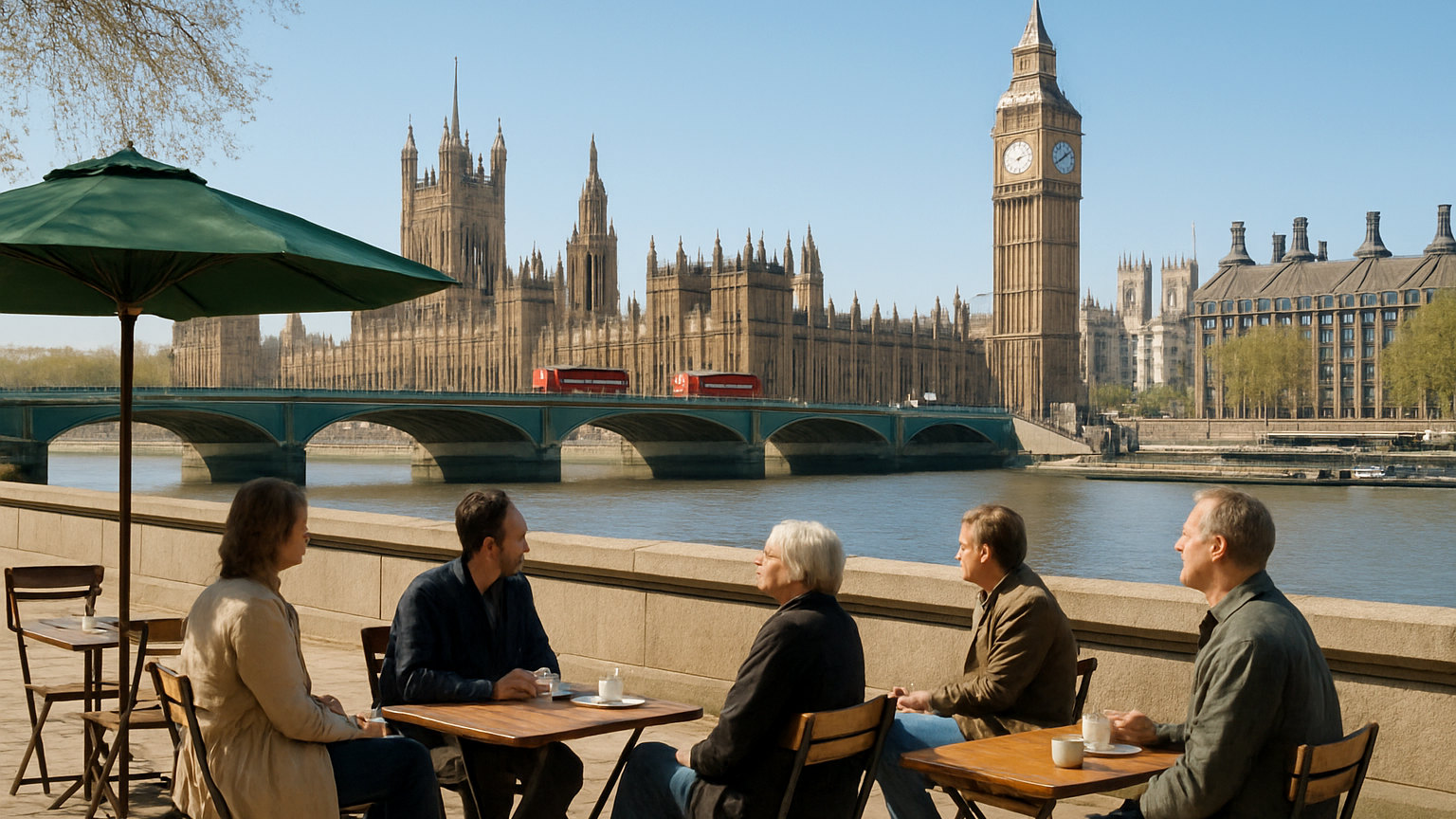
Cities with a beach, which is the clearest answer. Barcelona, Valencia, Lisbon, Nice and Athens all combine a proper city with somewhere to lie down. Naples and the Amalfi Coast, or Split and the Dalmatian islands, do the same at a slower pace.
Island capitals with a coast, such as Palma, Rhodes Town or Chania, work on the same principle.
Does a two-centre trip help?
Considerably, and it is the cleanest version. Three nights of city for one person and a week of coast for the other means each half is genuinely theirs rather than diluted. Ending with the quieter half is usually better, since it functions as a rest.
How should you divide the days?
Alternate rather than average. A day chosen by one person and a day chosen by the other works better than trying to build a day that half suits both. The person whose day it is chooses, and the other goes along without renegotiating.
What about the mornings and evenings?
The easiest split of all. One person walks or sightsees in the morning while the other sleeps, and they meet for lunch. Most European cities are at their best early anyway, so this suits the early riser genuinely rather than as a concession.
What should you agree before booking?
Roughly how many organised or ticketed things per week, which is where expectations diverge most. Whether a hire car is part of the plan. Whether either of you has one thing you would be disappointed to miss, which should simply be booked and treated as fixed. And the budget, which is a separate and equally common source of friction.
What if the preferences are genuinely incompatible?
Taking separate short trips as well as a shared one is a reasonable answer rather than a failure, and a great many couples do it. A walking holiday for one and a city break for the other, plus a week somewhere you both like, satisfies everyone more than one heavily compromised fortnight.
What about the length of the trip?
Longer trips absorb differences better than short ones, because there is room for both kinds of day. On a three-night break the pace disagreement is sharper, since every half day matters. If you know your preferences diverge, ten nights is easier to plan than four.
What about food?
A quieter version of the same disagreement and easier to solve. Alternating who chooses dinner, or eating the main meal at lunch when the set menu makes experimenting cheap, removes most of it. Markets and small plates let two people eat differently at the same table.
Does a group trip help?
Sometimes, since it gives each person someone else to do things with. It also adds coordination, which is a different problem.
Which Destinations Suit a First Trip Together? goes into more detail on a closely related question, and the rest of our Holidays section covers the wider subject.
The short answer
Treat it as a disagreement about pace rather than content. Choose a base with variety, agree that splitting up for a day is normal, alternate whose day it is rather than compromising, and consider a two-centre trip so each half is genuinely someone.