Proposal locations are usually chosen for how they photograph, which is a reasonable criterion and not the most important one. The places that work are the ones where you can be alone for ten minutes, and almost every famous viewpoint in Europe fails that test between ten in the morning and six in the evening.
What actually matters?
Being able to be alone, or at least unobserved, at the moment itself. That is a question of timing rather than location: the same spot at seven in the morning and two in the afternoon are entirely different places. Almost any famous viewpoint works at sunrise.
Which places work well?
The Kotor fortress in Montenegro at first light, after a climb that most people do not make early. Piazzale Michelangelo above Florence at sunrise. The Lisbon miradouros before the city wakes. The Charles Bridge in Prague before eight. Any of the Cycladic villages before the day boats arrive.
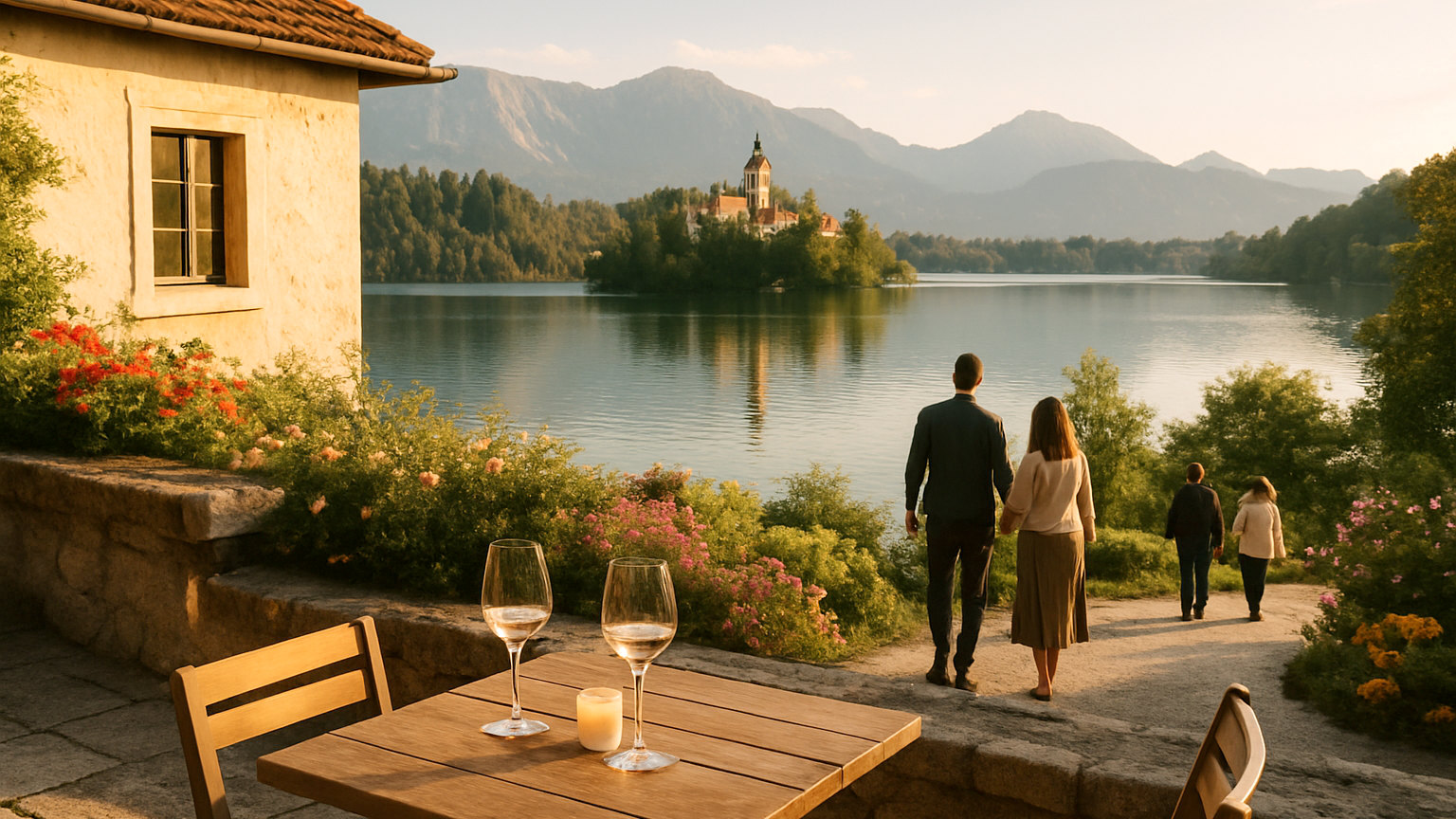
Quieter options with no crowd problem at all include the Douro valley terraces, the Dolomites above a lift station, Lake Bohinj, the Alentejo coast and the Scottish or Irish Atlantic cliffs.
Which are harder than they look?
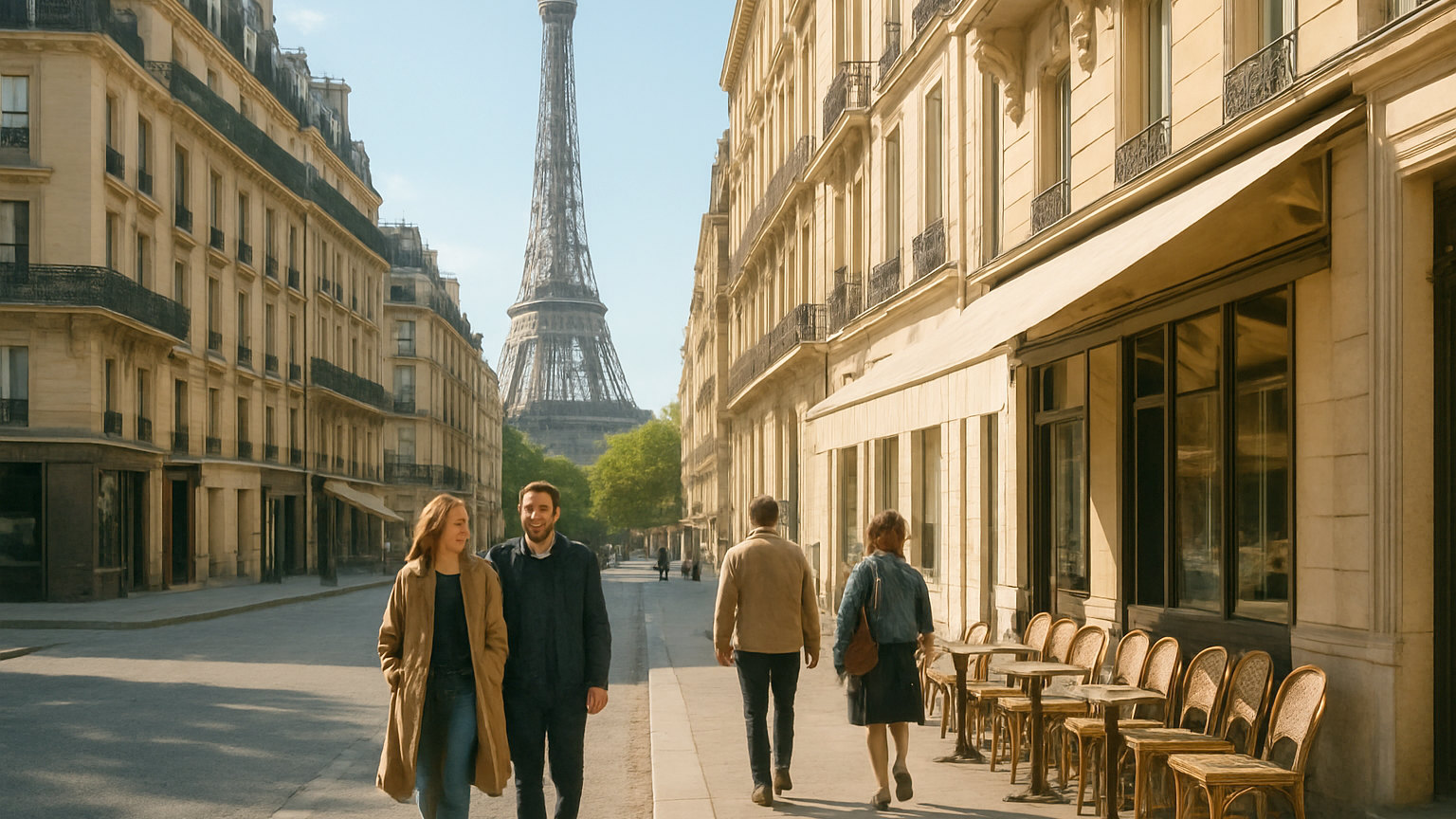
Santorini at sunset, which is spectacular and involves several thousand other people at the same moment. The Eiffel Tower and the Trevi Fountain, both permanently crowded. The Oia castle ruins specifically, where the crowd arrives two hours early. These work at dawn and rarely at the advertised hour.
What about the practicalities?
Carry the ring in hand luggage rather than a hold bag, and be aware that security may ask about it. Some couples keep it in a sunglasses case rather than an obvious box. If you are travelling together, one person carrying the bag through security is easier than a shared one.
Check whether the location requires a ticket or closes early, which catches people out at fortresses, gardens and viewpoints.
Should you involve the hotel?
If you want something arranged, yes, and well in advance rather than on arrival. Hotels across Europe handle this frequently and are generally good at it. Be specific about timing, since a surprise that arrives early is worse than none at all.
What about photographers?
A growing service in the major cities and it works when the location is fixed and public. It requires the location and the moment to be planned precisely, which suits some couples and removes the spontaneity for others. Book well ahead in popular cities.
What should you avoid?
Building the entire trip around one moment, which puts pressure on the weather and on a specific evening. Planning it for the last night, which leaves no room if conditions are wrong. And choosing somewhere neither of you has any connection to purely because it photographs well.
When in the trip should it happen?
Early rather than late. Doing it on the first or second day means the rest of the holiday is a celebration rather than a build-up, and it leaves a spare evening if the weather turns.
What if you are travelling separately?
Arriving separately and meeting at the destination adds an element of risk worth planning around: delayed flights, lost luggage and no signal at an agreed meeting point all happen. Agree a fallback plan and a meeting place that does not depend on phones working.
What about rings and customs?
Worth a moment of thought if the ring is valuable. Carrying jewellery between countries is normal and there are thresholds above which goods must be declared on entry, which vary by destination. Keeping the receipt and checking the rules for the country you are entering avoids an awkward conversation.
What if it rains?
Have a second option in mind indoors or under cover. A plan that depends on one viewpoint on one evening is the version most likely to go wrong.
For the next step, see Which European Destinations Suit a Quiet Escape?, or browse the full Holidays section.
The short answer
Choose the hour rather than the landmark: almost any famous viewpoint is empty at sunrise and impossible at sunset. Carry the ring in hand luggage, tell the hotel well in advance if you want anything arranged, and do it early in the trip rather than on the last night.