City breaks with children are frequently written off and should not be. The cities that work share the same features: they are compact enough to walk, they have green space and water, their transport is easy with a pushchair, and they have enough free outdoor interest that not everything is a ticketed queue.
Which cities are easiest?
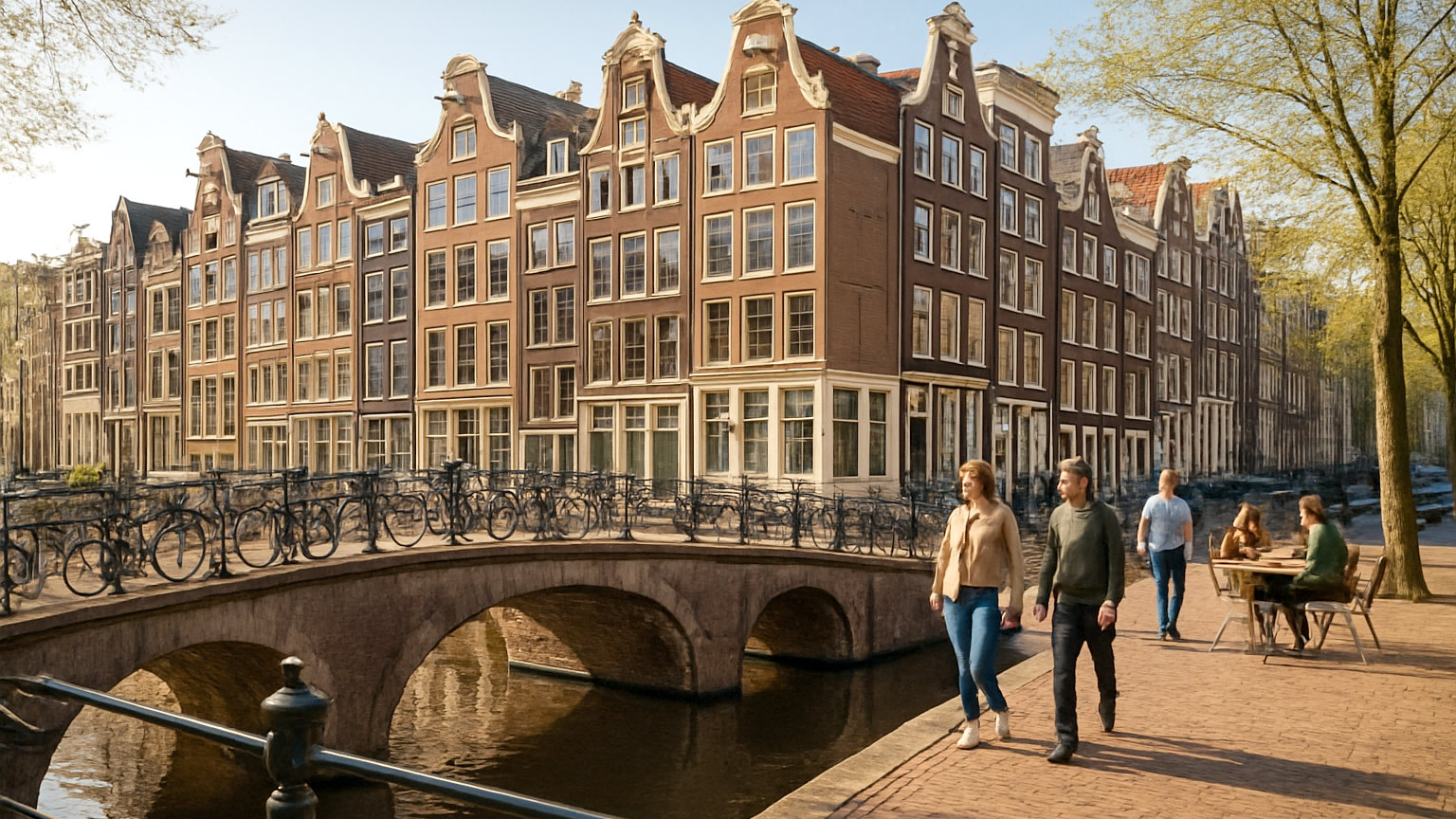
Amsterdam, which is flat, small, full of water and has a museum culture that takes children seriously. Copenhagen, for Tivoli, cycling and the harbour baths. Both are short flights with short transfers.
Berlin, which is large but has enormous parks, an excellent transport system and a great deal that is free. Vienna, for the Prater, the palace grounds and trams children enjoy in their own right.
Which southern cities work?
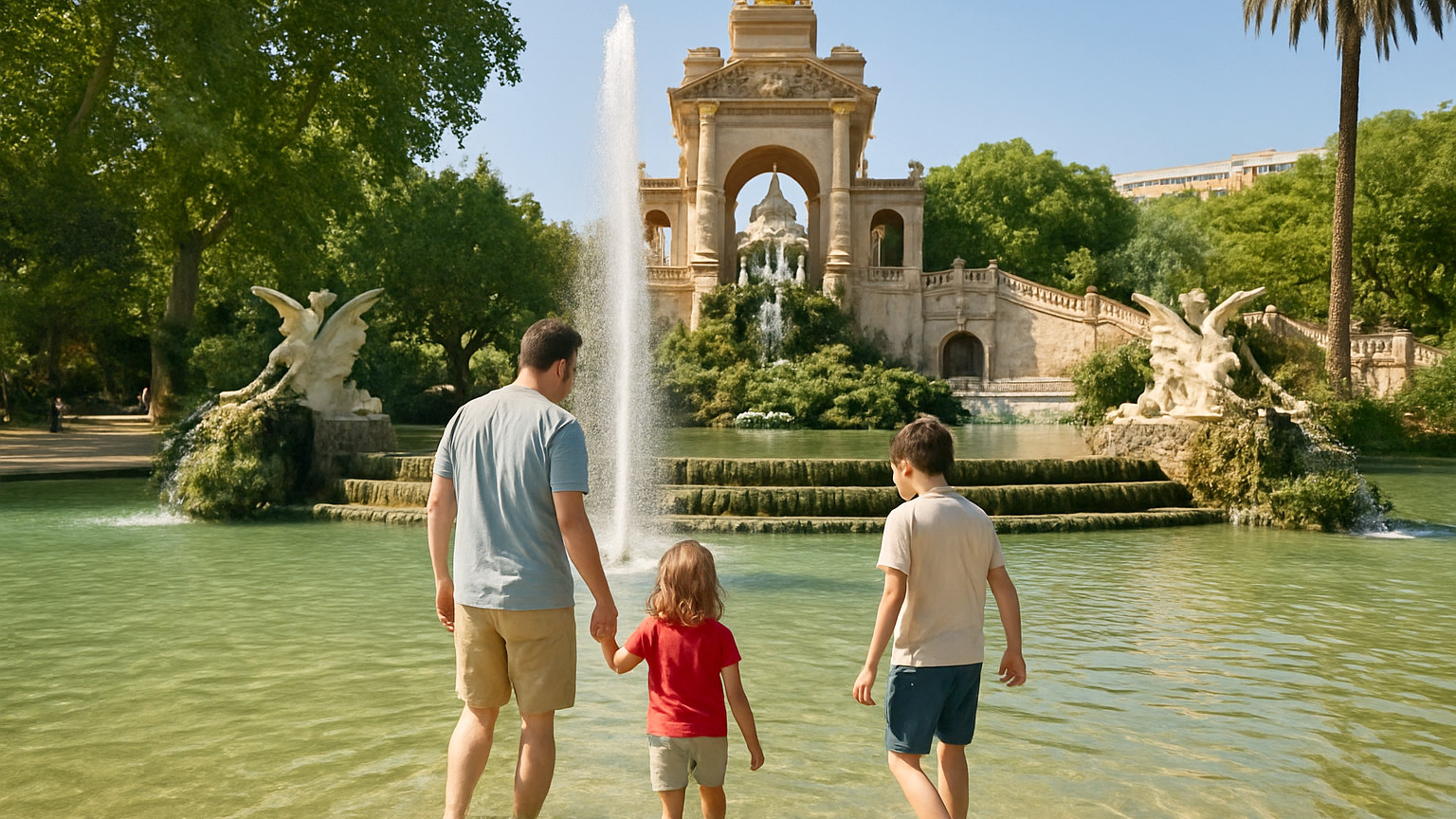
Barcelona and Valencia, both of which have a beach attached, which changes a city break entirely with children. Lisbon, with trams, a castle, an aquarium and hills that are hard work with a pushchair. Rome works from about seven, when the Colosseum becomes genuinely exciting rather than a hot queue.
What makes a city difficult?
Cobbles and hills, which make pushchairs miserable, so Lisbon and Porto are harder with a toddler than the photographs suggest. Long queues at a small number of must-see attractions, which is the Paris and Rome problem in summer. Metro systems with many stairs and few lifts, which describes parts of Paris, Rome and Athens.
How should you structure the day?
One ticketed thing a day at most, in the morning, followed by a park, a playground or water. Children tolerate a museum far better when they know it is the only one. Building the day around a boat trip, a tram ride or a lift to a viewpoint gives the same sense of occasion without the queue.
What is worth booking?
Anything with a timed entry, because queueing is what ruins city days with children. In summer, the major attractions in Barcelona, Paris, Rome and Amsterdam all need advance slots, and arriving without one means either a long wait or being turned away.
Where should you stay?
An apartment rather than a hotel room, in a residential district one stop from the centre. The kitchen handles breakfast, which avoids a hotel breakfast charge and a restaurant with tired children first thing, and the separate bedroom returns the evening to the adults.
What do children actually remember?
Rarely the famous building. Usually the boat, the funicular, the market, the ice cream, the playground with unfamiliar equipment and the dog they met. Planning two or three of those deliberately into a city break does more for it than another gallery.
What about the length?
Three nights suits most families better than two, because it allows a slower pace and a day with nothing scheduled. A city break with children run at adult pace over two days is the version people remember as not working.
What about transport with a pushchair?
Worth checking before choosing a city. Amsterdam trams, Berlin U-Bahn and Copenhagen metro are largely step-free and straightforward. The Paris metro, much of the Rome network and parts of Athens have long stair sections and few lifts. A lightweight folding pushchair or a sling makes a substantial difference in the harder cities.
Which season is best?
Spring and autumn, comfortably. Southern European cities in July and August are hot enough that sightseeing with children becomes difficult, and the queues are at their longest. April, May, September and October are cooler, quieter and cheaper. Northern cities such as Amsterdam, Copenhagen and Berlin are the exception and are at their best in June and July, when the days are long and the parks are in use.
See also How Much Screen Time Should You Allow on Holiday?, which covers a related part of the same decision, and our other Holidays guides.
The short answer
Amsterdam, Copenhagen, Berlin, Barcelona and Valencia are the easiest. Stay in an apartment, book one timed attraction a day in the morning, and build the rest around parks, boats and trams. Three nights rather than two.