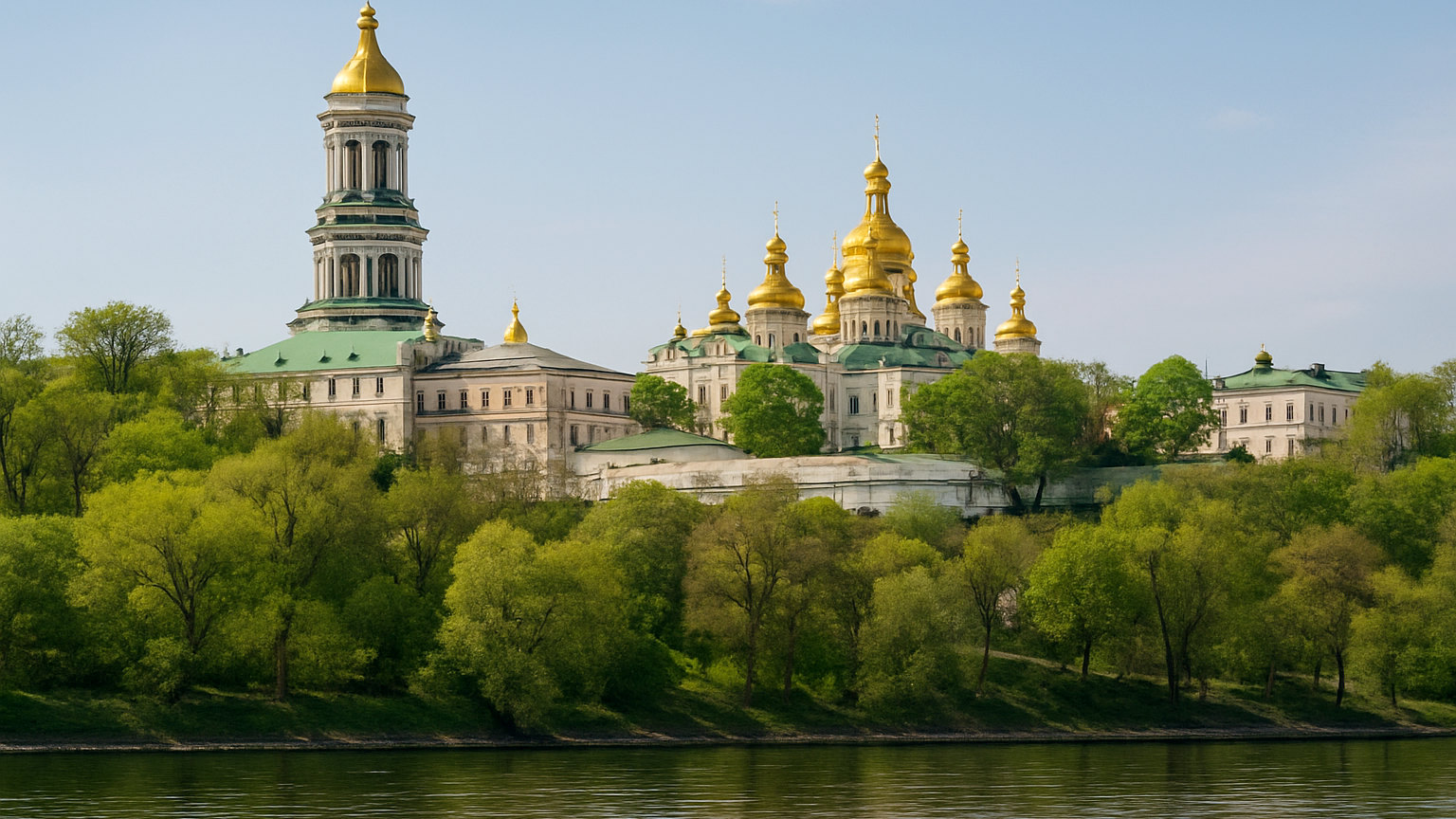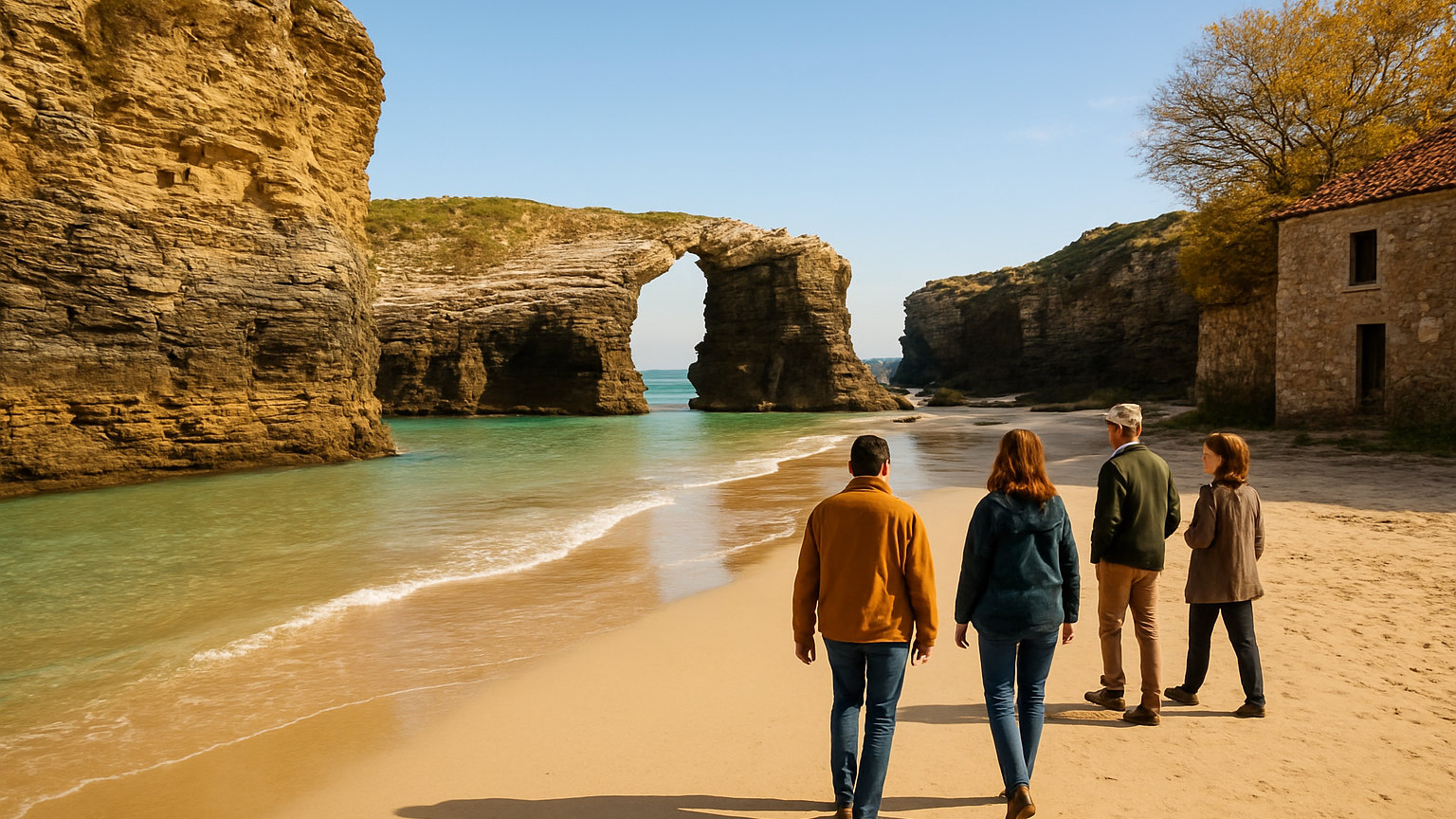
Beaches do not stop existing in November. What changes is what surrounds them: the bars close, the loungers disappear and the crowd goes, which leaves the coast itself, frequently at its best and almost entirely empty.
What is a beach for out of season?
Walking, principally, which is the underrated European winter activity. Long Atlantic shores in Portugal, Spain, France and Ireland are magnificent in winter, with big surf, dramatic light and nobody on them.
Where can you still swim?
The Canaries year round. Madeira, cooler but comfortable. Cyprus and the eastern Mediterranean into November. Elsewhere in Europe, swimming from November to April is a matter of tolerance rather than temperature.
What closes?
More than expected in purpose-built resorts, where hotels, restaurants and sometimes whole towns shut from late October to Easter. Parts of the Greek islands, the Turkish coast and Bulgarian resorts close almost entirely.
Working towns stay open, which is the distinction to check before booking.
Which places stay open?
Anywhere with a resident population and an economy beyond tourism. Cadiz, Palma, Valencia, Split, Nice, Naples, Faro and the larger Greek islands all function normally in winter, with beaches available and everything else running.
What is the best shoulder month?
October across the Mediterranean, when the sea is still warm from summer, the air is comfortable and the crowds have gone. May is the reverse: warm air and cold water. For swimming, October beats May decisively.
Where is winter sun reliable?
The Canaries, which are the only genuinely reliable winter beach destination in Europe, with warm days and mild water all year. Madeira, southern Cyprus and the far south of Spain are the nearest alternatives, all cooler.
Are the beaches cleaned?
Frequently not outside the season, since cleaning is part of the concession contract. Winter beaches on the Mediterranean can carry seaweed and storm debris, which is natural and looks neglected to anyone expecting a groomed summer beach.
What about storms?
The main winter consideration, since Atlantic and Mediterranean coasts both get significant swell. Waves and currents are considerably more dangerous than in summer, there are no lifeguards, and staying well back from the water on an exposed shore is sensible.
Is it cheaper?
Substantially, in every respect. Accommodation on Mediterranean coasts in winter costs a fraction of August, flights are cheap and restaurants are glad to see you. The Canaries are the exception, since winter is their high season.
What is the light like?
Better than in summer, which is why photographers prefer it. Low winter sun, dramatic skies and clean air after rain produce coastal light that midsummer haze never does, and the short days concentrate it into a few good hours.
Which coasts are best in winter?
The Algarve and the Andalusian coast for mild sunshine, the Atlantic coasts of Portugal and Ireland for drama, and the Canaries for actual beach weather. Northern European coasts are magnificent and require proper clothing.
Are the sunsets better?
Frequently, since winter air holds more cloud and moisture, and the sun sets in a more southerly position over the sea on many west-facing coasts.
Is accommodation open?
Variable and worth confirming rather than assuming. Small hotels and rural properties in resort areas frequently close from November to March, while anything in a working town stays open. Check the hotel own dates rather than relying on a platform listing.
What about the wildlife?
Better out of season on most European coasts. Migrating and wintering birds arrive on estuaries and lagoons in large numbers, and the Algarve, the Camargue, the Ebro delta and the Wadden Sea are all at their best between October and March. Flamingos, waders and wintering geese make a winter coastal walk worth taking binoculars for.
See also What Should You Know About Beach Safety?, which covers a related part of the same decision, and our other Inspiration guides.
The short answer
Out of season beaches are for walking rather than swimming, except in the Canaries which work year round. October is the best shoulder month since the sea is still warm. Choose working towns over purpose-built resorts, which close almost entirely.