
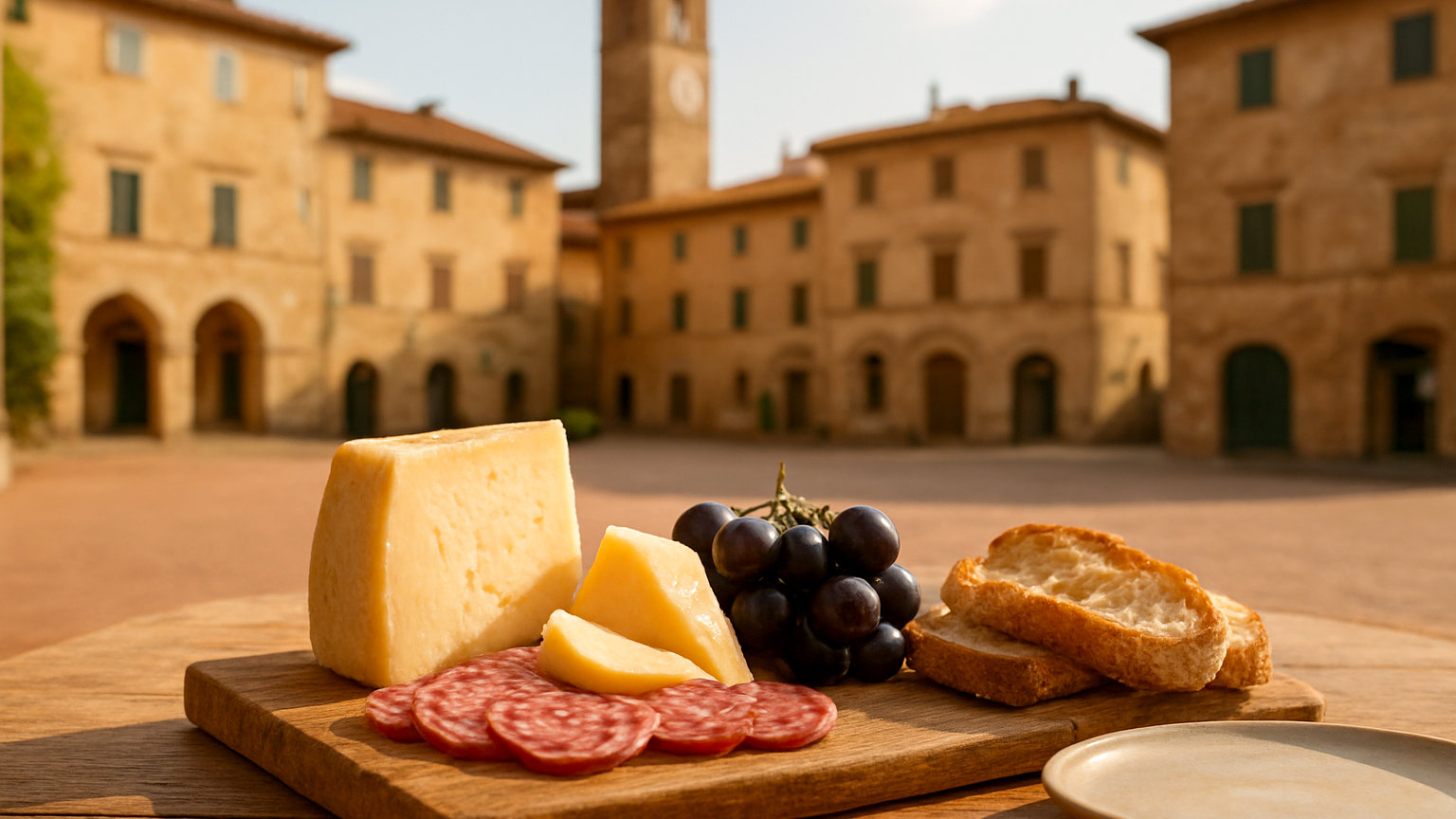
Cheese and cured meat are the products where European regionality is strongest and most legally protected. Many can only be made in a defined area by a defined method, which means buying them where they are made is both cheaper and better.
Which cheeses are worth seeking out?
Parmigiano Reggiano from Emilia Romagna, aged in a way the imitations are not. Comte from the Jura. Manchego from La Mancha. Roquefort from its caves. Gruyere from Switzerland. Pecorino from Sardinia and Tuscany. Each is meaningfully better at source.
What about the less famous ones?
Cabrales and Idiazabal from northern Spain. Serra da Estrela from Portugal, a ewe milk cheese eaten with a spoon. Taleggio and Gorgonzola from Lombardy. Epoisses from Burgundy. Feta and graviera from Greece. These rarely travel and are excellent locally.
Which cured meats?
Jamon iberico de bellota from Spain, the most expensive and the best. Prosciutto di Parma and San Daniele from Italy. Culatello from Emilia. Bresaola from Lombardy. Presunto from Portugal. Speck from the South Tyrol. Lomo, chorizo and salchichon across Spain.
What does protected origin mean?
That the name is restricted by law to a product made in a defined place to a defined method, verified by inspection. Parmigiano Reggiano, Prosciutto di Parma, Roquefort and Comte are all protected, which is a genuine guarantee rather than marketing.
Where should you buy?
A market stall or a specialist shop rather than a supermarket, where you can taste before buying and ask for advice. In Spain and Italy, delicatessens will slice to order and vacuum pack, which is what makes carrying it home practical.
Can you bring it back to the UK?
Rules on bringing meat and dairy products from the EU into Great Britain have changed since leaving the EU and have been tightened further at times in response to animal disease outbreaks. Restrictions are real and are enforced at the border.
Check the current government guidance before travelling rather than relying on what was permitted previously, since this changes.
How should you carry it?
Vacuum packed, which shops will do on request and which keeps it sealed and undamaged. Cheese and cured meat both travel in hold luggage. Strong cheese in a warm cabin is unpleasant for everyone nearby.
What should you ask for?
The age and the region, which are what distinguish one version from another. A shop will usually offer a taste, and saying what you intend to eat it with produces a better recommendation than choosing by appearance.
Where is the best value?
Spain and Portugal for cured meat, and central and eastern Europe generally. Products that command high prices in Britain cost a fraction at source, which makes a market visit the most economical souvenir shopping available.
What about olive oil and preserved goods?
Equally worth buying at source and considerably easier to bring home, since plant products face fewer restrictions than meat and dairy. Single-estate olive oil from Italy, Spain, Greece and Portugal, saffron from La Mancha, paprika from Hungary and vinegar from Modena all travel well.
How long does it keep?
Hard cheese and cured meat keep for weeks refrigerated and vacuum packed, and soft cheese does not. Buying soft cheese to eat during the trip and hard cheese to bring home is the practical division.
Are tastings available?
Frequently, and worth seeking out. Parmigiano dairies in Emilia, jamon producers in Spain and cheese makers across France and Switzerland all run visits, usually in the morning when production happens, and the difference between seeing it made and buying it in a shop is considerable.
What should you avoid buying?
Anything sold near a major sight in decorative packaging, which is usually ordinary product at several times the price. Airport shops are similar. A market or a neighbourhood delicatessen sells the same thing better and cheaper.
See also How Do You Find a Good Restaurant Abroad?, which covers a related part of the same decision, and our other Inspiration guides.
The short answer
Buy at source from a market or specialist shop where you can taste first. Parmigiano Reggiano, Comte, Manchego, jamon iberico and Prosciutto di Parma are all protected products and meaningfully better locally. Check current UK import rules before bringing meat or dairy home.


