European cooking is regional to a degree that surprises people. A dish belongs to a valley or a province rather than a country, and the version served fifty kilometres away is frequently a pale imitation. Some are worth building a trip around.
Which Italian dishes belong somewhere specific?
Ragu and tagliatelle in Bologna, risotto in Milan and the Po valley, pizza in Naples, cacio e pepe and carbonara in Rome, pesto in Genoa, truffles in Alba and white truffle season in autumn.
Ordering carbonara in Milan or risotto in Naples produces something considerably less good.
What about Spain?
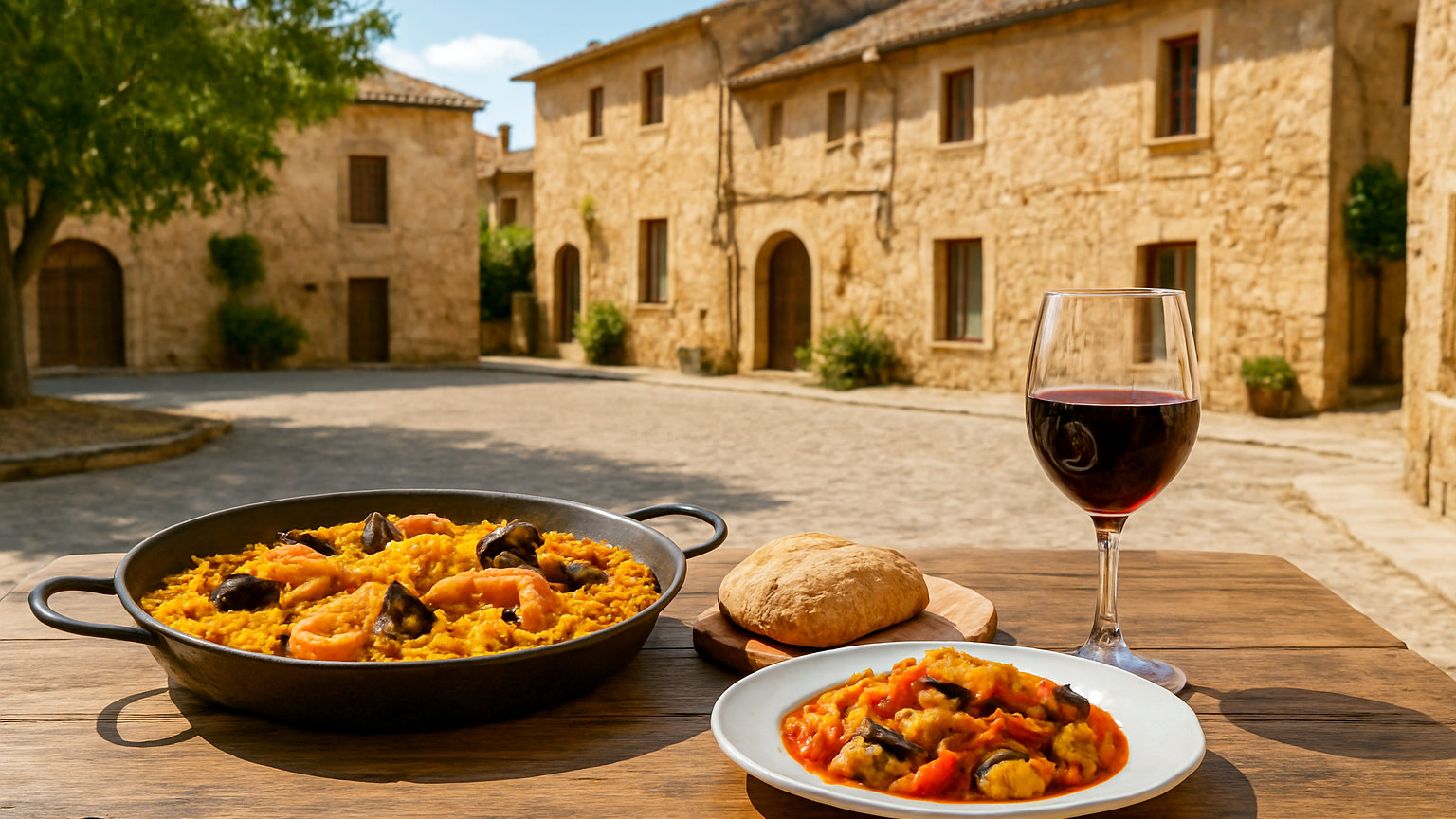
Paella belongs to Valencia and is a rice dish with rabbit and beans rather than the seafood mixture served elsewhere. Pintxos in San Sebastian and Bilbao. Jamon iberico from Extremadura and Andalusia. Pulpo a feira in Galicia. Gazpacho and salmorejo in Andalusia in summer.
And France?
Cassoulet in Toulouse and Carcassonne, bouillabaisse in Marseille, choucroute in Alsace, galettes in Brittany, and the bouchon cooking of Lyon. French regional cooking is strongly tied to place and the regional versions are worth seeking out.
What about Portugal?
Bacalhau prepared in dozens of ways across the country, francesinha in Porto, cataplana in the Algarve, leitao in Bairrada, and grilled sardines along the coast in summer. Portuguese cooking is regional and consistently underrated.
Which dishes are seasonal?
White truffles in Piedmont in autumn, asparagus in Germany in spring, sardines in Portugal in summer, game across France and central Europe in autumn, and mushrooms after the first autumn rains everywhere. Eating them out of season means eating them preserved.
What about central and eastern Europe?
Goulash in Hungary, which is a soup rather than a stew. Pierogi in Poland. Cevapi and burek across the Balkans. Georgian khachapuri and khinkali, which are among the most distinctive things in Europe and barely known further west.
What do protected origin labels mean?
That the name is legally restricted to a defined area and method. Parmigiano Reggiano, Prosciutto di Parma, Champagne, Roquefort and many others are protected, which is a genuine guarantee of origin rather than a marketing term.
How do you know you have the real thing?
Eat it where it belongs, in a restaurant serving local custom, in the right season. A dish on a menu hundreds of kilometres from its home, alongside four other regional specialities, is a warning rather than a promise.
Is it worth a journey?
For several, genuinely. Bologna, Naples, San Sebastian, Lyon and Alba are all places where people arrive primarily to eat, and where the local version is better than any elsewhere by a clear margin.
What about Greece and Turkey?
Strongly regional and rarely presented as such. Cretan cooking differs markedly from the mainland, the islands each have their own dishes, and Turkish regional cooking from Gaziantep, the Black Sea and the southeast are effectively separate cuisines.
How do you order well?
Ask what the house does best or what is local rather than reading the whole menu. In family restaurants across southern Europe the honest answer to that question is usually the best thing available, and staff are pleased to be asked.
Are there dishes worth being cautious about?
Not for safety, and for expectation. Several famous regional dishes involve offal, blood or fermented fish, and are genuinely enjoyed locally rather than served as a challenge. Knowing what you are ordering avoids the awkwardness of a plate you will not eat.
Where do you find the real version?
In the town or province the dish belongs to, at a family restaurant serving people who eat it every week. Regional food associations and local tourist boards frequently publish lists of restaurants certified as serving the traditional preparation, which is a useful starting point.
How Do You Order Wine Without Embarrassment? answers a related question in more depth, and there is more of the same across our Inspiration guides.
The short answer
Ragu in Bologna, pizza in Naples, paella in Valencia, cassoulet in Toulouse and pintxos in San Sebastian are all meaningfully better where they belong. Check the season, eat where locals do, and treat a menu offering five regional specialities as a warning.