Cathedrals are the most accessible great architecture in Europe, usually free or inexpensive and almost always open. The famous exteriors are photographed constantly and the interiors are what justify the visit, and the two do not always correspond.
Which are the great gothic interiors?
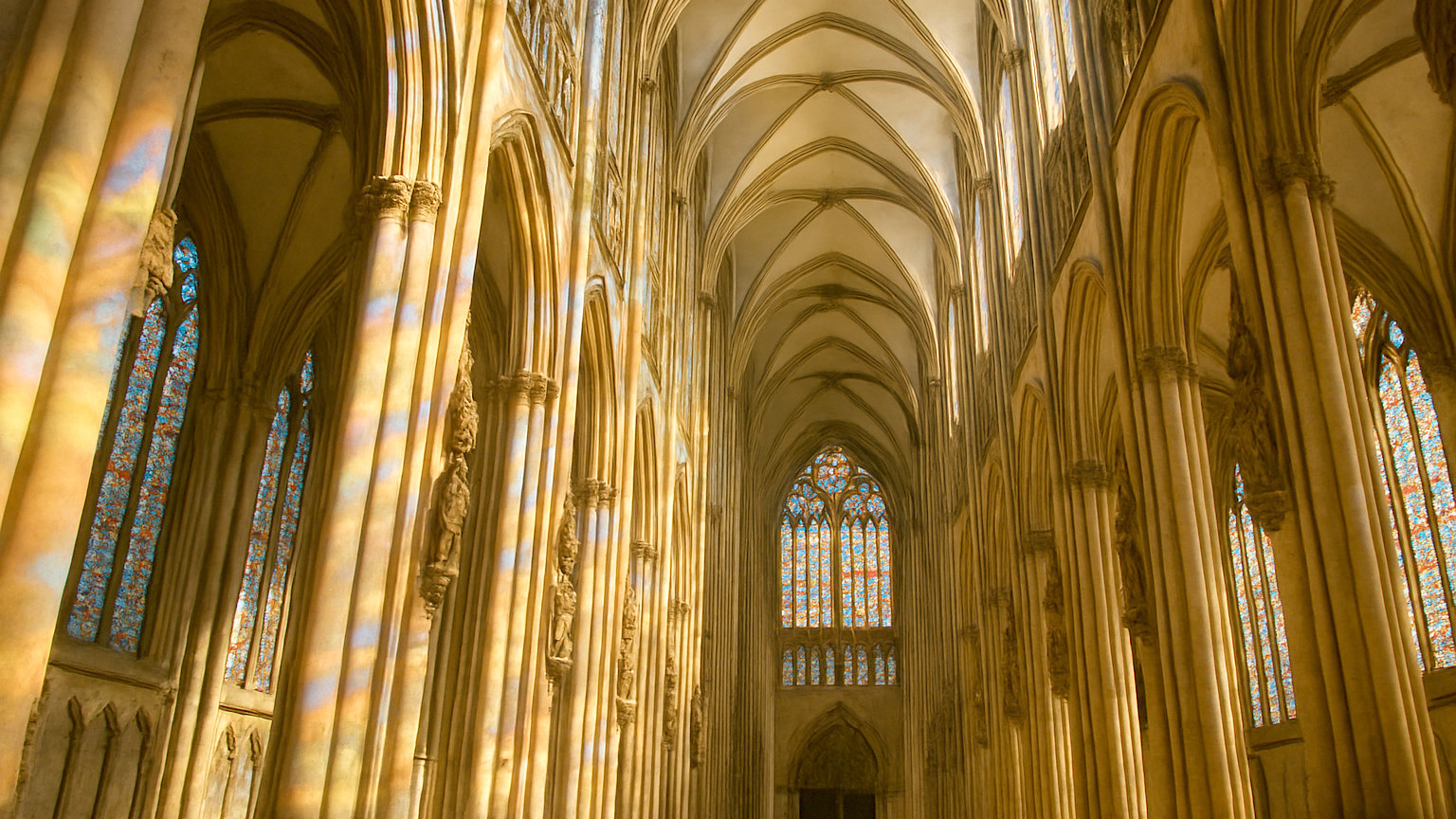
Chartres, for the finest medieval stained glass in the world, largely original. Sainte Chapelle in Paris, which is effectively a glass box and among the most extraordinary rooms in Europe. Cologne, Amiens and Reims. Leon in Spain for its glass.
What about the Byzantine ones?
The mosaics are the point. Ravenna in Italy holds the finest late Roman and Byzantine mosaics anywhere, in several small churches most visitors have never heard of. The Monreale and Cefalu cathedrals in Sicily. Saint Mark in Venice.
Which have the best domes?
The Pantheon in Rome, which is a temple rather than a cathedral and still the most impressive dome in Europe. Florence Duomo, where Brunelleschi dome can be climbed. Saint Peter in Rome for sheer scale.
Which are underrated?
Ravenna, consistently, which is among the most remarkable things in Italy and receives a fraction of the visitors. Burgos and Toledo in Spain. The Mezquita in Cordoba, a mosque with a cathedral inserted into it, unlike anything else. Durham in England.
Is the climb worth it?
At several, yes. The Florence Duomo, Saint Peter, Cologne, Seville Giralda and Milan roof terraces all repay the ascent with views and with a close look at construction normally invisible. Most involve several hundred steps and are not suitable for everyone.
What about the dress code?
Covered shoulders and knees for both men and women at most churches in Italy, Spain, Greece and Portugal, and enforced at the major sites including Saint Peter and Saint Mark. A light scarf and long shorts in the day bag solves it.
Are they free?
Frequently the nave is free and the treasury, crypt, tower or cloister is charged. Some, including Saint Mark and the Sagrada Familia, charge for entry and use timed tickets. The pattern varies by country, with Italian and Spanish cathedrals more likely to charge.
When should you visit?
Early morning for quiet, and late afternoon for the light through the glass, which at Chartres and Sainte Chapelle is the entire experience. Check service times, since cathedrals are working churches and parts close to visitors during worship.
What should you look for?
The glass, the mosaics, the crypt, the cloister and the side chapels, which are frequently where the best art is. Most visitors walk the nave and leave, missing the parts that took the longest to make.
What about concerts?
Frequently the best way to experience one. Organ recitals, choral evensong and concerts are held in cathedrals across Europe, often free or inexpensive, and hearing the building used as it was designed to be used is entirely different from walking round it.
Which cities have several?
Rome, where the churches beyond Saint Peter hold Caravaggios and Berninis and are free. Venice, Florence, Seville and Prague are similar. In all of them the second-tier churches are frequently emptier and better than the famous one.
Are photographs allowed?
Usually without flash, and prohibited entirely in a few, including Sainte Chapelle upper chapel at certain times and several treasuries. Signs are clear and generally enforced.
How long do they take?
Twenty minutes to two hours depending on how much you look at. The great ones reward a slow hour with the audio guide, and rushing a cathedral produces the same impression as rushing a gallery, which is that you were there rather than that you saw it. Two cathedrals properly is better than five in an afternoon.
Anyone weighing this up will also want What Are the Best Viewpoints in Europe?, along with the rest of the Inspiration section.
The short answer
Chartres and Sainte Chapelle for glass, Ravenna and Monreale for mosaics, the Pantheon and Florence for domes, and the Mezquita for something unlike anything else. Cover shoulders and knees, go early or late for the light, and look at the cloister and side chapels.