The aurora is one of the few genuinely unpredictable things people travel for, and the trip is a matter of stacking probabilities rather than booking a sight. Three factors decide it: how far north you are, how dark and clear the sky is, and whether the solar activity cooperates.
Where should you go?
Inside the auroral oval, which in Europe means northern Norway, northern Sweden, Finnish Lapland and Iceland. Tromso, Abisko, Rovaniemi and the area around Reykjavik are the established bases, all with flights and infrastructure.
Abisko in Sweden has a reputation for clear skies because of its rain shadow position.
When is the season?
Late September to late March, when the nights are dark enough. The aurora occurs year round and is simply invisible under the midnight sun. The equinoxes in late September and late March are often cited as more active periods.
How long should you stay?
At least three nights and preferably four or five. A single night is a gamble, since cloud alone can rule out an otherwise active display. Each additional night improves the odds considerably, which is the main planning decision.
What conditions do you need?
A clear sky, darkness away from town lights, and geomagnetic activity. The first two are within your control by choosing the location and going with a guide who moves to find gaps in the cloud. The third is not.
Is a tour worth it?
Frequently yes, particularly a chase tour where a guide drives to wherever the sky is clear. Guides monitor forecasts and cloud cover and will travel a considerable distance, which on a short trip materially improves the chances.
Can you see it without one?
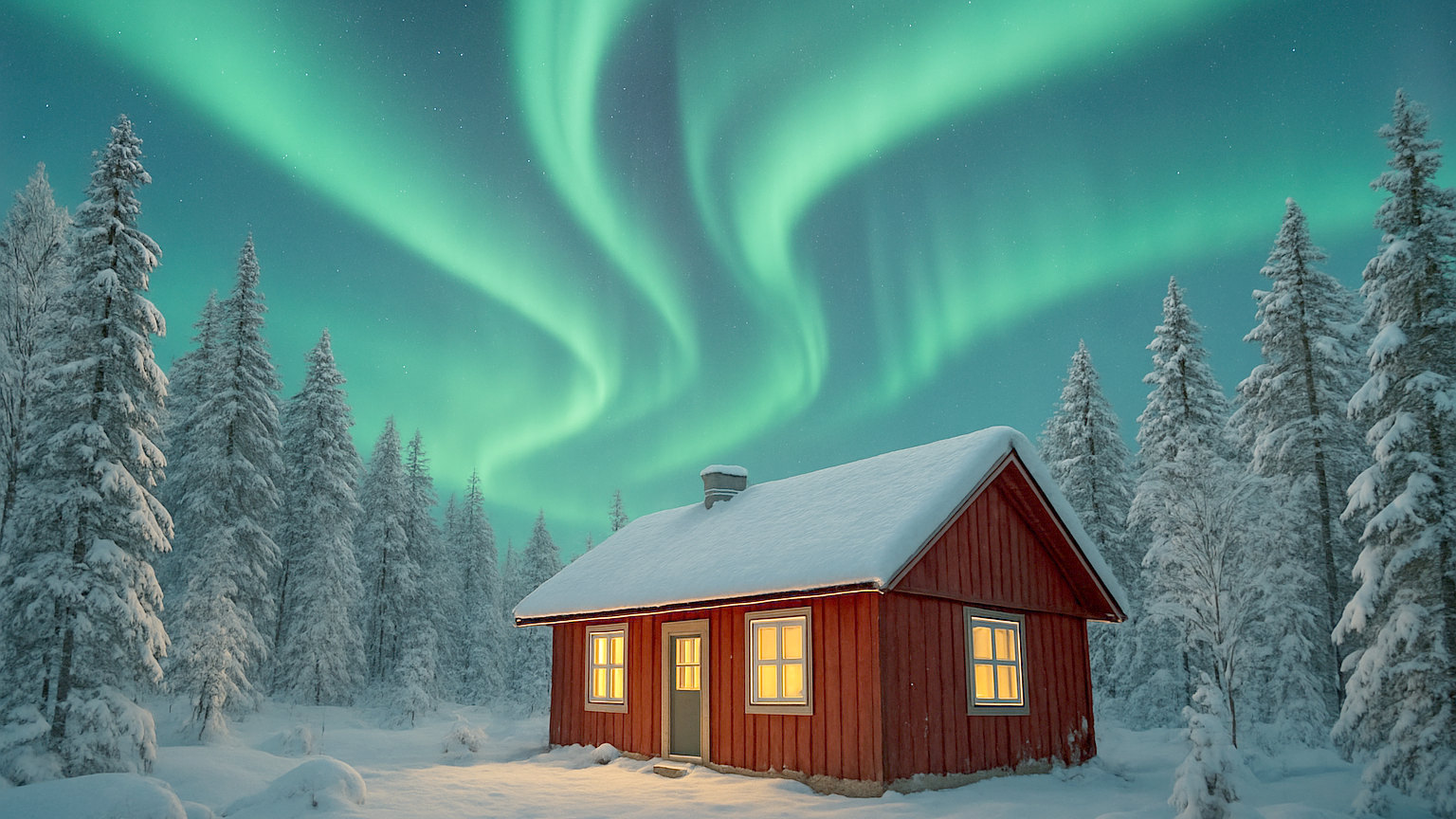
Certainly, by staying somewhere dark and looking. Accommodation outside towns, cabins with aurora alerts and hotels that wake guests when it appears all work. The main requirement is being away from streetlights and being willing to go out at two in the morning.
What does it actually look like?
Frequently less vivid to the eye than in photographs, which use long exposures. A moderate display looks like a pale green band that moves; a strong one is unmistakable and fills the sky. Managing that expectation makes a first sighting better rather than worse.
What should you take?
Considerably warmer clothing than you own, since standing outside at minus twenty for an hour is the actual activity. Thermal layers, proper boots, gloves and a hat. Many tour operators lend insulated suits, which is worth checking.
What else is there to do?
Plan the trip around the daytime rather than the aurora, which is the key to not being disappointed. Dog sledding, snowshoeing, ice hotels, reindeer, skiing and the towns themselves all fill the days, and the lights become a bonus rather than the entire purpose.
How do you photograph it?
A tripod and a long exposure, since handheld shots of a dark sky do not work. Modern phones have night modes that manage surprisingly well if braced against something solid. Turning off the flash and letting your eyes adjust for twenty minutes matters more than any equipment.
Can you see it further south?
Occasionally, during strong geomagnetic storms, when the aurora has been visible from Scotland, northern England and even further south. These events are rare and unpredictable, and planning a trip around them is not possible.
Is it worth combining with a cruise?
The Norwegian coastal ferry route along the coast is a well-established way to do it, since the ship moves through the auroral zone for several nights and the deck is dark. It also solves the problem of what to do in the daytime.
Which European Gardens Are Worth a Detour? answers a related question in more depth, and there is more of the same across our Inspiration guides.
The short answer
Go to Tromso, Abisko, Finnish Lapland or Iceland between late September and March, stay at least three nights and take a chase tour that moves to find clear sky. Dress far more warmly than you expect, and plan the trip around the daytime so the aurora is a bonus.