A first visit to anywhere is spent on the obvious, which is the right way to do it. The question is whether there is anything left afterwards, and some European places have a great deal and others have very little. The difference is worth knowing before deciding where to go back to.
Which cities reward a return?
Rome, Paris, London, Berlin and Istanbul, all of which are too large to exhaust and where a second visit can be built around a neighbourhood, a period or a few museums rather than a list. In each, the second trip is frequently better than the first.
Which do not?
Small towns whose appeal is a single sight or a single street. Bruges, Rothenburg and Cesky Krumlov are all remarkable and largely seen in a day and a half. Returning is pleasant and adds relatively little, unless the season is entirely different.
What changes with the season?
Enough to make a second visit feel like a new one. Venice in February and August are different cities. The Greek islands in May and September. Any alpine valley in summer and winter. Where the season transforms a place, returning at the opposite end of the year is the simplest way to get a new trip.
What do you do differently the second time?
Stay in a different district, which is the single most effective change. Eat in residential areas rather than near the sights. Take a day trip you skipped. Visit the second-tier museums, which are frequently better than the famous one and empty.
Which regions reward repeat visits?
Sicily, Andalusia, Puglia, the Peloponnese and the Scottish Highlands, all large and varied enough that a first visit covers a fraction. In each, a second trip to a different part is effectively a different holiday.
Is it worth returning to somewhere disappointing?
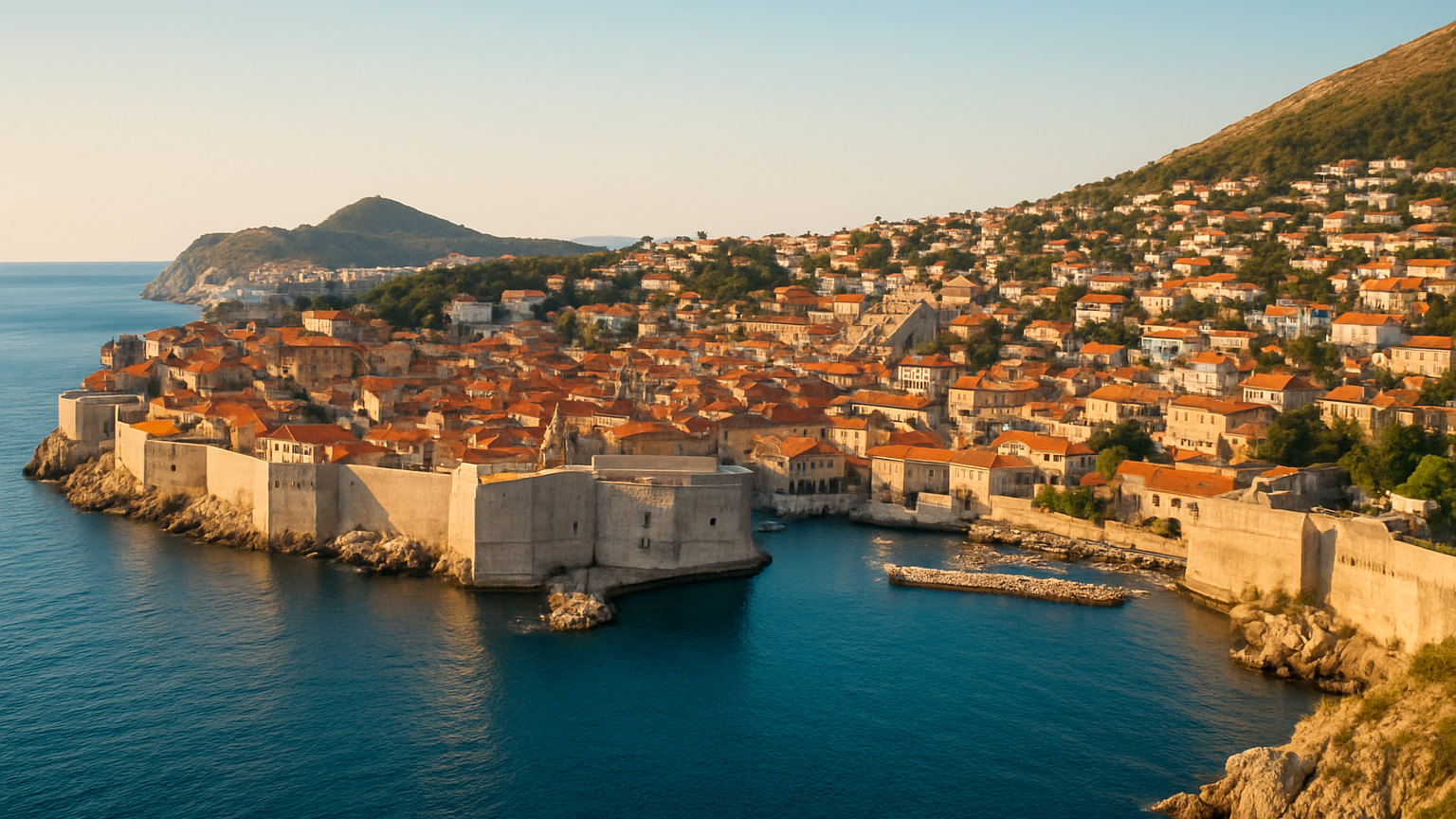
Frequently, since the commonest cause of disappointment is the crowd rather than the place. Anyone who found Venice, Dubrovnik or the Cinque Terre unpleasant in August should consider that they saw the peak rather than the place, and that November is entirely different.
What makes a place worth going back to?
Depth beneath the obvious: layers of history, several distinct neighbourhoods, a food culture worth exploring, or a landscape that changes. Places that are one remarkable thing and a town around it give everything on the first visit.
Does it change the way you travel?
Considerably, and for the better. A second visit needs no itinerary, since the obligation to see things has gone. Most people find returning trips slower, more food-led and more enjoyable than the first, which is an argument for going back more often.
What about returning with different people?
A genuine reason in itself. The same city with a partner, with children or with friends is a different trip, since who you are with determines the pace and the priorities more than the place does.
Where should you return first?
Rome or Istanbul for depth, Sicily or Andalusia for a different region, or anywhere you visited in high summer that you could see in winter instead.
Does it make sense financially?
Frequently, since a return visit needs less planning, fewer paid attractions and no pressure to see everything. Many people find a second trip costs less than the first while feeling more relaxed, because the sightseeing budget largely disappears.
Should you stay longer or return more often?
Two shorter trips to the same place in different seasons frequently give more than one long one, particularly for cities within a short flight. It is a genuine argument for treating a nearby city as somewhere you go back to rather than somewhere you have done.
Which European Sights Live Up to the Photographs? answers a related question in more depth, and there is more of the same across our Inspiration guides.
The short answer
Large layered cities such as Rome, Paris, Berlin and Istanbul reward a return; small towns built around one sight largely do not. Stay in a different district, go in the opposite season, and consider returning to anywhere you found disappointing in August.