Belgrade has a reputation as one of the great nightlife cities in Europe, built on something genuinely unusual: a line of floating clubs moored along the Sava and Danube, operating through the night and costing very little to get into.
What are the splavovi?
Floating barges and rafts converted into bars and clubs, moored along both rivers and running from spring to autumn. They range from relaxed river bars to large clubs with international acts, and the setting on the water is what makes them distinctive.
Many close or move indoors in winter, so the full experience is seasonal.
Why is it so cheap?
Serbian prices generally. Drinks, entry and food all cost a fraction of western European equivalents, which combined with late opening hours has made the city a destination for nights out.
What if you are not clubbing?
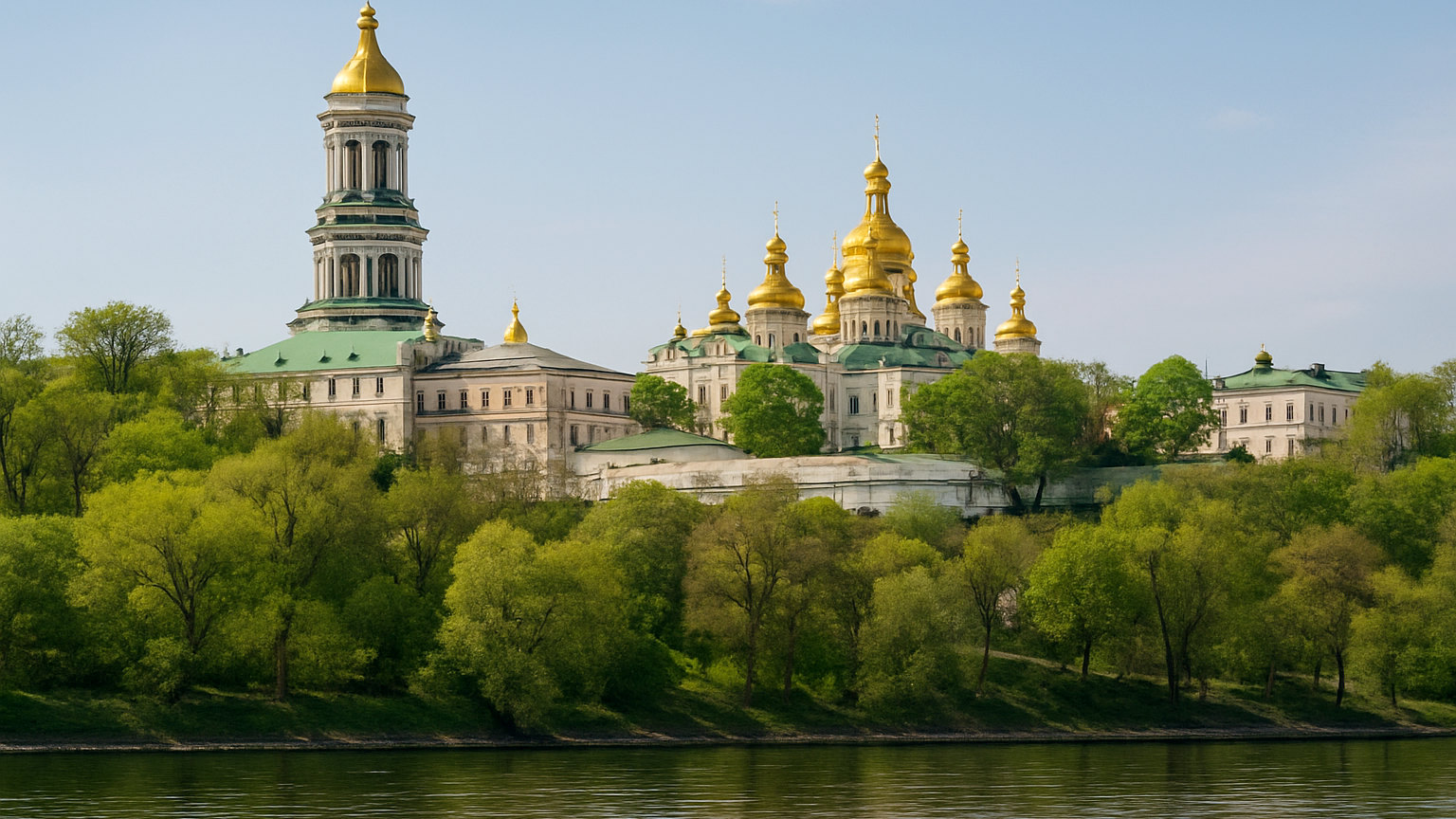
Skadarlija, the old bohemian quarter, a cobbled street of traditional kafanas with live music and Serbian food. It is touristy and enjoyable, and the food is substantial and cheap.
What should you see in the day?
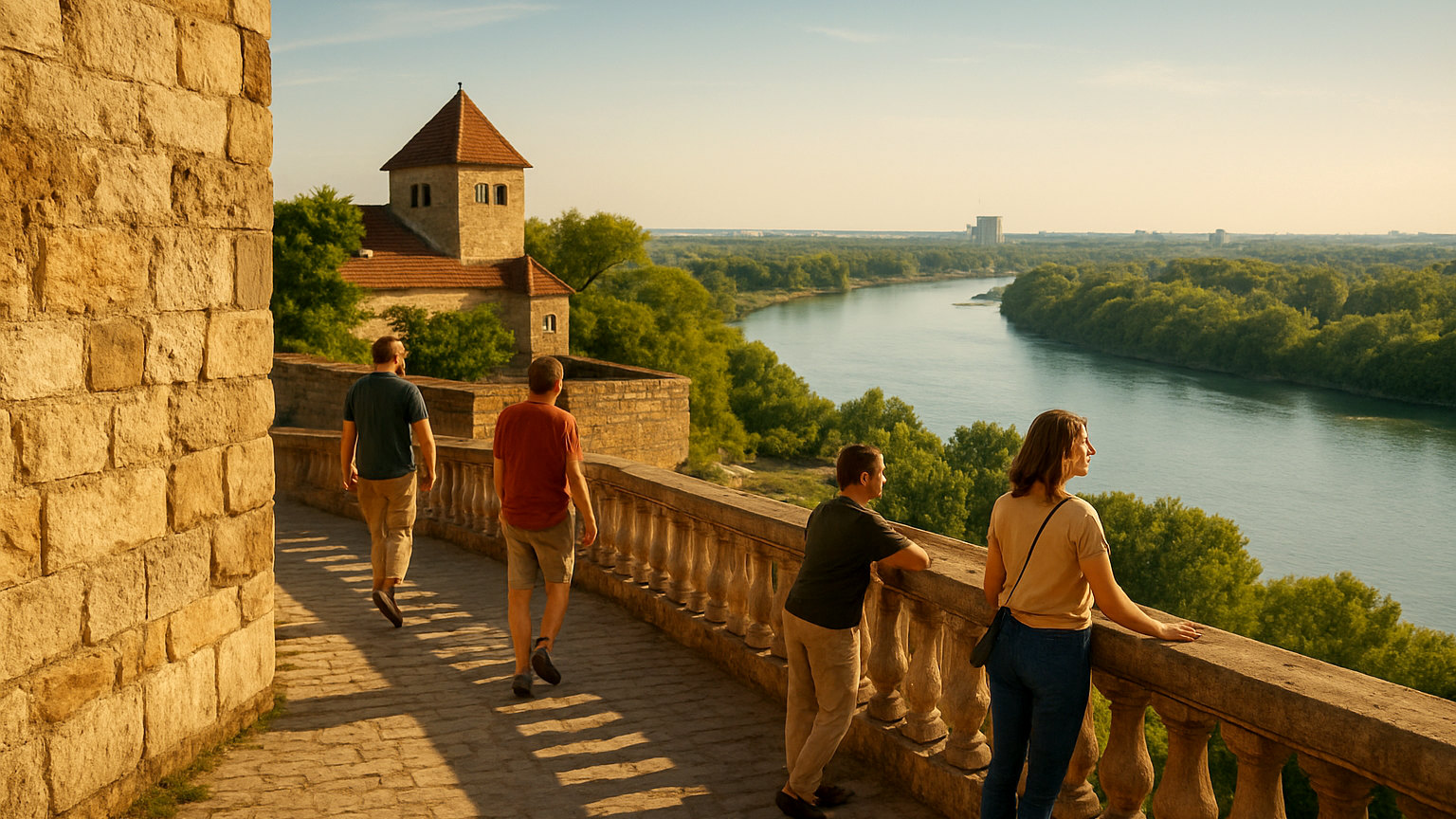
Kalemegdan fortress at the confluence of the Sava and Danube, which is free, extensive and the best viewpoint in the city. The Nikola Tesla Museum, which holds his archive and ashes and runs live demonstrations. The Church of Saint Sava, among the largest Orthodox churches in the world.
What about the Yugoslav history?
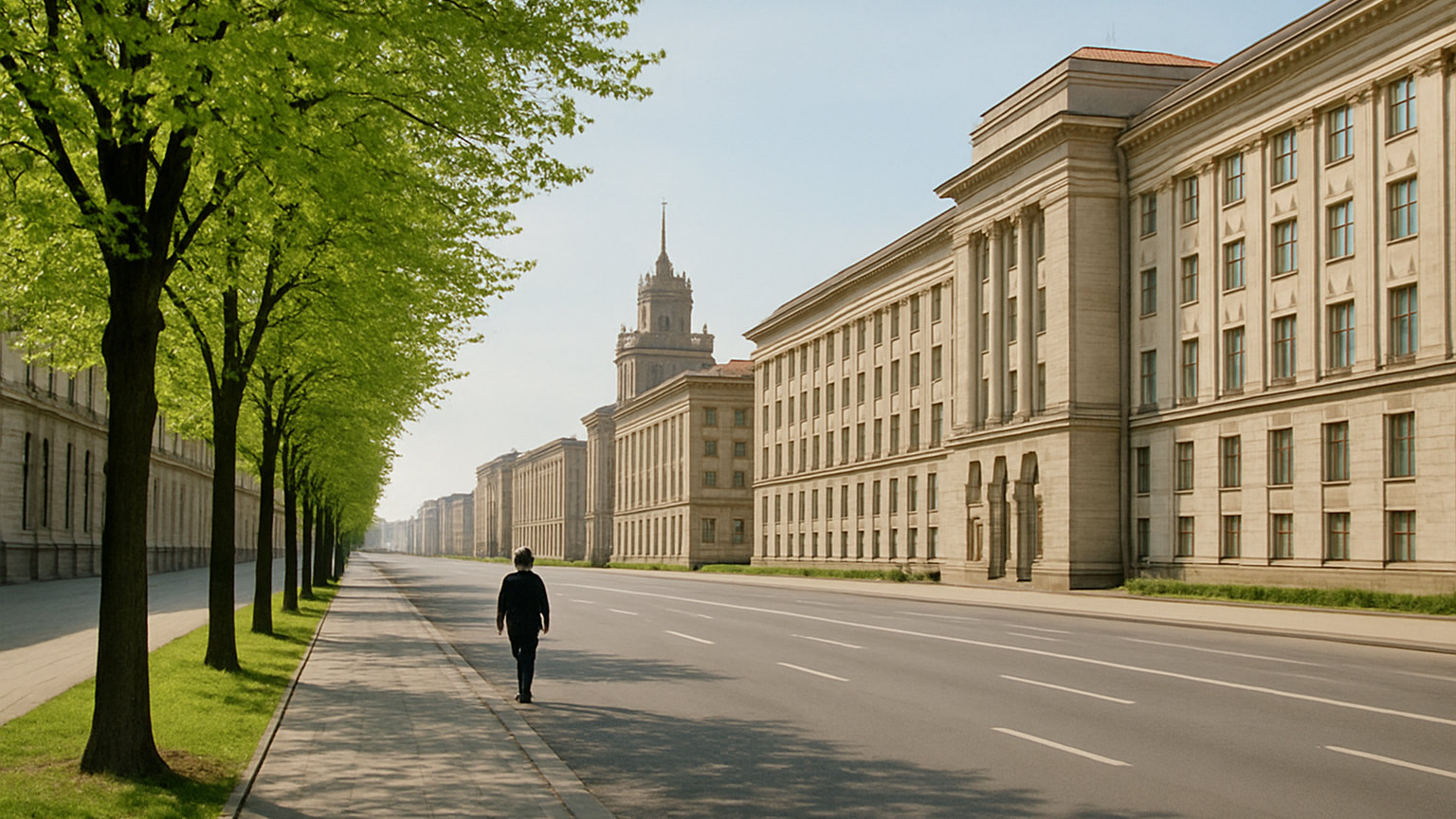
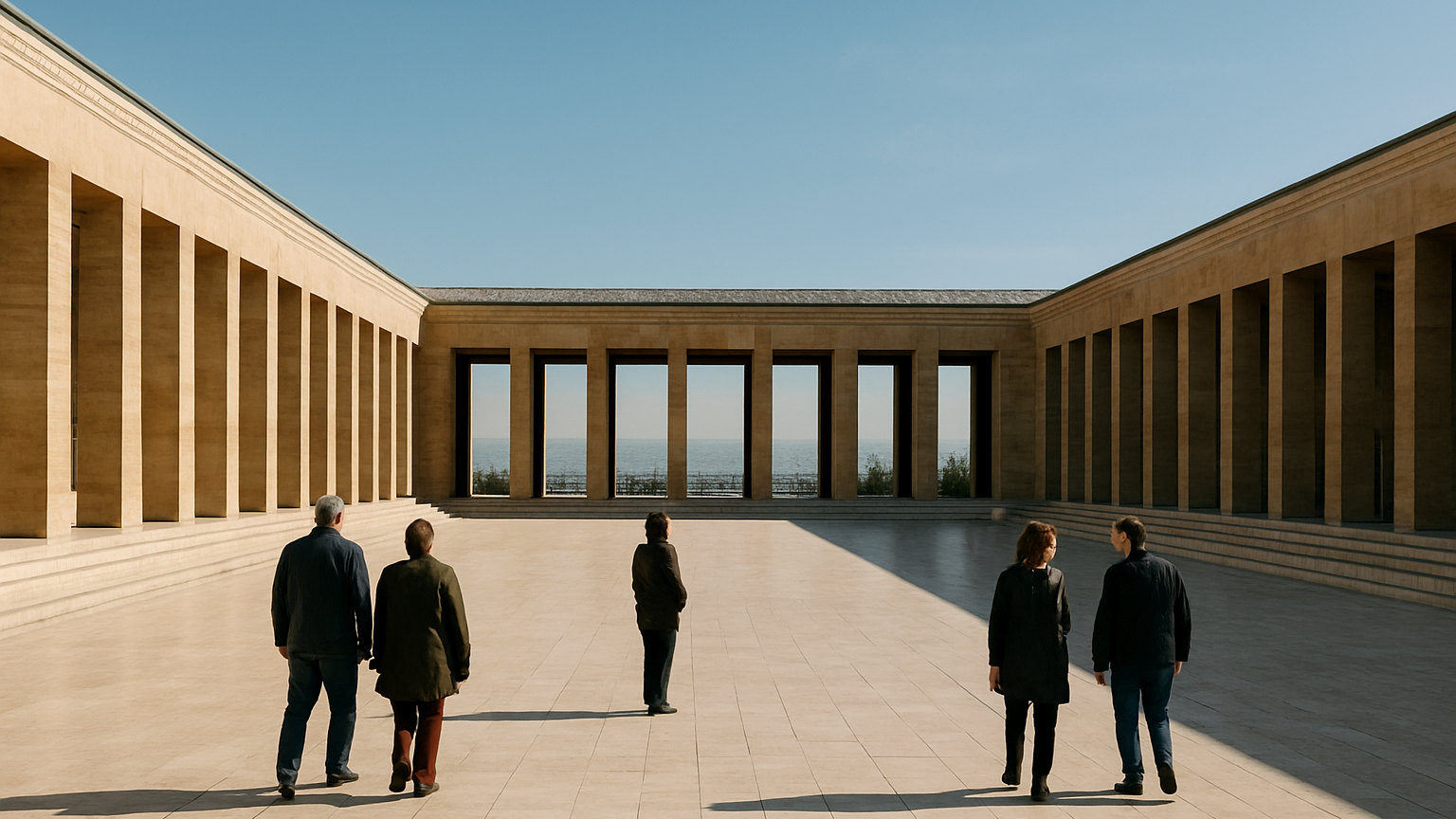
The Museum of Yugoslavia, including the House of Flowers where Tito is buried, which is the best single explanation of the country that was. The brutalist housing blocks of New Belgrade across the river are an architectural draw in themselves.
Where do people eat?
Kafanas for traditional food, with grilled meat, pljeskavica and cevapi the staples. Dorcol and Savamala have the newer restaurants and bars. Portions are large and prices low.
Is it safe?
Generally safe for visitors with ordinary precautions, and the centre is busy late. As anywhere with a strong nightlife economy, the usual care with drinks and getting home applies.
What is nearby?
Novi Sad, an hour north, a handsome city with a fortress that hosts the EXIT festival each July. Zemun, effectively part of Belgrade, with a riverside promenade and an older Austro-Hungarian character.
When should you go?
May to September for the river scene, which is when the splavovi are fully operating. Spring and early autumn give the best combination of weather and atmosphere, and summer can be very hot.
How long do you need?
Two or three nights, which covers the fortress, the museums, Skadarlija and a night on the river.
Is it worth visiting beyond the nightlife?
Yes. Belgrade is not a conventionally pretty city and it is an interesting one, with a complicated recent history that is openly present and a strong cafe and river culture.
How do you get there?
Direct flights from several UK airports to Belgrade, with the airport around twenty-five minutes from the centre. Serbia is outside the Schengen area and entry requirements should be checked before travelling.
What currency is used?
The Serbian dinar rather than the euro, which surprises visitors. Cards are widely accepted in the centre and cash is useful in kafanas and markets.
What about the Danube and Sava?
The confluence beneath Kalemegdan is the defining geography of the city, and the riverbanks are used heavily in summer for walking, cycling and swimming at Ada Ciganlija, an artificial lake island that functions as the city beach.
How does it compare with Zagreb or Sofia?
Larger and livelier than either at night, with a bigger river frontage and a stronger club culture. Zagreb is prettier and calmer; Sofia is cheaper. Belgrade is the one people travel to specifically for the nights out.
Anyone weighing this up will also want Can You Visit Minsk as a Tourist?, along with the rest of the Inspiration section.
The short answer
Because of the splavovi, floating clubs moored along the Sava and Danube, combined with very low prices and late hours. Beyond that, Kalemegdan fortress, the Tesla Museum and the Museum of Yugoslavia justify two or three days, and the river scene runs from May to September.