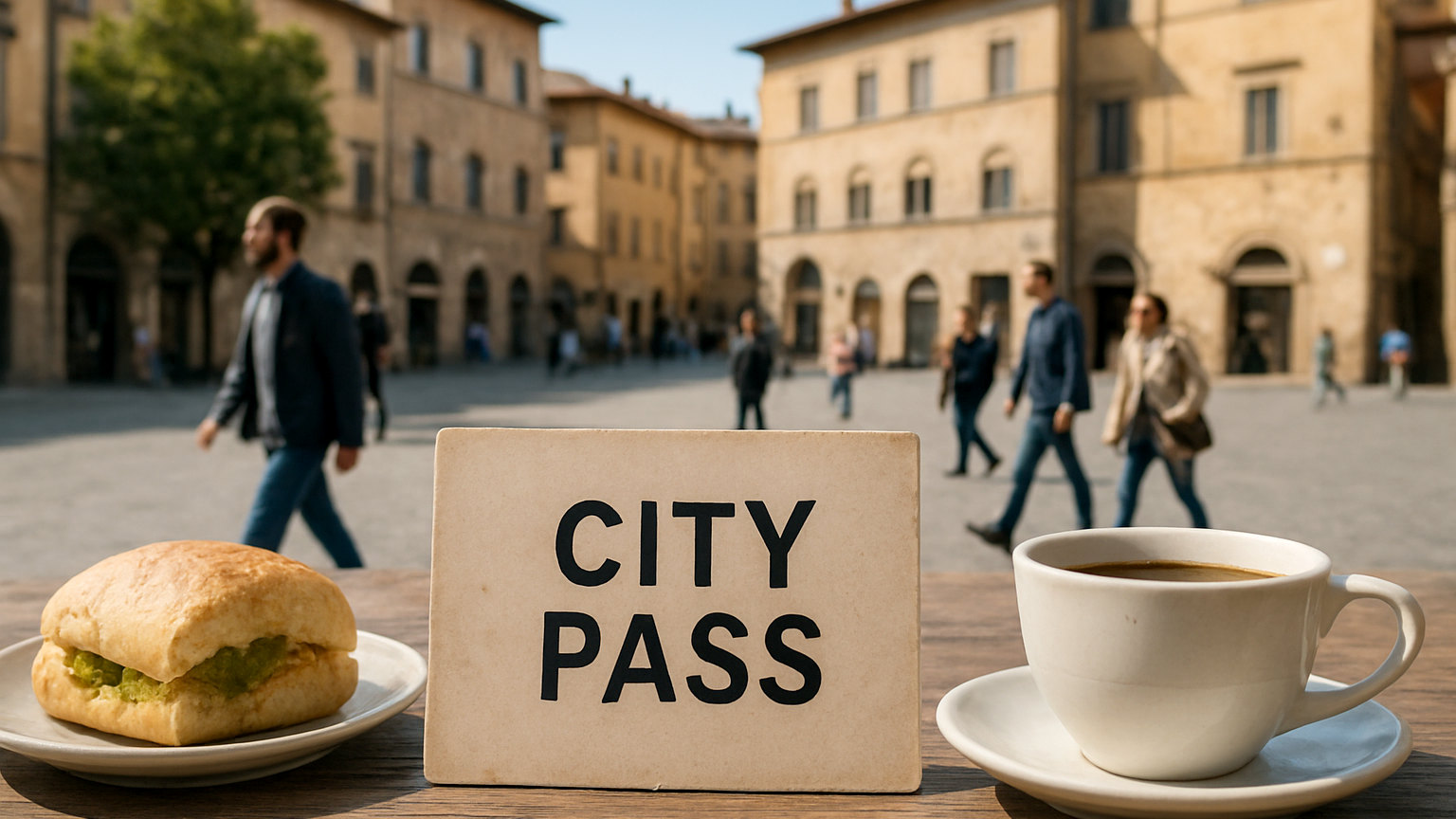
City passes bundle attractions, transport or both into one price, and the marketing presents the saving as automatic. It is not: a pass pays only if you actually visit enough places, and doing so frequently means a more rushed trip than you would otherwise choose.
How do they work?
Usually one of two models. An all-inclusive pass covering unlimited entries over a period, or a bundle covering a set number of attractions from a list. Some include public transport, some sell it separately, and validity is typically forty-eight to seventy-two hours.
How do you work out the value?
List the places you would visit anyway, add their individual prices, and compare with the pass. If the pass only pays when you add two places you would not otherwise choose, it is not saving money.
This takes ten minutes and settles it in almost every city.
When do they genuinely pay?
In expensive cities with many paid attractions close together, where an energetic visitor can see three or four a day. Paris, Vienna, Amsterdam, Copenhagen and Stockholm are the clearest cases.
When do they not?
In cities where the best things are free or cheap, which includes much of southern Europe. Rome, Lisbon, Athens and Berlin all have a great deal available for nothing, and a pass pushes you towards paid attractions to justify it.
Do they skip the queue?
Sometimes and not always, which is worth checking carefully. Several passes require a separate timed reservation at the major sites anyway, and a few grant no queue advantage at all, which is the main thing people assume and should not.
What about transport passes?
Frequently better value than attraction passes and simpler. A multi-day travel card in Vienna, Berlin, Prague or Budapest is inexpensive and removes the daily question, and many cities offer a visitor version with small discounts attached.
What about combined tickets?
Usually better than a broad pass. The Rome Colosseum and Forum ticket, the Athens archaeological combined ticket and the Florence Duomo pass each cover what most visitors actually want at a lower price with their own entry arrangements.
What about free days?
Worth checking before buying anything, since many European state museums are free on set days, commonly the first Sunday of the month in Italy and France. A pass bought for a day when half the list is free is poor value.
Do they suit families?
Less well, since children frequently enter free or at low rates and the pass is priced per person. Check the child pricing on the individual attractions first, which frequently removes the case entirely.
What about restaurant discounts?
Frequently included and rarely useful, since the participating restaurants tend to be aimed at visitors. Treat these as filler rather than value when assessing a pass, along with shop discounts and river cruise vouchers.
When should you buy one?
After a day in the city rather than before arriving, since by then you know what you actually want to see. Most passes can be bought locally or activated on first use, which means the decision does not have to be made in advance.
Do they cover everything?
No, and the exclusions matter. Special exhibitions, some major sites and anything requiring its own timed reservation are frequently outside the pass, which can mean paying separately for the thing you most wanted to see.
Are they ever bad value outright?
Where the headline saving assumes visiting six attractions in two days, which almost nobody does and nobody enjoys. A pass that requires a forced march to break even is a worse holiday as well as a worse deal. Buying nothing and paying at the door is a perfectly reasonable outcome of doing the arithmetic.
Which European Museums Are Worth a Whole Day? goes into more detail on a closely related question, and the rest of our Inspiration section covers the wider subject.
The short answer
Do the arithmetic against what you would visit anyway rather than the pass list. They pay in expensive northern cities with clustered paid attractions and rarely in southern cities where much is free. Transport passes and site-specific combined tickets are usually better value.