
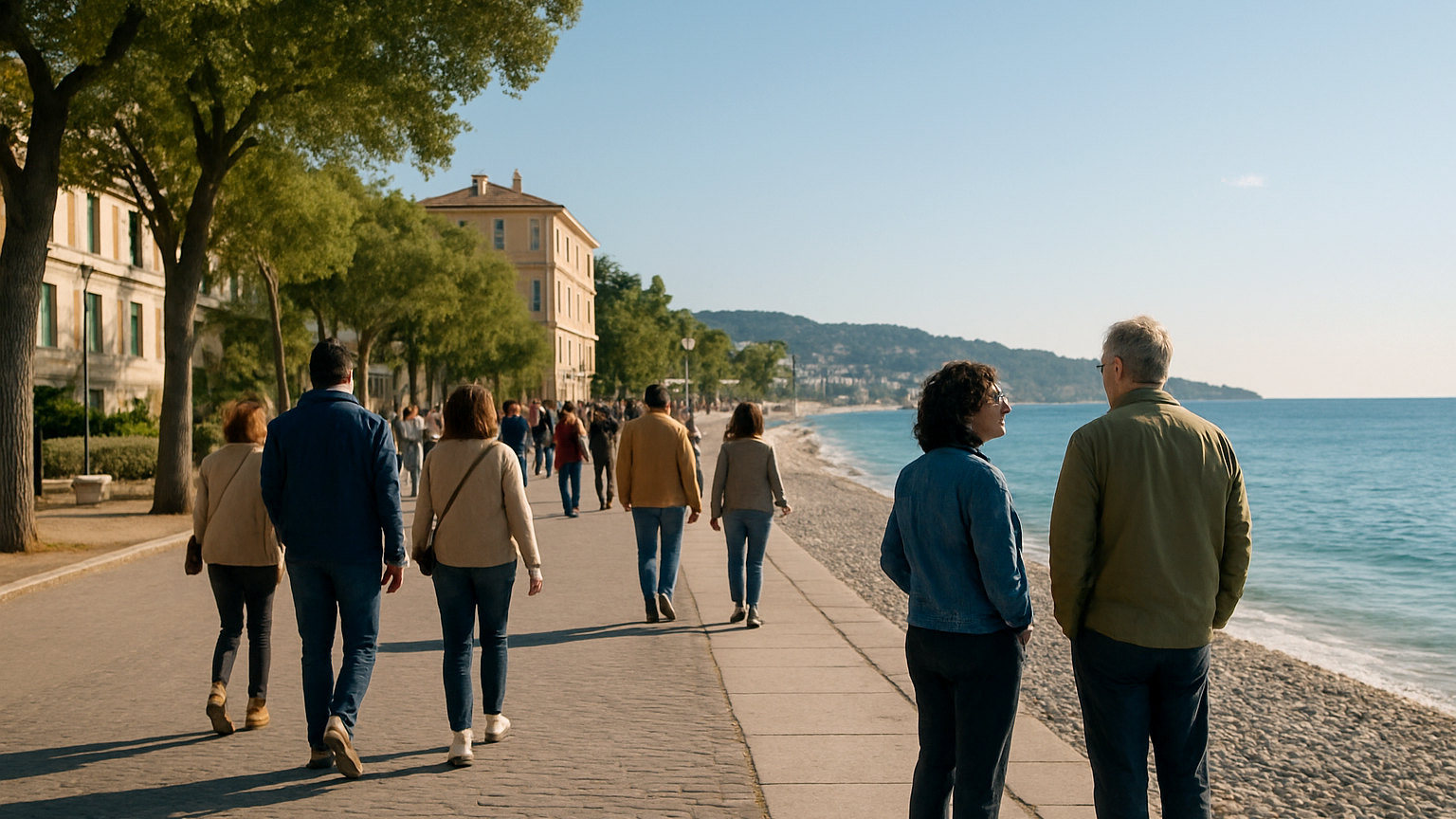
Sightseeing budgets go on tickets, and a considerable proportion of what makes a place enjoyable has no ticket at all. In most European cities you could spend three good days without paying for entry to anything.
What is reliably free?
Churches, in most countries, at least for the main body. Parks and gardens. Markets. Viewpoints and hills. Harbours and waterfronts. Walking the old town. Together these are most of what people actually remember about a city.
Which museums are free?
The British national museums permanently, which is unusual in Europe. Elsewhere, many state museums are free on set days, commonly the first Sunday of the month in Italy and France, and several cities run a free evening each week.
These produce long queues, so arriving before opening is necessary.
What about free walking tours?
Available in most European cities and a genuine institution. The guide is paid by what the group gives at the end, which is the arrangement rather than optional generosity, and a fair contribution for two hours is expected.
Are the churches worth it?
Frequently the best free art in Europe. Roman churches hold Caravaggios and Berninis; Venetian and Florentine churches hold work that would be the centrepiece of most museums. Some charge for a treasury or crypt while the nave remains free.
What about views?
Almost every paid viewing platform has a free hill nearby with a better view including the building you would have paid to stand on. Piazzale Michelangelo in Florence, the Lisbon miradouros and Filopappou Hill in Athens are all free.
What about public buildings?
Several are free and overlooked: libraries, university buildings, covered markets, nineteenth century arcades, railway stations and town halls. Many are architectural attractions that charge nothing because they are still in use.
What is free in nature?
Almost everything. Beaches, coastal paths, mountain trails, national parks in most countries, and city swimming in rivers and lakes where it is permitted. Europe charges for buildings far more than for landscape.
Are there free events?
Constantly, and mostly unadvertised to visitors. Village festivals, church concerts, markets, processions and public celebrations cost nothing. Asking what is on this week is how you find them.
What about cemeteries?
An unusual suggestion that consistently rewards it. Pere Lachaise in Paris, the Vienna Zentralfriedhof, the Genoa Staglieno and the English cemeteries in Rome and Florence are all free, quiet and among the more interesting places in those cities.
Does free mean worse?
No, and frequently the opposite. The paid attractions are the ones that can charge, which correlates with fame rather than quality. A free church, a free viewpoint and a free market between them make a better day than three tickets.
Are there free tours beyond walking?
Several. Many European cathedrals, parliaments and public buildings run free guided visits, and some wineries and breweries offer free tastings. University cities frequently run free student-led tours of their historic buildings.
What about swimming?
Free almost everywhere in Europe outside managed beach concessions. Sea, lake and river swimming cost nothing, and several cities including Copenhagen, Zurich and Munich have free or nearly free public bathing in the centre.
What is free with a bit of planning?
A great deal. Free museum days, free concert evenings, free entry to certain sites at particular hours, and festivals happening anyway. Checking a city calendar before fixing dates frequently lands you in the middle of something at no cost.
Does it work in expensive cities?
Particularly well, and it is where it matters most. Copenhagen, Stockholm, Zurich and Amsterdam all have free harbours, parks, churches and swimming, which makes a low-cost day entirely possible in cities where tickets and meals are not.
If you are planning further, Which Boat Trips Are Worth Taking? covers the next part of the decision, and there is more in our Inspiration guides.
The short answer
Churches, parks, markets, viewpoints and waterfronts are free almost everywhere and make up most of what people remember. Check for free museum days, use free hills instead of paid viewing platforms, and treat free walking tours as paid at the end.


