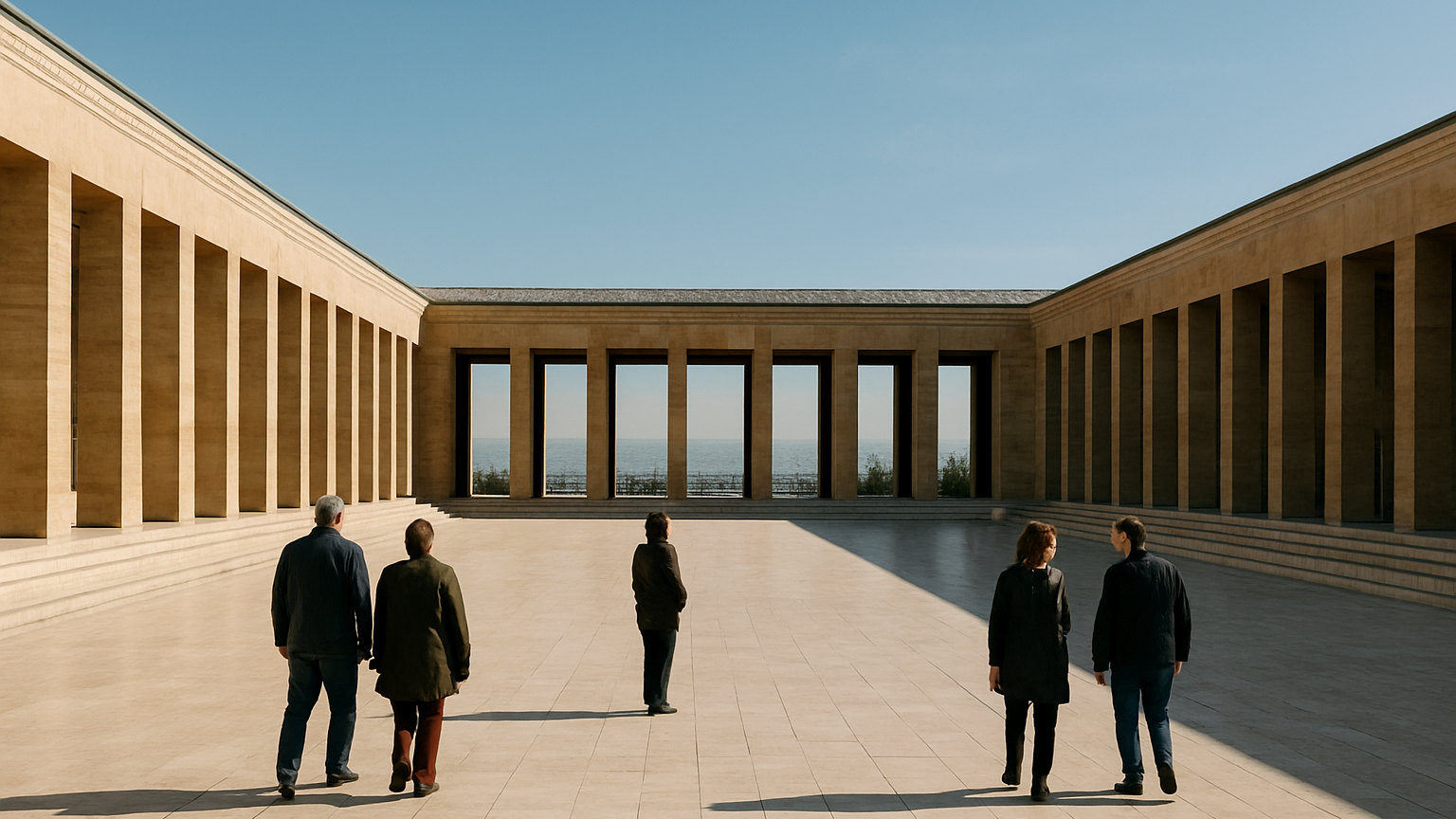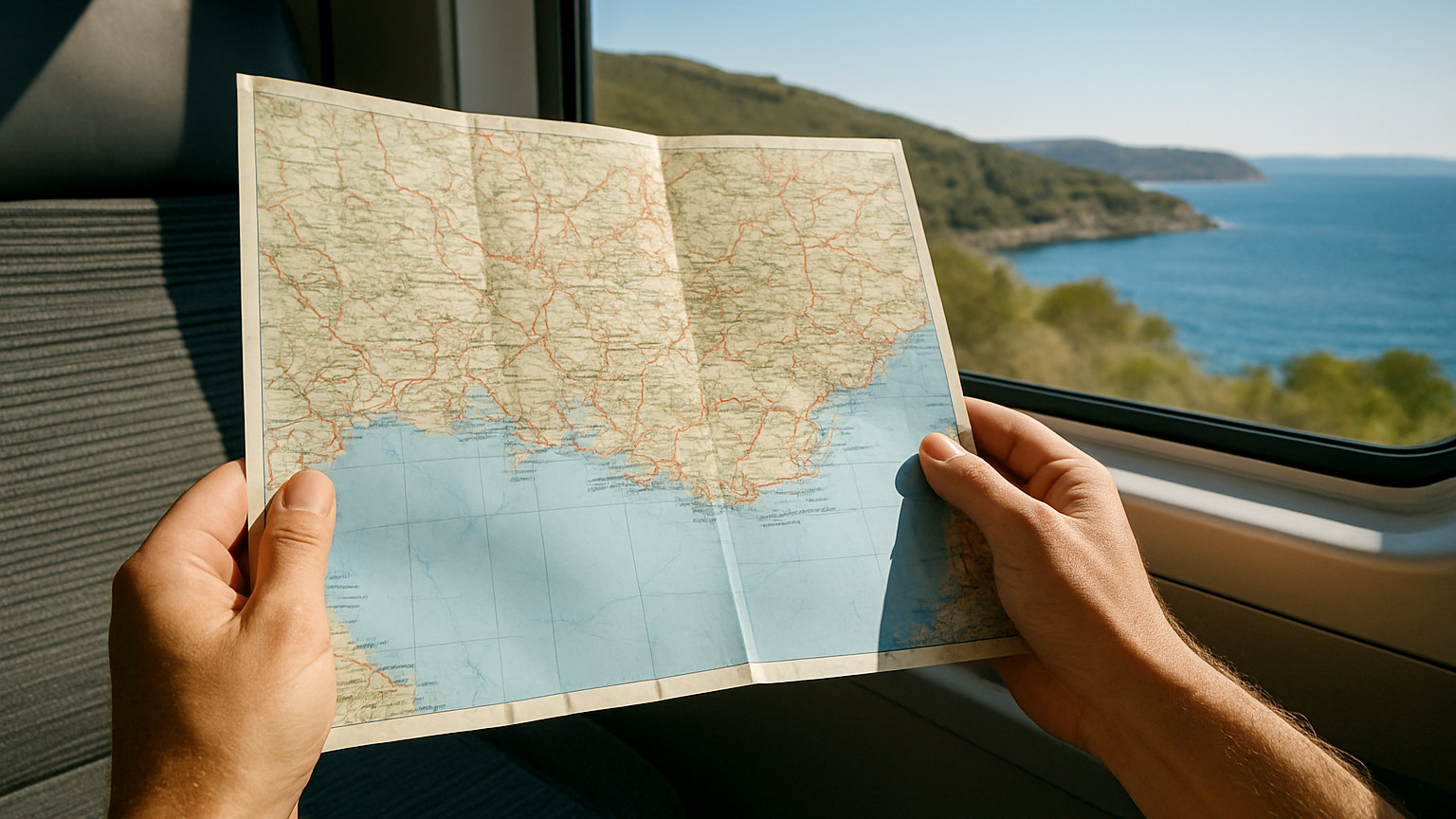
The most consistently satisfying European trip structure is a city followed by somewhere to stop. It gives sightseeing and then rest, and it solves the problem that a fortnight of museums exhausts almost everyone.
Which order should they go in?
City first, coast second, almost always. Sightseeing requires energy that is highest on arrival, and finishing somewhere quiet means arriving home rested rather than needing a holiday from the holiday.
The exception is when the flight home is from the city, in which case a final night there avoids a long transfer.
How should you split the time?
Roughly a third city and two thirds coast on a fortnight, or four nights and three on a week. Cities are absorbed faster than people expect and coastal stays reward length, since the pleasure is repetition rather than novelty.
Which pairings work best?
Barcelona and the Costa Brava. Athens and a Saronic or Cycladic island. Naples and the Amalfi coast or Ischia. Lisbon and the Alentejo coast or Cascais. Split and the Dalmatian islands. Valencia and the Costa Blanca.
What makes a good pairing?
Under two hours between them, ideally by train or ferry rather than a hire car collected at an airport. The transfer should feel like part of the holiday rather than a journey, which rules out anything involving a connection.
Which are the easiest?
Athens and the Saronic islands, an hour by ferry from the city centre. Lisbon and Cascais, forty minutes by train. Barcelona and Sitges or the Costa Brava. Naples and Sorrento. All are reached without a car or a flight.
Does it work in the shoulder season?
Better than people expect, and with a caveat. May, June, September and October give warm sea and open coastal towns. From November the coastal half largely closes, and two cities is the better winter structure.
What about the mountains instead?
The same structure with different scenery, and frequently better in high summer. Munich and the Bavarian Alps, Milan and the lakes, Ljubljana and Lake Bled, Innsbruck and the Tyrol all give the city and then the cool.
Should you hire a car?
Only for the coastal half, and only if the coast requires it. Collecting a car after the city section avoids paying for parking and the difficulty of driving in a European old town, which is a common and expensive mistake.
How many nights minimum?
Three in the city and four on the coast for a week. Below three nights the city becomes a stop, and below four the coastal section is over before it starts working.
Does it suit families?
Particularly well, since it gives adults the city and children the beach in a structure everyone accepts. Front-loading the sightseeing while enthusiasm is intact is the practical version of the same rule.
Which cities have a coast attached?
Several remove the transfer entirely. Barcelona, Valencia, Malaga, Naples, Split and Thessaloniki all have proper beaches within the city, which turns the structure into one base rather than two and saves a travel day.
What about a lake instead?
Frequently better in high summer, since lakes are cooler and quieter than the coast in August. Milan with Como or Garda, Zurich or Lucerne with the Swiss lakes, and Ljubljana with Bled or Bohinj all work on the same principle.
How do you choose the coastal half?
By what you want from it. A working town gives restaurants and a sense of place; a resort gives facilities; a rural stretch gives quiet and needs a car. Matching that to the group matters more than the beach itself, since a fortnight in the wrong kind of coastal town is harder to fix than a poor city choice.
See also What Is an Open Jaw Flight and When Does It Help?, which covers a related part of the same decision, and our other Inspiration guides.
The short answer
City first and coast second, split roughly one third to two thirds, with under two hours between them. Athens and the Saronic islands, Lisbon and Cascais, and Barcelona and the Costa Brava are the easiest. Hire a car only for the coastal half.