The best two-city trips combine proximity with contrast. A short journey preserves the days, and enough difference between the two places means the second half feels like a new trip rather than more of the first.
What makes a good pairing?
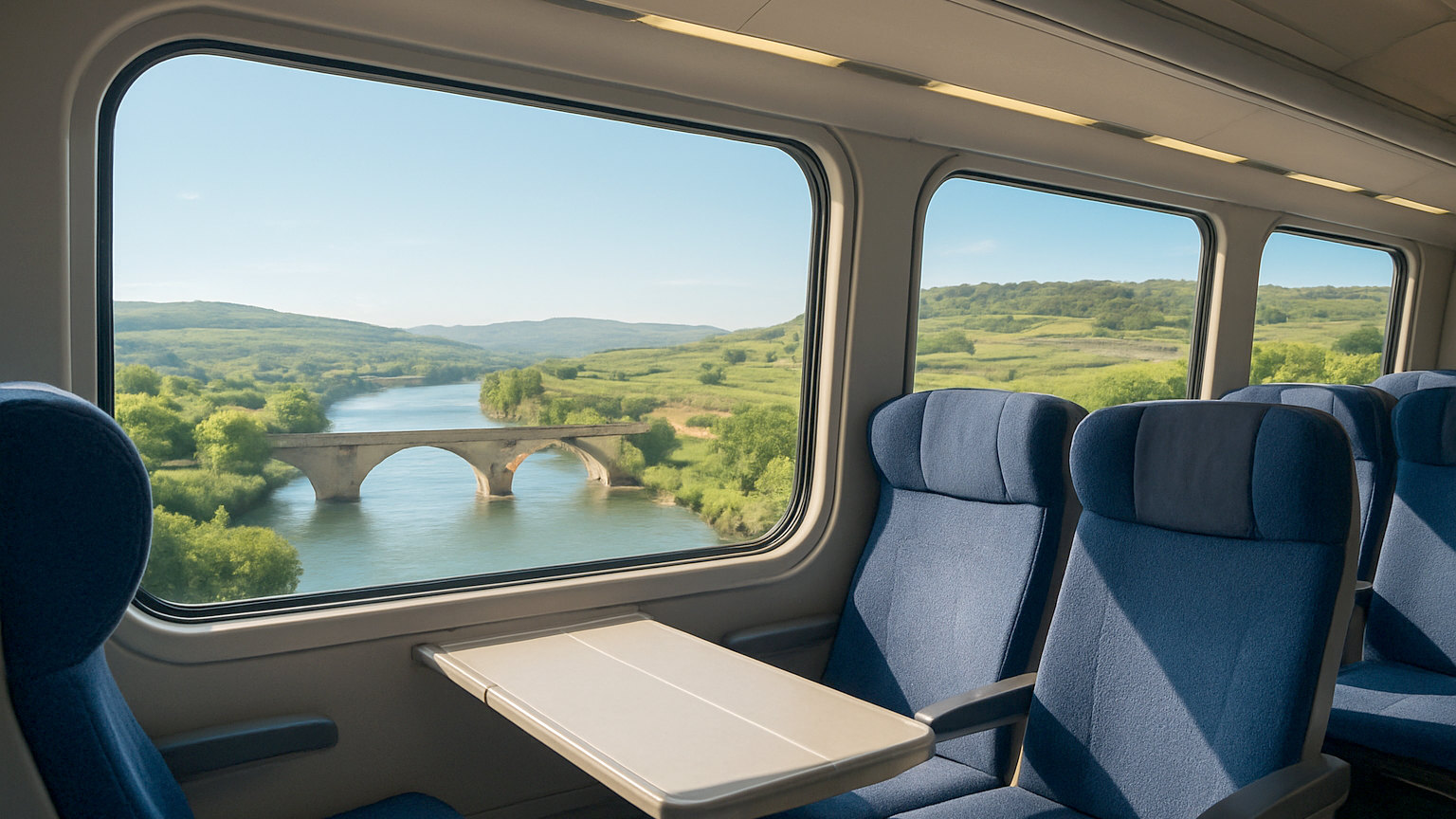
Under three hours by train, ideally under two. Different in character rather than similar. And with a direct connection, since a journey involving a change and a wait costs considerably more than the timetable suggests.
Which are the best rail pairings?
Vienna and Budapest, under three hours and entirely different in feel. Rome and Florence, ninety minutes. Barcelona and Madrid, under three hours. Paris and Brussels or Amsterdam. Munich and Salzburg, ninety minutes.
Prague and Vienna, four hours, is the longest that still works comfortably.
Which Italian pairings work?
Rome and Naples, an hour and ten minutes and utterly different. Florence and Bologna, thirty-five minutes. Venice and Verona. Milan and Turin. Italy has the densest network of good short pairings in Europe.
What about Spain and Portugal?
Madrid and Seville or Cordoba by high-speed rail. Barcelona and Girona or Valencia. Lisbon and Porto, under three hours. Seville, Cordoba and Granada as a three-stop Andalusian route.
Which pairings contrast best?
Rome and Naples, where the order and the chaos are equally Italian. Vienna and Budapest, imperial and post-communist. Lisbon and Porto, one open and one dense. Berlin and Dresden. In each the difference is the point.
Which do not work?
Pairings of very similar places, which produce a sense of repetition. Two Tuscan hill towns, or Bruges and Ghent as separate bases, are better as one base with a day trip. Also anything requiring a flight, which costs a day.
What about city and country?
Frequently the strongest structure of all. A city followed by a rural or coastal base gives sightseeing and then rest, which suits most people better than two cities. Barcelona and the Costa Brava, Athens and an island, Naples and the Amalfi coast.
How should you split the nights?
More in the larger city, and the rest second so the trip ends slowly. Four nights in Rome and three in Naples works better than the reverse, and finishing somewhere quiet is a better shape than finishing somewhere demanding.
Should you fly into one and out of the other?
Yes, wherever possible. An open-jaw booking removes the return leg entirely and costs little more than a standard return, which is the single most useful trick in multi-city planning.
What about three-city routes?
They work where the three sit in a line rather than a triangle. Venice, Florence and Rome; Seville, Cordoba and Granada; Prague, Vienna and Budapest. Each leg is short and the route never doubles back, which is what makes ten days enough.
How do you check a connection properly?
Look at the actual timetable rather than the distance, since frequency matters as much as duration. A two-hour journey with one train a day is worse than a three-hour journey with hourly departures, because it dictates your whole day.
Which pairings suit winter?
City pairs rather than city and coast, since the coastal half closes. Vienna and Budapest, Prague and Dresden, and the Italian cities all work well in December.
Do budget airline routes help?
Sometimes, and they shape what is possible. Several excellent pairings exist only because a cheap direct flight links them, and the routes change each season, so checking what flies from your nearest airport occasionally suggests a trip you would not have considered.
What about pairing across a border?
Frequently the strongest contrast available. Vienna and Bratislava are an hour apart in different countries, Copenhagen and Malmo are forty minutes, and Basel, Strasbourg and Freiburg sit within an hour of each other across three borders.
For the next step, see What Does a Good Two Week Itinerary Look Like?, or browse the full Inspiration section.
The short answer
Vienna and Budapest, Rome and Naples, Florence and Bologna, and Lisbon and Porto are the best pairings, all short by rail and strongly contrasting. Pair a city with a coast if you want rest, put more nights in the larger city, and book an open jaw.