Weekend breaks default to cities because they are easy to reach and full of things to do. Several other kinds of short trip work just as well in two nights, and some suit the format better because they require no sightseeing at all.
What makes a non-city weekend work?
Somewhere reachable in a few hours, with one thing to do that fills a day and somewhere decent to eat. Rural weekends fail when the travel consumes the trip or when there is nothing to do but look at the view.
What about spa towns?
Among the best short breaks in Europe, since the point is to stop rather than to see things. Budapest, Baden-Baden, the Slovenian and Czech spa towns and the Italian thermal towns all suit two nights exactly.
What about wine regions?
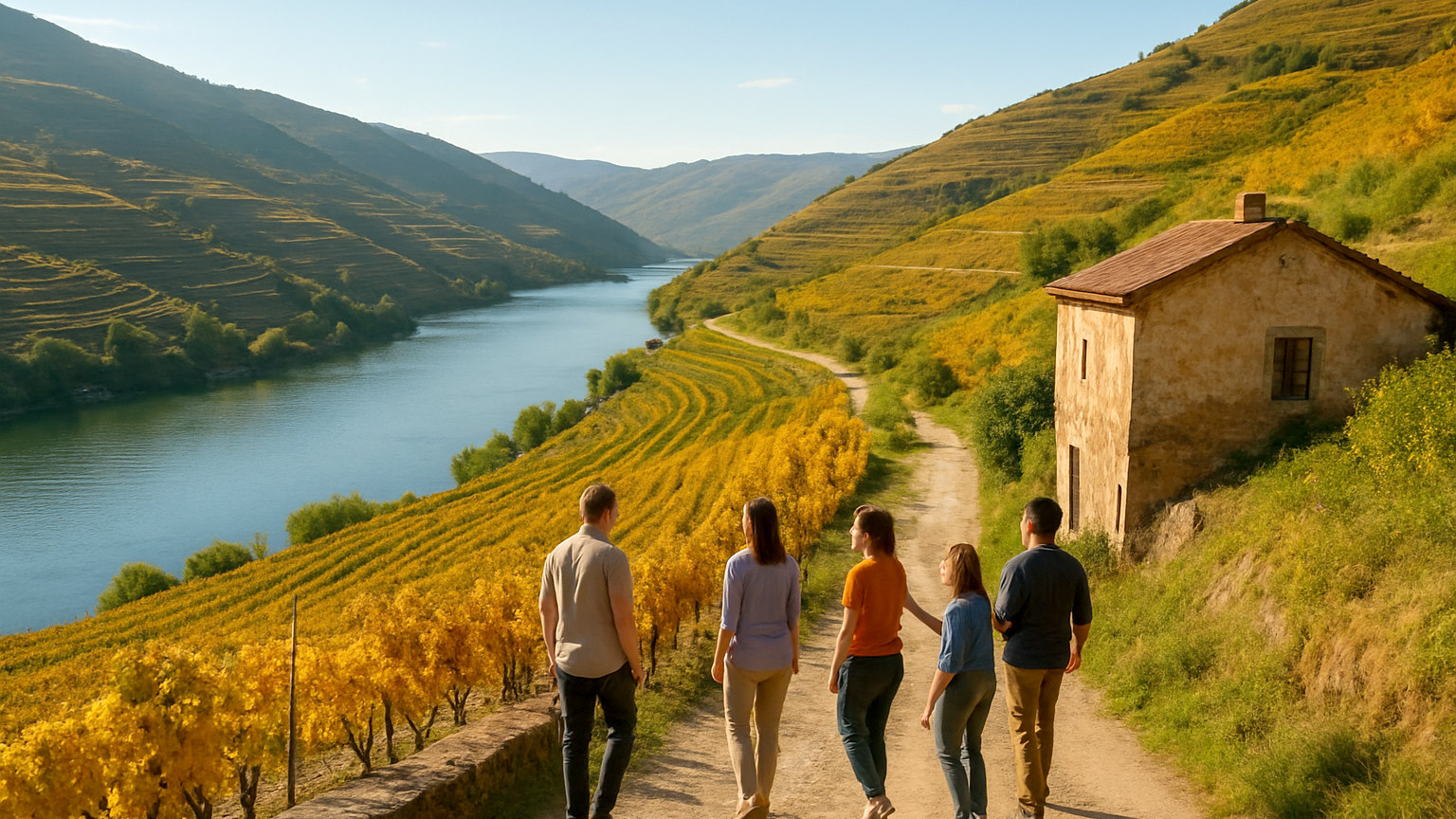
Well suited, with a day of tastings and a day of walking or a market. The Douro, Rioja, Alsace, Piedmont and the German wine regions are all reachable and all have accommodation among the vineyards.
A car or a driver is needed, which is the obvious practical point about a tasting weekend.
Which coastal weekends work?
Working coastal towns rather than resorts, since resorts close out of season and offer little in two days. Cascais, San Sebastian, Trieste, Split, Cadiz and the Cornish and Northumberland coasts all work year round.
What about walking?
A weekend fits two good day walks, which is a genuine trip. The Peak District, the Lakes, Snowdonia, the Dolomites in summer, the Slovenian Alps and the Portuguese coast paths all work if you are within a few hours of the start.
What about the mountains?
Harder in a weekend from Britain, since alpine valleys are several hours from the nearest airport. A three-night trip works; two nights is largely travel. Domestic and Irish mountain areas are the practical weekend version.
Do you need a car?
For most of these, yes, which is the main difference from a city weekend. Hiring for forty-eight hours is expensive relative to the trip, so it is worth checking whether a train reaches the town and the accommodation is walkable from it.
Which need no car?
Spa towns with a station, coastal towns on a rail line, and anywhere with a compact centre. Baden-Baden, Cascais, Trieste, Bath and Harrogate all work entirely on foot once you arrive.
Which season suits them?
Spa towns are best in winter, wine regions at harvest in September and October, walking in spring and autumn, and coastal towns in the shoulder months. Non-city weekends are more seasonal than city ones.
Is two nights enough?
For a spa or a single walk, comfortably. For a wine region or a stretch of coast you intend to explore, three is better, since one of two days is usually consumed by arriving and settling in.
What about small towns generally?
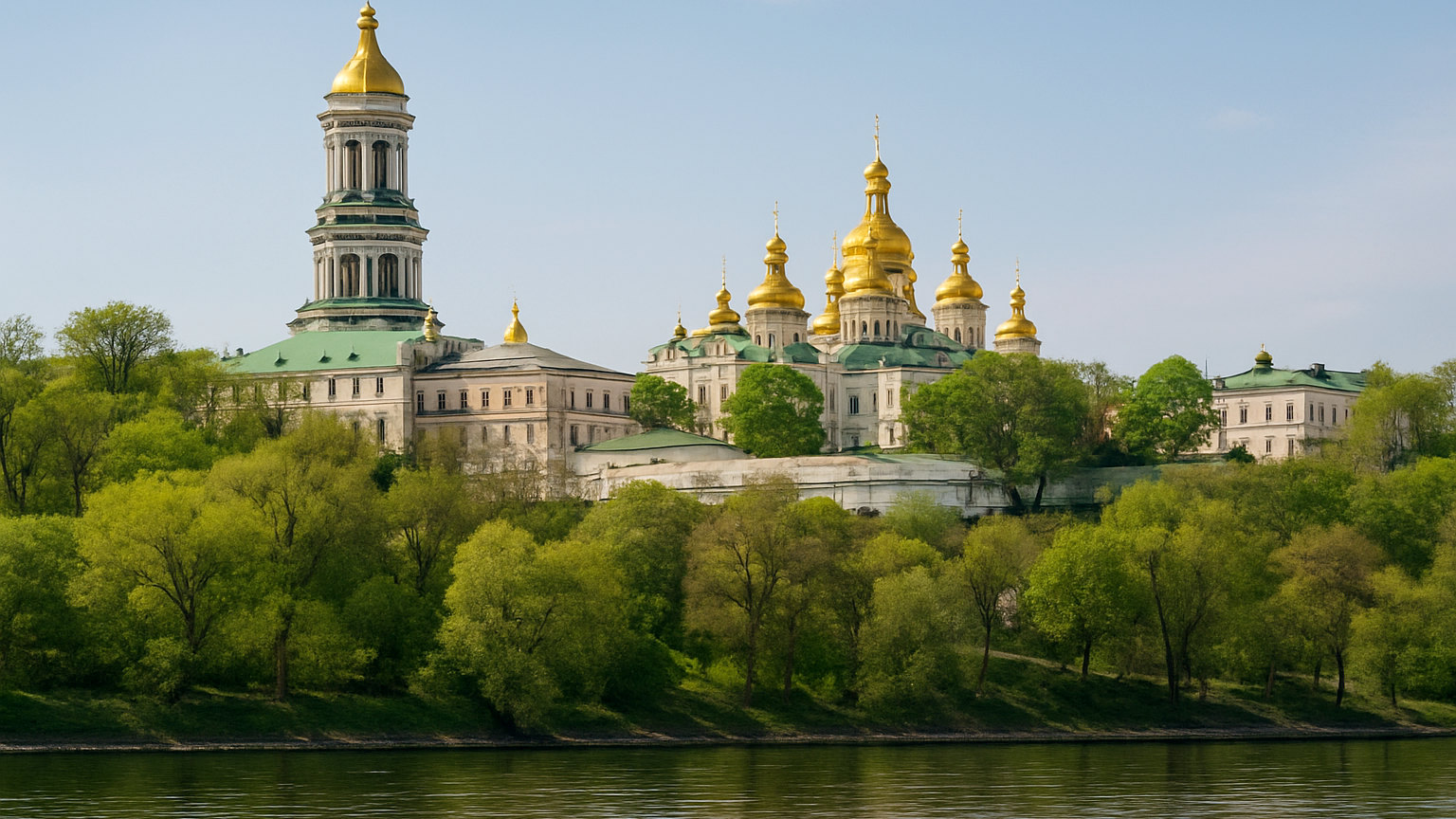
An underrated weekend of their own. A historic town with a good restaurant and somewhere to walk fills two nights easily, and towns such as Bruges, Ghent, Colmar, Sintra, Ronda and Cesky Krumlov are small enough to feel you have seen them properly.
What about staying somewhere to do nothing?
A legitimate weekend and frequently the most restorative. A hotel with a good dinner, a pool or a fire and a walk nearby is the whole of the plan, and it is the one format where two nights is genuinely enough rather than a compromise.
How far should you travel?
Less than for a city, since rural destinations usually involve a transfer beyond the airport or station. Two hours of flying plus an hour of driving is the practical limit for two nights, and anything beyond needs a third.
If you are planning further, How Do You Keep a Weekend Break Cheap? covers the next part of the decision, and there is more in our Inspiration guides.
The short answer
Spa towns suit two nights best, since the point is to stop rather than to see. Wine regions and coastal towns work with a car, walking areas work if you are within a few hours, and alpine trips need three nights rather than two.