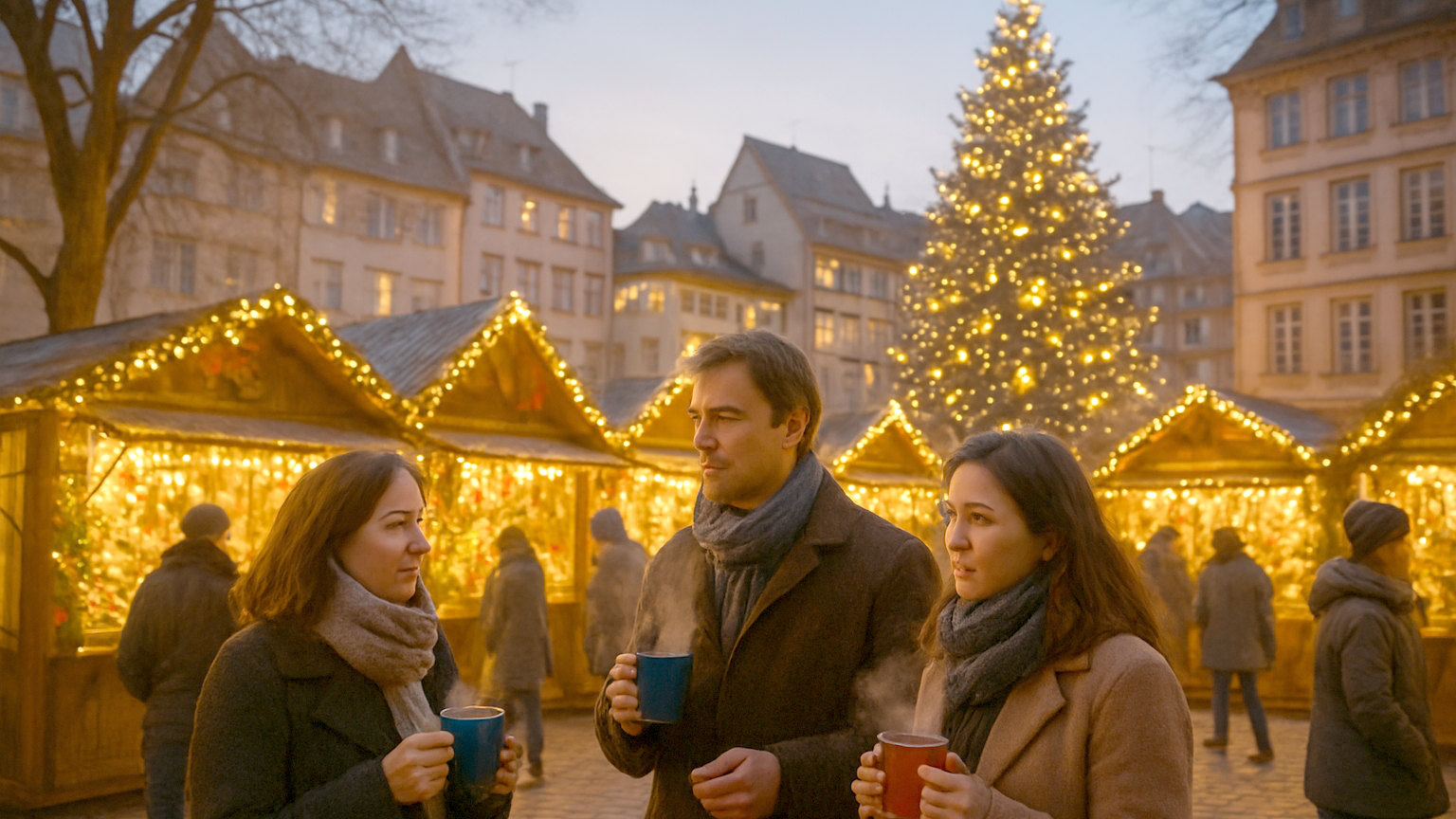
Christmas markets vary far more than the photographs suggest. Some are ancient and traditional, some are enormous and commercial, and a few are genuinely unlike anything else. Knowing what each is known for matters more than the rankings, which mostly measure size.
Which are the oldest?
Dresden Striezelmarkt, which dates from the fifteenth century and is generally regarded as the oldest in Germany. Nuremberg Christkindlesmarkt, which is the most famous and the most traditional in feel, with strict rules on what may be sold. Strasbourg, which claims the oldest in France from the sixteenth century.
Which is the most beautiful setting?
Vienna, where several markets run across the city and the one in front of the Rathaus is the largest, with the town hall lit behind it. Prague, in the Old Town Square beneath the astronomical clock. Colmar in Alsace, which is small, half-timbered and among the most photogenic towns in Europe.
What is Alsace known for?
The greatest concentration of markets in one region. Strasbourg is the largest, with several markets across the city. Colmar, Riquewihr, Kaysersberg, Eguisheim and Ribeauville are all within a short drive and are small, medieval and beautiful. A few days based in Colmar covers most of them.
Which are best in central Europe?
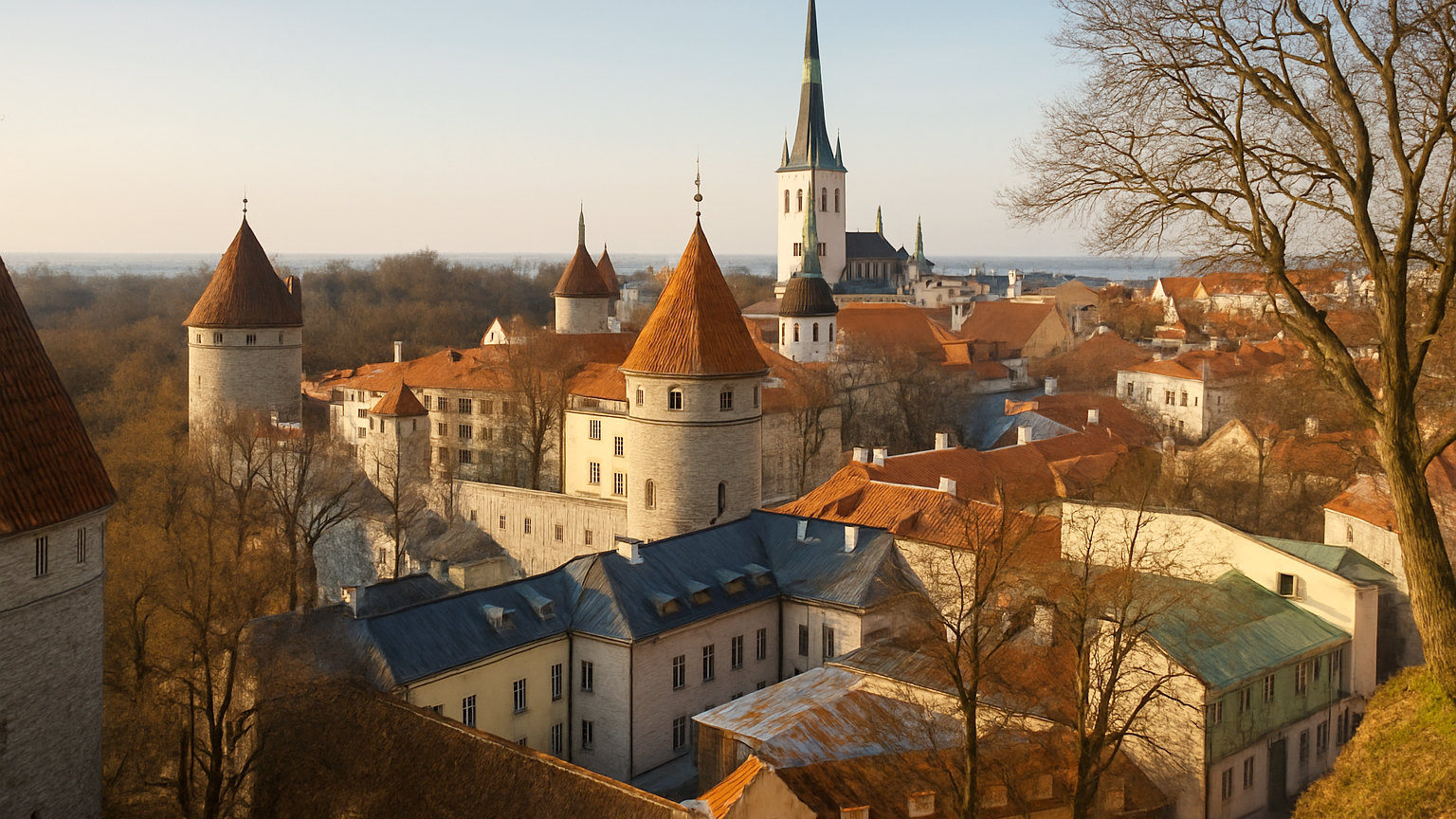
Budapest, where the market in Vorosmarty Square is excellent and the food is a genuine reason to go rather than an afterthought. Krakow, in one of the largest medieval squares in Europe. Tallinn, in a small walled old town that frequently has snow. All three are considerably cheaper than the German and Austrian equivalents.
Which German markets should you choose?
Nuremberg for tradition, Dresden for age and craft, Cologne for scale, with several large markets including one beside the cathedral. Munich, Leipzig and Rothenburg ob der Tauber all have strong ones. Germany has thousands, and almost any town of size has something worth an evening.
Which are underrated?
Ljubljana, which lights the river and is small, calm and inexpensive. Zagreb, which has won awards repeatedly and is far less visited than Prague or Vienna. Bratislava, which is an hour from Vienna and a fraction of the price. Basel and Montreux in Switzerland.
Which should you approach with care?
The largest and most photographed ones at weekends, which are extremely crowded. Prague Old Town Square and the Vienna Rathaus market in December are genuinely difficult to move through on a Saturday evening, which is worth knowing before travelling for them.
How many can you see in a trip?
In a city, all of them, since larger cities hold several and they are within walking distance of each other. Across a region, three or four towns in a few days works well in Alsace or Saxony, where the markets are close together.
Does the size matter?
Less than expected. Small markets in medieval towns frequently feel more atmospheric than large ones in city squares, and the enormous markets are dominated by food and drink stalls rather than crafts. Several small ones usually beats one large one.
Which is the single best choice?
Colmar or Nuremberg for a first visit, both of which deliver what people imagine a Christmas market to be. Budapest or Krakow if price matters. Vienna if you want a city that works beyond the market itself.
What about the Swiss and Italian markets?
Smaller and less publicised. Basel and Montreux are the best known in Switzerland, and Zurich has several. In Italy, Bolzano, Trento and Merano in the German-speaking South Tyrol run markets in the Austrian tradition, which are quite different from anything further south in the country.
How do you choose between them?
Decide whether the market or the city is the point. If the market is the point, choose Alsace or Saxony and see several small ones. If the city is the point, choose Vienna, Prague or Budapest, where the market is one part of a trip worth taking anyway.
See also When Do the Christmas Markets Open and Close?, which covers a related part of the same decision, and our other Seasons guides.
The short answer
Nuremberg and Dresden for tradition, Strasbourg and Colmar for concentration and beauty, Vienna and Prague for setting, and Budapest, Krakow or Zagreb for value. Several small markets usually beat one famous one, and weekends at the big ones are very crowded.