Berlin changes more between seasons than most European capitals. In summer the entire city moves outdoors to parks, lakes, canals and beer gardens; in winter it retreats into bars, galleries and clubs, and both versions have a strong case.
What is summer like?
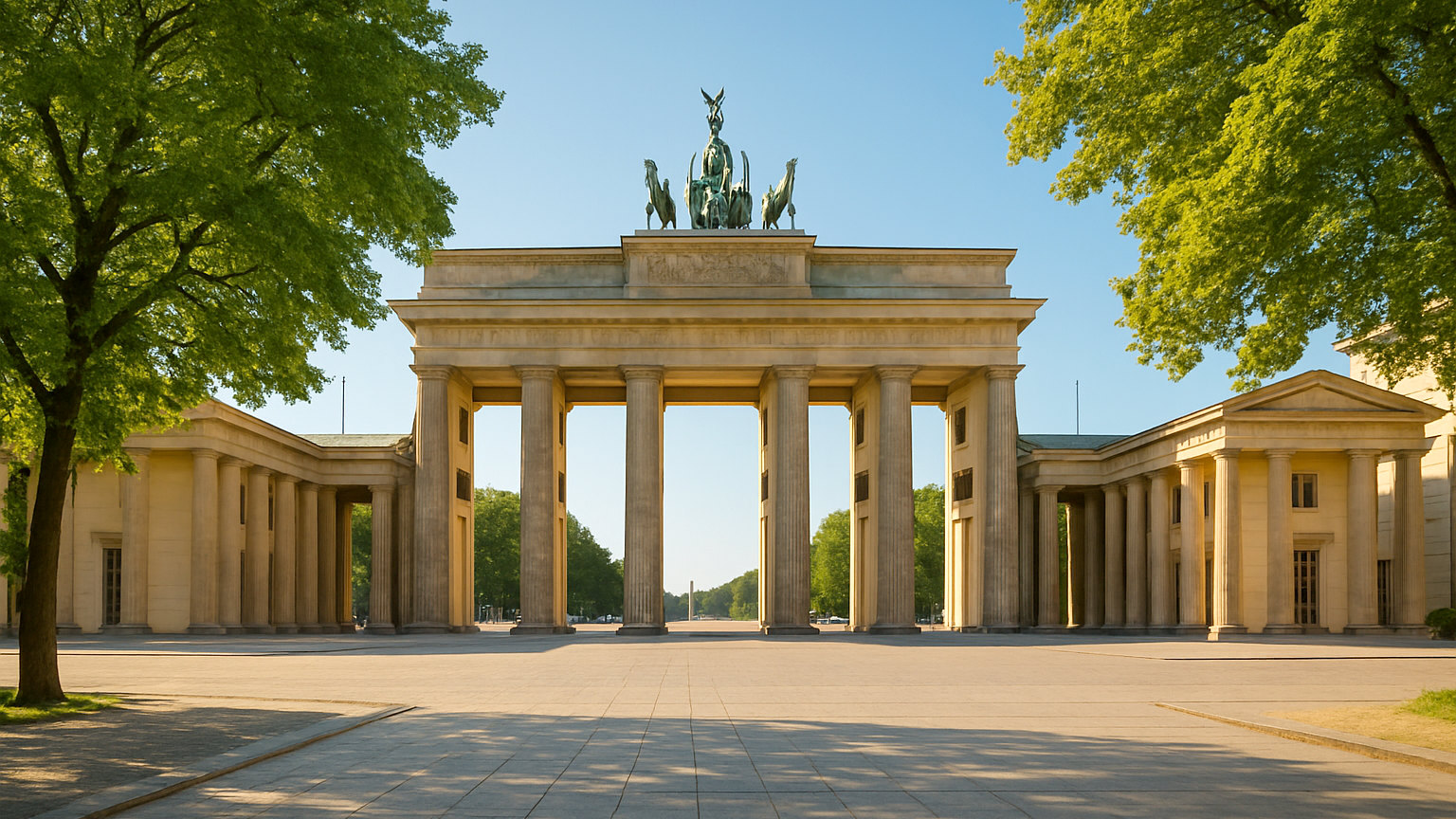
The best version of the city. Long daylight until after nine, beer gardens, swimming lakes within the city limits, open-air cinema and an outdoor culture that Berliners take seriously after a long winter.
Which lakes can you swim in?
Wannsee, Muggelsee, Schlachtensee and Krumme Lanke among many, all reachable on the city transport network. Public swimming in the lakes is free or very cheap and is a defining part of a Berlin summer.
How hot does it get?
Warm rather than extreme, usually in the twenties with occasional hot spells. Berlin is far enough north to avoid Mediterranean heat, which makes summer sightseeing comfortable.
What is winter like?
Grey, cold and dark, with short daylight and frequent overcast weather rather than picturesque snow. It is the least flattering season visually and the cheapest, and the indoor culture is excellent.
Is winter worth it?
For museums, galleries, music and nightlife, yes. Berlin has more museums than most cities can support and they are best visited when there is no reason to be outside. Prices are at their lowest in January and February.
What about Christmas markets?
Numerous and varied, from the large central ones to small neighbourhood markets, running through Advent. They are less famous than Nuremberg or Vienna and considerably less crowded.
What are the best months?
May to September. May and September give comfortable weather with fewer people, and June to August give the full outdoor city at the cost of higher prices and more visitors.
When is it cheapest?
January, February and November. Berlin is inexpensive relative to other western European capitals in any season, and these months are the lowest.
Is there a bad month?
November, which combines the grey and the cold without the Christmas markets or the summer outdoors. It is also the cheapest, which is the compensation.
Does the city empty in summer?
Less than Madrid or Paris. Berliners stay and use the city, which is part of why summer feels so alive there compared with capitals that close down in August.
What about the festivals?
The Berlinale film festival in February, the Karneval der Kulturen in spring and a dense summer programme of open-air events. The club scene runs year round and is largely indoors, so it is unaffected by season.
What should you know about the museums?
Museum Island holds five major collections and a combined ticket covers them, with several closed at times for long-running renovation. Check what is open before planning a day around a specific one.
How long do you need?
Three or four nights. Berlin is geographically large and the interest is spread across districts rather than concentrated in a centre, which makes it a city that rewards more time than a standard weekend.
Is it walkable?
In parts, and the distances between districts are considerable. The transport network is excellent and a day ticket covers everything.
When is the nightlife at its best?
Year round, since it is almost entirely indoors and runs to its own calendar rather than the seasons. Summer adds open-air venues and canal-side bars, and winter concentrates it into the clubs, which are unaffected by weather.
Is there a festival season?
Dense from May to September, with street festivals, open-air cinema and music across the parks.
What should you expect from the light?
Long summer evenings with light until after nine in June, and dark by four in December. Berlin is far enough north for the swing to shape the day, which is part of why the outdoor season feels so concentrated.
When Should You Visit Helsinki? is the natural next read, alongside the wider Seasons section.
The short answer
May to September, with the city fully outdoors in summer and the lakes reachable on public transport. Winter is grey, dark and the cheapest, and it suits the museums, galleries and nightlife. November is the weakest month and the cheapest.