Rome has a clear best season and a clear worst one. April, May and October combine warm weather with manageable crowds, and August brings extreme heat, peak visitor numbers and a city that partially closes down at the same time.
What are the best months?
Late April, May and October. Temperatures sit in the comfortable twenties, the evenings are warm enough to eat outside, daylight is long and the queues are shorter than in summer. October has the added advantage of lower accommodation rates.
Why avoid August?
Three reasons at once. Temperatures regularly exceed thirty-five degrees with no shade at the ancient sites. Visitor numbers peak. And many restaurants, shops and family businesses close for the Ferragosto holiday around the middle of the month, when Romans leave the city.
The combination means the worst conditions and the fewest good places open.
What about July?
Hot and busy but without the closures. If you must travel in summer, July is preferable to August, and starting at seven in the morning and resting through the afternoon is the only comfortable way to do it.
Is winter any good?
Considerably better than people expect. December to February is mild by northern European standards, the major sites can frequently be walked into without a queue, and hotel rates are at their lowest. Rain is the main drawback.
What about Easter?
Extremely busy. Rome fills for Holy Week and the papal events, accommodation prices rise sharply and the Vatican in particular is overwhelmed. Avoid it unless the religious calendar is why you are going.
What about the free Sundays?
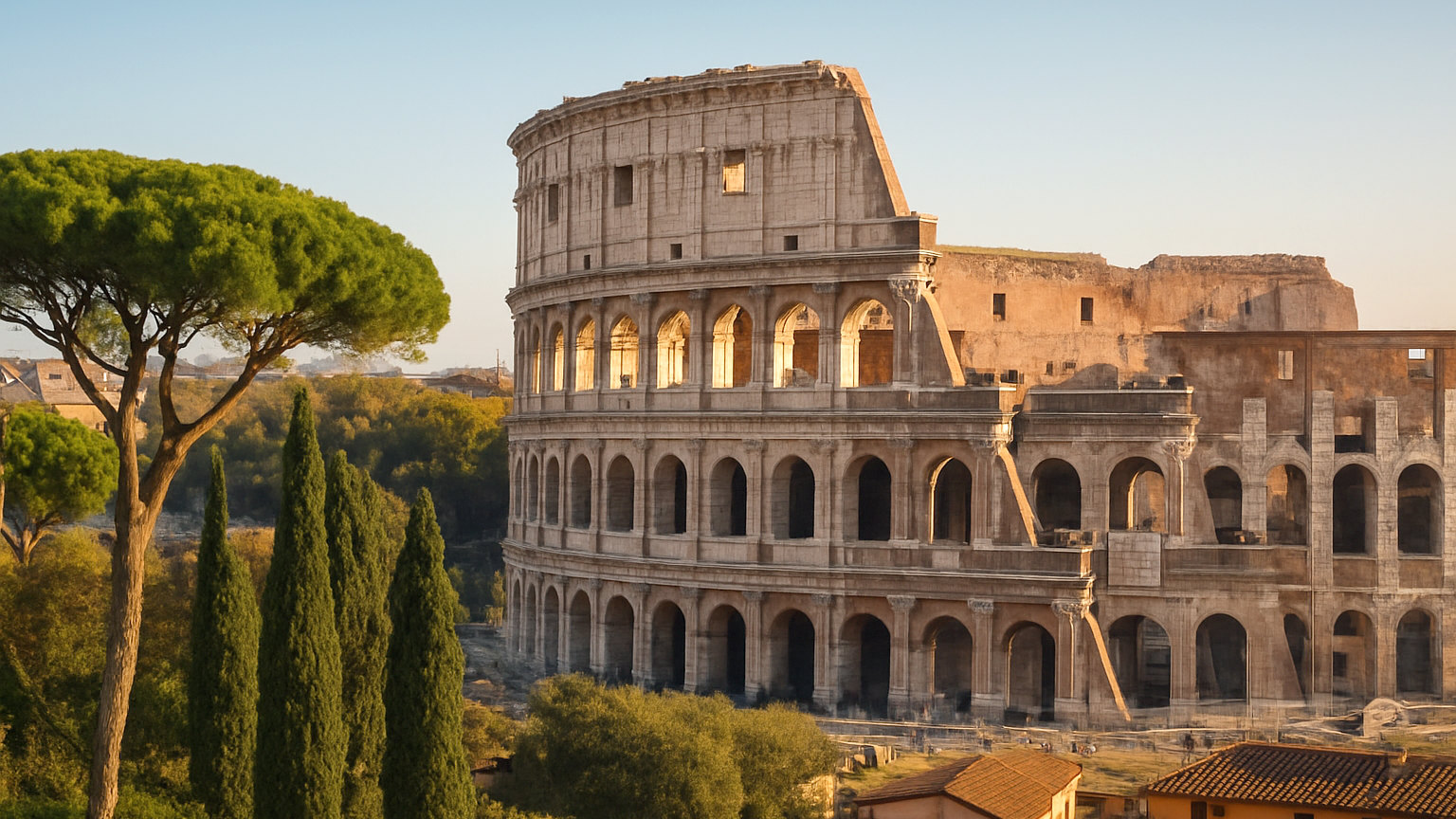
Many Italian state museums and sites are free on the first Sunday of the month, including the Colosseum and Forum. Entry is free and queues are long, so arrive before opening or treat it as a reason to visit smaller sites instead.
When is it cheapest?
January and February excluding any holiday period, and November. Accommodation falls substantially outside the spring and autumn peaks, and flights follow.
How does the daylight work?
Long summer evenings with light until after nine in June, and early darkness around half past four in December. The shoulder months give a good balance, with enough light for a full day and cool enough temperatures to use it.
What is open in winter?
Almost everything, with slightly reduced hours at some sites. The churches, which hold much of the best art in Rome and are free, are unaffected, and they are at their best when empty.
What should you do about the heat?
Start at opening, take the middle of the day indoors or resting, and go out again from five. This is what Romans do and it is the only sustainable pattern in July and August. The public drinking fountains across the city run constantly and are free.
Which month is best overall?
October, narrowly. The heat has gone, the light is good, the crowds have thinned from September and prices have started to fall, while everything remains open.
Does it rain much?
More than people expect in autumn and winter, with October and November the wettest months. Rain arrives in heavy spells rather than all day, and the churches and museums absorb it easily.
What about the crowds at specific sites?
The Vatican Museums, the Colosseum and the Trevi Fountain are the pressure points in any season. Booking timed entry and arriving at opening matters more than the month, though both together are the strongest combination.
What is the shoulder season really like?
Busy rather than quiet. April, May, September and October are the most popular months with independent travellers precisely because they are the best, so expect queues at the major sites and book accommodation well ahead.
When is the light best?
Late September and October, when the low sun on the ochre buildings is at its most flattering and the evenings are still warm enough to sit out.
What Is the Best Month to Visit Athens? answers a related question in more depth, and there is more of the same across our Seasons guides.
The short answer
April, May and October are the best months, with October narrowly the pick. Avoid August, which combines extreme heat, peak crowds and Ferragosto closures. Winter is mild, cheap and largely queue-free, and Easter is the busiest week of the year.