February shares January prices and adds the two biggest events in the European winter calendar. It also contains the half term week, which is the most expensive week of the ski season and the one time in the month that pricing behaves like summer.
What is on?
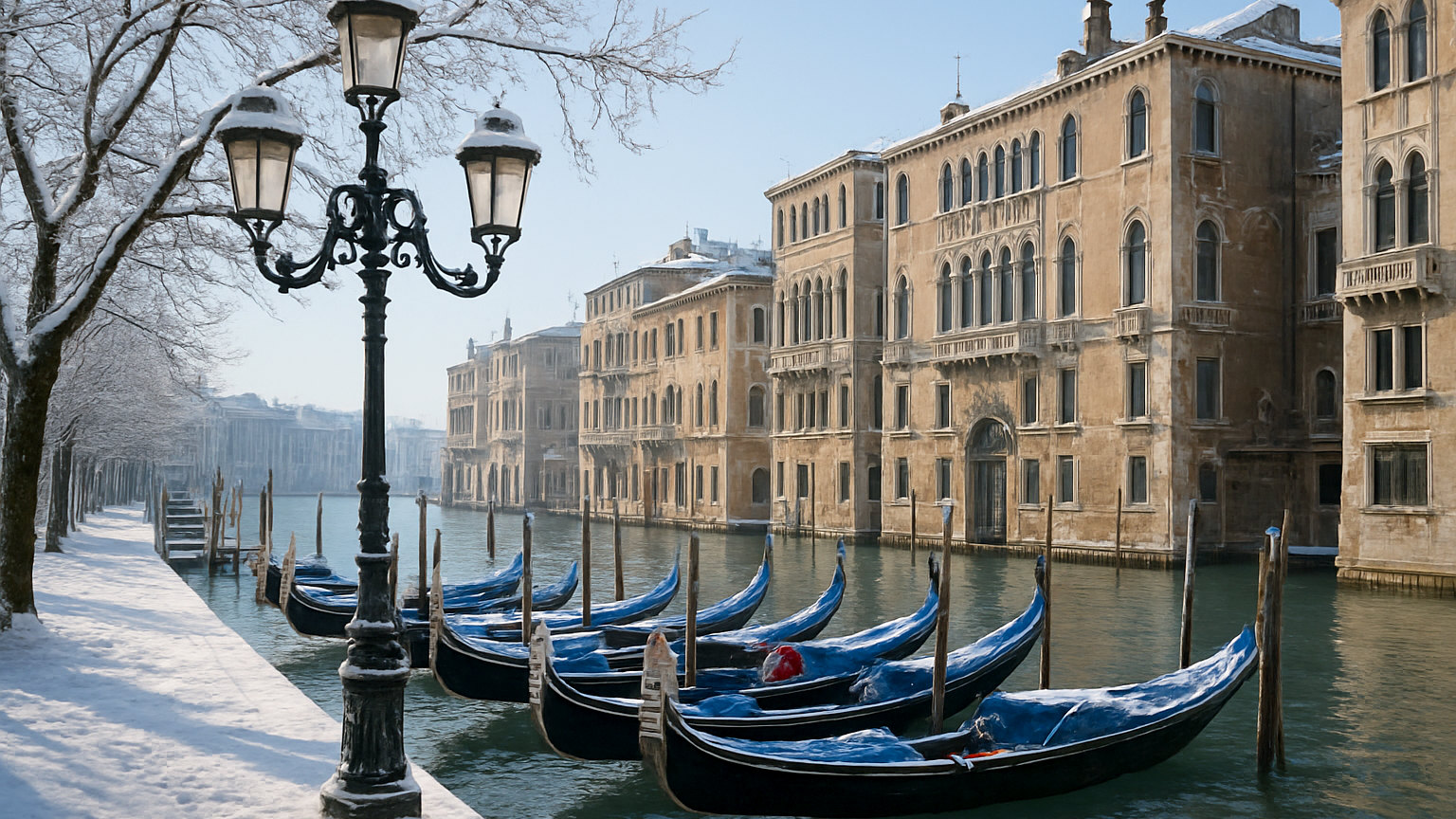
Carnival, which is enormous in several places and quite different in each. Venice is the most famous, with masks and costume across roughly two weeks before Lent. Cadiz runs the largest in mainland Spain, built around satirical singing groups rather than parades. Cologne, Nice, Patras and Maastricht all hold significant celebrations.
Dates move with Easter, so carnival can fall in February or early March depending on the year.
Where is warm?
The Canaries, as in every winter month, at around twenty to twenty-one degrees. Madeira and southern Cyprus are mild. Southern Spain and Sicily sit in the mid-teens, which suits walking and sightseeing rather than a beach.
What about the almond blossom?
A genuine and underused draw. Mallorca, Sicily, the Algarve and parts of mainland Spain and Greece flower from late January into February, and the combination of blossom, empty roads and low prices makes it one of the better months for a quiet rural week in the south.
Which cities work?
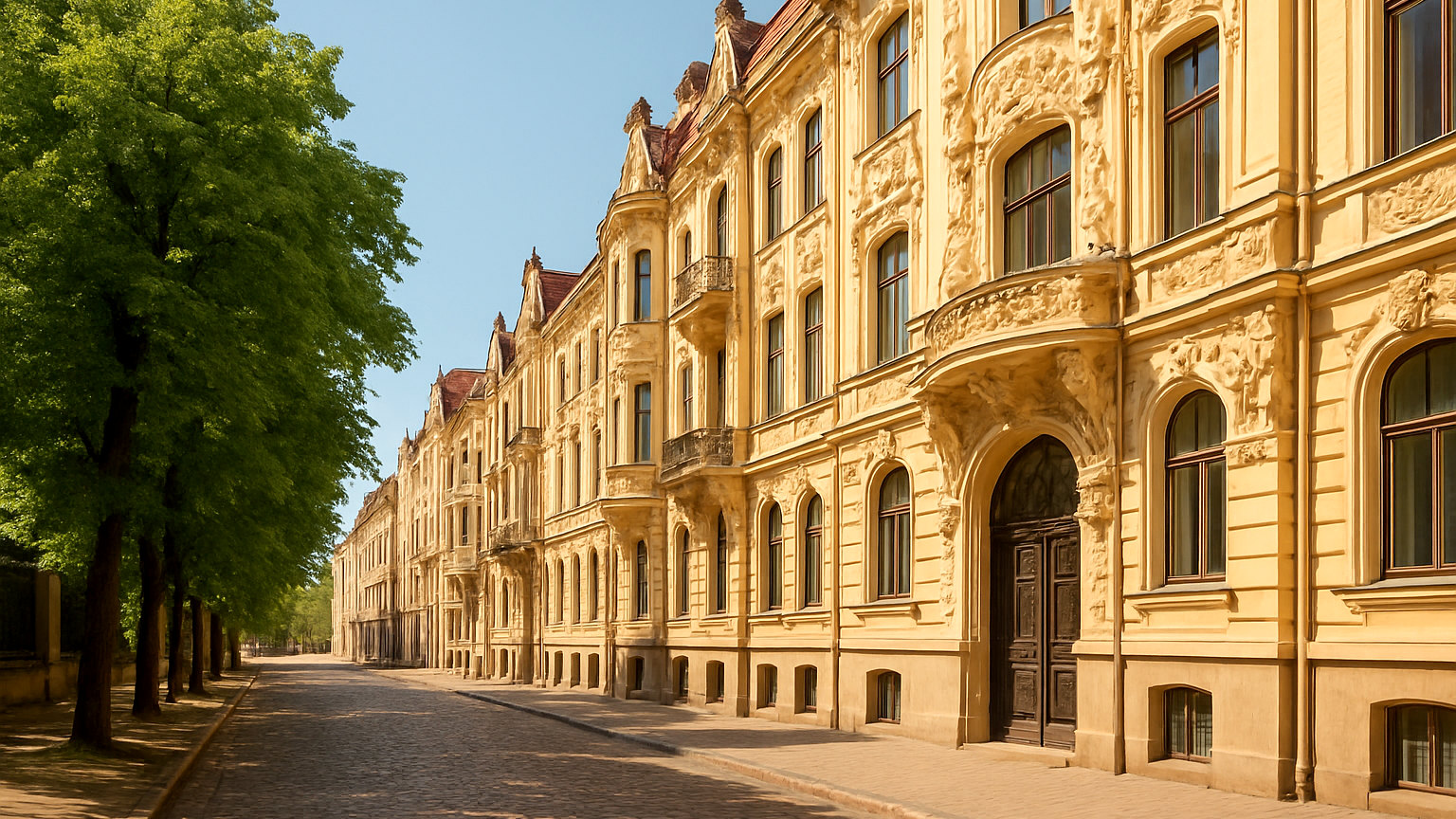
The same as January, with Vienna at its peak during the ball season. Budapest for the thermal baths. Seville, Rome and Lisbon for mild weather and empty museums. February is the single cheapest month for a city break in most of Europe.
What happens at half term?
Ski prices rise sharply for one week, typically mid-February, as British, French and Dutch school holidays overlap. Alpine accommodation can double and the slopes are at their busiest. Travelling the week before or after produces almost identical conditions at a fraction of the price.
The Canaries also peak at half term, though less dramatically.
Is the skiing good?
February usually has the most reliable snow of the season across the Alps, with a deep base and cold temperatures. It is the best month for conditions and the worst for crowds and pricing, which is the trade. Bulgaria, Slovakia and Andorra offer the same month at considerably lower cost.
What is closed?
Coastal resorts and small islands across the Mediterranean remain shut, as in January. Some cities have museums closed for maintenance. The situation improves noticeably from late February in Spain and Portugal.
What is the weather like?
Cold across the north and centre, mild in the south. Vienna and Prague sit around freezing, Rome and Seville in the low teens, and the Canaries in the low twenties. Rainfall is moderate, and February is often drier and brighter than November or December across the Mediterranean.
Is it a good month for the mountains?
The best of the season for conditions and the most expensive for one week of it. Beyond skiing, February suits snowshoeing, winter walking and thermal spas, all of which are quieter and cheaper than the pistes.
What about Valentine weekend?
The one short spike in an otherwise cheap month. Hotels in the cities most associated with it, principally Paris, Venice and Verona, raise prices for the weekend of the fourteenth. Travelling a week either side produces the same city for considerably less.
How long are the days?
Noticeably longer than January, gaining around two hours across the month, which makes a real difference to how much a city break covers.
Is it worth going to the coast?
Only in the Canaries, and otherwise for the landscape rather than the sea. The Algarve, the Costa de la Luz and the Italian lakes are mild, empty and photogenic in February, with a sea at its annual coldest and a great many restaurants shut. As a walking and photography trip it works; as a beach holiday it does not.
It is worth reading alongside Where to Go in Europe in March, which takes a different angle, and the wider Seasons guides.
The short answer
Go for carnival in Venice or Cadiz, the Canaries for warmth, or a city break at the cheapest prices of the year. If you ski, travel either side of half term rather than in it, and consider Bulgaria or Slovakia for the same snow at half the cost.