October is the most divided month in the European calendar. The first fortnight across the Mediterranean is effectively an extension of September, with warm sea and comfortable air. The second is the start of winter almost everywhere except a handful of destinations, and the difference between the two halves is larger than between most adjacent months.
Where is still warm?
The Canary Islands, reliably, at around twenty-three degrees in the water all month. Cyprus, Malta and southern Turkey hold twenty-four or twenty-five for the first three weeks. Crete, Rhodes and the southern Spanish coast are comfortable until around the twentieth.
What closes?
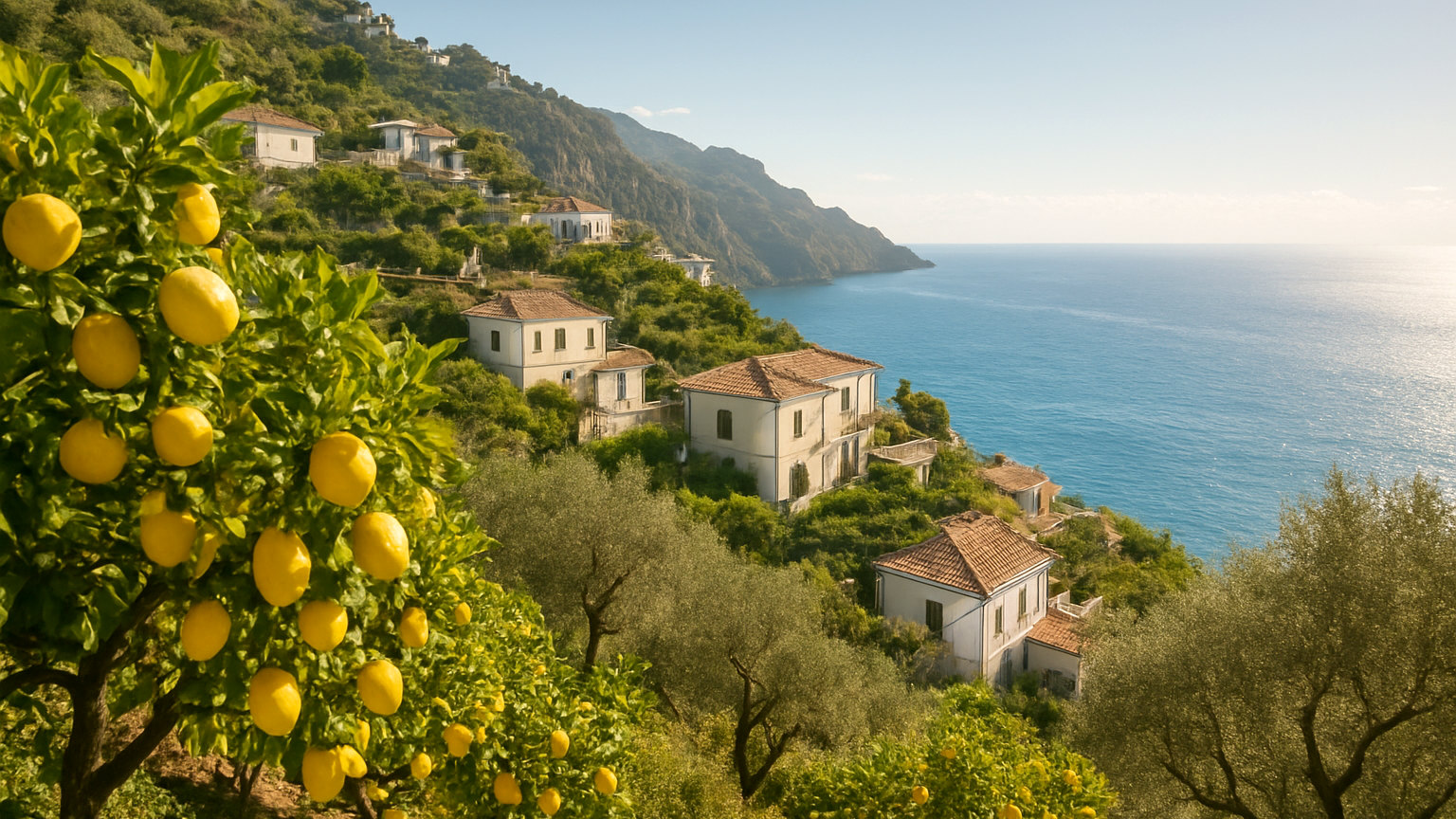
Smaller Greek islands, where ferries reduce and hotels shut from mid-month. Parts of the Croatian coast and its islands. Many Italian coastal towns and much of the Amalfi Coast. Mountain lifts and huts across the Alps. Large islands such as Crete, Rhodes, Mallorca and the Canaries keep trading.
What is October best for?
Southern European cities, which are at their finest. Rome, Seville, Athens, Lisbon and Barcelona are all in the low twenties, warm enough to be outside all day and cool enough to walk for hours, with the summer crowds gone and prices down.
Also the wine harvest, which continues into October in the Douro, Piedmont and the later regions, and autumn colour in the mountains and the forests of central Europe.
What is the rain risk?
Real and worth planning around. October is when the Mediterranean autumn begins, arriving as short heavy storms rather than grey drizzle. Spain, Italy and Greece all see a meaningful jump in rainfall from September. The Canaries remain dry.
What about half term?
The best beach option in the school calendar after the summer, falling in the second half of the month. That timing pushes the Canaries, Cyprus and Malta forward as the reliable choices, since much of the Mediterranean is marginal by then. Prices rise for that week, though nothing like August.
What else changes?
The clocks go back in late October across Europe, which removes an hour of evening light and changes how a destination feels more than a couple of degrees does. Trips in the last week feel noticeably more autumnal than those a fortnight earlier.
Is it good value?
Among the best of the year. Accommodation across the Mediterranean falls to half the August rate by mid-month, and flights drop sharply outside half term. The first fortnight combines low prices with genuinely good conditions.
What should you check?
When your accommodation closes for the season, and whether the pool is heated. An unheated pool in late October is decorative rather than usable even where the sea is still warm.
What about the mountains?
Between seasons. Summer lifts and huts across the Alps and Dolomites close from mid to late September, and the ski season has not started. The valleys are beautiful with autumn colour and much of the high ground is inaccessible, so October suits lower walking and driving routes rather than serious mountain days.
Who does October suit?
City travellers above all, since southern Europe is at its most comfortable. Also anyone wanting a late beach week without August prices, provided they choose the Canaries, Cyprus or Malta. It suits small islands and mountain trips least.
What is on?
The Oktoberfest finishes in the first week of October despite the name. Wine harvest festivals continue across the later regions. Several Mediterranean towns hold end-of-season festivals as the tourist year closes.
Is it good for families?
For the October half term, yes, and it is the best beach week in the school calendar after the summer. The reliable choices are the Canaries, Cyprus and Malta, since much of the Mediterranean is marginal by the second half of the month. Book the half term week early, as it is the one autumn spike.
If you are planning further, Where to Go in Europe in November covers the next part of the decision, and there is more in our Seasons guides.
The short answer
Take Cyprus, Malta or southern Turkey for the first three weeks, the Canaries for certainty at any point, and southern European cities for the best walking weather of the year. Avoid small Greek and Croatian islands after the middle of the month.