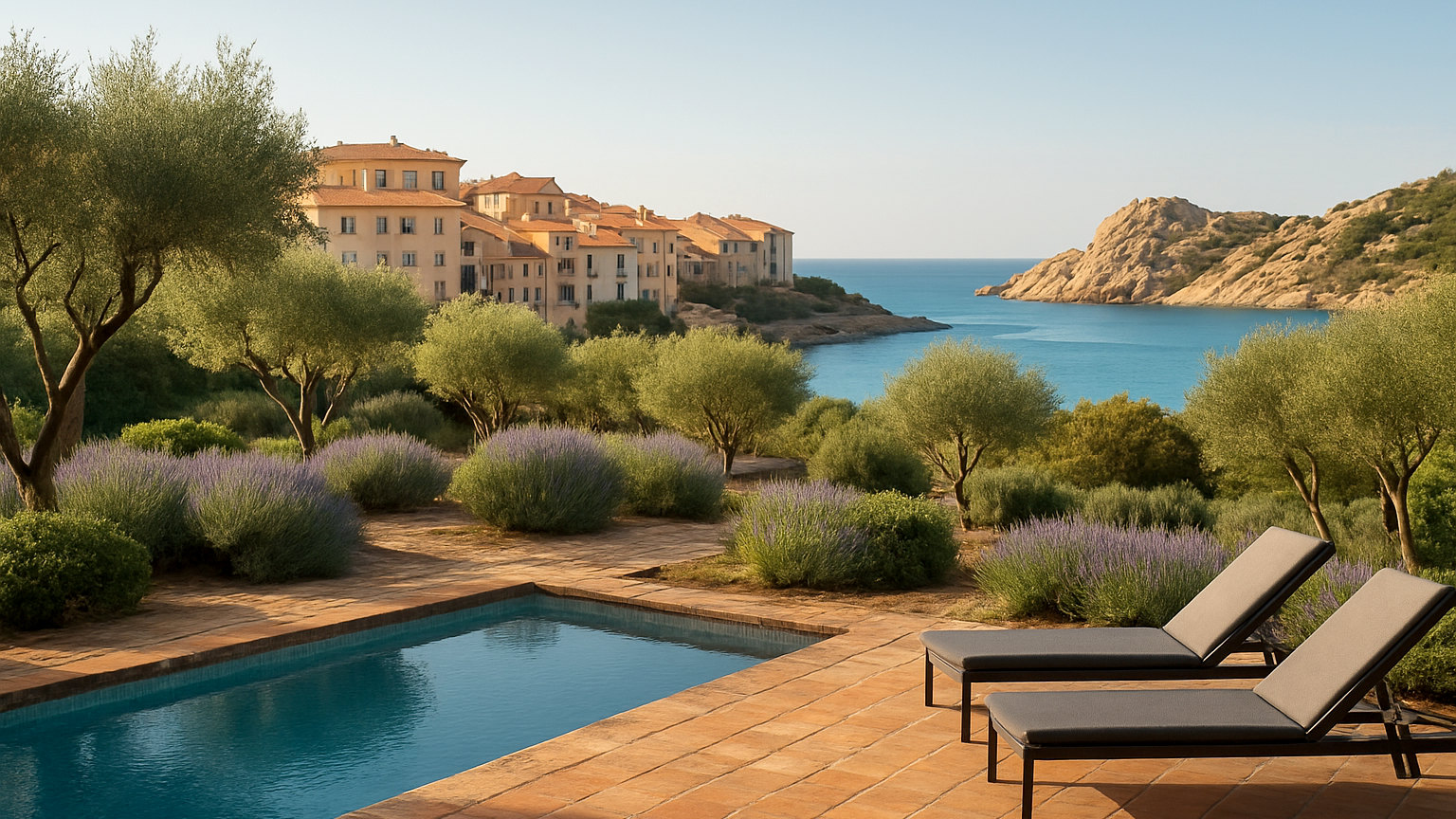
The commonest shoulder-season mistake is booking on the weather forecast alone. A destination can be perfectly warm in late October and have three restaurants open, a reduced ferry and a closed hotel pool, which is a different holiday from the one in the photographs.
What is the general pattern?
Mediterranean coastal resorts run roughly from Easter or early April to late October, with the shoulder ends operating at reduced capacity. Larger islands and mainland resorts open earlier and close later than small islands. The Canaries run year round.
Which destinations have the longest seasons?
The Canaries, which never close. Cyprus and Malta, which run from roughly March to November. Southern Turkey and the larger Greek islands, April to late October. Mainland Spain and the Balearics, April to October with the Canaries as the winter alternative.
Which have the shortest?
Small Greek islands, several of which operate only from June to September. Croatian islands, which wind down from early October. The Bulgarian Black Sea coast, effectively June to early September. Small Italian coastal towns and much of the Amalfi Coast, which reduce sharply from November.
What about the mountains?
Two seasons with two gaps. Summer lifts and mountain huts in the Alps and Dolomites generally run from mid-June to mid or late September. Ski lifts run from December to April depending on altitude. April, May, October and November are the closed periods when many valleys have very little operating.
Checking specific lift opening dates before planning a walking route matters, since a closed lift can turn a pleasant descent into a very long one.
What about ferries?
The thing most likely to catch out an out-of-season trip. Greek island services reduce sharply from October and some routes stop entirely. Croatian catamarans run reduced winter timetables. Italian island services thin. Always check the actual timetable for your dates rather than assuming a route exists.
How do you find out what is open?
Email the accommodation directly and ask which restaurants, pools and facilities will be operating in your specific week, which is the only reliable method. Reviews from the same month in previous years are the second best source. Tourist office websites often publish seasonal opening information.
What should you ask specifically?
Whether the hotel pool is heated and open. How many restaurants and bars will be running. Whether the beach has sunbed hire in that month. Whether the local bus or ferry is on a summer or winter timetable. And when the hotel itself closes, since some take bookings up to a date and the resort around them shuts earlier.
Is it worth travelling anyway?
Often, provided you know what you are getting. A quiet resort in late October with a handful of places open is genuinely pleasant for walking and eating, and very cheap. It is only a problem when it is a surprise.
What about restaurants and shops?
They follow the accommodation rather than the calendar. In a resort where half the hotels have closed, the restaurants that remain open are those with enough year-round local trade, which in a purpose-built resort may be none. Towns with a resident population stay functional; resorts built purely for visitors do not.
Does it affect prices?
Yes, and in both directions. Shoulder-season rates are low because capacity exceeds demand. Right at the end of a season, the few places still open sometimes raise prices because they have no competition, which is the opposite of what people expect.
When is the safest shoulder week?
Late May and the second half of September, both of which fall well inside the season almost everywhere while being outside the peak. Early May and late October are the genuinely risky edges.
Which Months Are Cheapest to Travel in Europe? answers a related question in more depth, and there is more of the same across our Seasons guides.
The short answer
Mediterranean resorts run April to October, small islands June to September, mountain lifts mid-June to September and December to April. Email the accommodation to ask what is open in your week, check the actual ferry timetable, and ask whether the pool is heated.