Spring is the densest season for major European events after the summer, and several of them transform their cities completely. Knowing which weeks they fall on matters both for attending and for avoiding, since a city hosting one is a different place that week.
What is Las Fallas?
Valencia in mid-March, and among the most extraordinary events in Europe. Enormous satirical sculptures are built across the city over months and then burned in the streets on the final night, accompanied by daily firework displays that are genuinely deafening. It runs to the nineteenth of March each year.
Accommodation books out months ahead and prices multiply.
What about Semana Santa?
Holy Week across Spain, and in Seville and Malaga it is a major spectacle, with brotherhoods carrying elaborate floats through the streets over several days and nights. Solemn rather than festive, and it fills both cities entirely. The date moves with Easter.
And the Feria de Abril?
Seville again, usually a fortnight after Easter and therefore sometimes in May. A week of flamenco, horses, sherry and marquees, and the complete opposite in mood to Semana Santa a fortnight earlier. Between the two, Seville has perhaps three weeks a year when it is not full.
What is King Day?
The twenty-seventh of April in the Netherlands, when the entire country dresses in orange, Amsterdam canals fill with boats and the streets become a national street market. It is enormous fun and every hotel in the country is booked and priced accordingly.
What else is on?
Orthodox Easter across Greece, the Balkans and eastern Europe, usually on a different date from the western one. Saint Patrick day in Dublin on the seventeenth of March. Carnival in years when Easter falls late. The Palio delle Contrade and various Italian spring festivals.
Are there quieter alternatives?
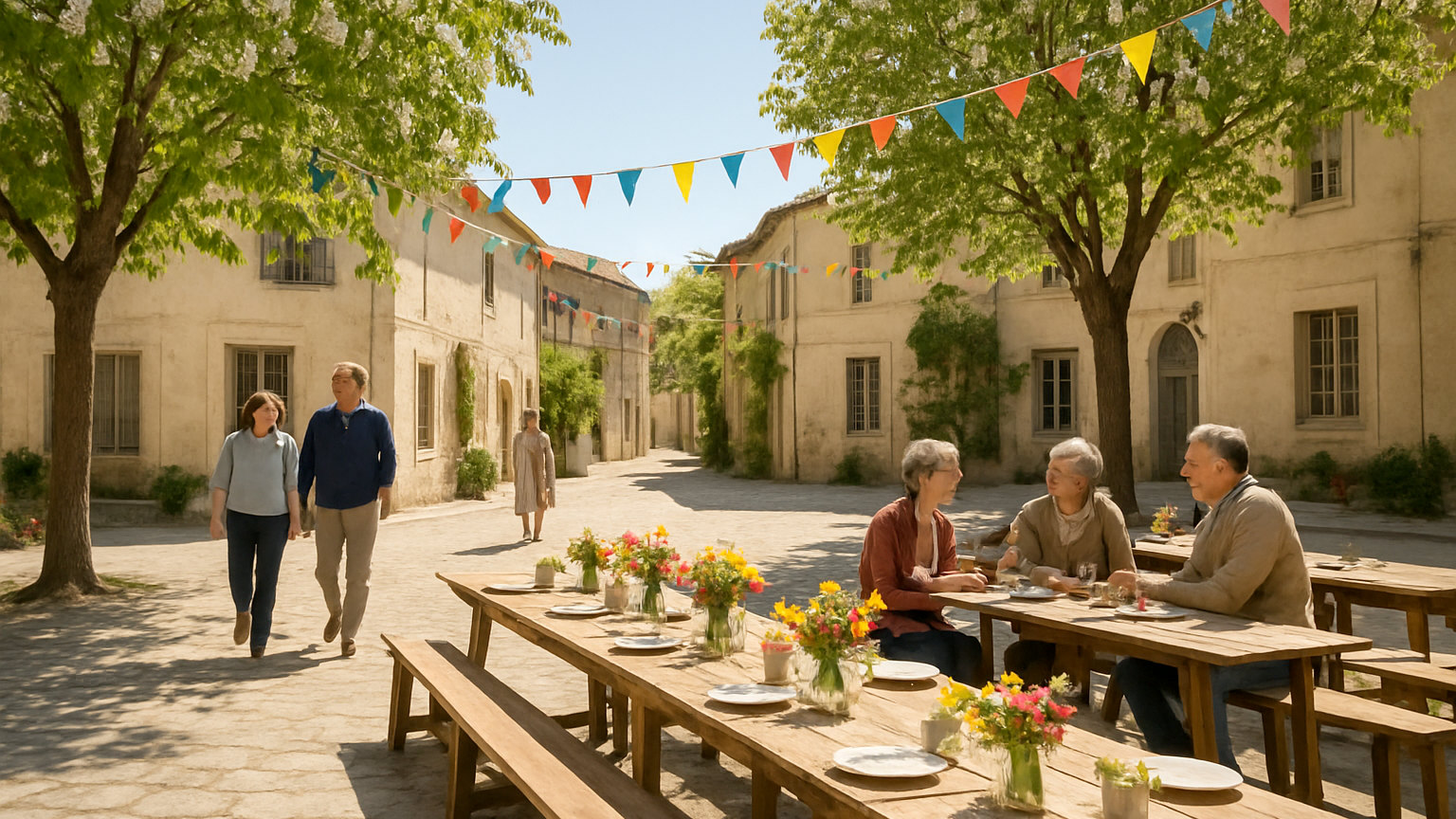
A great many. Almost every Spanish, Italian and Greek town holds a spring festival, usually tied to a patron saint or to the agricultural calendar, and almost none are publicised internationally. Asking locally what is on that week frequently produces something better than travelling for the famous one.
What should you book?
Accommodation first and months ahead, since that is the binding constraint rather than tickets. Most of these events are free to watch. Transport into the city on the day is often disrupted, so arriving the day before is easier.
Which should you avoid unless attending?
Valencia during Las Fallas, where normal sightseeing is impossible and the noise is continuous. Seville during either of its two weeks. Amsterdam on King Day. Dublin around Saint Patrick day. All are excellent if you are going for them and difficult otherwise.
How do you find the dates?
National and regional tourist board websites publish event calendars. Several of these dates move with Easter, so checking for the specific year rather than assuming is necessary.
Are they suitable for families?
Mostly, with caveats. Las Fallas is very loud and the fireworks are not gentle. Semana Santa involves long crowded waits. King Day is crowded and cheerful. Village festivals are generally the easiest with children.
What about the flower seasons?
Not festivals exactly, and they function the same way. The Keukenhof gardens and the Dutch bulb fields draw very large numbers from late March to mid-May, and the Girona flower festival in May fills the city. Accommodation in the bulb region rises sharply for the season.
What should you expect at a Spanish festival?
Late hours, enormous crowds and noise, and a city operating on an entirely different timetable. Restaurants and shops keep unusual hours, transport is diverted and the main events often run past midnight. Sleep is the thing most visitors underestimate.
See also Which Spring Destinations Suit Families?, which covers a related part of the same decision, and our other Seasons guides.
The short answer
Las Fallas in Valencia in March, Semana Santa in Seville, and King Day in Amsterdam in April are the three worth travelling for. All fill their cities entirely, so book months ahead, and check the dates for your specific year since several move with Easter.