Spring and autumn look interchangeable on a temperature chart and are not. April and October can show the same average high in the same resort and deliver entirely different holidays, because four other variables move in opposite directions.
Which has the warmer sea?
Autumn, by a wide margin, and this is the single biggest difference. The Mediterranean in October is around twenty-three degrees and in April around seventeen. That is the difference between swimming and not swimming, and it decides the question for any beach holiday.
Which has better weather?
Autumn in the Mediterranean, which is more settled and fails in a recognisable pattern of brief heavy storms. Spring is genuinely more variable, with April among the wettest months in Italy, France and the Alps and longer unsettled spells.
Which has more daylight?
Spring, and it lengthens rather than shortens. Late April and May have light until eight or nine, and the clocks go forward in March. October loses light rapidly and the clocks go back at the end of the month. This changes how much fits into a day more than people expect.
Which looks better?
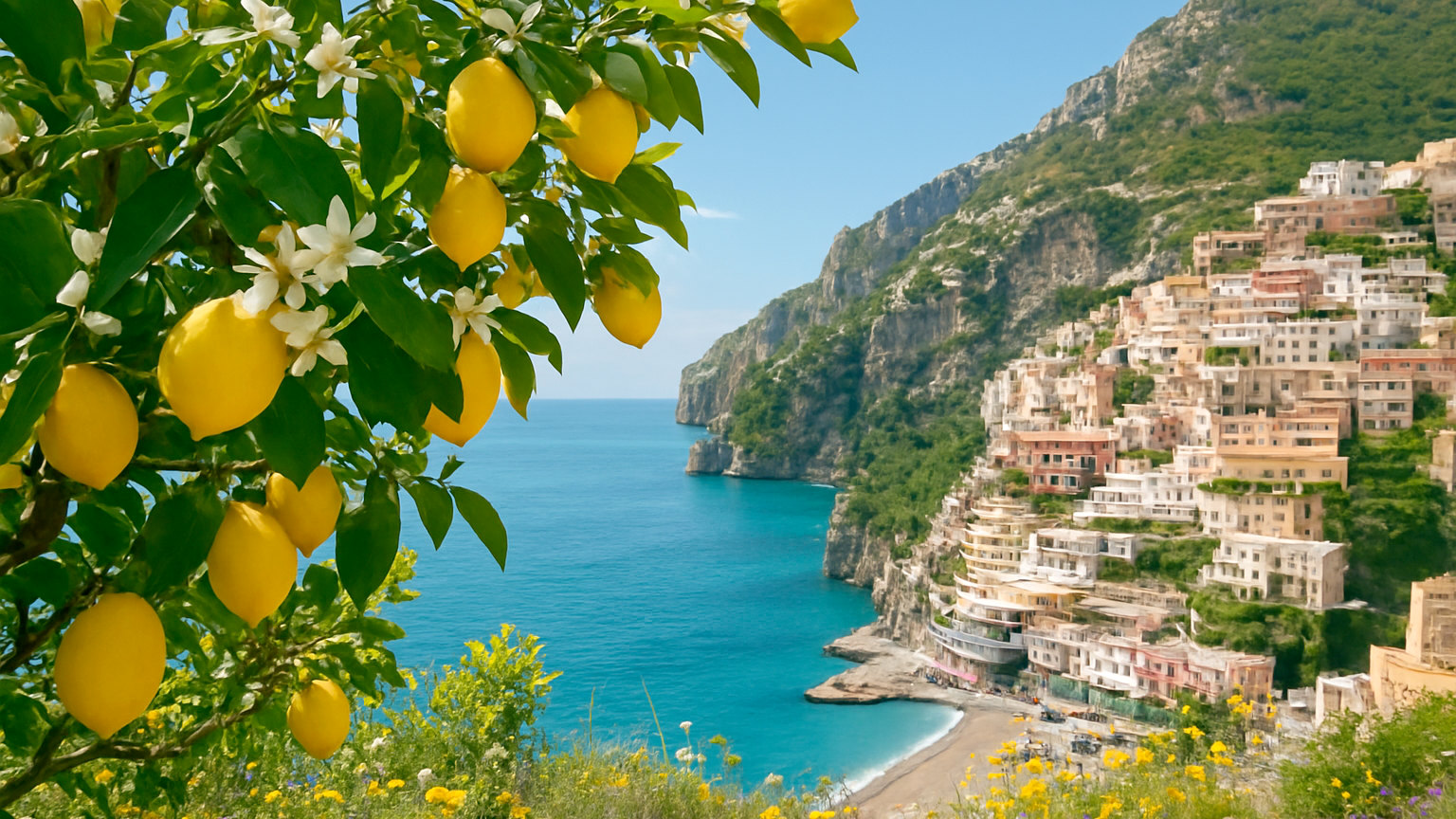
Spring, for most of Europe. Mediterranean hillsides are green and flowering in April and burnt brown by October. Rivers and waterfalls are full. Against that, autumn has the larch and beech colour in the mountains and the vineyards, which spring cannot match.
Which is cheaper?
Broadly similar, with different spikes. Spring is distorted by Easter and the May bank holidays; autumn by the October half term. March and November are the cheapest months of each, and both are cheap for the same reason, which is that much is closed.
What is open in each?
Autumn is better at the start and worse at the end; spring the reverse. September has everything open, October closes progressively. March has much still closed, May has everything open. For a trip depending on infrastructure, September and May are the safe months.
What about the mountains?
Autumn wins clearly. High routes, huts and lifts run until mid or late September, while spring has them closed until mid-June. April and May are the weakest mountain months of the year.
Which suits walking better?
Spring in the Mediterranean for wildflowers, green landscapes and full streams. Autumn for settled weather and mountain access. Both are far better than summer, and the choice comes down to flowers against reliability.
Which for cities?
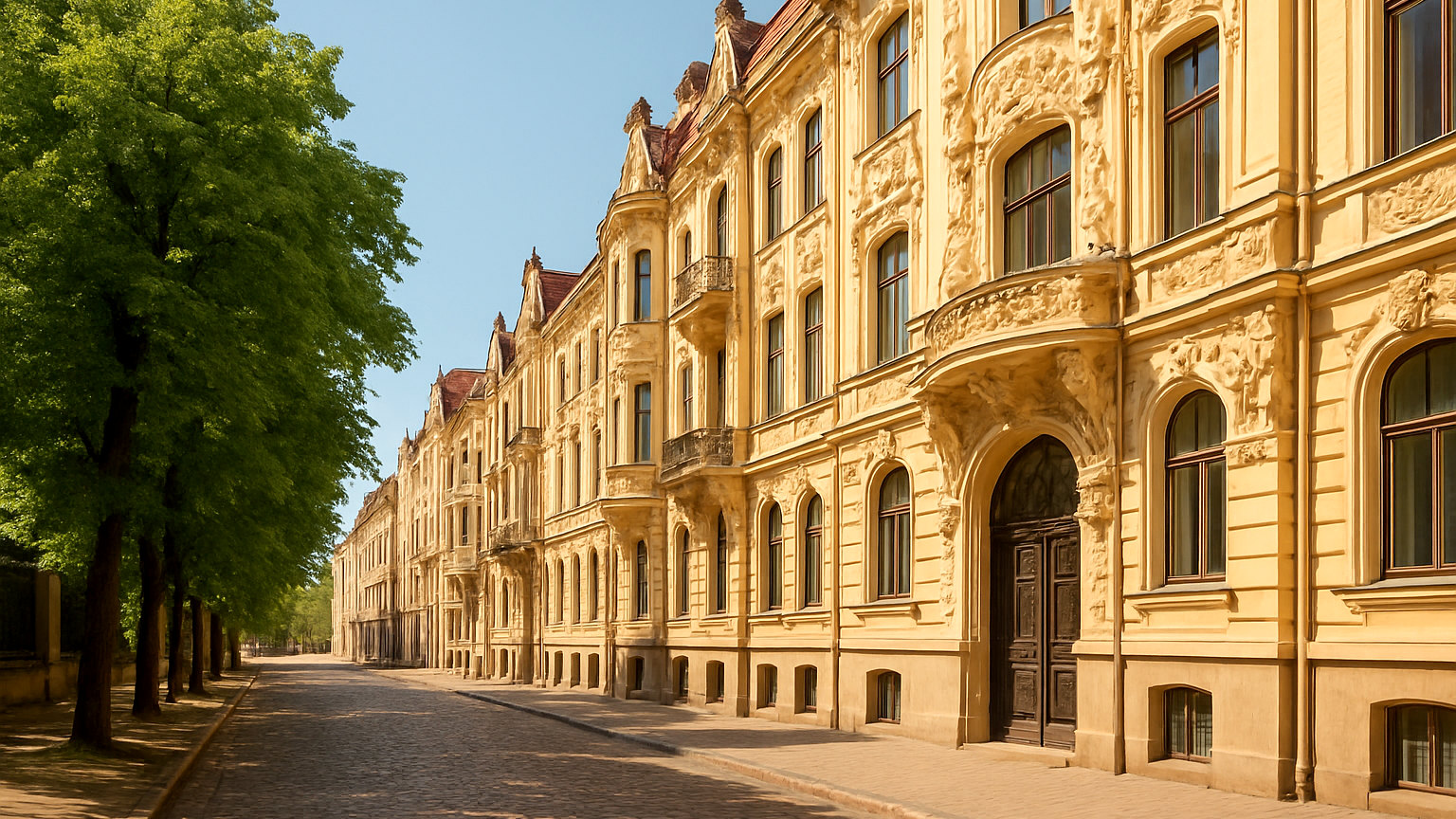
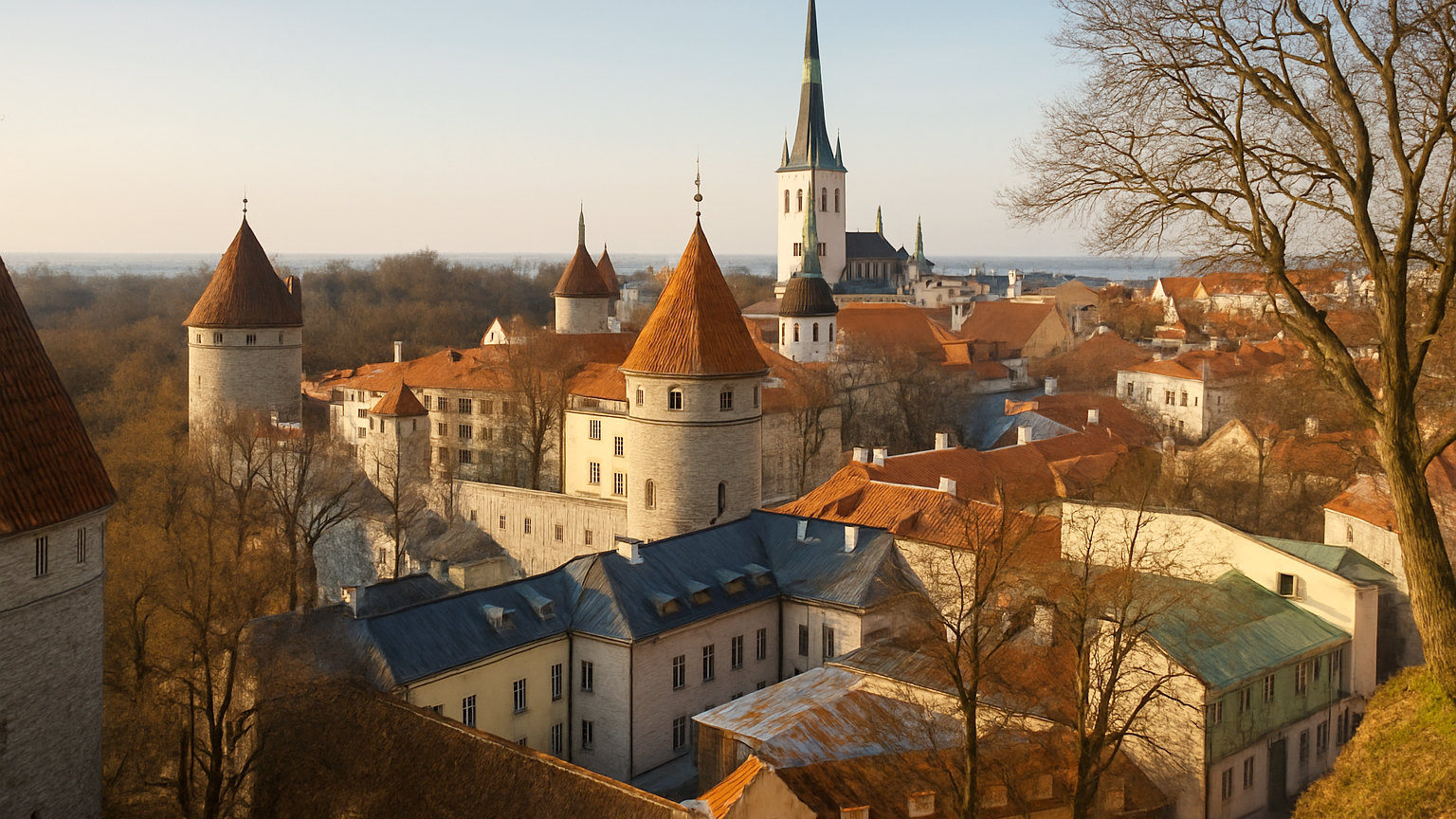
Close, with spring slightly ahead in the north because the outdoor life returns, and autumn slightly ahead in the south because the heat has broken. Both beat summer comfortably.
So which should you choose?
Autumn if the trip involves swimming, the mountains or a need for reliable weather. Spring if it involves walking, wildflowers, gardens or long evenings. September is the single best month of the year, and May is the best if you do not need the sea.
Which has fewer crowds?
Autumn from mid-September, decisively. Spring builds towards the summer peak with a sharp spike at Easter, while autumn empties steadily after the first week of September. For quiet specifically, late September and October beat anything in spring.
Does it depend on the destination?
Substantially. For Greece, Turkey and the islands, autumn wins on sea and reliability. For Crete, Cyprus and Sicily as walking destinations, spring wins on flowers. For the Alps, autumn. For the Netherlands, spring. The general rule matters less than the specific trip.
Which is better for value?
Autumn, marginally, because prices fall through it while spring prices rise. A late September booking benefits from a falling market and a late April one from a rising one, which shows up most clearly in late availability.
Is Spring a Good Time to Travel in Europe? is the natural next read, alongside the wider Seasons section.
The short answer
Autumn has the warm sea, settled weather and open mountains; spring has the green landscapes, wildflowers and lengthening days. Take September for a beach holiday and May for everything else, and avoid April in the Alps and March anywhere coastal.