The default assumption that a European summer holiday means going south is worth examining. Northern Europe, the Atlantic coasts and the mountains are all at their annual best in July and August, at temperatures most people find genuinely comfortable, and they are considerably less crowded than the Mediterranean.
Which countries stay cool?
Norway, Sweden, Finland, Denmark, Estonia, Latvia, Lithuania, Ireland and Scotland, all of which sit between about eighteen and twenty-four degrees in high summer with long light evenings. The Netherlands and northern Germany are similar, occasionally warmer.
What about the mountains?
The most reliable answer, since altitude does the work. The Alps, Dolomites, Pyrenees, Tatras and Julian Alps all sit in the low twenties in valley resorts in August and cooler again at height. Temperature falls by roughly six degrees per thousand metres, so a lift station is meaningfully cooler than the valley floor.
Which coasts are cooler?
The Atlantic ones. The Portuguese west coast, the Costa de la Luz, the French Atlantic from Biarritz north, Brittany, Normandy and the northern Spanish coast are all several degrees cooler than the Mediterranean at the same latitude, with a steady onshore breeze.
The trade is cold water, typically seventeen to twenty degrees, and wind.
Is the Baltic worth considering?
For a certain kind of trip, yes. The Polish, Lithuanian and Latvian coasts have enormous sandy beaches backed by dunes and pine, they are never crowded, and prices are low. August is the only month the water is usable, at around twenty degrees, and even then it is brisk.
What about cities?
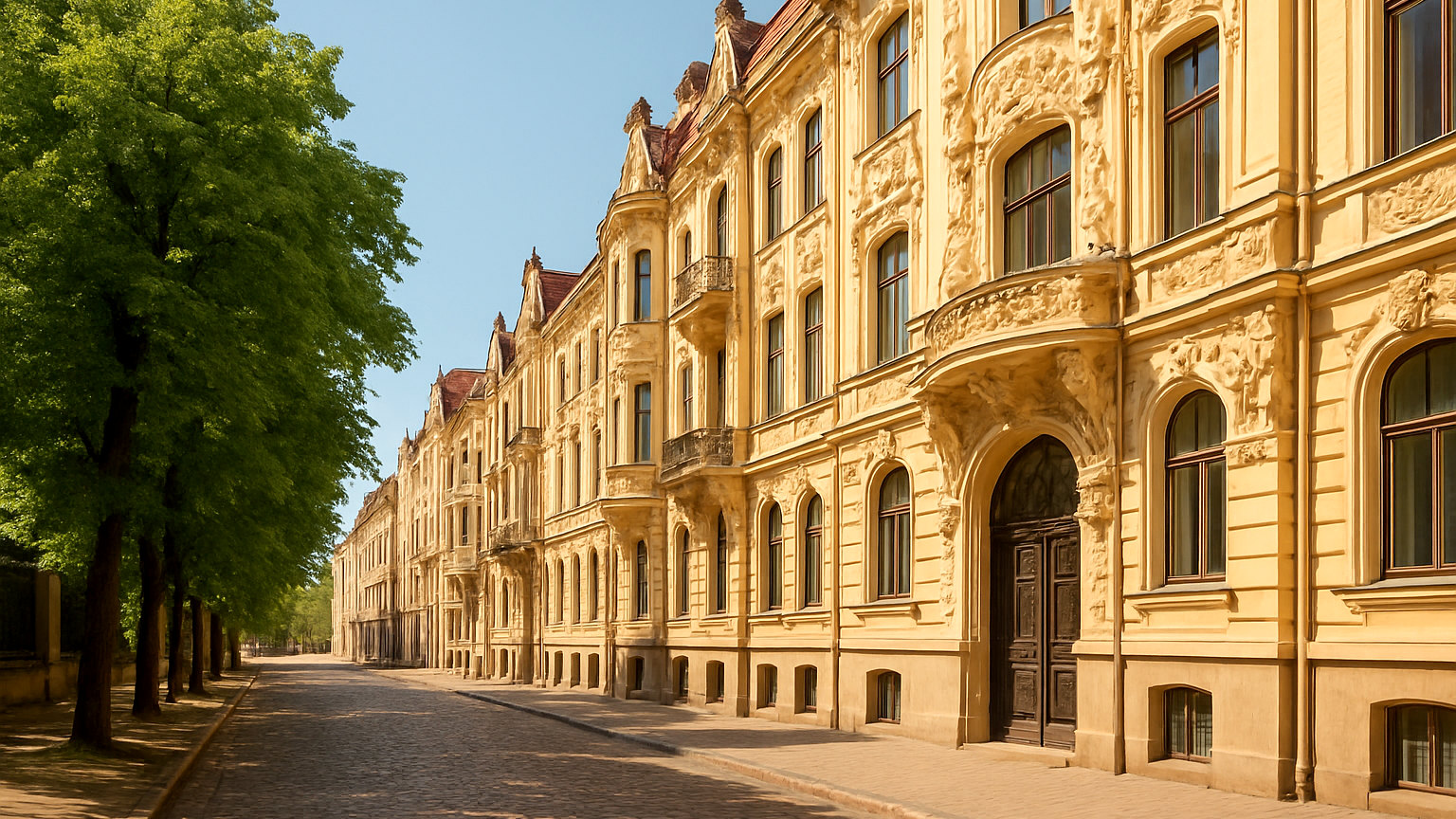
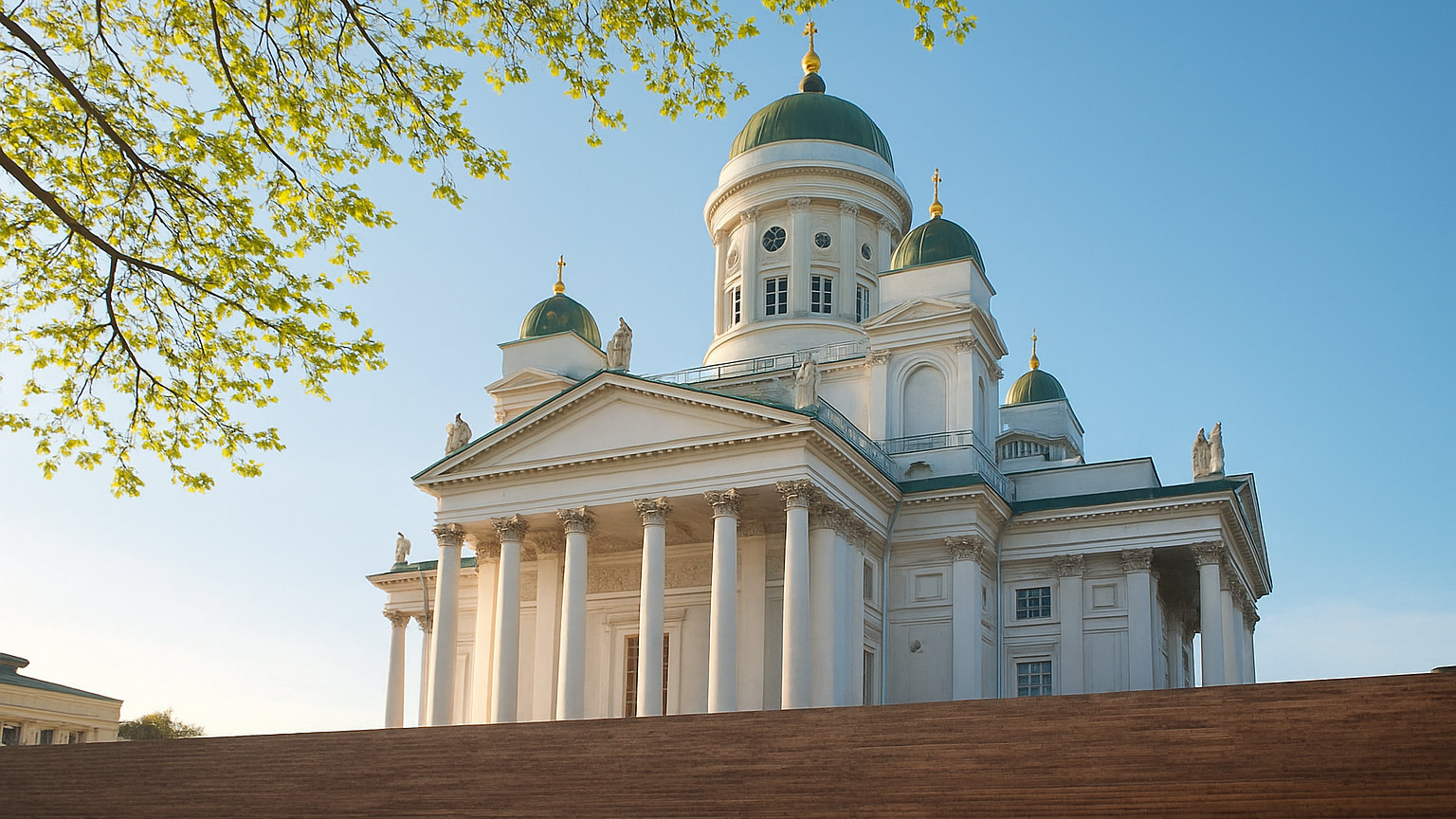
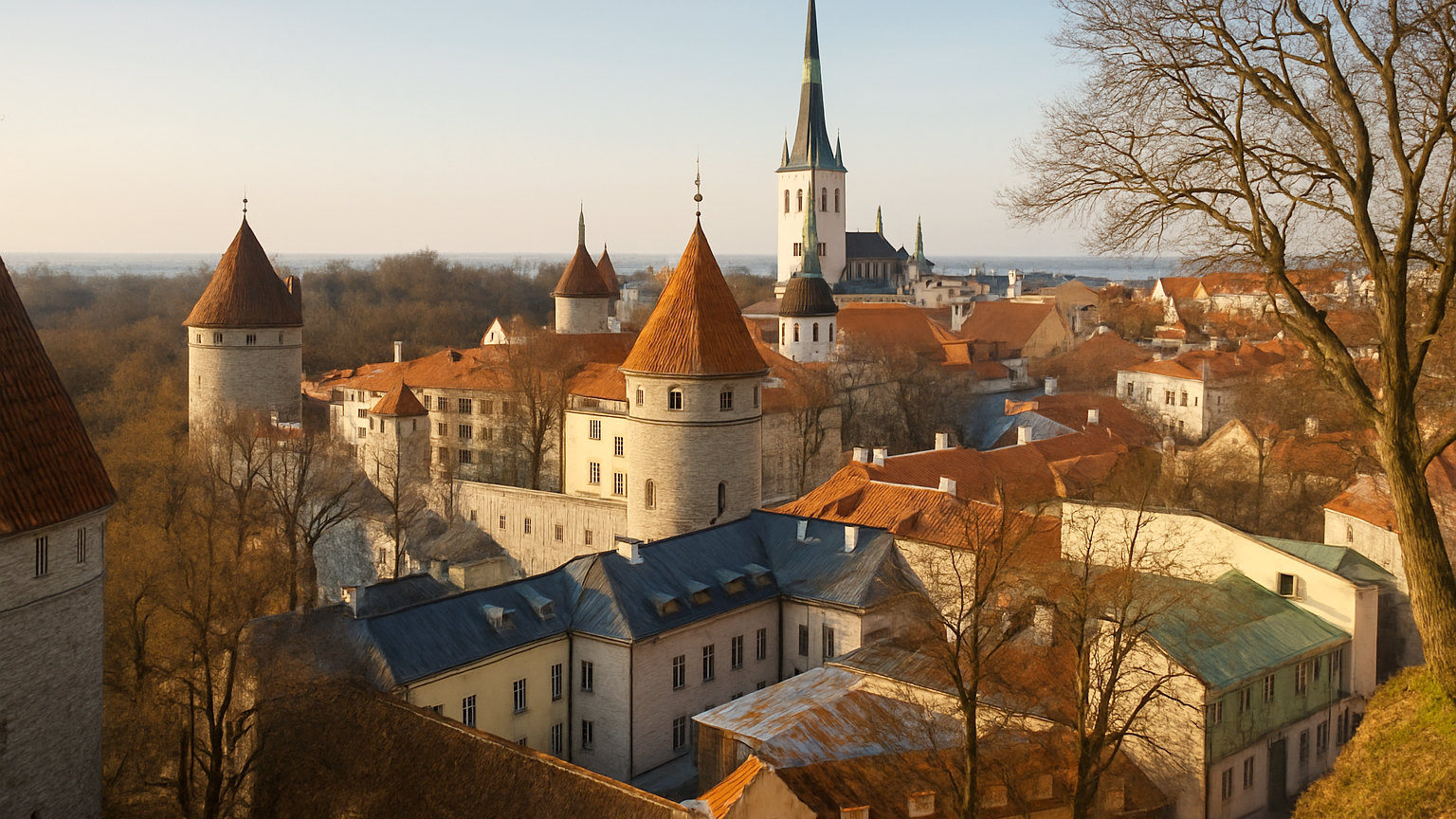
Northern ones are at their best. Copenhagen, Stockholm, Amsterdam, Berlin, Edinburgh and Dublin are all comfortable in summer with long evenings and outdoor life. They are also cheaper in August than in May or September, since residents leave, which inverts the Mediterranean pattern.
How much cooler is inland versus coastal?
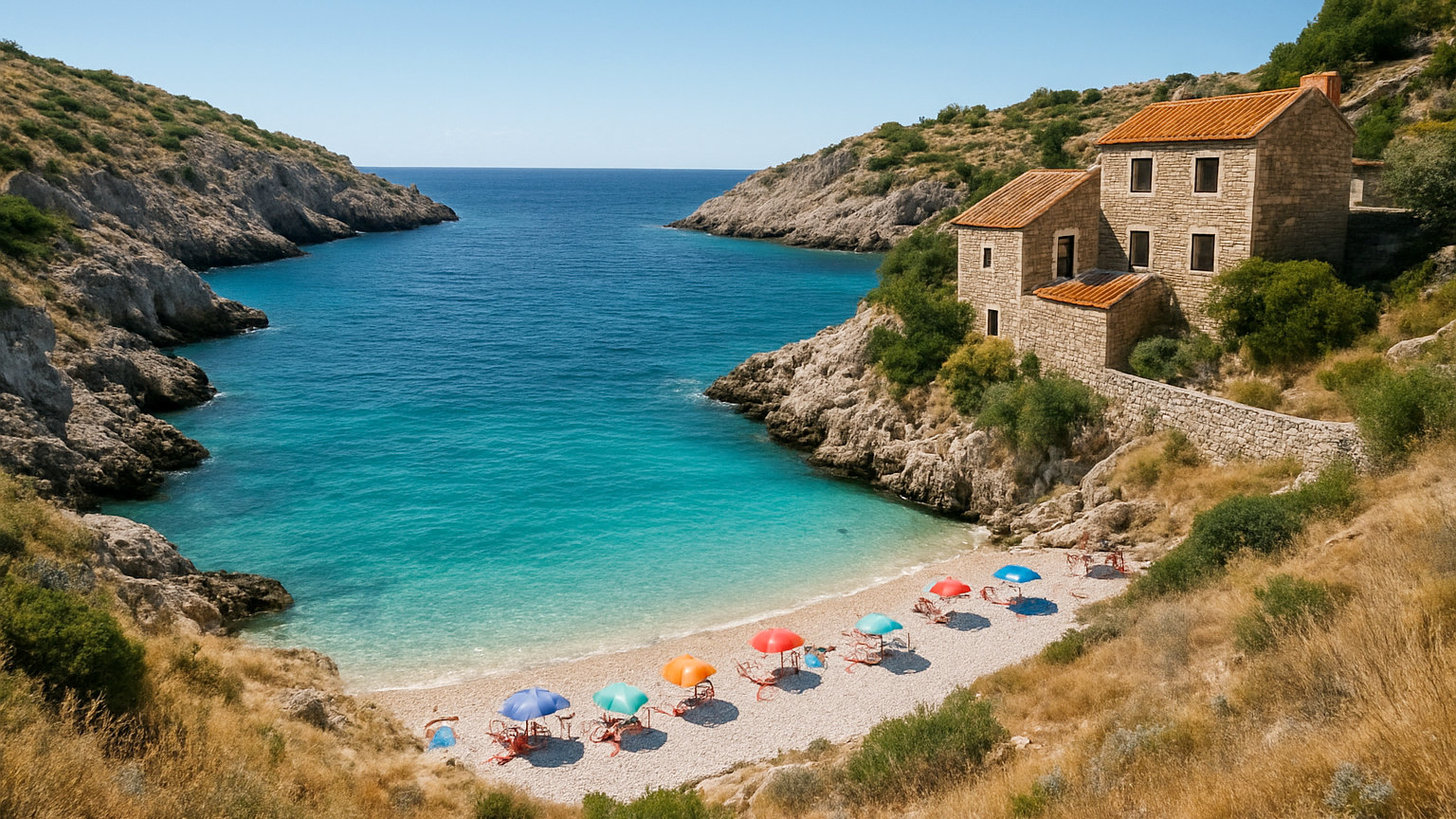
Substantially in the south. Seville can be ten degrees hotter than Cadiz two hours away, and Cordoba hotter still. Sea breezes keep Mediterranean coasts noticeably cooler than the interior, which is why coastal southern Europe remains workable when the inland cities do not.
Is it cheaper?
Mixed. Scandinavia is expensive year round and July is its peak. The Baltic coasts, Poland and the Tatras are inexpensive. Northern European cities are cheaper in August than in the shoulder months. The mountains vary by country, with Italy and Austria cheaper than Switzerland and France.
What is the catch?
Weather variability. Northern and Atlantic Europe can produce a cool wet week in August, which the Mediterranean will not. Packing for both is necessary, and building in indoor options matters more than it does in the south.
Who does it suit?
Anyone who finds thirty-five degrees unpleasant, families with very young children, walkers and cyclists, and anyone travelling in the school holidays who would rather not pay Mediterranean peak prices for uncomfortable heat.
What are the sea temperatures?
The trade-off. The Atlantic coasts of France, Spain and Portugal sit around seventeen to twenty degrees in August, which is bracing. The Baltic reaches about twenty in August and is cold the rest of the year. Scottish and Irish water is colder again. Wetsuits are normal rather than unusual on these coasts.
How long are the days?
Extremely long, which is much of the appeal. Northern Scandinavia has continuous daylight around midsummer, Scotland and the Baltic get light until eleven, and even northern Germany and the Netherlands keep useful light past ten. It effectively adds several hours to each day.
Which suits a first trip?
The Dolomites or the Austrian lakes, both of which are easy, well organised and have enough infrastructure that nothing needs to be arranged in advance beyond the room.
Anyone weighing this up will also want Which Destinations Are Best in the School Holidays?, along with the rest of the Seasons section.
The short answer
The Alps and Dolomites, Scandinavia, the Baltic coasts and the Atlantic shores of France, Spain and Portugal are all comfortable and uncrowded in July and August. Pack for variable weather, and remember northern cities are cheaper in August than in spring.