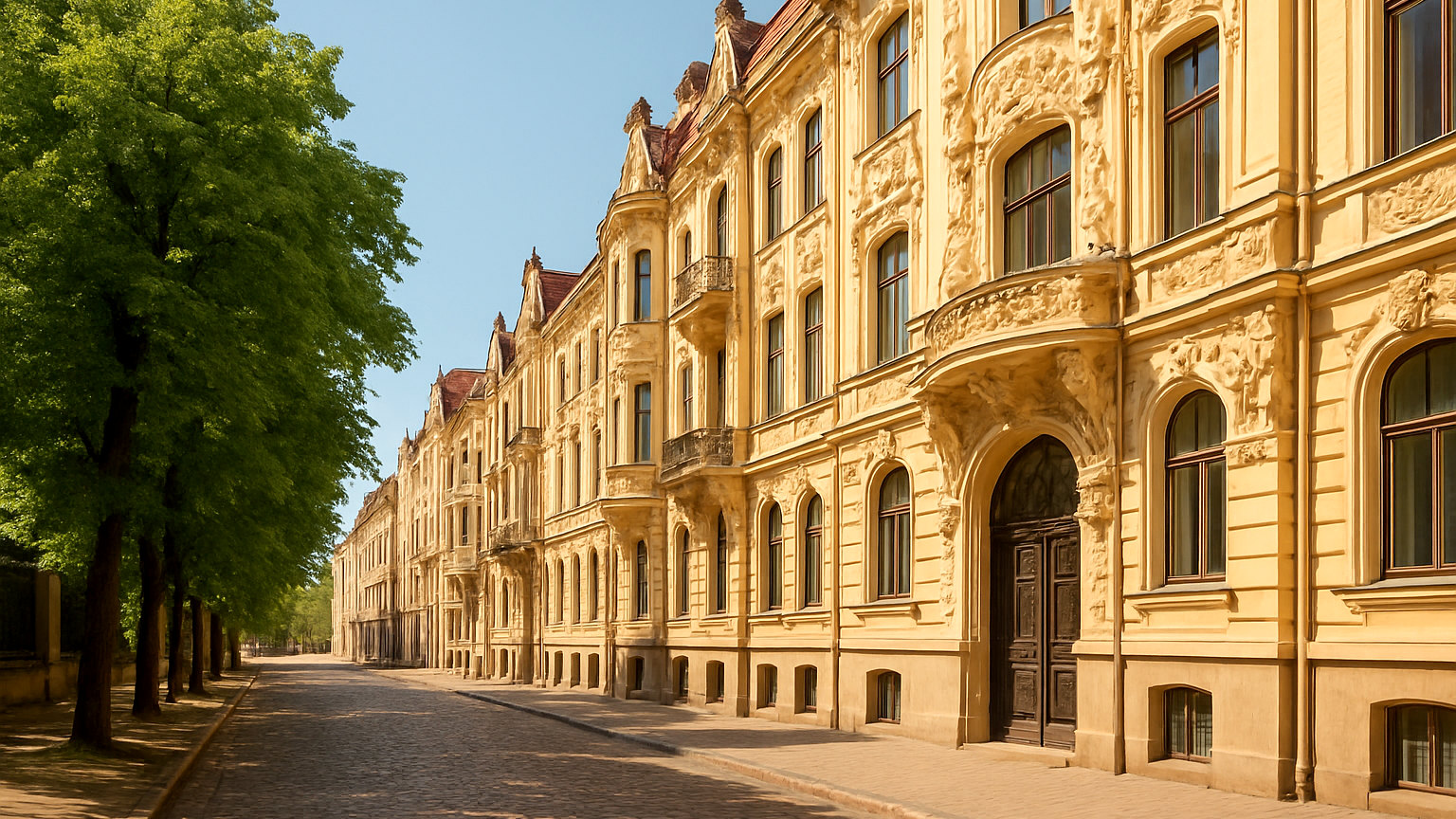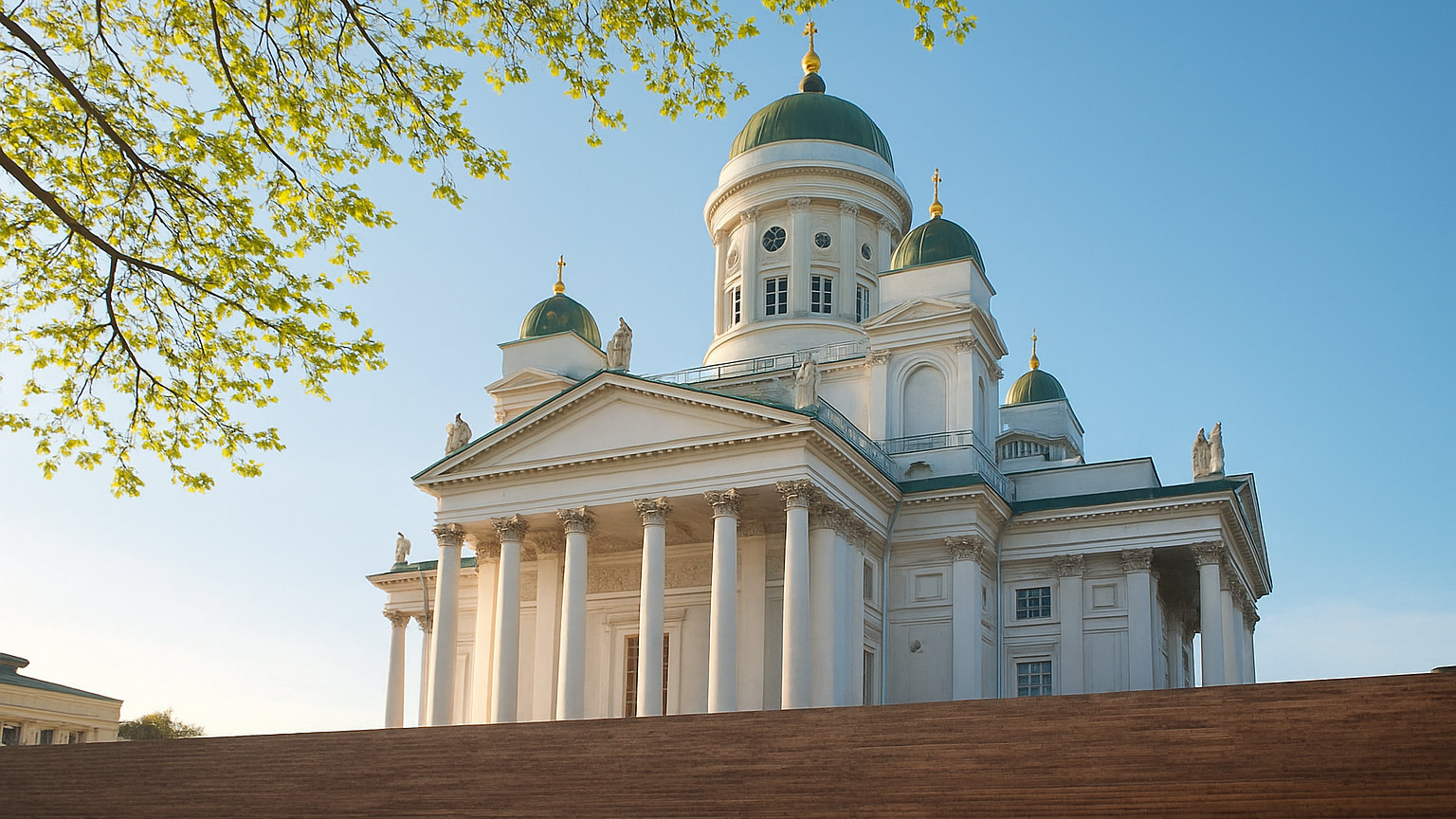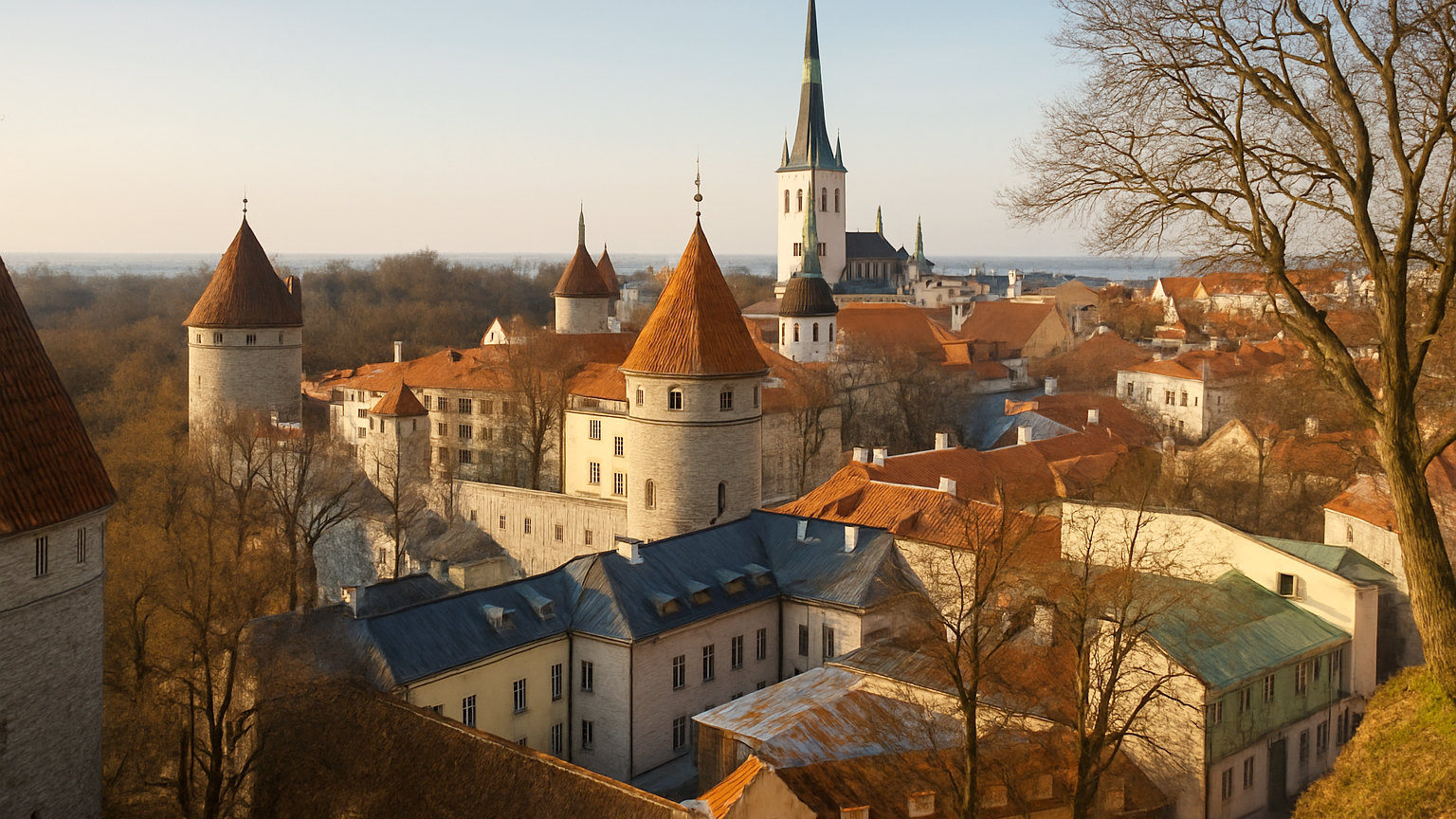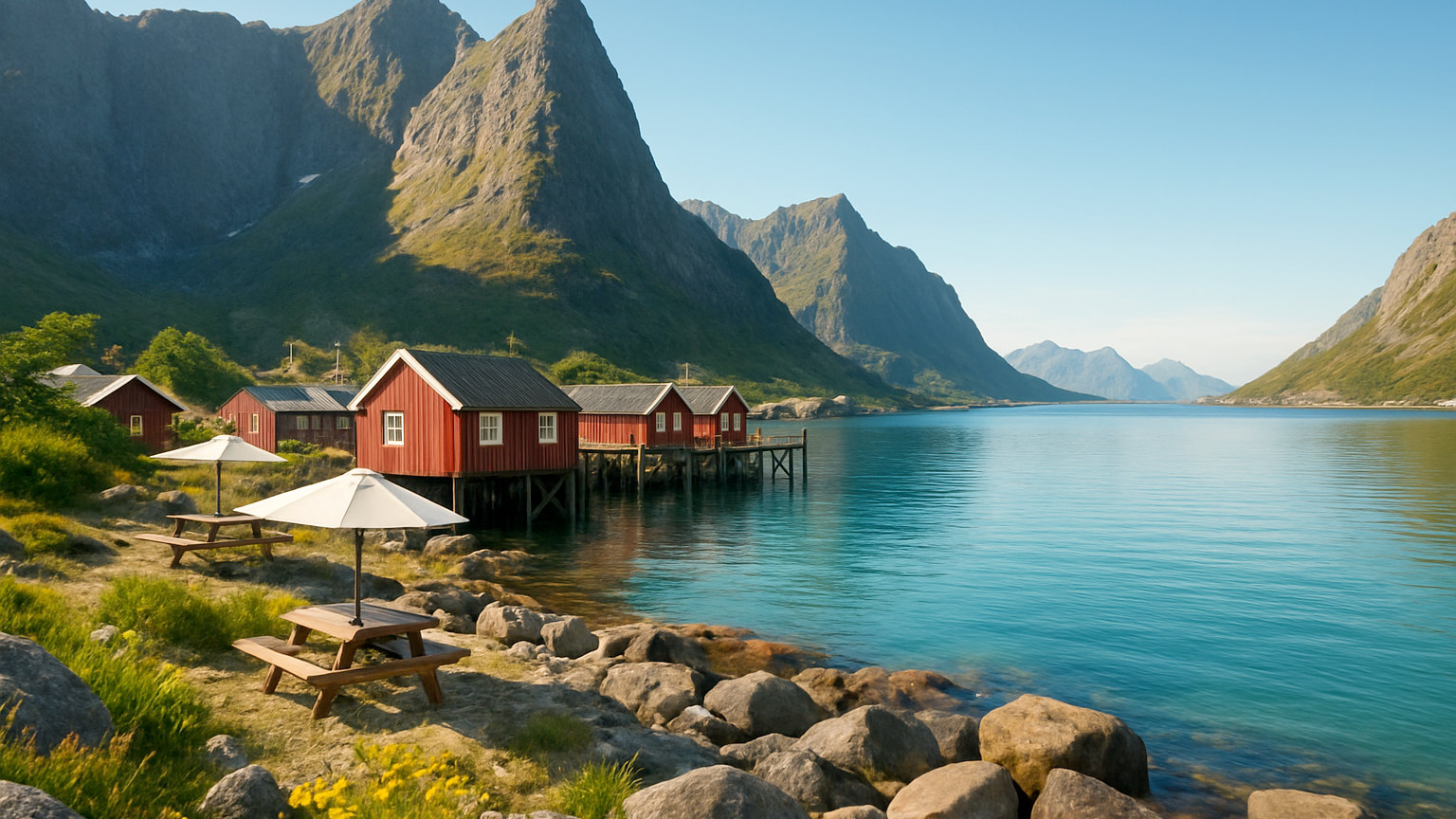
For most of the year the reason to go south is obvious. In July and August it is less so. Northern Europe in high summer has temperatures most people find comfortable, daylight until eleven at night, and a fraction of the crowds, which for several kinds of holiday makes it the better half of the continent.
What are the temperatures?
Southern Scandinavia, the Baltic states, Scotland and Ireland sit between about eighteen and twenty-four degrees in July and August. Southern Europe sits between thirty and forty and higher inland. Which is better depends entirely on what you intend to do, and for anything involving walking the answer is clear.
How much daylight is there?
The most underrated advantage. Stockholm and Edinburgh keep useful light until around eleven in June, and northern Norway has continuous daylight. That effectively extends the day by several hours and changes how much a trip covers. Mediterranean destinations are dark by nine.
What is the north good for?
Walking, cycling, kayaking, islands, wildlife, cities and long evenings outdoors. The Norwegian fjords, the Scottish islands, the Baltic coast, the Finnish lakes and the Danish and Dutch cycling networks are all at their best and are genuinely difficult to visit at other times.
What is the south still better for?
Swimming, which is the honest answer. The Mediterranean at twenty-five or twenty-six degrees in August is warm in a way no northern water is. Southern Europe also wins for food, for archaeology and for the certainty of sunshine.
How reliable is the weather?
Less reliable than the Mediterranean, which is the main trade. A cool wet week in August is possible in Scotland, Ireland or Norway and is essentially impossible in Greece. Packing for both and building in indoor options is necessary.
How do the costs compare?
Mixed, and the picture is more favourable than people assume. Scandinavia and Ireland are expensive. The Baltic states, Poland and northern Germany are cheap. Northern European cities are cheaper in August than in the shoulder months because residents leave, which is the inverse of the Mediterranean.
What about crowds?
Far lower almost everywhere, with the exception of the Norwegian fjord cruise ports and central Copenhagen. The Baltic beaches, the Finnish lakes, the Scottish islands and rural Ireland absorb August without difficulty because demand never approaches capacity.
Who should go north?
Anyone who dislikes heat, anyone whose holiday involves walking or cycling, anyone with very young children, and anyone tied to August who would rather not pay Mediterranean peak prices for uncomfortable conditions.
Who should still go south?
Anyone whose holiday is swimming and lying in the sun, which is a perfectly reasonable thing to want and is not available north of the Bay of Biscay.
What about the midges and mosquitoes?
A genuine consideration. Scottish highland midges are at their worst from June to August and can make an evening outdoors impossible without repellent. Scandinavian and Finnish mosquitoes are similar inland in July. Coastal and breezy locations are largely free of both.
Which northern destinations are easiest?
Denmark, the Netherlands and southern Sweden for infrastructure and short flights. Estonia, Latvia and Lithuania for the same at much lower prices. Norway and Iceland are the most dramatic and the most expensive, with Iceland in particular costing well above the European average.
How long should you go for?
A week suits a city and its surroundings. Norway, Iceland and the Scottish islands need ten days or more, since distances are long and the weather requires spare days.
What about the cost of eating?
The sharpest divide. Norway, Iceland, Denmark and Sweden are among the most expensive countries in the world for restaurant meals, and alcohol in the Nordics carries heavy duty on top. The Baltic states and Poland are the opposite, with excellent food at central European prices.
What Should You Pack for a European Summer? is the natural next read, alongside the wider Seasons section.
The short answer
In July and August the north has better temperatures, far more daylight and fewer people, and the south has warm sea and guaranteed sun. Choose the north for walking, cycling and cities and the south for swimming, and accept that northern weather is less predictable.